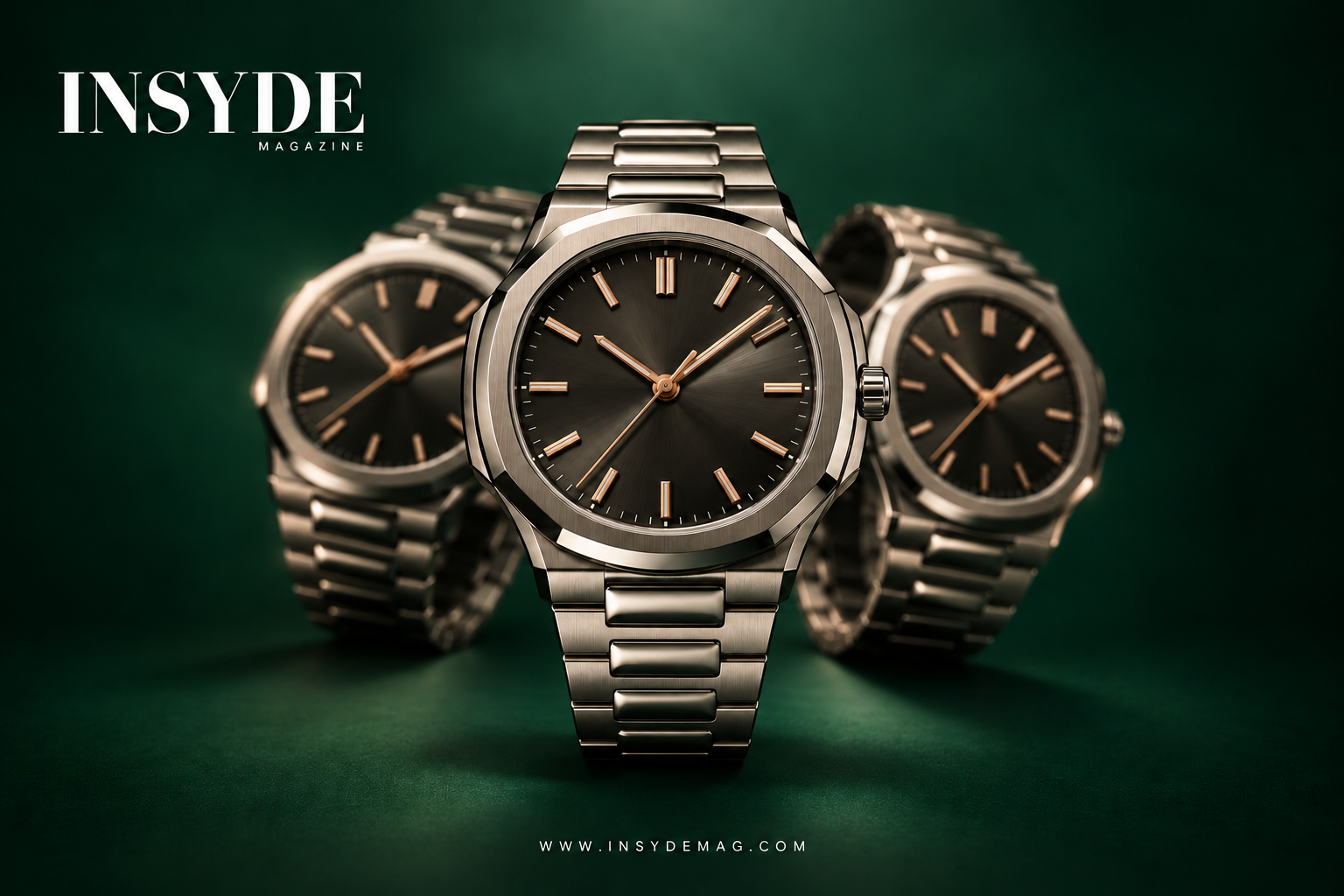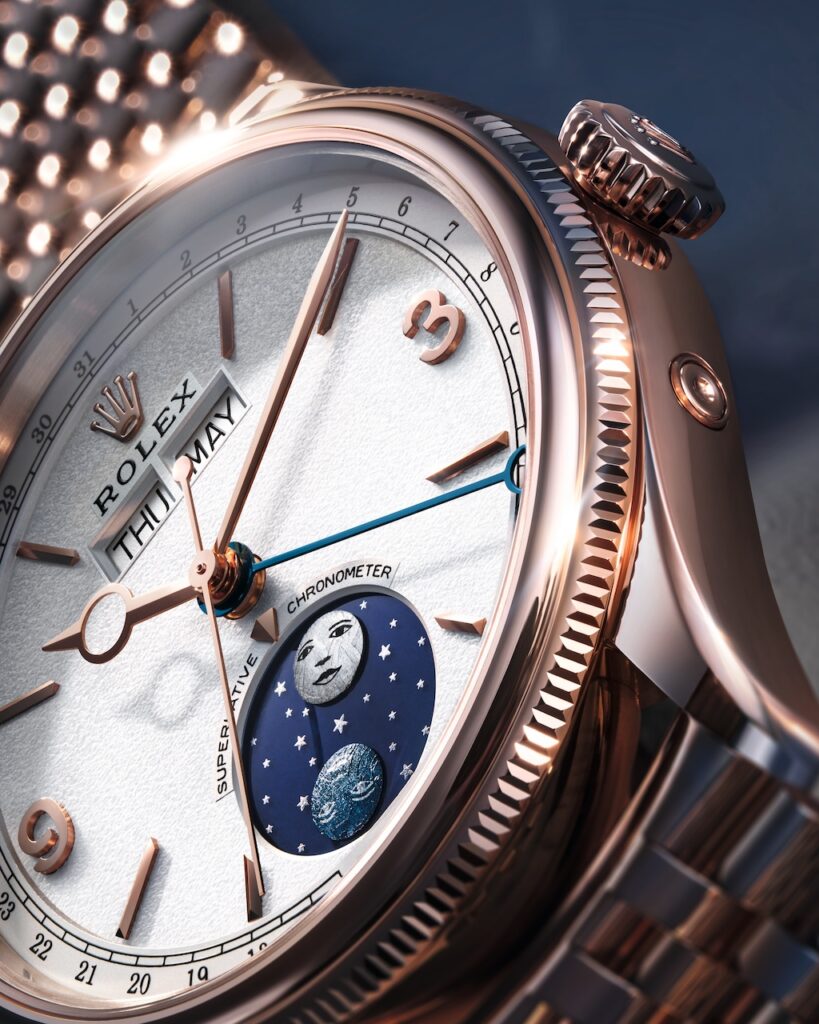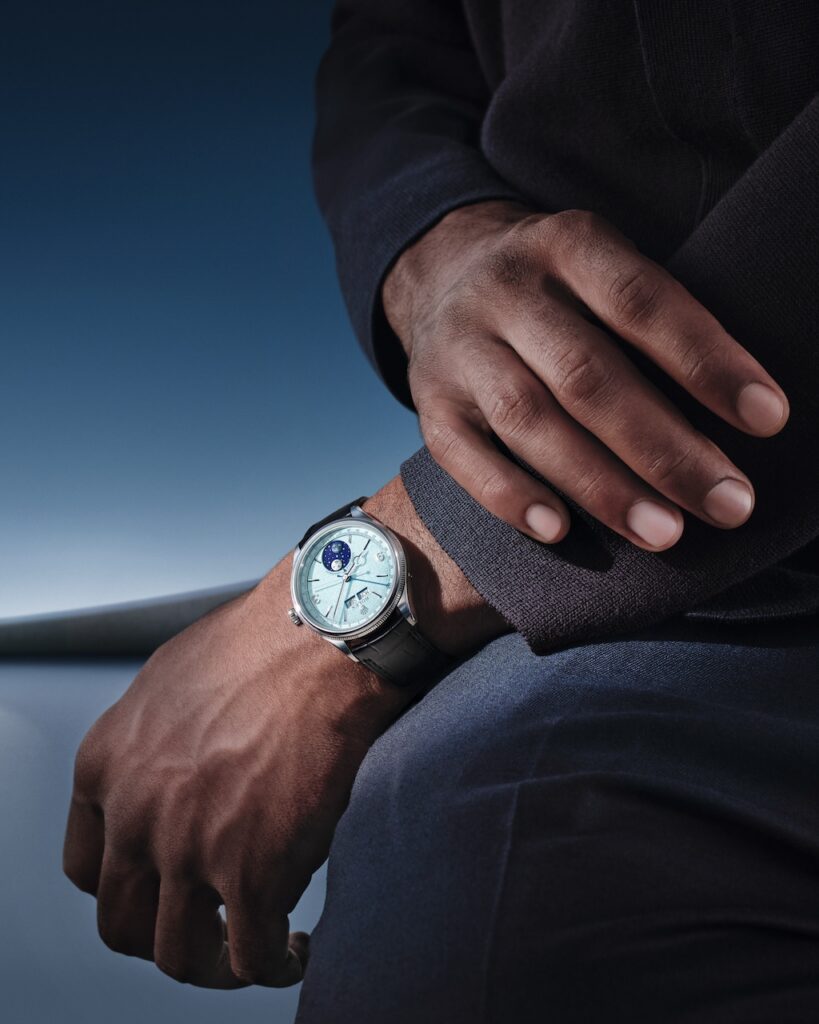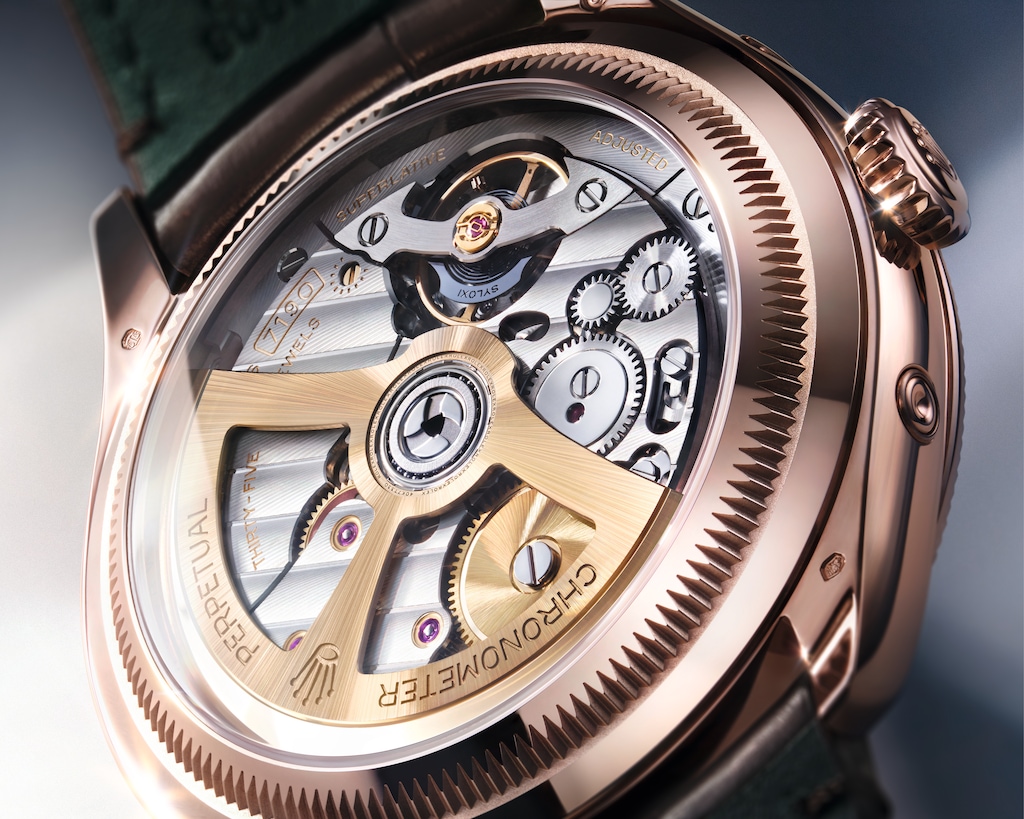
Why Rolex, Audemars Piguet and the world’s most prestigious watchmakers are moving into the lucrative business of luxury resale.
LUXURY | BUSINESS & INDUSTRY
A luxury watch is rarely just a watch. It is a marker of taste, a symbol of status, an expression of craftsmanship and, for some collectors, an object whose desirability can outlast its original owner. But behind the polished steel, precious metals and meticulously engineered movements lies another story—one about a market that continues to generate value long after a timepiece leaves the boutique.
For decades, much of that business belonged to independent dealers, specialist retailers, auction houses and online marketplaces. A watchmaker might create the object, establish its reputation and sell it through an authorised retailer, only to have little involvement when the same watch changed hands again. That arrangement is now evolving.
In October 2026, Audemars Piguet introduced The Watch Keepers, a digital experience designed to facilitate the buying and selling of certified pre-owned Audemars Piguet watches. The move follows the expansion of Rolex’s Certified Pre-Owned programme and reflects a wider shift in luxury watchmaking: manufacturers increasingly want a role in the commercial life of their products after the first sale.
The opportunity is substantial. According to Grand View Research’s July 2026 market report, the global pre-owned luxury watch market was valued at an estimated US$32.3 billion in 2025. The firm projects a market value of US$35.7 billion in 2026, rising to US$85.4 billion by 2033, at a forecast compound annual growth rate of 13.3%.
These are market-research estimates, rather than audited totals of every transaction worldwide. Yet the direction is clear: pre-owned luxury watches have become a major commercial category, attracting the attention of manufacturers that once left much of the resale business to others.
The question is no longer simply who will buy the next luxury watch. It is who will profit when that watch is sold again.
A SECONDARY MARKET WORTH WATCHING
The scale of the opportunity becomes clearer when looking beyond long-term market forecasts to recorded transactions.
According to EveryWatch’s H1 2026 Secondary Market Report, the secondary watch market recorded US$10.5 billion in sold value between January and June 2026, representing a 37.2% increase year on year. Approximately 795,000 watches were sold, up 18.7% compared with the first half of 2025. The median sale price rose 19.3% to US$5,900.
EveryWatch aggregates transaction information from 650 dealers and 472 auction houses. Its figures therefore provide a view of recorded activity across its coverage, rather than a complete census of every private and commercial watch transaction.
The data also reveals how concentrated demand remains. Rolex accounted for approximately 41% of secondary-market value in the report, followed by Patek Philippe at 14.4% and Audemars Piguet at 9.4%.
These figures do not mean that every model from these brands appreciates, or that every watch can be resold profitably. They show that a significant share of observed market value is concentrated in a handful of highly recognisable names.
The distinction between a broad market estimate and recorded transaction data matters. Grand View Research estimates the size of the pre-owned luxury watch market using its own research methodology; EveryWatch measures transactions within its data coverage. The figures should not be combined as though they measure precisely the same market.
Taken together, however, they illustrate why pre-owned watches are becoming strategically important. The secondary market is not merely a place where unwanted watches end up. It is a substantial commercial ecosystem in which brand reputation, scarcity, condition, provenance and collector demand influence the value of products already in circulation.
WHEN WATCHMAKERS ENTER THE RESALE BUSINESS
Rolex: turning certification into a business
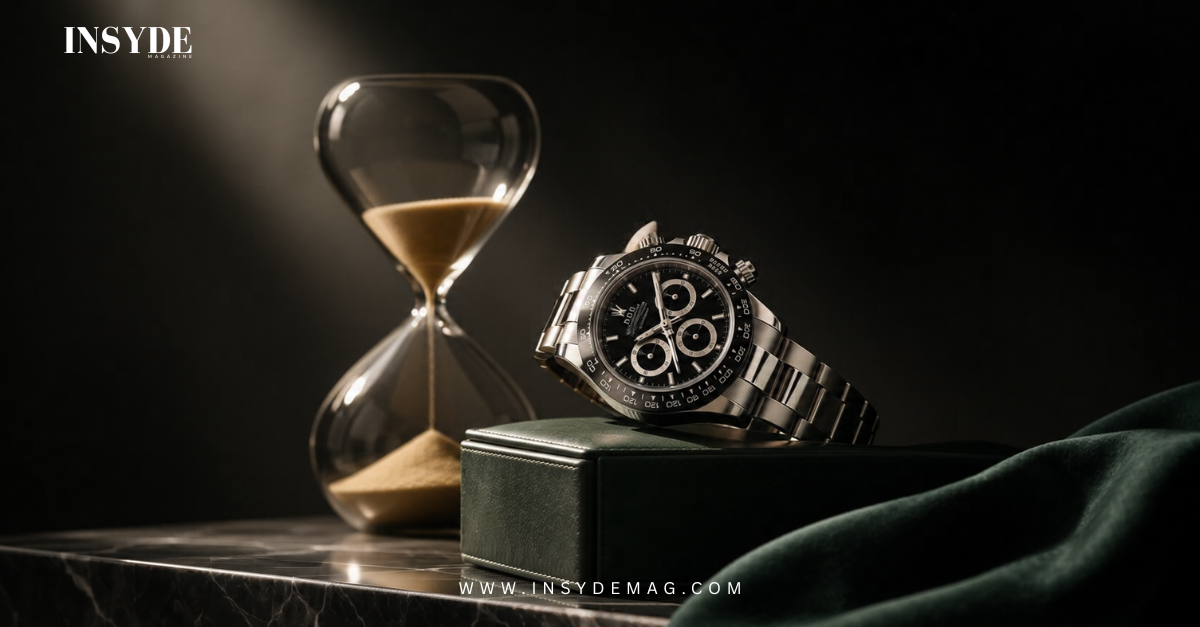
Rolex provides one of the clearest examples of a manufacturer establishing a formal presence in pre-owned retail.
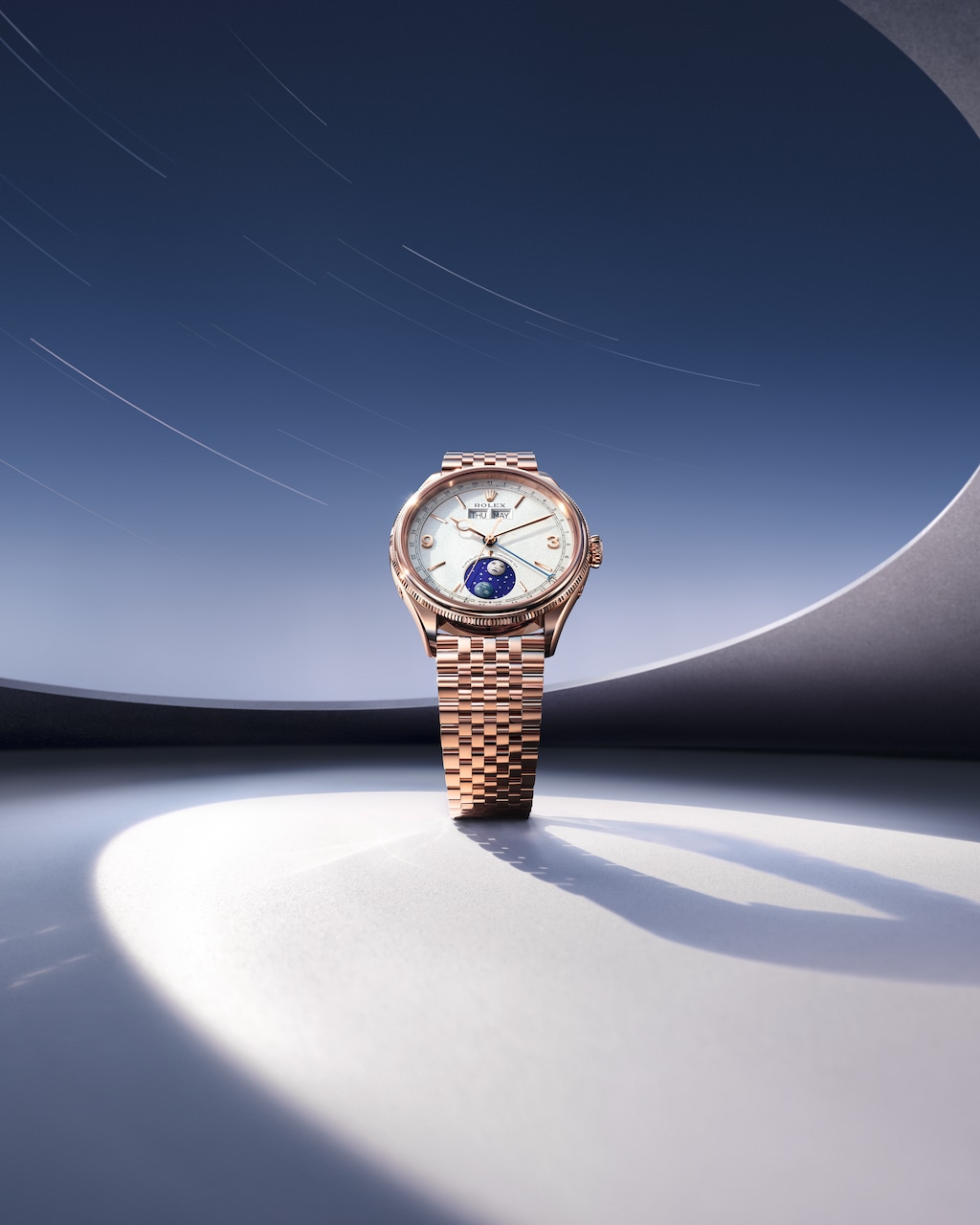
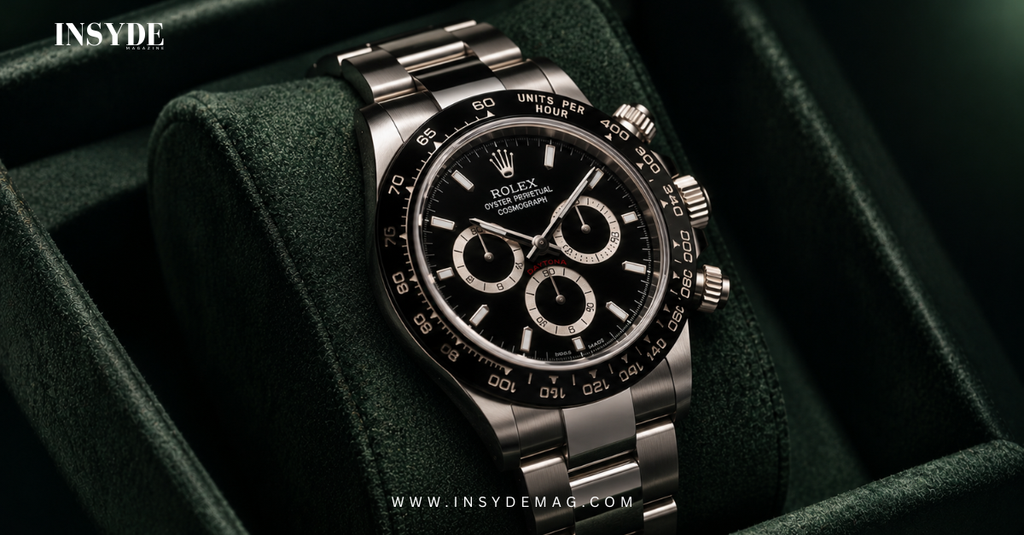
Launched in 2022, the Rolex Certified Pre-Owned programme enables participating official Rolex retailers to sell eligible second-hand watches that have been authenticated and certified through the brand’s processes.
To qualify, a watch must be at least two years old. Each timepiece returns to Rolex workshops, where its components and original configuration are examined. Certified watches are sold with a dedicated seal, a guarantee card and a new two-year international guarantee.
The programme does more than reassure buyers. It creates an official channel through which customers can purchase a previously owned Rolex while remaining within the brand’s authorised retail network.
The commercial momentum is notable. EveryWatch reported that Rolex Certified Pre-Owned sales reached US$385.4 million in the first half of 2026, an increase of 101.3% year on year. Within EveryWatch’s coverage, the programme accounted for approximately 9% of Rolex secondary-market sales by value.
The figures suggest that certification is becoming a meaningful retail proposition in its own right. Instead of competing exclusively to sell new watches, authorised retailers can also participate in the resale of watches that already have a place in the market.
For Rolex, the model aligns the brand’s reputation for quality with a more structured approach to second-hand transactions. For consumers, it offers an alternative to purchasing through an independent seller whose standards and guarantees may differ.
Audemars Piguet: bringing resale closer to the brand
Audemars Piguet’s October 2026 introduction of The Watch Keepers marks another important development.
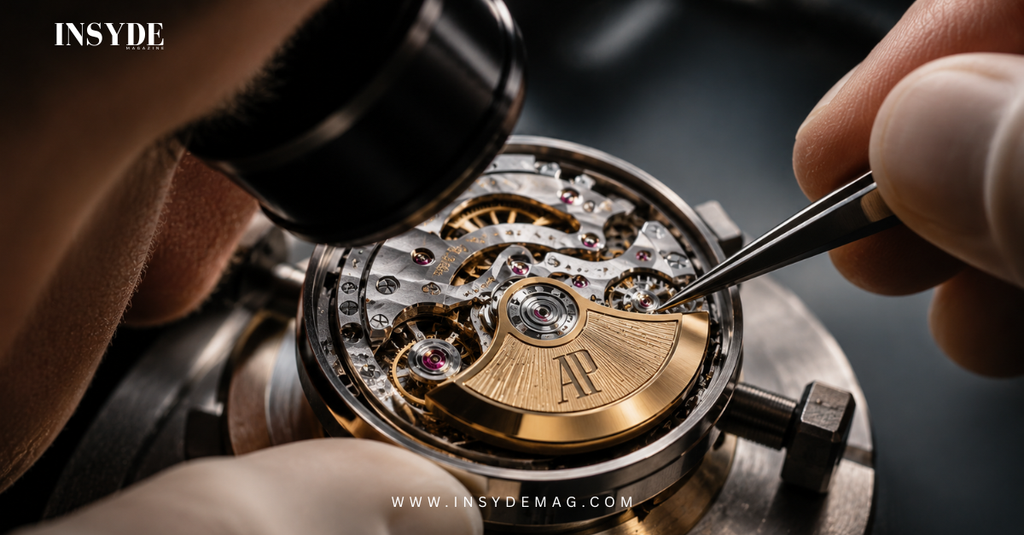
The platform facilitates the buying and selling of certified pre-owned Audemars Piguet watches, with the aim of providing greater clarity and confidence during the transaction. It brings the manufacturer closer to a market in which authenticity, originality and condition can have a substantial influence on a watch’s desirability and price.
This is particularly relevant for a brand whose most coveted references can attract intense collector interest. A pre-owned watch may have been polished, modified, serviced outside the authorised network or fitted with components that do not match its original configuration. Such details can materially affect what a knowledgeable buyer is prepared to pay.
A manufacturer-backed process can help reduce uncertainty by establishing clearer standards around the watch being offered.
The strategic significance extends beyond authentication. By facilitating resale, Audemars Piguet gains a more direct connection to customers who may be acquiring a watch years after it was originally sold. It also positions the brand to participate in a transaction that might otherwise take place entirely through an independent dealer or marketplace.
That does not mean Audemars Piguet controls every resale of its watches. Rather, it is building an official channel for buyers and sellers who value the reassurance associated with the manufacturer.
A wider industry movement
The shift extends beyond Rolex and Audemars Piguet.
Richard Mille has operated a pre-owned programme through its approved retail network, combining the brand’s technical expertise with inspection, restoration and warranty support.
Vacheron Constantin has developed a Certified Pre-Owned offering through authorised partners, with inspection and warranty provisions designed to support confidence in previously owned watches.
IWC’s Curated collection takes a related but distinct approach by focusing on selected historical watches restored and certified by the manufacturer.
These programmes are not interchangeable. Some focus on certifying eligible pre-owned watches; others place greater emphasis on historical references or selected retail partnerships. Their common objective is to bring the manufacturer’s expertise into a market where trust and product knowledge are essential.
The direction is significant. Luxury watchmakers are increasingly treating the secondary market not simply as an external resale channel, but as another point of contact between their products and their customers.
WHY THE INDUSTRY WANTS A SECOND SALE
The commercial logic behind pre-owned watches goes beyond the immediate resale margin. It touches on customer acquisition, after-sales services, brand reputation and the long-term economics of luxury.
1. Capturing value beyond the first transaction
When a manufacturer sells a new watch, it participates in the original sale through its established retail and distribution structure. When that watch is resold, however, the next transaction may generate revenue for an independent dealer, an online marketplace or an auction house.
A manufacturer-backed resale programme offers another route to participate in that activity. Depending on its structure, the business may generate revenue through resale, authorised retail, servicing, authentication and related services.
The opportunity should not be overstated: brands do not automatically receive a share of every subsequent sale, and certification programmes have their own operating costs. But they can create a more direct commercial relationship with a market that already exists.
A desirable watch can pass through several owners over its lifetime. Each transaction represents a potential point of contact with a new customer—and an opportunity for the brand to demonstrate its expertise.
2. Trust is part of the luxury proposition
The purchase of a high-value watch involves more than selecting a design. Buyers must consider authenticity, condition, service history, original components and the credibility of the seller.
For a first-time buyer, uncertainty can be a barrier. For an experienced collector, small differences in condition or originality can materially affect desirability and value.
Manufacturer-backed certification seeks to address those concerns through defined inspection procedures, authentication and, where offered, warranties.
Rolex’s programme, for example, includes examination of the watch’s components and original configuration. Other manufacturers and specialist retailers use their own inspection and certification processes.
This is where established watchmakers possess a structural advantage: they understand the products they manufacture and maintain. Their technical expertise can become a meaningful part of the resale proposition.
Certification does not remove every risk, and buyers should still examine the terms, warranty coverage and condition report associated with a specific watch. Nevertheless, credible authentication can make the category more accessible to consumers who would otherwise be reluctant to purchase second-hand luxury.
3. A new entry point for younger buyers
The secondary market can also introduce prestigious brands to customers who may not be ready—or able—to purchase a new watch at full retail price.
In its Swiss Watch Industry Study 2025, Deloitte found that 40% of surveyed millennials and Generation Z consumers were likely to purchase a pre-owned watch in the coming year. Across respondents, affordability was cited by 53% as a motivation, while 36% valued access to unique or discontinued models.
The appeal is not exclusively financial. A pre-owned watch may offer access to a reference that is no longer manufactured, a particular design era or a model that is difficult to obtain through current retail channels.
For younger consumers, resale can provide an entry point into a brand’s world. For experienced collectors, it can offer the opportunity to acquire a historically significant reference or complete a collection.
For manufacturers, this creates the possibility of building relationships with customers earlier in their luxury journey. A pre-owned purchase can lead to servicing, additional collecting and, eventually, purchases from the current catalogue.
The secondary market is therefore not necessarily a substitute for new-watch sales. In some cases, it may complement them.
4. Monetising heritage and discontinued models
Luxury watchmakers invest heavily in design, engineering, craftsmanship and the stories associated with their collections. Those assets can retain their appeal long after a particular reference leaves the catalogue.
Historical models may become desirable because of their design, technical significance, production history or association with a particular period in a brand’s development.
IWC’s Curated offering illustrates how a manufacturer can apply its knowledge to selected historical timepieces, restoring and certifying them for a new generation of buyers.
This approach gives the brand a role in the presentation and preservation of its own history. Rather than leaving every vintage or discontinued reference to the interpretation of the resale market, the manufacturer can contribute expertise about the product’s origins and condition.
Heritage, in this sense, becomes more than a marketing narrative. It can support a distinct commercial offering.
5. Keeping the customer relationship alive
The original sale is only one moment in a watch’s lifecycle. Servicing, repairs, authentication, trade-ins and subsequent purchases can create relationships that last for decades.
Pre-owned programmes provide another opportunity to maintain those relationships, especially when a watch moves from one owner to another.
A buyer entering the brand through a certified pre-owned model may later require servicing or choose to purchase a new reference. An existing customer selling a watch may return to the retailer to acquire another.
These outcomes are not guaranteed, but the strategic value is clear: manufacturers and authorised retailers can remain involved in more stages of ownership rather than concentrating exclusively on the first purchase.
THE RESALE PRICE QUESTION
For luxury watchmakers, the secondary market also acts as a visible measure of consumer demand.
Retail prices are set through the brand’s commercial strategy, but resale prices emerge from a wider set of forces: supply, demand, condition, availability, collector sentiment and the price buyers are willing to pay.
Some references trade above their original retail prices. Others sell below them. A brand’s performance in the secondary market can vary considerably from one model to another, even within the same collection.
EveryWatch’s H1 2026 data highlights the concentration of value in leading brands, but market share should not be confused with guaranteed appreciation. Nor should a watch that sells above retail be automatically treated as a reliable investment.
The price a buyer ultimately realises depends on the actual transaction, not merely the asking price. Dealer margins, servicing costs, taxes, insurance and other expenses can reduce any apparent gain. Market conditions can also change, and demand for particular references may weaken.
For manufacturers, however, resale values remain important because they influence how consumers perceive desirability and ownership costs.
A strong secondary market can reinforce a brand’s reputation. If a sought-after reference remains desirable after its first sale, that demand may strengthen its appeal to future buyers. Conversely, a significant gap between retail prices and resale prices can create questions about pricing, availability and perceived value.
Certified pre-owned programmes place manufacturers closer to this conversation. They may improve trust and offer buyers a clearer route into the market, but they also expose the brand to more direct comparisons with independent sellers.
The challenge is to create a programme that justifies its proposition through authenticity, service and customer experience—not simply through the prestige of the name on the dial.
INDIA: THE NEXT FRONTIER FOR ORGANised RESALE
India offers a compelling example of how the pre-owned luxury watch market could develop.
A growing base of affluent consumers, rising interest in luxury products and an expanding organised retail sector are creating opportunities beyond the sale of new watches. As more timepieces enter circulation, a larger pool of potential pre-owned inventory can emerge.
In a September 2026 report, Moneycontrol highlighted the expansion of India’s pre-owned luxury watch market and the growth of Ethos’s certified pre-owned business through Second Movement. The report cited an estimated annual growth rate of approximately 11%, attributed to Ethos’s latest annual report. That figure is a reported industry estimate, not a definitive measurement of every transaction in India.
Second Movement offers pre-owned luxury watches through an organised retail model, with inspection, authenticity assurance and a stated one-year warranty. Its business illustrates how established retailers can use infrastructure and after-sales capabilities to address one of the category’s central barriers: consumer confidence.
Deloitte’s 2024 Spotlight on India found that more than half of surveyed Indian consumers were very or somewhat likely to purchase a pre-owned watch in the following 12 months, compared with 38% globally. The survey identified affordability, sustainability and immediate availability among the motivations.
These findings should be read in their original context: they reflect consumer intentions reported in 2024, not confirmed purchases or a current 2026 market share.
Even so, they point to several factors that could support the category’s development. Pre-owned watches may offer access to brands and references that sit beyond a buyer’s immediate budget for new products. They can also provide access to discontinued models that are no longer available through standard retail channels.
For the Indian market, the next phase of growth will depend not only on demand, but on the quality of the ecosystem serving it. Transparent pricing, reliable authentication, documented condition, credible warranties and dependable after-sales service will be important in converting consumer interest into long-term confidence.
Organised retailers are positioned to play a significant role. As the market matures, they can help connect first-time buyers, established collectors and owners seeking to trade or sell their watches.
CAN LUXURY BRANDS OWN THE AFTERMARKET?
The expansion of manufacturer-backed programmes does not mean independent dealers and marketplaces are about to disappear.
Platforms such as Chrono24, specialist retailers and auction houses continue to serve important parts of the secondary market. They offer broad inventories, international reach, price discovery and access to watches that may not be available through official brand channels.
For collectors seeking rare or historically important pieces, auction houses can provide expertise and access to specialised markets. Independent dealers may offer a wider selection across brands, price points and conditions than any single manufacturer’s programme.
Brand-backed resale has its own limitations. Availability may be narrower, and the price of a certified watch may be higher than comparable alternatives offered independently. That premium may reflect inspection, servicing, warranty coverage and the confidence attached to the programme—but buyers must assess whether the specific offer justifies the difference.
There is also a broader strategic tension. Luxury brands rely on exclusivity and carefully managed positioning, while the secondary market makes prices and availability more visible. Greater transparency can reinforce confidence in a product, but it can also reveal differences between official retail pricing and what the market is willing to pay.
Nor does pre-owned automatically mean sustainable. Extending the useful life of a product can support more prolonged use, but the environmental benefit depends on factors such as refurbishment, transportation and whether a pre-owned purchase replaces a new purchase or simply adds another one.
The brands that succeed will need to offer a credible reason for customers to choose their official resale channels. Authentication, technical expertise, warranty terms, service quality and a carefully managed customer experience are likely to matter more than the label alone.
The aftermarket will remain diverse. The contest is over how much of that market manufacturers can attract—and how effectively they can compete without undermining the independent ecosystem that helped build it.
THE BUSINESS AFTER THE FIRST SALE
The rise of pre-owned luxury watches signals a broader change in how the industry thinks about ownership.
For years, the traditional model placed the greatest emphasis on the new watch: the boutique experience, the launch, the waiting list and the first purchase. The secondary market challenges that narrow view by showing that a desirable timepiece can remain commercially relevant long after it leaves the original owner’s wrist.
Rolex has built a formal channel around certification and guarantees. Richard Mille, Vacheron Constantin and IWC have developed their own approaches to pre-owned or curated watches. Audemars Piguet’s Watch Keepers adds fresh momentum to a shift that is becoming increasingly difficult for the industry to ignore.
The opportunity is significant, but it is not without challenges. Manufacturers must compete with established resale specialists, maintain the credibility of their certification processes and operate in a market where prices are shaped by supply, demand and collector sentiment—not simply by official retail strategy.
The prize, however, extends beyond the revenue generated by an individual transaction. It is the opportunity to remain connected to a watch throughout its life, from its first owner to the collectors who may acquire it decades later.
The future of luxury watchmaking may therefore depend not only on the watches brands create, but on how they manage the value, trust and desirability those watches carry after the original sale.
Because in the business of luxury, the first sale may begin the relationship. It does not have to end it.
INSYDE MAGAZINE – number one luxury magazine in Bangalore