Category: Luxury

An inside look at the world of luxury — fashion houses, jewellery, craftsmanship, hospitality, interiors, experiences and the evolving meaning of luxury in India.

  • DULQUER SALMAAN’S LOVE AFFAIR WITH CARS

    DULQUER SALMAAN’S LOVE AFFAIR WITH CARS

    From a childhood fascination with automobiles to an enviable collection of performance machines and modern classics, Dulquer Salmaan’s relationship with cars goes far beyond luxury. For the actor, it is a world of engineering, nostalgia, restoration and the enduring pleasure of driving.


    There is a difference between owning an extraordinary automobile and understanding what makes it extraordinary. For some, a luxury car is an expression of status. For others, it is an object of design, engineering and emotion — a machine whose character cannot be measured by its price tag alone.

    Dulquer Salmaan belongs to the latter category.

    One of Indian cinema’s most recognisable contemporary actors, Dulquer has built a reputation across Malayalam, Tamil, Telugu and Hindi films. Away from the screen, however, he has cultivated another identity: that of a passionate automobile enthusiast. His interest extends across generations of automotive engineering, from sought-after performance classics to contemporary supercars, with a particular appreciation for originality, mechanical character and the experience behind the wheel.

    His collection has attracted considerable attention over the years, with vehicles such as the BMW M3 E46, Mercedes-Benz SLS AMG, Porsche 911 GT3, Ferrari 296 GTB and Toyota Supra MK4 frequently appearing in media coverage. Yet, the more interesting story is not simply what occupies his garage. It is the relationship he has developed with these machines — one shaped by childhood memories, the thrill of driving and an instinct for collecting cars with character.

    In a 2023 conversation with Top Gear India, Dulquer offered an unusually personal look into that world. The interview revealed an enthusiast whose fascination with automobiles began long before his acting career, and whose appreciation for cars has little to do with simply acquiring the newest or most expensive model.

    A PASSION THAT STARTED IN CHILDHOOD

    For Dulquer, the attraction to automobiles was present from an early age. Growing up around cars and influenced by his father, Mammootty, and his maternal uncle, he developed an interest that gradually became an enduring passion.

    Speaking to Top Gear India in April 2023, he recalled the influence of his family and his uncle’s artistic interests, which included sketching cars and aircraft.

    “I think from the time I was born, my dad and my mama (my mom’s brother) were both strong influences upon me.”

    He also remembered how naturally he gravitated towards automobiles as a child. His mother would place him inside a car when he was unsettled, knowing that the experience would make him happy.

    His earliest driving memories are considerably more modest than the performance machines associated with him today. The first car he remembers driving was a Maruti 800. He recalled wanting to learn at around eight or nine years old, initially steering while sitting on his father’s lap before gradually learning how the gears and pedals worked.

    “The first car I probably drove was a Maruti 800.”

    The memory offers an interesting contrast to the exotic vehicles that would eventually become part of his automotive world. His fascination did not begin with a supercar or a luxury badge. It began with curiosity about the machine itself.

    Read the full conversation: Top Gear India — In Conversation with Dulquer Salmaan.

    THE MACHINES THAT DEFINE HIS AUTOMOTIVE WORLD

    Dulquer has never publicly confirmed a complete, up-to-date inventory of his collection. However, his own social-media posts and interviews, alongside reporting from publications including The Economic Times, NDTV and The Indian Express, have offered glimpses of several vehicles associated with him.

    Among the most recognisable are a 2002 BMW M3 E46, a 2011 Mercedes-Benz SLS AMG, a Porsche 911 GT3, a Ferrari 296 GTB and a Toyota Supra MK4.

    Each represents a different chapter in automotive design and engineering. Together, they offer a glimpse into the breadth of his interests.

    A DRIVING MACHINE FOR AGES.
    Image By BMW official

    BMW M3 E46: THE CROWN JEWEL

    Few cars are as closely associated with Dulquer’s public automotive identity as the 2002 BMW M3 E46.

    When introducing the car through a video shared with fellow enthusiasts, Dulquer described the E46 as his idea of peak BMW design. The model has become one of the most admired modern performance classics, celebrated for its naturally aspirated 3.2-litre inline-six engine, balanced chassis and engaging driving character.

    The E46 belongs to an era when performance engineering placed a particular emphasis on the relationship between the driver and the machine. Its proportions, mechanical character and understated aggression have helped it retain a devoted following among enthusiasts.

    For Dulquer, however, its importance is deeply personal.

    Speaking about his attachment to the car, he admitted:

    “I am really protective of this car. I am afraid to scratch it.”

    He went on to reveal that he had experienced genuine nightmares about the vehicle being stolen or vandalised. It is a striking admission from someone associated with a collection of highly desirable automobiles. The value of the E46, in this case, appears to extend well beyond its market price.

    In his original social-media post, he described it as one of the special cars he had managed to collect over the years, calling the E46 the peak of BMW.

    For collectors, certain automobiles become more than possessions. They represent a particular era, a personal memory or an experience that cannot easily be replicated. The M3 E46 appears to occupy precisely that position for Dulquer.

    Read The Indian Express report on Dulquer introducing his BMW M3 E46.

    The principle point of reference for this new two-seater was the original 300SL, the iconic Gullwing of the 1950s, and those signature doors are present and correct

    MERCEDES-BENZ SLS AMG: THE ART OF THE GULLWING

    Few modern Mercedes-Benz models make an entrance quite like the SLS AMG.

    With its dramatic gullwing doors, long bonnet and naturally aspirated 6.2-litre V8, the SLS AMG is a modern interpretation of the marque’s celebrated grand touring heritage. Its design draws inspiration from the legendary Mercedes-Benz 300 SL, while its AMG-developed engine gives it a distinctive identity of its own.

    Dulquer introduced his 2011 SLS AMG to enthusiasts through another of his social-media videos. Reflecting on the significance of the car, he described it as something he had once never imagined owning.

    He wrote:

    “This was something I never even dreamed of owning someday.”

    He also referred to the car as a future classic and described owning it as a privilege.

    “What an absolute privilege it is to be custodian of a Gullwing irrespective of which generation.”

    The word custodian is particularly revealing. It suggests an appreciation that goes beyond ownership — an understanding that certain automobiles carry a design and engineering legacy worth preserving.

    Read The News Minute’s report on Dulquer’s car collection and SLS AMG.

    Front and side view of a Porsche 911 GT3 in White.
    Image By Porsche official

    PORSCHE 911 GT3: BUILT FOR THE DRIVER

    If the BMW M3 E46 represents his appreciation for modern classics, the Porsche 911 GT3 reveals his interest in performance engineering at its most focused.

    The GT3 occupies a special position within the Porsche 911 family. Developed with a strong connection to motorsport engineering, it is designed around precision, driver feedback and performance rather than luxury alone.

    In his Top Gear India interview, Dulquer spoke particularly enthusiastically about the experience of driving his GT3, highlighting its manual transmission and naturally aspirated flat-six engine.

    “I love driving my GT3, because I mean I feel like it’s manual and it’s a high revving naturally aspirated flat six, it just feels like nothing else.”

    It is one of the most revealing comments in the conversation. Rather than focusing on acceleration figures or top speed, Dulquer describes the qualities that make a performance car engaging: the gearbox, the engine’s character and the connection between driver and machine.

    The naturally aspirated flat-six has become one of the defining characteristics of the GT3 experience. Its high-revving nature and distinctive sound offer something increasingly uncommon in an automotive landscape moving towards turbocharging and electrification.

    For an enthusiast who appreciates mechanical character, it is easy to understand the appeal.

    Ferrari 296 GTB - Dynamics
    Image By Ferrari Official

    FERRARI 296 GTB: A NEW GENERATION OF PERFORMANCE

    The Ferrari 296 GTB represents a different direction in the evolution of high-performance automobiles.

    Reported as one of the cars associated with Dulquer’s collection, the 296 GTB combines a 3.0-litre twin-turbocharged V6 engine with an electric motor, producing a combined output of approximately 830 cv.

    The model represents an important moment in Ferrari’s transition towards electrified performance. Rather than abandoning the performance philosophy for which the marque is known, the 296 GTB uses hybrid technology to enhance responsiveness, power delivery and overall performance.

    Its mid-engined configuration, sculpted proportions and advanced powertrain place it among the defining contemporary sports cars from Maranello.

    In the context of Dulquer’s reported automotive interests, the 296 GTB introduces an interesting contrast: a modern hybrid performance machine alongside older cars whose appeal lies in naturally aspirated engines and traditional mechanical engagement.

    Supra
    Image By Toyota Supra Official

    TOYOTA SUPRA MK4: THE JAPANESE PERFORMANCE ICON

    The Toyota Supra MK4 occupies an entirely different place in automotive culture.

    Produced during the 1990s, the fourth-generation Supra became internationally recognised for its design and engineering, particularly the legendary 2JZ engine family. The twin-turbocharged 2JZ-GTE variant developed an extraordinary reputation for strength, reliability and tuning potential.

    Its influence grew through motorsport, performance modifications and popular entertainment, turning the Supra into one of the most recognisable Japanese performance cars of its generation.

    Today, well-preserved examples are highly sought after by collectors, with originality and documented history playing an important role in their desirability.

    Its reported association with Dulquer’s collection is another indication that his automotive interests extend beyond European luxury marques. The Supra’s appeal is rooted in a different kind of enthusiast culture — one built around engineering potential, Japanese performance heritage and the legacy of an era.

    Vehicle selection and collection references are based on Dulquer’s public posts and published media reports. This is not a verified inventory of his current ownership.

    MORE THAN AN EXOTIC COLLECTION

    Perhaps the most revealing part of Dulquer’s automotive philosophy is his approach to collecting.

    In his Top Gear India conversation, he made it clear that his garage is not simply a collection of exotic automobiles. He explained that he enjoys finding used cars and restoring them, suggesting an interest in vehicles that might otherwise be overlooked.

    “It’s not only an exotic collection. I have a lot of used cars, I also restore cars.”

    The statement offers a more nuanced understanding of his passion. Collecting, for him, appears to involve the process of finding a particular automobile, understanding its history and bringing it back to a condition worth preserving.

    He also spoke about why he finds it difficult to sell cars. Finding a rare vehicle can take considerable effort, and there is no guarantee that the opportunity to acquire another example will come along.

    This is a familiar instinct among serious collectors. The value of a car is not always determined by its original price or current market valuation. Sometimes, its significance lies in the story of how it was found and the experience of owning it.

    His preference for retaining cars close to their original specifications further reinforces this philosophy.

    “I don’t like to tune my cars so much because my thinking is so long term that I keep them as close to stock as they age better.”

    It is a perspective that places preservation above excessive modification. In a culture where personalisation can often become an exercise in visual excess, maintaining a car’s original character is itself a statement of appreciation.

    For classic and performance-car enthusiasts, originality can contribute to historical significance, collectability and long-term desirability. More importantly, it preserves the engineering vision of the people who designed the automobile in the first place.

    THE THRILL OF THE DRIVE

    A collection can reveal what someone owns. The way they speak about driving reveals why they own it.

    In the same Top Gear India conversation, Dulquer discussed his preference for controlled drifting and the experience of taking a car sideways.

    “I love going sideways, I can drift, I find that more exciting than going at very high speeds.”

    He described the experience as an art, recalling how an early exposure to a handbrake turn had stayed with him.

    It is an interesting distinction. While the performance-car industry often celebrates top speed and acceleration figures, enthusiasts frequently find greater satisfaction in the balance and responsiveness of a vehicle.

    Dulquer also spoke about his appreciation for engine character, singling out the sound of a V10 as particularly memorable.

    “V10 I think! That’s the most amazing sounding engine.”

    The comment reflects a wider appreciation for the mechanical qualities that distinguish one automobile from another. An engine is not simply a source of power; its sound, response and character can become central to the driving experience.

    His enthusiasm for the Porsche GT3’s naturally aspirated flat-six reinforces that idea. For him, the appeal of a performance car is not restricted to what it can achieve on paper. It is about how it feels from behind the wheel.

    THE ROAD LESS TRAVELLED

    For an automobile enthusiast, the experience is not always about driving at the limit. Sometimes, the road itself becomes the destination.

    During his interview, Dulquer spoke about the Pacific Coast Highway in California, describing it as one of his favourite driving experiences. The coastal route, particularly the stretch between San Francisco and Los Angeles, offers a combination of dramatic landscapes, winding roads and the kind of scenery that makes a long drive memorable.

    He also recalled the sight of car clubs gathering along the route, adding another dimension to the experience.

    It is a reminder that automotive culture is as much about community and shared enthusiasm as it is about the machines themselves.

    From organised drives and classic-car gatherings to restoration communities and motorsport events, the world of automobiles brings together people who appreciate the same details: design, engineering, sound and the pleasure of driving.

    For someone whose interest began in childhood, those experiences are perhaps as important as the cars themselves.

    A COLLECTION WITHOUT A NUMBER

    How many cars does Dulquer Salmaan own?

    It is a question that has repeatedly followed the actor, partly because of the size and variety of the collection associated with him.

    In 2025, The Indian Express reported that actor Prithviraj Sukumaran had previously estimated Dulquer’s collection at around 50 to 60 cars. The estimate was attributed to Prithviraj and should not be treated as a verified inventory or a number confirmed by Dulquer himself.

    In his 2023 conversation with Top Gear India, Dulquer declined to reveal an exact figure.

    When asked about the size of his collection, he explained that it was not limited to exotic cars and spoke about the used vehicles he owns and restores. He eventually joked that revealing the number might get him into trouble.

    “This might get me into trouble.”

    The remark has since become one of the more memorable lines associated with his automotive collection.

    But perhaps an exact number would tell us very little. A collection built around rare finds, older vehicles and restoration projects is not necessarily static. Cars can be acquired, sold, rebuilt or kept away from public view.

    For Dulquer, the more meaningful part appears to be the experience of collecting rather than the number of vehicles that can be counted.

    Read The Indian Express report on Prithviraj’s estimate of Dulquer’s collection.

    THE VALUE OF A CAR’S HISTORY

    In the world of automobile collecting, rarity and performance are only part of the equation. Every exceptional machine carries a history, and understanding that history is just as important as appreciating what lies beneath its bonnet.

    For collectors entering the world of luxury automobiles, provenance deserves particular attention. Ownership records, registration documents, import clearances, service histories and verified transaction records form an essential part of a vehicle’s identity. They offer clarity about where a car has been, how it has been maintained and whether its ownership history stands up to scrutiny.

    As desirable automobiles increasingly move across international markets and private collections, the importance of careful verification has only grown. A rare model may capture attention through its design or engineering, but its documentation ultimately establishes confidence in its ownership.

    For those building a collection, the advice is straightforward: look beyond the badge, the specification and the asking price. Understand the car’s journey before making it part of your own.

    After all, collecting exceptional automobiles is not simply about acquiring something rare. It is about becoming a responsible custodian of its history.THE ROAD AHEAD

    Dulquer Salmaan’s relationship with automobiles offers a different perspective on celebrity luxury.

    His interest spans generations of automotive engineering, from the analogue character of a BMW M3 E46 to the modern hybrid performance of a Ferrari 296 GTB. He has spoken about restoring used vehicles, preserving original specifications, enjoying manual gearboxes and appreciating the sound and character of an engine.

    These details reveal an enthusiast whose interest is not limited to acquiring the newest or most expensive models. It is rooted in the experience of discovering a car, understanding what makes it special and enjoying the process of owning it.

    There is a certain romance in that approach. In an age increasingly defined by digital interfaces, electrification and automated driving technologies, the emotional connection between a driver and a machine remains an important part of automotive culture.

    For Dulquer, the appeal seems to lie in that connection — the feel of a manual gearbox, the sound of a naturally aspirated engine, the shape of a classic coupe and the satisfaction of preserving something worth keeping.

    The cars may be extraordinary, but the passion behind them is remarkably familiar to enthusiasts everywhere.

    Because, ultimately, a love affair with automobiles is rarely about how much a car costs. It is about how it makes you feel when you turn the key, engage the gears and find an open road.

    And for Dulquer Salmaan, that love affair appears to have started long before the spotlight — with no intention of slowing down.


    EDITORIAL SOURCES & FURTHER READING

    Editorial note: Vehicle ownership references reflect Dulquer Salmaan’s public statements, social-media posts and published reporting. They do not constitute a verified, complete or current inventory. Direct quotations are attributed to their original interviews or public statements.


  • WHEN LUXURY BRANDS OWN THE STAY

    WHEN LUXURY BRANDS OWN THE STAY

    How fashion houses, jewellery maisons and hospitality empires are turning their names into destinations

    Luxury used to be something you wore, carried or collected. Now, it can be the hotel you check into, the residence you call home and the experience that surrounds you. As luxury brands expand into hospitality and branded real estate, the business of selling a lifestyle is entering an entirely new dimension.

    INSYDE Magazine | Luxury, Business & Real Estate


    The New Address of Luxury

    Imagine checking into a hotel where the interiors reflect the aesthetic of a jewellery maison, the furniture carries the signature of a fashion house and every detail—from the lighting to the service—is designed to make the experience feel unmistakably exclusive.

    Now imagine owning a residence within that same world.

    This is the new frontier of luxury. The world’s most recognisable names are extending their identities beyond products and into the places where affluent consumers travel, live, dine and spend their time.

    From Bulgari’s jewellery-inspired hotels to Armani’s design-led hospitality and the ultra-luxury residences emerging under fashion, automotive and lifestyle names, the boundaries between luxury branding, real estate and hospitality are becoming increasingly fluid.

    The commercial opportunity is substantial.

    According to Savills’ Branded Residences Report 2025–2026, the number of branded residential developments worldwide was expected to reach 910 by the end of 2025, compared with 764 in December 2024—a projected annual increase of 19 per cent.

    More recent research points to an even broader development pipeline. Knight Frank’s Global Branded Residence Survey 2026, published in September, assessed more than 200 brands across 90 countries and covered nearly 1,800 existing and planned schemes.

    The significance extends beyond property. These developments represent a growing market in which a brand’s identity, reputation and service standards can influence the experience of a home or hotel.

    The question is no longer whether luxury belongs in hospitality. It is how far a luxury brand can extend its world—and whether the experience can justify the premium attached to its name.

    From the Boutique to the Bedroom

    For decades, luxury houses built their reputations through fashion, jewellery, watches, leather goods and craftsmanship. Their products offered customers a way to express identity, taste and status.

    Hospitality offers something different: an opportunity to inhabit that identity.

    A handbag is an object. A hotel is an environment. It combines architecture, materials, lighting, food, fragrance, service and location into a continuous experience.

    For a brand, this creates an opportunity to express its design philosophy across an entire destination. For a guest, it offers the possibility of entering a recognisable world rather than simply purchasing another product.

    But the business models are not interchangeable.

    Some luxury groups own or operate dedicated hospitality businesses. Some fashion houses collaborate with established hotel operators and property developers. Others license their names, design expertise or creative direction to projects owned by separate companies.

    That distinction is fundamental. A hotel carrying a designer’s name is not necessarily owned by that designer or fashion house.

    The most interesting question is therefore not simply which brands have entered hospitality. It is how each partnership works, what the brand contributes and where the commercial value is created.

    Bulgari: When Jewellery Becomes a Destination

    Few examples illustrate the connection between luxury products and hospitality as clearly as Bulgari Hotels & Resorts.

    Founded in Rome as a jewellery house, Bulgari has extended its design identity into hotels and resorts that combine contemporary Italian aesthetics with a strong sense of place.

    Its hospitality portfolio spans destinations including Rome, Milan, Paris, London, Dubai, Bali, Tokyo, Beijing and Shanghai. The properties bring together architecture, interiors, dining, wellness and service under a consistent brand philosophy.

    The connection to jewellery is not necessarily expressed through conspicuous branding. Instead, it appears in the attention paid to materials, proportions, finishes and detail.

    That is an important distinction in luxury hospitality. A property must communicate the identity of its brand without feeling like a retail showroom.

    Bulgari’s approach demonstrates how a maison can translate the qualities associated with its original business into an entirely different category. Craftsmanship becomes interior design. A focus on materials becomes architecture. The idea of exclusivity becomes a more intimate form of hospitality.

    The guest is no longer simply buying into the brand at a boutique. They are spending time inside its interpretation of luxury.

    For Bulgari, hospitality provides another setting in which the brand can be experienced. For the guest, it offers a more immersive expression of the world the maison represents.

    Armani: The Fashion House as a Living Space

    If Bulgari brings the sensibility of a jewellery house into hospitality, Armani offers a different proposition: the translation of fashion and interior design into an environment.

    The Armani Hotel Dubai, located within Burj Khalifa, is a prominent example of the partnership between Giorgio Armani and Emaar.

    According to the hotel’s official account, the project combines Armani’s design vision with Emaar’s development and hospitality expertise.

    This is more than a fashion name placed on a building. It is a collaboration between a creative brand and a property and hospitality business, each bringing a different capability to the project.

    The hotel’s design language is restrained, with clean lines, carefully considered materials and an emphasis on understated sophistication. Rather than relying on visual excess, the experience is intended to express luxury through coherence.

    That can be a powerful commercial advantage. In a crowded hospitality market, a distinctive design philosophy can help a property stand apart from competitors that offer similar facilities and service categories.

    The brand gives the hotel a recognisable point of view. The operator and development partner must then translate that promise into a consistently excellent guest experience.

    Armani illustrates how fashion can influence hospitality without requiring the hotel to replicate the experience of a boutique. The product is no longer clothing. It is the space itself.

    Cheval Blanc: The Hospitality Maison Within a Luxury Empire

    Not every luxury hotel brand begins as a fashion house or jewellery label. Some are developed within larger luxury groups that already operate across multiple categories.

    Cheval Blanc, part of LVMH’s portfolio, represents this approach.

    Rather than treating hospitality as an extension of a single fashion collection, Cheval Blanc has developed a distinct identity around craftsmanship, privacy, distinctive architecture and highly personalised service.

    Its properties are designed to reflect their locations while maintaining a consistent philosophy of hospitality. Cheval Blanc Paris, for example, occupies a landmark position overlooking the Seine and combines contemporary design with references to Parisian Art Deco heritage.

    The maison’s official profile describes an approach centred on detail, exclusivity, creativity and the art of receiving guests.

    The distinction matters because hospitality is a different operating discipline from fashion or jewellery. A hotel requires staff, infrastructure, food and beverage operations, maintenance, guest services and continuous management. Its reputation is built through thousands of interactions rather than a single purchase.

    A luxury group with a dedicated hospitality business can develop those capabilities while drawing on its broader understanding of craftsmanship, design and customer expectations.

    Cheval Blanc demonstrates how a hospitality brand can sit within a wider luxury ecosystem while maintaining its own identity.

    The Business Behind the Beautiful Lobby

    The economics of luxury hospitality are more complex than a famous name and an impressive building.

    A hotel project can involve a property owner, a developer, a hotel operator, a brand licensor, architects, designers, investors and financing partners. One company may own the land and building, another may manage daily operations, while another supplies the brand identity and design direction.

    The allocation of responsibility determines who carries the financial risk, who controls operations, how the brand is compensated and who is accountable for maintaining the promised standard.

    A hotel brand may operate a property directly, manage it under contract or license its name to a development partner. Fashion and jewellery houses may collaborate with established hospitality operators rather than build an entire hotel-management business themselves.

    These structures can allow brands to expand into new markets without taking on every aspect of property ownership and hotel operations. But they also require clear agreements about quality, design, service and brand protection.

    For developers, a recognised brand can help distinguish a project in a competitive market. For the brand, a successful partnership can extend its reach into a new category.

    Neither side is guaranteed a successful outcome.

    A prestigious name cannot indefinitely compensate for poor service, weak execution, an unsuitable location or a property that fails to deliver on its promise.

    In hospitality, the brand attracts attention. The experience determines whether the guest believes in it.

    Branded Residences: The Billionaire’s Version of Home

    The expansion becomes even more interesting when the customer is no longer booking a room, but buying a home.

    Branded residences are private homes developed in association with a hospitality, fashion, automotive, design or lifestyle brand. Depending on the project, residents may have access to concierge services, housekeeping, dining, wellness facilities and other hotel-style amenities.

    For buyers, the proposition combines a residential asset with a particular identity and service model. For developers, a brand can provide differentiation and help position a project within the luxury market. For the brand partner, residences offer a way to build a longer relationship with affluent customers.

    According to Knight Frank’s Global Branded Residence Survey 2025, the number of branded-residence schemes had reached 611, compared with 169 in 2011. The report projected that the total could reach 1,019 by 2030.

    Knight Frank’s subsequent 2026 survey examined nearly 1,800 existing and pipeline schemes across 90 countries, reflecting how the market has broadened beyond its earlier hotel-led model.

    Hotel brands remain central to the category, but non-hotel names—including those associated with fashion, automotive and design—are increasingly visible.

    The appeal is not necessarily that a branded property will always outperform a conventional home. It is that the brand may offer a recognisable design language, established service standards and a particular lifestyle proposition.

    For buyers, however, a branded residence remains a major real estate purchase. Property title, developer credibility, management agreements, service charges, maintenance and resale prospects deserve as much attention as the name on the building.

    A prestigious brand does not guarantee investment returns.

    India: The Branded-Living Market Is Growing Up

    India is becoming one of the most important markets to watch in this sector.

    The latest CRE Matrix and NOESIS report on India’s luxury branded residences, published in October 2026, puts cumulative supply across the ten markets it tracks at 10,452 units in 2026 year to date. It reports that buyers had absorbed 68 per cent of cumulative supply, while transaction value between 2018 and the 2026 year-to-date period reached ₹47,278 crore.

    The report also estimates India’s branded-residence market value at approximately US$9.7 billion, making it the largest market in Asia Pacific by value in its comparison, despite ranking fourth by supply.

    The numbers suggest that branded living is moving beyond a niche offering aimed at a handful of ultra-wealthy buyers. Developers are increasingly using hospitality, fashion and design identities to differentiate residential projects, while buyers are showing interest in homes that combine private ownership with managed services.

    There is a significant caveat: these figures describe the markets and project types covered by CRE Matrix and NOESIS, not every luxury residential development in India. The report’s estimates and classifications should be read within that scope.

    Even so, the data offers a useful snapshot of the sector’s direction.

    The Premium—and What It Actually Means

    CRE Matrix and NOESIS report that branded residences in India command premiums of approximately 25 to 44 per cent over comparable projects in their respective catchments, depending on the city.

    Pune recorded the highest reported premium at 44 per cent, followed by Kolkata at 42 per cent and Bengaluru at 32 per cent. Hyderabad recorded 25 per cent, while Mumbai, Noida and Gurugram fell between 26 and 29 per cent.

    These are reported comparisons from the study, not a guarantee that every branded home sells at a premium or that the premium will persist over time.

    The difference can reflect more than the name alone. Location, developer quality, unit sizes, amenities, service agreements, supply and local demand all influence pricing.

    The findings nevertheless indicate that some buyers are willing to pay more for a combined proposition: a recognised brand, a particular design identity and the promise of professionally managed services.

    For developers, the commercial challenge is to ensure that the premium corresponds to a real and durable difference in the product.

    For buyers, the question is whether the additional cost delivers value over the life of the property.

    Why India Is Different

    One of the most revealing findings in the CRE Matrix and NOESIS 2026 research is the mix of brands represented in India’s market.

    The report estimates that non-hospitality brands account for approximately 73 per cent of branded-residence units covered by its study. This contrasts with the global market, where hotel brands dominate the category.

    Fashion, design and lifestyle names therefore have a particularly visible presence in India’s branded-living market.

    The distinction offers an opportunity for hospitality groups. As the sector expands, established hotel operators can compete on the strength of service, management and operational experience, while non-hotel brands can bring design recognition and lifestyle positioning.

    The next phase may see more projects in which those capabilities converge: a property with a distinctive design identity, a credible developer and an operator capable of delivering hotel-style services consistently.

    That combination is more meaningful than branding alone.

    Asia Pacific: The Next Chapter of Branded Luxury

    The regional picture is evolving quickly.

    In its Asia Pacific Branded Residences Report 2026, published in September 2026, Savills identifies growing domestic wealth and local buyer demand as important forces shaping the region’s next phase of development.

    Vietnam leads Savills’ regional ranking by number of branded-residence projects, ahead of established markets such as Thailand, India and China. The report forecasts that Vietnam’s supply will grow by 152 per cent by 2032.

    This is a forecast, not a completed-project count. It illustrates the scale of the pipeline rather than a guarantee that every planned development will be delivered.

    For luxury brands, the regional opportunity is no longer confined to a few established international destinations. New projects are being considered across markets with different buyer profiles, levels of wealth and hospitality infrastructure.

    The strategy requires local understanding. A branded residence in a resort destination may depend on privacy, leisure facilities and seasonal travel demand. An urban project may rely more heavily on convenience, service, security and access to business districts.

    The brand must adapt to the location without losing the qualities that make it recognisable.

    Why Luxury Brands Want More Than a Customer

    Hospitality offers something that traditional retail cannot easily replicate: a sustained relationship with the customer.

    A guest may spend several days inside a hotel, use its spa, dine at its restaurants and return to the same brand in another destination. A resident may interact with the brand’s service environment for years.

    That creates opportunities to build familiarity, loyalty and a deeper emotional connection.

    For luxury houses, the strategic value lies in extending the brand into more moments of a customer’s life. For hospitality groups, branded residences can create a bridge between travel and everyday living. For developers, a credible brand can help establish a differentiated position in a competitive property market.

    But the economics must be assessed carefully. Individual hotel and residence projects do not always disclose their financial performance separately, and the existence of a branded property does not prove that the partnership is more profitable than an unbranded alternative.

    The strongest case for expansion rests on a clear match between the brand, the location, the customer and the quality of the experience.

    When that match works, the brand becomes more than a logo. It becomes part of the reason a customer chooses the property.

    The Risk of Selling a Name Instead of an Experience

    As the market expands, the difference between meaningful branding and superficial name recognition will become more important.

    A recognisable name can attract attention, but it cannot replace construction quality, thoughtful architecture, operational competence or consistent service. In residential projects, the long-term performance of the building and its management arrangements matters just as much as the launch campaign.

    There is also a risk that too many branded projects could dilute the exclusivity they are designed to create. If every new development promises a rare lifestyle, the promise itself becomes less distinctive.

    Brands must therefore choose partners carefully and protect the standards associated with their names. Developers must ensure that the project is financially viable and that the services promised to buyers can be sustained.

    For customers, the most important question is not simply whether a property carries a luxury name. It is what that name actually delivers.

    Does the design justify the premium? Are the services properly managed? Is the operator credible? Will the property remain desirable once the launch publicity fades?

    These questions will increasingly separate strong branded projects from those relying primarily on marketing.

    When Luxury Becomes a Place

    The expansion of luxury into hospitality and real estate reflects a broader shift in how the category is experienced.

    A watch can communicate precision. Jewellery can express craftsmanship. Fashion can signal identity. A hotel or residence can take those ideas further by placing them inside the customer’s daily life.

    From Bulgari’s jewellery-inspired hospitality to Armani’s design-led hotel experience and Cheval Blanc’s focus on personalised service, the model demonstrates how a luxury identity can be translated into a destination.

    The growth of branded residences takes that idea a step further. The customer is no longer simply visiting a brand’s world for a weekend. They may choose to live inside it.

    India’s latest market data and the global development pipeline suggest that the opportunity is expanding, although the long-term success of individual projects will depend on much more than brand recognition.

    The strongest developments will be those where the name, the location, the property and the service model reinforce one another.

    Because in the world of luxury, the ultimate status symbol may no longer be something you own.

    It may be somewhere you belong.


    INSYDE Take

    Luxury brands are competing for more than a place in the wardrobe. Through hotels, resorts and branded residences, they are entering the spaces where people travel, relax, entertain and live.

    The market is growing, and India is becoming an increasingly important part of the story. But the distinction between branding, ownership and operations matters. Some luxury houses run dedicated hospitality businesses; others work with property developers, hotel operators or licensing partners.

    Ultimately, a prestigious name can open the door. Only a genuinely excellent experience can justify the price—and make the guest want to return.

    INSYDE MAGAZINE
    Bengaluru’s number one leading Luxury Magazine
    Luxury, Through a Different Lens
    www.insydemag.com


    Sources & Further Reading

    Reporting note: Market figures reflect the dates, definitions and coverage of the cited research providers. Branded-residence pipeline figures include planned developments and should not be treated as completed inventory. Reported premiums are market-study comparisons, not guaranteed investment returns. A brand affiliation does not necessarily mean that the brand owns the underlying property.

  • THE BILLION-DOLLAR HOUSE

    THE BILLION-DOLLAR HOUSE

    How Casinos Turn Gambling, Luxury and Entertainment Into Billions

    Behind the glamour of private gaming rooms, extravagant resorts and million-dollar bets lies a sophisticated business built on mathematics, customer behaviour and the economics of entertainment. From Las Vegas to Macau, discover how the world’s largest casino operators generate billions — and why the business is far more complex than simply winning at the tables.

    A roulette wheel spins. A baccarat dealer turns over the cards. Across the room, a guest places another bet while a waiter delivers a drink to a private gaming salon. Beyond the casino floor, luxury suites are occupied, restaurants are serving dinner and a headline performance is drawing thousands of visitors.

    The spectacle is designed to feel effortless. The business behind it is anything but.

    Casinos have evolved into some of the world’s most sophisticated entertainment and hospitality operations. Their commercial model combines probability, customer acquisition, premium accommodation, dining, retail, nightlife, entertainment and carefully managed experiences for customers who may spend extraordinary sums in a single visit.

    The money is not generated by one roulette table or one lucky night. It comes from an interconnected system in which gaming creates demand, hospitality extends the customer experience and the scale of the operation allows companies to monetise multiple forms of spending.

    The numbers reveal the industry’s scale. According to the American Gaming Association’s State of the States 2026 report, the US commercial gaming industry generated US$78.62 billion in revenue during 2025, an increase of 9.1% over the previous year. The industry also generated approximately US$17.86 billion in direct gaming tax revenue for state and local governments.

    The US figure includes traditional casino gaming, sports betting and internet gaming. It is therefore a measure of the broader commercial gaming industry, not land-based casino revenue alone.

    The American Gaming Association’s 2026 State of the States report offers a detailed picture of an industry that has grown into a major economic force.

    Yet the latest figures also reveal a more complicated picture. Growth is uneven, operating costs remain substantial, and the largest casino companies do not automatically convert billions in revenue into equally impressive profits.

    To understand the business of casinos, it is necessary to look beyond the gaming floor.

    1. THE MATHEMATICS BEHIND THE HOUSE

    The most important advantage in a casino is not its architecture, service or ability to attract wealthy customers. It is mathematics.

    Most casino games are designed with a built-in statistical advantage for the operator, commonly known as the house edge.

    The house edge represents the casino’s theoretical long-term advantage over players, expressed as a percentage of the amount wagered. It does not mean the casino wins every individual bet, every session or every day. Players can win substantial amounts, and operators can experience periods when actual results fall below expectations.

    Over a sufficiently large volume of wagers, however, games with a mathematical house advantage are designed to generate a positive expected return for the operator.

    Consider roulette. A standard European roulette wheel contains 37 pockets: numbers 1 to 36 and a single zero. A straight-up bet on one number pays 35 to 1, although the probability of winning is 1 in 37. That difference creates a theoretical house edge of approximately 2.70%.

    American roulette includes an additional double-zero pocket, increasing the theoretical house edge on standard bets to approximately 5.26%.

    The difference may appear small, but the economics change considerably when thousands of wagers are placed over long operating hours.

    Baccarat, blackjack and other table games operate under different mathematical structures, rules and betting conditions. Their theoretical returns vary depending on the game and, in some cases, the player’s decisions.

    The critical distinction is between money wagered and gaming revenue.

    A casino may accept billions in total bets over a period, but that does not mean it earns billions. Much of the money is returned to players as winnings and can be wagered again. The more meaningful industry measure is generally gross gaming revenue (GGR): the amount retained from wagers after winnings paid to customers are deducted, before operating expenses and other costs.

    This is the foundation of the casino business. The operator does not need every customer to lose every time. It needs sufficient volume of play, managed across games and customers, for the statistical economics to work over time.

    The house edge is not a guarantee of short-term profit. It is a mathematical advantage that operates over a large number of wagers.

    2. THE CASINO IS NO LONGER JUST A CASINO

    The modern casino has expanded far beyond the gaming floor.

    The most successful operators increasingly resemble integrated resort companies. Their properties combine hotels, restaurants, shopping, nightlife, convention facilities, entertainment venues and gaming under one commercial ecosystem.

    The strategy is straightforward: attract visitors for multiple reasons, extend their stay and create more opportunities for spending.

    A guest may arrive for a concert, stay in a luxury suite, dine at a premium restaurant, visit designer boutiques and spend time at the gaming tables. Another may arrive for a business conference and never enter the casino at all.

    Both can contribute to the property’s revenue.

    This distinction matters because gaming revenue and total resort revenue are not the same thing. A company operating a major casino resort may generate substantial income from accommodation, food and beverage, entertainment and retail in addition to gambling.

    Las Vegas demonstrates this evolution particularly well. Its appeal is no longer limited to the casino floor. It is also a destination for major sporting events, international entertainment, conventions, luxury hospitality and nightlife.

    The casino has become the anchor of a much larger entertainment economy.

    For operators, this creates opportunities to diversify revenue and attract customers who may not be traditional gamblers. It also requires enormous investment in property development, staffing, maintenance, marketing and the constant renewal of the guest experience.

    The modern casino is therefore not simply selling a chance to win. It is selling an entire destination.

    The latest American Gaming Association figures illustrate the importance of understanding these different businesses separately. In 2025, traditional commercial casino gaming in the United States generated approximately US$51.06 billion, while commercial sports betting generated US$16.89 billion and internet gaming generated US$10.73 billion.

    These are distinct gaming categories within the wider commercial market, not interchangeable measures of land-based casino revenue.

    Explore the AGA’s commercial gaming revenue data.

    3. THE COMPANIES BEHIND THE BILLIONS

    A relatively small group of international operators controls some of the world’s most recognisable casino and integrated resort businesses. Their financial statements reveal how different strategies can generate enormous revenue — and why high sales do not automatically translate into equally high profits.

    Las Vegas Sands: The integrated resort empire

    Las Vegas Sands has built its business around large-scale integrated resorts, particularly in Macao and Singapore. Its portfolio includes Marina Bay Sands in Singapore and major properties in Macao.

    For the third quarter of 2026, ended 30 September, the company reported:

    • US$3.216 billion in net revenue.
    • US$352 million in net income.
    • US$1.12 billion in consolidated adjusted property EBITDA.

    Revenue declined by approximately 3.5% compared with the same quarter in 2025, when the company reported US$3.331 billion.

    The results demonstrate both the scale and complexity of the integrated resort model. Revenue is generated across gaming and non-gaming operations, while adjusted property EBITDA provides an indication of property-level operating performance before certain expenses.

    The company also reported US$950 million in share repurchases during the quarter.

    Read Las Vegas Sands’ third-quarter 2026 financial results.

    MGM Resorts: The business of entertainment and hospitality

    MGM Resorts International operates some of the most recognisable casino properties in Las Vegas and other markets, with businesses spanning gaming, hotels, entertainment and regional operations.

    For the third quarter of 2026, MGM reported consolidated revenue of approximately US$4.2 billion, a decrease of 1% compared with the previous year’s quarter.

    Its consolidated adjusted EBITDA was US$403 million. The company reported a net loss attributable to MGM Resorts of approximately US$17 million, substantially narrower than the US$285 million loss reported in the corresponding quarter of 2025.

    Its Las Vegas Strip resorts generated US$2 billion in revenue, while the company’s regional operations and international businesses contributed to the wider portfolio.

    The results are a reminder that a casino operator can generate billions in revenue without necessarily producing a profit in every reporting period.

    Operating costs, property expenses, depreciation, financing, taxes and changes in gaming performance all influence the final result.

    Read MGM Resorts’ third-quarter 2026 financial results.

    Wynn Resorts: The economics of premium gaming

    Wynn Resorts occupies a distinctive position in the market, with properties in Las Vegas, Macao and other locations. Its strategy places significant emphasis on premium hospitality, luxury accommodation, dining and high-end gaming.

    For the third quarter of 2026, Wynn reported operating revenue of US$1.69 billion, compared with US$1.83 billion in the same period a year earlier.

    Net income attributable to the company was US$17.3 million, down from US$88.3 million in the third quarter of 2025. Adjusted property EBITDAR was US$464.2 million, compared with US$570.1 million a year earlier.

    The company’s results also showed how casino revenue can fluctuate. Lower gaming volumes across its properties contributed to the decline in operating revenue.

    Read Wynn Resorts’ third-quarter 2026 financial results.

    Together, these businesses illustrate three important features of the industry: scale, diversification and volatility. A casino operator may generate substantial revenue, but its financial performance remains exposed to customer spending, gaming outcomes, operating costs and the economic conditions of the markets in which it operates.

    4. THE HIGH-ROLLER ECONOMY

    There is a particular category of customer closely associated with the luxury casino experience: the high roller.

    These are customers who wager significantly larger amounts than the average visitor. In the industry’s language, they are often referred to as VIP players or premium gaming customers.

    For casino operators, attracting these customers can be commercially valuable. A single high-value customer may generate considerable gaming turnover, while also spending on accommodation, dining, transport and other premium services.

    Casinos compete for this business through personalised hospitality and carefully managed VIP programmes. Depending on the operator and market, these can include private gaming salons, dedicated hosts, luxury suites, dining arrangements, transfers and tailored experiences.

    Some incentives may be complimentary, while others are conditional on a customer’s gaming activity and commercial value to the property.

    The objective is to make the experience seamless. A high-value guest may have a dedicated contact who coordinates accommodation, restaurant reservations, transport and gaming arrangements. The service is designed to reduce friction and make the property an attractive destination for repeat visits.
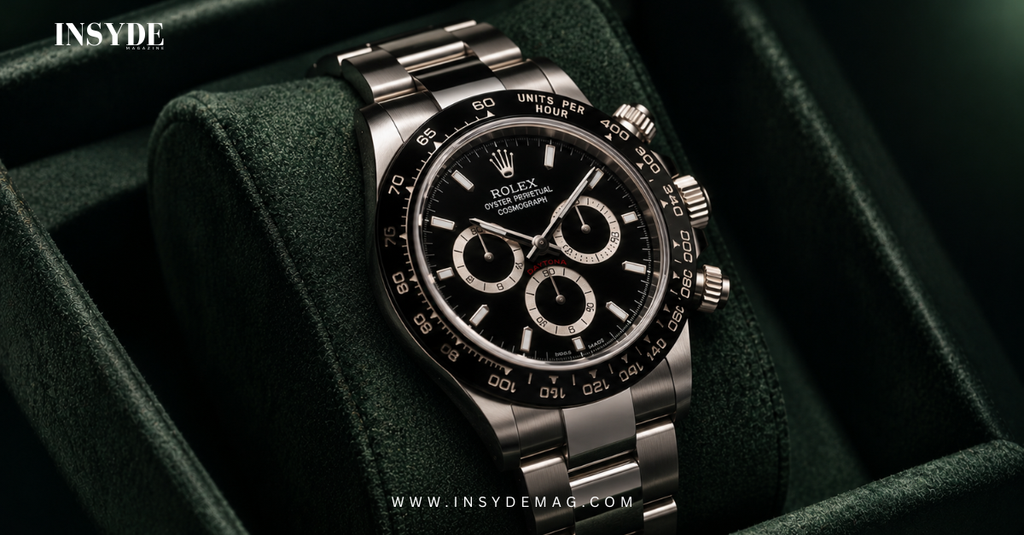
    But the high-roller economy is more complicated than the image of wealthy individuals casually placing million-dollar bets.

    Operators assess customers according to their expected value, wagering activity, profitability and risk. High betting volume does not necessarily mean high profitability. Actual gaming outcomes can vary, and generous incentives carry costs.

    The economics of VIP customers have also changed in important markets. In Macao, for example, the traditional junket-driven VIP model has faced tighter regulation and a structural shift towards mass-market gaming.

    The era in which casino growth could be explained primarily through a small number of wealthy international gamblers has given way to a more diversified customer base.

    5. MACAO AND THE CHANGING ECONOMICS OF GAMING

    Macao remains one of the most important casino markets in the world. Its gaming industry has undergone a significant transformation since the pandemic and subsequent regulatory reforms.

    The International Monetary Fund’s 2026 assessment of the Macao Special Administrative Region reported that gross gaming revenue increased by 9.1% in 2025, reaching approximately 85% of its 2019 level.

    More importantly, the composition of that revenue has changed.

    According to the IMF, mass-market gaming accounted for 73% of total gross gaming revenue in 2025. In the first half of 2026, overall GGR expanded by a further 6.9% year on year.

    The VIP segment showed some signs of recovery, but its share remained comparatively low following changes to the regulatory framework governing junket operators.

    Read the IMF’s 2026 assessment of Macao’s gaming-sector transformation.

    This is a significant development for the global casino business.

    Mass-market gaming refers broadly to customers outside the traditional VIP segment. Individually, their wagers may be smaller, but collectively they can represent a substantial and more diversified source of revenue.

    For operators, this can reduce dependence on a narrow group of high-value customers. It also changes how resorts approach marketing, hospitality, gaming capacity and customer experience.

    The shift is not simply about attracting more visitors. It is about building a more resilient revenue base across different types of customers.

    Macao’s evolution suggests that the future of casino economics may not be built exclusively around the biggest bets. It may increasingly depend on attracting a broader base of visitors who combine gaming with hotels, shopping, dining and entertainment.

    6. WHY CASINOS INVEST SO MUCH IN THE CUSTOMER EXPERIENCE

    The casino floor is only one part of the business. The experience surrounding it is an important commercial instrument.

    Luxury suites, premium restaurants, personalised service, live entertainment and exclusive access can all influence where customers choose to spend their time.

    In a highly competitive market, the quality of the resort can become a differentiator. Two casinos may offer similar games, but their hospitality, location, service standards and entertainment programmes can make their overall propositions very different.

    This is particularly relevant to customers who have the financial means to choose between destinations.

    A premium guest may value privacy, convenience, service and access as much as the gaming itself. For these customers, the resort is not simply a place to gamble. It is a destination where multiple aspects of leisure and luxury are brought together.

    The economics extend beyond the individual guest. A successful entertainment event can bring visitors into a city, increase hotel occupancy, generate restaurant demand and support wider tourism activity.

    The relationship between casinos and luxury hospitality is therefore mutually reinforcing. Gaming can attract visitors, while hospitality and entertainment can make a destination attractive to people who might otherwise have little interest in gambling.

    The latest operating figures from MGM provide a useful illustration of this interconnected model. In the third quarter of 2026, its Las Vegas Strip resorts generated US$2 billion in revenue, with casino revenue of US$488 million and room revenue of US$622 million. The property portfolio therefore earns money through several different parts of the visitor experience.

    See MGM’s published third-quarter operating figures.

    7. THE RISKS BEHIND THE GLAMOUR

    For all its commercial sophistication, the casino business is exposed to risks that are not always visible from the gaming floor.

    Gaming revenue is volatile. A casino’s actual winnings can differ from its theoretical expectations over a particular period. A run of unusually favourable results for customers can affect a property’s reported performance, even when the underlying volume of play remains healthy.

    The industry is also heavily regulated. Operators must comply with licensing requirements, customer identification procedures, anti-money-laundering rules, financial reporting obligations and responsible-gambling standards.

    These requirements are essential to maintaining the integrity of the sector. Casinos handle substantial financial flows and must manage risks involving fraud, financial crime and the misuse of gaming facilities.

    There is also a significant human cost that cannot be separated from the business.

    Gambling can be a form of entertainment for some customers, but it can also cause serious financial and psychological harm. Problem gambling can affect individuals, families and communities, particularly when customers lose control over their spending or attempt to recover losses through further betting.

    The industry therefore faces a difficult balance: it must attract customers and encourage engagement while operating within responsible-gambling safeguards and legal requirements.
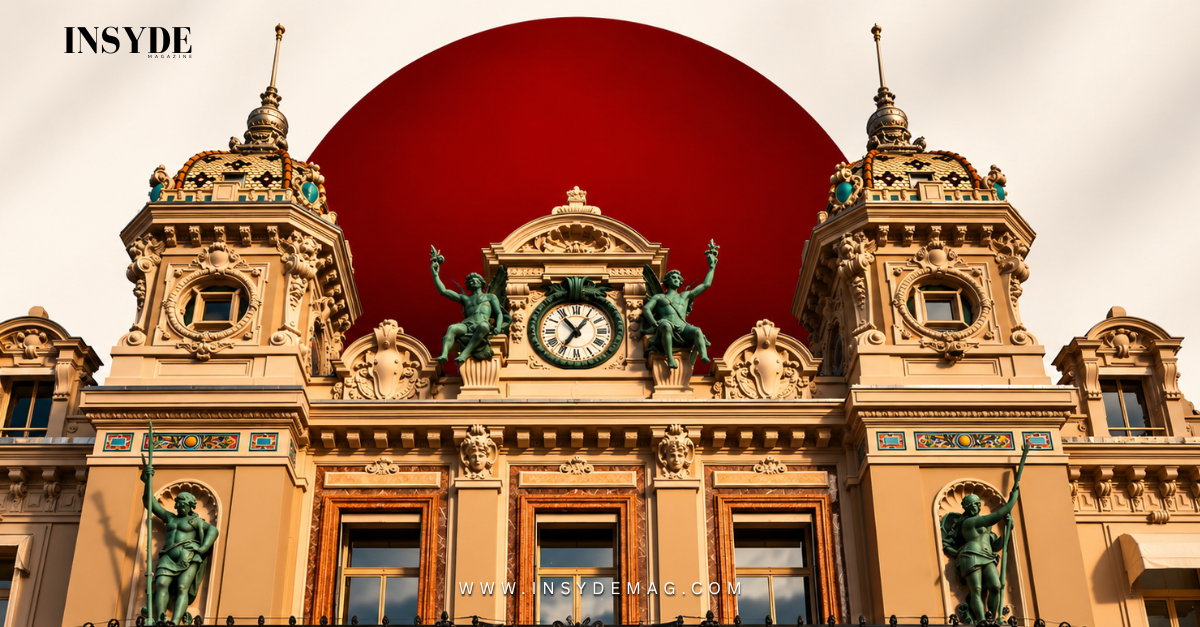
    The glamour of the casino environment should not obscure the risks associated with the activity that takes place inside it.

    8. THE FUTURE OF THE BILLION-DOLLAR HOUSE

    The next phase of the casino industry is likely to be shaped by diversification, technology, regulation and the changing expectations of customers.

    Integrated resorts will continue to compete through hospitality, entertainment, retail and premium experiences. Gaming will remain central to the business, but the ability to attract a wider audience may become increasingly important.

    Technology is also changing how operators understand their customers. Digital loyalty systems, customer analytics, payment infrastructure and data-driven marketing can help companies personalise services and manage operations more efficiently, subject to applicable privacy and regulatory requirements.
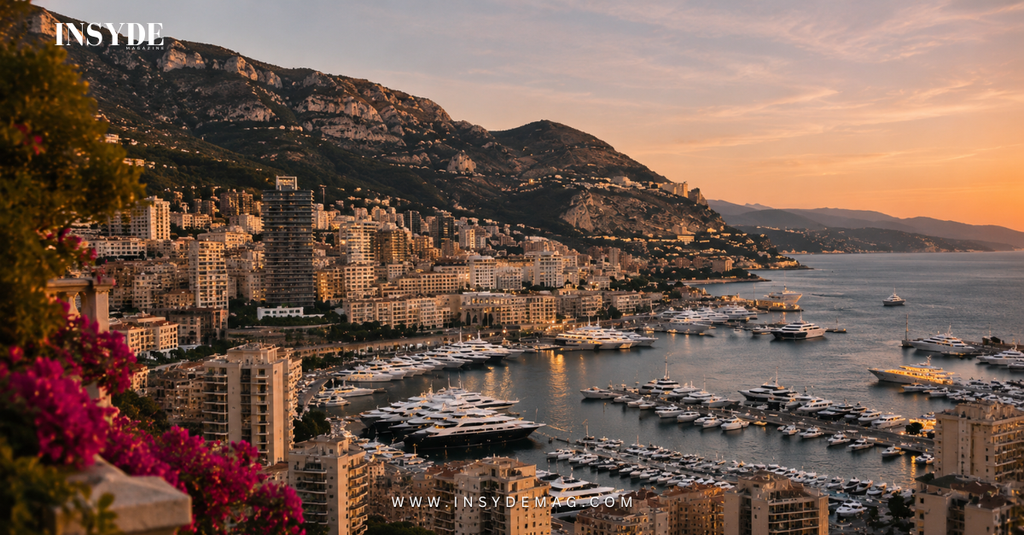
    At the same time, operators must navigate changing rules around online gaming, financial transactions, customer protection and the movement of money across borders.

    The industry is also becoming more conscious of the risks associated with depending too heavily on a small number of VIP customers. Macao’s shift towards mass-market gaming offers an important example of how regulatory changes and market conditions can reshape the economics of an entire destination.

    The future casino may look increasingly like a luxury entertainment resort with gaming at its centre — rather than a traditional gambling hall with a hotel attached.

    But the underlying principle will remain the same: the operator must create an experience that attracts customers, manages risk and generates sustainable returns.

    THE HOUSE IS A BUSINESS, NOT A GAME

    The casino industry has built an extraordinary commercial model around one of the oldest human impulses: the willingness to take a risk for the possibility of a reward.

    Its success, however, cannot be explained by gambling alone.

    The largest operators combine mathematics with hospitality, customer data with personalised service, and gaming floors with some of the world’s most ambitious entertainment destinations. They understand that a visitor can generate value in more ways than one — through a hotel stay, a restaurant reservation, a retail purchase, an event or a wager.

    The financial results of Las Vegas Sands, MGM Resorts and Wynn demonstrate both the scale and complexity of the business. Their revenues run into billions, but profitability remains dependent on operating performance, market conditions and the unpredictable nature of gaming outcomes.

    Meanwhile, Macao’s shift towards mass-market gaming suggests that the industry’s future may be less dependent on a small circle of high rollers than its glamorous reputation would suggest.

    Casinos have mastered the art of turning probability into a business, but their most important asset may be something less obvious: the ability to create an experience that brings people through the doors and gives them reasons to return.

    Because the biggest business in a casino is not necessarily the game being played. It is the entire world built around the decision to play.

    INSYDE Magazine — No.1 Luxury Magazine In Bengaluru

    Luxury. Culture. The People Shaping What Comes Next.

  • UBSOUND: AN ARCHITECTURE OF SOUND

    UBSOUND: AN ARCHITECTURE OF SOUND

    Where acoustic precision meets Italian design and the aesthetics of modern living.

    INSYDE EXCLUSIVE

    In contemporary luxury, the objects that occupy our homes are increasingly expected to do more than serve a function. They are considered through the language of material, proportion, craftsmanship and personal expression. Sound, once largely the domain of technical specifications and dedicated listening rooms, is becoming part of this wider conversation about how we design and experience the spaces in which we live.

    For Italian high-end audio house UBSOUND, this intersection is central to its approach. Founded in Milan in 2011, the company has developed a philosophy around two connected ambitions: the pursuit of natural sound reproduction and the creation of loudspeakers treated with the care of an artisanal object.

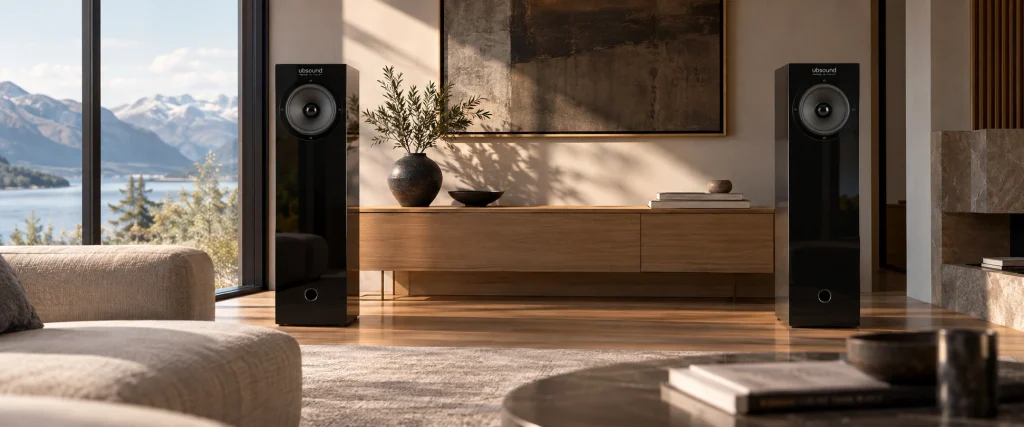
    Its F85 floorstanding loudspeaker brings those ambitions into focus. Built around a single full-range driver, supported by the company’s proprietary HDNSS technology and presented in a carefully finished cabinet, the F85 is conceived not only as an audio component but also as an object with a considered architectural presence.

    Yet the more interesting story lies beyond the product itself. Through the perspectives of UBSOUND CEO Marzio Gasparro and Italian architect Flora Profeta, the F85 becomes a study in how sound, engineering and interior design can be approached as parts of the same experience.

    THE PURSUIT OF A MORE NATURAL SOUND

    At the heart of UBSOUND’s philosophy is a particular idea of fidelity: music should be reproduced without unnecessary intervention, preserving the character of the original recording rather than imposing an artificial signature upon it.

    For Marzio Gasparro, the company’s founder and CEO, this pursuit has always been accompanied by a commitment to craftsmanship. He describes the original philosophy as resting on two principles: creating a loudspeaker capable of delivering authentic, natural sound, and producing it with the dedication associated with an artisanal musical instrument.

    “The first is a constant pursuit of creating a loudspeaker capable of delivering an authentic and truly natural sound, free from filtering or unnecessary emphasis on specific sound frequencies,” Gasparro explains.

    The second principle is equally important. UBSOUND’s approach, he says, is centred on crafting a product that is “entirely handmade with the same passion one would dedicate to creating an artisanal music instrument.”

    It is a position that places the listening experience ahead of spectacle. Rather than treating sound as an opportunity for exaggerated bass, heightened treble or a deliberately coloured presentation, the company’s stated objective is to preserve tonal coherence and the emotional character of music.

    That philosophy informs the F85’s central acoustic architecture.

    A DIFFERENT APPROACH TO LOUDSPEAKER DESIGN

    The F85 uses a single, independent 21-centimetre full-range dynamic driver, operating without a crossover or filter between the loudspeaker and the amplifier. In conventional multi-driver loudspeaker designs, crossovers divide the audio signal into frequency ranges and direct them to different drivers. UBSOUND has chosen a different route, placing the emphasis on a single driver reproducing the full frequency range.

    For Gasparro, this architecture is fundamental to the company’s pursuit of natural reproduction.

    “It took more than 3 years of engineering design and many prototypes to create the F85s,” he says, describing the development process behind the loudspeaker.

    The design is paired with UBSOUND’s proprietary HDNSS — High Definition Natural Sound Signature technology, integrated within the wooden cabinet. According to the company, the system is designed to manage internal resonances, control passive sound waves and absorb unwanted vibrations through its engineering approach.

    The intention is to support a coherent soundstage while reducing unwanted cabinet-related interference. These are UBSOUND’s stated design objectives rather than independently verified performance conclusions, but they help explain the thinking behind the product’s construction.

    The F85’s published specifications include a frequency response of 26 Hz–22 kHz, sensitivity of 90 dB and nominal impedance of 8 ohms. Together, these figures provide a technical starting point for understanding the loudspeaker’s operating range and amplifier compatibility. As with any high-end audio system, however, real-world performance also depends on the amplifier, room acoustics, speaker placement and listening environment.

    For UBSOUND, arriving at the intended sound was not a matter of a single engineering breakthrough. It required a prolonged process of development and listening.

    Gasparro reports that the F85 underwent more than 600 listening sessions across anechoic, semi-anechoic and domestic environments. Dozens of prototypes were modified throughout the process, with the company refining the design until it reached the tonal character it had set out to achieve.
    The number is significant not simply for its scale, but for what it suggests about the development philosophy: a loudspeaker is not finished when its technical architecture is established. It must also be evaluated in the conditions in which people will actually listen to it.

    THE FINISHING TOUCH: ITALIAN CRAFT AND AUTOMOTIVE INFLUENCE

    A loudspeaker’s acoustic architecture may determine how it performs, but its physical presence determines how it lives within a room. UBSOUND’s treatment of the F85 cabinet reflects an awareness that, in considered residential environments, finish and material are not incidental details.

    Gasparro draws a connection between the company’s approach to surface finishing and Italy’s relationship with luxury automotive design. The influence is visible in the production process, which uses techniques associated with professional automotive painting.

    According to Gasparro, each cabinet receives two coats of primer, followed by five coats of paint applied in a professional automotive spray oven. Two coats of high-gloss clear finish are then applied before the surface is manually polished.

    The process is intended to create a refined, durable finish while allowing a high degree of personalisation. Alongside glossy black and white, UBSOUND offers the possibility of bespoke colours selected through automotive paint codes. A client can therefore choose a shade that relates to a particular vehicle, material palette or interior scheme.

    “By finishing our loudspeaker cabinets using an automotive painting process, we offer the consumers the freedom to choose any color they desire,” Gasparro says.

    It is a detail that moves customisation beyond a conventional choice between a small number of standard finishes. Colour becomes part of the relationship between the object and its surroundings.

    The same attention extends to the F85’s supporting details. A front bass-reflex port, anti-vibration feet, removable magnetic grille and dedicated protective covers form part of the overall design. Gasparro views these components as elements of the ownership experience rather than accessories to be considered separately.

    “When creating a loudspeaker — viewing it also as a piece of luxury interior decor — every single detail, from design to materials, makes a huge difference in the final result,” he explains.

    The distinction matters. In a product intended to occupy a prominent position in a living space, the quality of the finish, the usability of its components and the coherence of its design all contribute to how it is experienced over time.

    WHEN A LOUDSPEAKER BECOMES AN ARCHITECTURAL OBJECT

    The F85’s visual identity is perhaps best understood through the perspective of Flora Profeta, the Italian architect whose contribution brings a spatial and compositional dimension to the story.

    Where Gasparro approaches the loudspeaker through sound reproduction and engineering, Profeta considers its relationship with the room. Her perspective begins with a broader shift in residential design: technology is no longer necessarily something to conceal. It can become an integral part of the architectural composition, provided its form, dimensions, materials and placement are considered carefully.

    “In recent years, technology has increasingly become an integral part of residential interior design, rather than something to be concealed,” Profeta observes.

    For her, the F85 is interesting because of its geometry. Its form is built around a relationship between two simple visual elements: a strong vertical line and a circle.

    The cabinet establishes the vertical axis, drawing the eye upwards and giving the object a sense of height. The circular driver creates a focal point within that composition. Their relationship, Profeta explains, gives the loudspeaker a visual identity that is clear without depending on decorative complexity.

    Rather than treating the F85 as a technical object placed into an already completed interior, she sees it as an element capable of contributing to the room’s overall character.

    Its finish plays an important role in that relationship. A bespoke colour can make the loudspeaker a deliberate visual feature, or allow it to sit more quietly alongside the furniture, materials and surrounding palette. The object’s presence is therefore not fixed; it can be shaped by the architectural environment in which it is placed.

    This is where the title of the story finds its meaning. Architecture is not simply an aesthetic reference for the F85. It is a way of thinking about the relationship between an object, its proportions and the space around it.

    THE ROOM IS PART OF THE SOUND

    There is, however, a distinction between designing a loudspeaker that looks at home in an interior and designing an interior that supports the loudspeaker’s performance.

    Profeta is clear that the latter cannot be treated as an afterthought. A room is an active part of the listening experience. Furniture, surfaces and materials can influence sound reflections and reverberation, affecting how audio is perceived.

    For architects and interior designers, this means that the position of a loudspeaker is only one part of a much larger consideration. The materials surrounding it, the arrangement of furniture and the acoustic character of the room all deserve attention.

    “Acoustic considerations should never be treated as secondary to the architectural design,” she says.

    Her argument is that sound and spatial planning should develop together, rather than being addressed in separate stages. A listening environment should be considered as a complete composition in which acoustic performance, functionality and visual harmony are given equal importance.

    This perspective also helps explain why UBSOUND collaborates with architecture studios on residential projects and hospitality environments. Gasparro says the company’s work extends to luxury homes, hotel suites and yacht interiors — settings where audio equipment must satisfy both performance expectations and the demands of a carefully considered design scheme.
    The relationship is increasingly relevant to contemporary homes, where clients have access to a wider range of architectural references and design ideas than ever before. Profeta believes this exposure has made homeowners more informed and selective, with greater attention paid to an object’s quality, functionality and suitability for its environment.

    The result is a more integrated understanding of luxury living. Technology is expected to perform, but it is also expected to belong.

    THE PEOPLE BEHIND THE PHILOSOPHY

    The perspectives behind the F85 come from two different professional backgrounds, brought together by a shared interest in the relationship between performance and design.

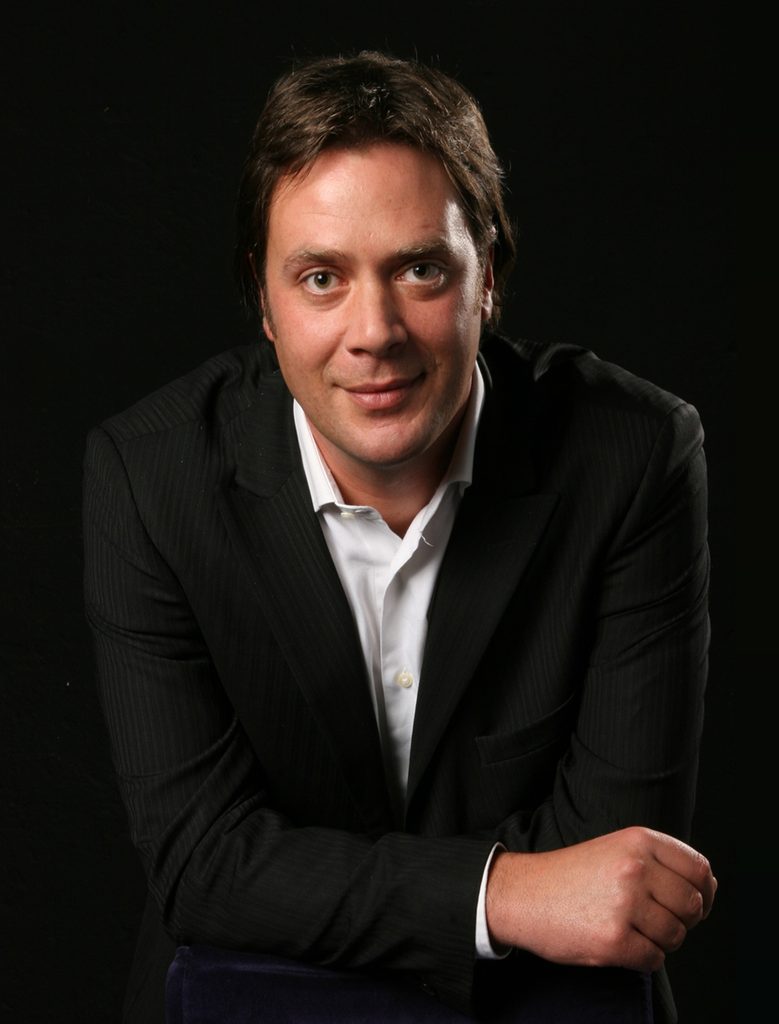
    Marzio Gasparro — Founder and CEO, UBSOUND

    Born in 1974, Marzio Gasparro brings more than 25 years of experience in sales, marketing and business management across advertising, consumer electronics and audio. Before founding UBSOUND in Milan in 2011, he held senior management positions in international companies, including serving as Country Manager and Managing Director of Parrot Italy, a technology company specialising in wireless communication and drone systems.

    Driven by a longstanding interest in music and high-fidelity audio, he established UBSOUND with the ambition of developing loudspeakers focused on natural sound reproduction, acoustic coherence and Italian craftsmanship. Today, he leads the strategic development of the UBSOUND Group and the evolution of its HDNSS technology and international presence.

    Flora Profeta — Italian Architect

    Flora Profeta is an Italian architect and graduate of Politecnico di Milano. She holds a bachelor’s degree in Architectural Sciences and a master’s degree in Architectural Design, specialising in Interior Architecture, which she completed with honours. A licensed architect, her work focuses on the relationship between architectural composition, materials, proportions and the integration of design elements within residential spaces.

    Her approach emphasises visual harmony and the consideration of individual objects as part of a coherent architectural environment. In the context of the F85, this perspective offers a design-led reading of how high-end audio can contribute to the character of a contemporary interior.

    UBSOUND AND THE INDIAN MARKET

    UBSOUND’s next chapter includes a more direct presence in India, a market the company identifies as important to its international ambitions.

    Through its partnership with IIT – Innovative Information Technology Pvt. Ltd., the F85 is expected to become available in India around February 2027. The company has indicated an expected retail price of ₹30 lakh–₹35 lakh, depending on the selected colour finish.

    The loudspeakers are expected to be offered through IIT’s distribution network, including showrooms in Mumbai and Bengaluru, alongside specialist Hi-Fi retailers. Availability, pricing and listening-session arrangements should be confirmed directly with the distributor as the launch approaches.

    For Gasparro, India represents more than another distribution destination. He describes the market as being of fundamental importance to UBSOUND and says the company is laying the groundwork to develop greater brand awareness. He also points towards further projects in the pipeline, with future innovation expected across both sound and design.

    For a brand whose identity is built around the relationship between engineering and aesthetics, the Indian market offers an opportunity to engage not only with audio enthusiasts but also with architects, interior designers and clients interested in the role technology plays within contemporary living spaces.

    A MORE CONSIDERED WAY TO LISTEN

    The F85 is an expression of a particular ambition: to bring acoustic engineering and design sensibility into a single object. Its full-range driver and HDNSS technology reflect UBSOUND’s pursuit of natural sound, while its automotive-inspired finishes and geometric form position it within a broader conversation about the design of contemporary interiors.

    Whether that ambition is ultimately realised in a listening room is something that can only be judged through an actual listening experience, in the context of a carefully matched system and environment. But the thinking behind the product offers a compelling perspective on how high-end audio is being approached by a new generation of design-conscious homeowners and specialists.

    For Gasparro, the loudspeaker remains an instrument dedicated to music. For Profeta, it is also an architectural element, defined by proportion, material and its relationship with space.

    Between those perspectives sits the idea that gives the F85 its identity: sound need not be separated from the environment in which it is experienced. It can be engineered, shaped and considered as part of the architecture of living.

    And perhaps that is where the next conversation about luxury audio begins — not only with what we hear, but with how thoughtfully the experience is designed.


    UBSOUND F85 — AT A GLANCE

    • Brand: UBSOUND
    • Founded: 2011, Milan, Italy
    • Product: F85 high-end full-range floorstanding loudspeaker
    • Driver architecture: Single 21 cm full-range dynamic driver, without a crossover
    • Technology: HDNSS — High Definition Natural Sound Signature
    • Frequency response: 26 Hz–22 kHz
    • Sensitivity: 90 dB
    • Nominal impedance: 8 ohms
    • Finishes: Glossy black and white, with bespoke colour options
    • India availability: Expected around February 2027
    • Indicative India retail price: ₹30 lakh–₹35 lakh, depending on finish
    • Indian distribution: IIT – Innovative Information Technology Pvt. Ltd.
    • Official website: www.ubsound.com
    • India distributor: www.iitav.com

    Product specifications, development figures, technology descriptions and India market information in this feature are based on information supplied by UBSOUND. The F85’s performance claims have not been independently tested by INSYDE. India pricing and availability are indicative and subject to confirmation by the distributor.

    INSYDE EXCLUSIVE

    An original conversation with Marzio Gasparro, Founder and CEO of UBSOUND, and Flora Profeta, Italian Architect.

    Editorial and photography materials supplied by UBSOUND.

    INSYDE MAGAZINE – The Leading Luxury Magazine In Bengaluru

  • THE GAME OF KINGS

    THE GAME OF KINGS

    Inside the Business of Polo, Wealth and the World’s Most Exclusive Sporting Circle

    Polo has long been associated with royalty, aristocracy and extraordinary wealth. But behind its manicured fields and international tournaments lies a sophisticated business of equine assets, private patronage, elite club memberships and luxury hospitality. For the ultra-wealthy, polo represents something more than a sport: it is an investment in access, heritage, relationships and a particular way of life.


    There are few sporting environments where the distinction between competition and privilege is quite as visible as polo.

    A field stretches across an immaculate landscape. Horses accelerate beneath riders dressed in traditional whites, mallets raised as they pursue a small ball at extraordinary speed. Around the boundary, the atmosphere is considerably more composed. Private hospitality, tailored clothing, champagne receptions and conversations between business leaders, patrons and established families form part of the occasion.

    It is a sport in which the horse is an athlete, the player is a specialist, the patron is often the financier and the club is an institution.

    For centuries, polo has carried the reputation of the Game of Kings. Its history connects Persian royal courts, Indian kingdoms, British aristocracy and the international sporting circles of modern wealth.

    But its contemporary significance goes beyond heritage.

    Polo operates within a distinctive luxury economy. Its financial structure brings together horse ownership, breeding, training, private club memberships, tournament patronage, sponsorship, hospitality and international equestrian services. Unlike mainstream professional sports, its value is not concentrated in broadcast contracts or mass-market ticket sales. Much of it exists within private transactions and relationships that are rarely visible to the public.

    For the ultra-high-net-worth individual, this is precisely what makes polo interesting.

    It offers an opportunity to participate in a world where financial resources alone are not the entire proposition. Knowledge of horses, access to established institutions, sporting ability and relationships with patrons and players all carry their own value.

    The question is not simply why polo is expensive.

    It is why some of the world’s wealthiest individuals continue to spend substantial amounts of money to be part of it.

    THE ORIGINS OF A ROYAL SPORT

    Polo’s history stretches back centuries, long before the modern sporting institutions that govern it today.

    Early forms of mounted ball games developed across Persia and Central Asia. These games tested horsemanship, coordination and military skill, eventually becoming associated with royal courts and aristocratic culture.

    The sport subsequently travelled across regions, developing different traditions and local identities.

    India occupies a particularly important position in this history.

    In Manipur, the traditional game is known as Sagol Kangjei. The Mughal world also embraced mounted polo, referring to it as Chaugan. These traditions existed long before British officers encountered the game in the nineteenth century.

    The development of modern international polo was significantly influenced by the Indian experience. British officers and tea planters encountered the Manipuri version and helped introduce organised clubs and formal rules.

    The Calcutta Polo Club traces its establishment to 1862 and is recognised as one of the world’s oldest surviving polo clubs. Its historic Ezra Cup, first played in 1880, remains part of the sport’s heritage.

    The Indian Polo Association, established in 1892, became an important institution in the organisation of the game in India.

    From the subcontinent, modern polo spread into the British sporting world and subsequently developed strong traditions in Argentina, the United States and other international markets.

    Its association with royalty and aristocracy gave polo its identity. Its continued existence, however, has depended on a network of private patrons, clubs, breeders and sporting institutions.

    The title Game of Kings is therefore not simply a reference to expensive horses or exclusive membership. It reflects a history in which power, patronage and horsemanship have been closely connected.

    THE ECONOMICS OF A HORSE

    To understand the financial structure of polo, begin with its most important asset: the horse.

    In many sports, the athlete’s physical ability is the primary competitive investment. In polo, the relationship between rider and horse is fundamental to performance.

    A polo pony must possess speed, agility, responsiveness, balance and the temperament to perform in a physically demanding environment. Its training and suitability can influence a player’s performance as much as the player’s own technical ability.

    A competitive player also needs access to multiple horses. Matches are divided into periods known as chukkas, and horses are rotated to manage fatigue and maintain performance.

    This creates an unusual financial commitment.

    Owning a polo pony is not a one-time purchase. It involves feeding, veterinary treatment, farriery, grooming, conditioning, training, transport, stabling and insurance. For serious players, these costs multiply across an entire string of horses.

    What does a polo pony cost?

    There is no universal international price index for polo horses. Their value depends on breeding, age, training, temperament, competition history and performance.

    However, figures published by Business Standard in November 2025, citing the honorary secretary of the Indian Polo Association, provide a useful India-specific reference.

    The reported estimates were:

    Type of horseIndicative price in India
    Beginner-level ponyApproximately ₹1 lakh
    Trained polo pony₹10–20 lakh
    High-performance imported pony₹25 lakh and above

    A separate market-cost breakdown in the same report placed the purchase price of a trained polo pony at approximately ₹8–50 lakh and above, depending on its quality and training.

    These are reported market estimates, not fixed prices or an official valuation schedule. The difference between the ranges reflects the variation in the quality and competitive ability of individual horses.

    The financial commitment extends considerably further.

    According to the same Business Standard report on polo’s Indian luxury economy, the indicative costs include:

    ExpenseReported Indian market range
    Polo lessons₹5,000–₹15,000 per session
    Monthly riding membership₹40,000–₹1.2 lakh
    Horse lease₹80,000–₹3 lakh per month
    Polo mallet₹15,000–₹60,000
    Riding boots and equipment₹50,000–₹2 lakh+
    Tournament fees and stabling₹2–15 lakh per season

    The figures are not universal tariffs and should be treated as reported market estimates. Actual costs depend on the club, horse, playing level and competition arrangements.

    For an affluent individual, the difference between buying a horse and maintaining a competitive string is significant.

    A single trained pony may cost tens of lakhs. A serious playing operation requires multiple horses, professional care and ongoing expenditure.

    The purchase is only the beginning. The real financial commitment is ownership over time.

    THE PRIVATE ECONOMY OF HORSE OWNERSHIP

    At the highest levels of polo, horse ownership becomes a specialised form of asset management.

    The best horses are valued for their performance, training and competitive suitability. Their prices are not determined by a standard commodity market. Two horses of similar age may command very different prices depending on breeding, ability, temperament and playing history.

    Argentina has become particularly influential in this economy.

    Its reputation for breeding and training competitive polo horses has helped establish the country as one of the world’s most important equestrian centres.

    The country’s government reported that Argentina exported 2,905 live horses worth US$20.7 million between January and November 2025, representing a 4% increase in the number of horses exported and a 9% increase in export value compared with the same period in 2024.

    The exports reached 38 international destinations. The United States, United Kingdom and United Arab Emirates accounted for more than 57% of the export value.

    These figures cover the wider equine industry, including polo, racing and other equestrian activities. They should not be interpreted as polo-only exports.

    Nevertheless, the data illustrates the international commercial importance of Argentina’s horse-breeding and equestrian ecosystem.

    The Argentine government’s January 2026 export report also makes an important distinction: live horses are not traded like ordinary commodities. Their value depends on individual genetics, sporting history, training and intended use.

    For wealthy polo patrons, this is a different kind of ownership.

    A horse is not simply a luxury possession. It is a living sporting asset requiring expertise, capital and continuous management.

    The financial relationship also extends beyond the owner. Breeders, trainers, veterinarians, farriers, grooms, transport companies and specialist equestrian suppliers all participate in the value chain.

    The horse may be the visible star of the sport, but an entire professional economy exists behind it.

    WHAT DOES IT COST TO ENTER THE WORLD OF POLO?

    Polo’s reputation for exclusivity is often discussed without distinguishing between learning the sport, becoming a club member and competing at an international level.

    These are very different financial propositions.

    Published club tariffs offer a more concrete understanding of the range of access available.

    Calcutta Polo Club: Access in India

    The Calcutta Polo Club’s published membership schedule provides several examples of the financial structure of a historic Indian polo institution.

    Its published programmes include:

    Membership categoryPublished entrance feeValidity
    Corporate membership₹1,50,000One year
    Life membership₹5,00,000Lifetime
    Pullu membership₹10,00,000Lifetime

    The corporate membership permits the organisation to nominate up to ten employees on a month-to-month basis, subject to the club’s terms.

    Life membership is listed with no monthly subscription, while Pullu membership carries a monthly subscription of ₹450.

    These are the club’s published figures and are subject to its membership conditions. They are not representative of every polo club in India, nor do they include the complete cost of competitive participation.

    Nevertheless, they illustrate how membership can provide a route into the sport’s institutional environment without requiring immediate ownership of an expensive horse.

    Guards Polo Club: Access to Britain’s elite circuit

    At the international end of the spectrum, Guards Polo Club, located in Windsor Great Park, offers a different picture of polo membership.

    Its published playing-membership schedule lists:

    Membership categoryPublished joining fee
    Patron£46,800
    Home Elected Player£13,000
    Overseas Home Elected Player£8,925

    The Home Elected Player category provides eligibility to participate in domestic tournaments, club matches and chukkas, subject to the club’s rules and membership conditions.

    Prospective playing members must be recommended by an existing playing member and interviewed by the Director of Polo and Chairman.

    The club hosts more than 600 matches during a season and offers access to several grounds, stabling, grooms’ accommodation, training opportunities and hospitality facilities.

    This is an important distinction between ordinary membership and participation in a prestigious international polo institution.

    The financial commitment is not simply an entrance fee. It is access to a sporting network, competitive opportunities and facilities that have been developed over decades.

    For the ultra-wealthy, the appeal is not necessarily the price itself. It is the combination of sporting access, institutional heritage and relationships that membership can facilitate.

    THE PATRON: WHERE WEALTH MEETS THE SPORT

    Polo has a financial structure unlike that of most mainstream professional sports.

    In football, commercial revenues are increasingly generated through broadcasting, ticketing, merchandise, sponsorship and club ownership.

    Polo has historically depended more heavily on private patrons.

    A patron may finance a team, provide horses, support player arrangements and cover the operational requirements of competing in tournaments.

    This makes the patron a particularly important figure in the sport’s business model.

    In some cases, team participation represents a significant personal sporting commitment. In others, it can become an expression of family identity, business association or personal prestige.

    For an ultra-high-net-worth individual, supporting a polo team can offer several forms of value:

    • Sporting participation: The opportunity to compete or support a team in a demanding international sport.
    • Personal identity: A connection to a particular club, team or sporting tradition.
    • Relationships: Opportunities to interact with patrons, players, club members and business leaders.
    • Hospitality: A platform for entertaining family, friends, clients and business associates.
    • Legacy: An opportunity to support the sport, its institutions and the next generation of players.

    It is important not to confuse these benefits with a guaranteed financial return.

    There is no standard published return on investment for polo-team patronage. The costs and arrangements differ between teams and competitions, and many transactions are private.

    For most patrons, the proposition is not conventional investment. It is an expenditure on sporting participation, experience, relationships and identity.

    That distinction is essential to understanding why the sport continues to attract wealthy individuals.

    THE LUXURY VALUE OF A POLO CLUB

    A prestigious polo club is more than a sporting address.

    It is a carefully maintained environment built around land, equine infrastructure, competition, membership and hospitality.

    The playing fields require maintenance. The stables require specialist staff. The horses require care. The competition calendar requires organisation.

    But the club’s value also extends into the social environment it creates.

    At Guards Polo Club, membership includes access to multiple grounds, regular chukkas, club tournaments, stabling and opportunities for family and guest hospitality.

    The club’s playing-membership information describes more than 600 matches in a season, access to its grounds and opportunities to play at prestigious polo clubs internationally.

    For a wealthy member, this can represent a valuable combination of sporting and social access.

    The club becomes a place where people meet repeatedly, share a sporting interest and develop relationships over time.

    This is an important part of the economics of exclusivity.

    Luxury is often associated with products that can be purchased. Polo offers access to an environment that cannot be replicated simply by buying a watch, car or piece of clothing.

    The institution, its history, its membership and its sporting culture are part of the experience.

    WHY LUXURY BRANDS WANT TO BE SEEN AT POLO

    Polo has developed a natural relationship with luxury companies.

    The sport’s identity is already associated with craftsmanship, heritage, performance and exclusivity. Those qualities align with the positioning of many premium brands.

    Luxury watchmakers, fashion houses, automotive companies, hotels and lifestyle businesses can use polo as a platform for more than conventional advertising.

    They can create private hospitality programmes, invite clients to tournaments, introduce products in an exclusive environment and associate their names with a recognised sporting tradition.

    Cartier and the power of long-term association

    The Cartier Queen’s Cup at Guards Polo Club is a strong example.

    In 2026, Cartier celebrated its 14th year of sponsorship of the high-goal tournament.

    That longevity is commercially significant. It demonstrates how a luxury house can maintain a relationship with a sporting institution whose values and audience complement its own.

    The official 2026 Cartier Queen’s Cup tournament page describes the competition as one of the club’s leading tournaments, bringing together top players and significant equine talent.

    For Cartier, the relationship is not simply about advertising around a match. It is an association with an established sporting culture.

    India’s luxury polo partnerships

    India is developing its own commercial relationships around the sport.

    The Jaipur Polo Team’s partnership with Johnnie Walker Luxe during the 2025–26 season connected the brand with tournament experiences and the Indian polo environment.

    The Leela has also associated its luxury hospitality positioning with Jaipur polo through its relationship with the Maharaja Sawai Man Singh Polo Cup.

    These partnerships show how polo can create value across several commercial categories:

    • Luxury hospitality and private client experiences.
    • Premium brand activations.
    • Corporate entertaining and relationship-building.
    • Fashion, tailoring and equestrian lifestyle partnerships.
    • Destination marketing and hotel experiences.
    • Exclusive events and private networking.

    For brands targeting affluent consumers, the advantage is not necessarily the size of the audience.

    It is the relevance of the audience and the quality of the experience.

    THE INTERNATIONAL BUSINESS OF POLO

    Polo’s international ecosystem is spread across several established centres.

    Argentina is influential in high-goal competition and equine breeding. England remains closely associated with historic clubs and prestigious summer tournaments. The United States has developed a major professional circuit, particularly around Wellington, Florida. The UAE has combined polo with luxury hospitality, destination experiences and international sporting events.

    The Federation of International Polo currently lists 86 national association members.

    That figure demonstrates the sport’s international institutional network. It should not be interpreted as 86 equally developed professional polo markets, since the Federation classifies associations according to different levels of development and membership status.

    At the elite level, tournaments are important commercial platforms.

    The 2026 U.S. Open Polo Championship brought together 11 teams as part of the Gauntlet of Polo series. Its final, played on 26 April 2026, featured international players and received broadcast exposure through ESPN platforms and international distribution.

    The United States Polo Association’s official tournament report highlighted the event’s record crowd and international broadcast reach.

    This demonstrates the opportunity to develop polo beyond its traditional private-club audience while retaining its premium positioning.

    The tournament is the sporting centrepiece. Around it exists a wider experience involving sponsors, hospitality, spectators, players and destination businesses.

    INDIA: A HERITAGE THAT CAN BECOME A BUSINESS ADVANTAGE

    India’s relationship with polo gives the country a particularly strong position within the sport’s global story.

    It is not simply a market importing an aristocratic pastime. India is part of the historical development of modern polo itself.

    The Indian Polo Association continues to organise the sport nationally and publishes seasonal prospectuses and competition information.

    Its 2026 updates include a Bengaluru Polo Season prospectus published on 10 July 2026, alongside activity in Delhi and Jaipur.

    This is particularly relevant to Bengaluru.

    The city has an established business community, an international population and a growing market for premium hospitality and lifestyle experiences. Polo offers a distinctive way to connect sporting culture with that audience.

    The opportunity is not necessarily to transform Bengaluru into an international high-goal destination overnight.

    It is to create a stronger local sporting ecosystem through participation, hospitality, corporate partnerships and greater visibility.

    Jaipur, Delhi and Jodhpur remain important parts of India’s polo landscape, while Bengaluru offers an opportunity to develop a different commercial identity around the sport.

    For India, the long-term opportunity is to connect its historical relationship with polo to a modern luxury economy.

    WHY THE ULTRA-WEALTHY CAN AFFORD POLO

    The cost of polo is often presented as a simple consequence of expensive horses and private clubs.

    The reality is more structural.

    For a high-net-worth individual, the sport requires access to a network of resources: capital, time, facilities, professional support and specialist knowledge.

    A serious player may need multiple horses. Those horses require continuous care. The player needs coaching, training and access to suitable competition. A patron may need to finance a team and its operations.

    These commitments create a barrier that goes beyond the price of a single purchase.

    But the ultra-wealthy are often better positioned to absorb these costs because they can access the infrastructure and professional support required to participate.

    They may own equestrian properties, maintain private stables, employ specialist staff, travel internationally and support teams across multiple seasons.

    In some cases, they can build a long-term sporting relationship around their family, business or personal interests.

    This does not mean that every wealthy individual plays polo, or that every polo patron is a billionaire. Nor does it mean that polo ownership is necessarily a profitable financial investment.

    It means that the sport’s economic structure is particularly suited to people with substantial disposable capital and access to specialist resources.

    For this audience, polo can offer a combination of sporting challenge, private leisure, social relationships and heritage.

    The horse is expensive. The infrastructure is demanding. The experience is difficult to reproduce.

    That is the real source of its exclusivity.

    EXCLUSIVITY AS AN ECONOMIC MODEL

    Polo’s commercial identity raises an interesting question: is exclusivity itself the product?

    Not entirely. The sport must still deliver quality competition, skilled players, well-trained horses and credible institutions.

    But exclusivity influences how the experience is packaged and valued.

    A prestigious club can offer access that is limited by membership. A tournament can create private hospitality environments. A patron can support a team and develop a relationship with the sport that extends across seasons and international destinations.

    For luxury brands, this environment offers a more focused alternative to mass-market advertising.

    For clubs, it creates opportunities to generate revenue from membership, hospitality, facilities and events.

    For patrons, it offers participation in a sporting culture that is defined as much by relationships and tradition as by the result of a match.

    The commercial challenge is to preserve the qualities that make polo distinctive while ensuring the sport remains sustainable.

    That includes responsible horse management, professional veterinary oversight, the development of younger players and opportunities for broader participation.

    The future of polo cannot depend on heritage alone. It must continue to justify the resources required to sustain it.

    THE NEXT GENERATION OF THE GAME

    Polo’s future will be shaped by its ability to attract a new generation of players, patrons and spectators.

    The sport has opportunities to expand through junior programmes, women’s participation, riding academies, digital coverage, international partnerships and more developed spectator experiences.

    The challenge is to make polo more accessible without diluting the sporting standards and equine expertise that define it.

    India has a particularly interesting role to play.

    Its historical relationship with the game, established institutions and modern luxury markets provide a foundation for greater commercial development.

    Bengaluru, Jaipur and Delhi can each contribute to a different part of that story — from new participation and corporate engagement to established tournaments and heritage-led hospitality.

    For the global luxury industry, polo will likely remain attractive because it offers something that is increasingly difficult to manufacture: authenticity.

    Its heritage is real. Its demands are substantial. Its relationship with the horse is fundamental.

    And its appeal cannot be reduced to a sponsorship logo or a fashionable afternoon.

    THE FINAL CHUKKA

    The Game of Kings is not simply a sport for people who can afford expensive horses.

    It is a world built around the resources, institutions and relationships required to sustain a demanding equestrian competition.

    A trained polo pony may cost tens of lakhs. A horse lease can run into lakhs every month. Membership at an established international club can require a substantial financial commitment. Team patronage can involve an entirely different level of private expenditure.

    But these figures explain only the financial barrier.

    The deeper attraction lies in what polo offers beyond the field: sporting participation, heritage, access, international relationships and a social environment shaped over generations.

    For the ultra-high-net-worth individual, the appeal is not necessarily the opportunity to display wealth. It is the ability to participate in a world where wealth can provide access to experiences, institutions and relationships that are not widely available.

    That is why polo continues to occupy a distinctive place in the luxury landscape.

    The kings may have given the sport its name. The patrons sustain its competition. The horses give it its character. And the institutions preserve its heritage.

    In the world of polo, wealth may buy the opportunity to enter the field. But understanding the game is what earns a place within its world.


    INSYDE MAGAZINE – No.1 Luxury Magazine In Bengaluru

    BEYOND THE SPOTLIGHT

    Bengaluru’s premium destination for luxury, culture, business and the people shaping what comes next.

  • INSIDE DUBAI’S WORLD OF ULTRA-LUXURY HOSPITALITY

    INSIDE DUBAI’S WORLD OF ULTRA-LUXURY HOSPITALITY

    Five extraordinary hotels redefining exclusivity, design and the art of being hosted.

    Dubai has mastered the art of making an impression. Its skyline projects ambition, its culinary scene attracts internationally recognised names, and its hospitality industry continues to redefine what a luxury stay can look like. From extraordinary architecture and private-pool villas to destination dining and highly personalised service, the city has transformed the hotel experience into a statement of its own.

    But luxury hospitality is about more than spectacular buildings and lavish interiors. At its highest level, it is an exercise in precision: the atmosphere of a room, the intuitiveness of the service, the quality of the dining and the feeling that every detail has been considered. The strongest hotels do not simply accommodate their guests. They create a world around them.

    Dubai’s tourism performance provides a compelling backdrop to this evolution. According to the Dubai Department of Economy and Tourism, the emirate welcomed 19.59 million international overnight visitors in 2025, marking its third consecutive record-breaking year. Hotel occupancy reached 80.7 per cent, while the average daily room rate rose by 8 per cent to AED 579. Revenue per available room increased by 11 per cent to AED 467.

    The momentum has continued alongside a more complicated operating environment. The latest official tourism report, covering January to August 2026, recorded 6.97 million international overnight visitors. Hotel occupancy had recovered to 66 per cent in August, up from 36 per cent in March, demonstrating a recovery in demand after a difficult period for the travel sector. These figures reflect Dubai’s wider hotel market, rather than luxury properties alone, but they reveal the scale and resilience of the hospitality ecosystem in which its premium hotels compete. (Dubai Tourism Performance Report, January–August 2026)

    As the city’s hotel landscape becomes increasingly competitive, the distinction between luxury and genuine differentiation matters more than ever. A striking address may attract attention, but a memorable experience is what gives a property lasting appeal.

    From a globally recognised resort on Palm Jumeirah to a secluded retreat in the Arabian desert, these five hotels illustrate different expressions of modern luxury in Dubai.

    1. Atlantis The Royal: Where Luxury Becomes Spectacle

    On Palm Jumeirah, Atlantis The Royal represents Dubai’s appetite for hospitality on an extraordinary scale. Its sculptural architecture, expansive terraces, elevated swimming pools and beachfront setting create a resort designed to command attention.

    The property brings together accommodation, wellness, entertainment and an ambitious culinary programme. Its collection of restaurants includes internationally recognised names and chef-led concepts, while its elevated pools, including Cloud 22, make the resort experience part of the visual identity. Suites and signature penthouses extend the sense of exclusivity, with select accommodations offering private pools and sweeping views.

    Dining is central to the proposition. Guests can explore different cuisines and atmospheres without leaving the property, turning the resort into a destination in its own right rather than simply a base from which to discover Dubai. Wellness facilities and extensive leisure experiences further strengthen that all-encompassing approach.

    Its international standing is equally notable. The World’s 50 Best Hotels 2026 placed Atlantis The Royal at No. 4 globally, naming it both the Best Hotel in the Middle East and the Best Beach Hotel for 2026.

    The ranking reinforces the resort’s international profile, but its larger significance lies in how it approaches the guest experience. Atlantis The Royal does not pursue understatement. It embraces scale, energy and spectacle, delivering a version of luxury in which the setting itself becomes part of the entertainment.

    In a city where hotels increasingly compete to become destinations in their own right, Atlantis The Royal demonstrates the power of a fully realised hospitality concept.

    The defining appeal: Architectural spectacle, destination dining, elevated pool experiences and large-scale resort luxury.

    2. Burj Al Arab Jumeirah: The Enduring Power of an Icon

    Few hotels are as closely associated with a destination as Burj Al Arab Jumeirah. Rising from its own island off the Dubai coastline, its sail-inspired silhouette has become one of the most recognisable images in international hospitality.

    The hotel’s significance extends beyond its architecture. It helped establish Dubai’s luxury identity on the global stage, becoming a symbol of the city’s ambition and its willingness to challenge established ideas about what a hotel could represent.

    Inside, the experience centres on suite-led accommodation, highly personalised service and an elaborate approach to hospitality. Dedicated butler service, tailored guest arrangements and carefully choreographed arrival rituals place individual attention at the heart of the stay. The hotel’s dining, wellness and private leisure offerings complete a proposition built around a distinctive sense of occasion.

    Yet the real value of Burj Al Arab lies in its ability to remain relevant after becoming an icon. In an industry where new properties regularly arrive with dramatic architecture and ambitious promises, recognition alone is not enough. A lasting reputation must be supported by service, consistency and an experience that continues to meet contemporary expectations.

    That is what makes the property an important part of Dubai’s luxury story. Its identity is instantly recognisable, but its enduring challenge is to ensure that the experience inside remains as compelling as the image outside.

    Burj Al Arab represents a form of luxury built on legacy: the power of a hotel to become shorthand for an entire destination.

    The defining appeal: Iconic architecture, personalised butler service and a legacy that helped shape Dubai’s global image.

    3. The Lana, Dorchester Collection: A More Considered Expression of Luxury

    Not every luxury experience needs to announce itself through sheer scale. At The Lana, Dorchester Collection, the emphasis shifts towards architecture, design, art and a more measured sense of refinement.

    Located on Marasi Bay Marina in Business Bay, the hotel looks towards the Burj Khalifa and the surrounding cityscape. Its architecture was designed by Foster + Partners, while the interiors were created by the Parisian design studio Gilles & Boissier. The result is a contemporary property shaped by clean lines, carefully selected materials and a curated collection of artworks.

    The Lana features 225 rooms and suites, a rooftop infinity pool, multiple dining concepts and Dior Spa The Lana, which introduced Dior’s spa concept to the UAE. Its restaurants and bars give the hotel a wider social presence, attracting guests who may arrive for dining, wellness or a special occasion as much as for an overnight stay.

    This approach reflects a broader evolution in luxury hospitality. The experience is no longer defined exclusively by the room or the amenities available inside it. Architecture, atmosphere, gastronomy and wellness increasingly work together to shape the identity of a property.

    For travellers who value design and thoughtful curation, the quality of these individual elements can be more meaningful than extravagance for its own sake. A considered interior, attentive service and a distinctive dining experience can create a lasting impression without overwhelming the guest.

    The Lana’s proposition is therefore one of contemporary elegance: a hotel that positions itself as part of Dubai’s cultural and lifestyle landscape while retaining the service traditions associated with Dorchester Collection.

    The defining appeal: Design-led hospitality, curated art, destination dining and contemporary wellness.

    4. One&Only One Za’abeel: A New Perspective on Urban Luxury

    Dubai’s architecture has long served as an expression of its ambition. One&Only One Za’abeel takes that idea into the world of hospitality, creating an urban resort within one of the city’s most striking contemporary developments.

    The hotel occupies the twin-tower One Za’abeel complex, connected by The Link, a 230-metre sky concourse suspended approximately 100 metres above ground. According to the development’s official website, the structure holds the Guinness World Records title for the world’s longest cantilevered building. It also houses restaurants, bars and an elevated infinity pool, making the architecture an integral part of the guest experience. (Explore The Link)

    The resort combines contemporary accommodation with high-profile dining and wellness experiences. Restaurants within The Link include concepts associated with internationally recognised chefs, while the elevated setting gives the dining experience a distinctive relationship with the city below.

    This combination reflects the changing expectations of the luxury traveller. Guests increasingly seek the convenience of a central address without giving up the privacy, comfort and sense of escape associated with a resort. Dining, wellness, architecture and accommodation are brought together in a single destination.

    One&Only One Za’abeel also illustrates how luxury hotels are becoming more integrated into the urban environment. The building is not merely a container for guest rooms; it is a destination with its own identity, drawing attention through engineering, design and experiences that extend beyond the traditional hotel stay.

    Its approach is distinctly contemporary. Rather than relying on heritage or seclusion, the property positions urban energy and architectural ambition at the centre of its appeal.

    The defining appeal: Contemporary architecture, elevated dining, skyline views and an integrated urban-resort experience.

    5. Al Maha, a Luxury Collection Desert Resort & Spa: The Luxury of Disconnection

    Dubai’s luxury identity is often associated with towers, beaches and high-energy city living. Al Maha, a Luxury Collection Desert Resort & Spa, offers a different perspective.

    Set within the Dubai Desert Conservation Reserve, the resort places the Arabian landscape at the centre of the experience. Golden dunes, native wildlife and open desert views replace the density of the city, creating a stay defined by privacy, space and a slower pace.

    The property comprises 42 private villas inspired by Arabian heritage, each featuring its own pool. Interiors incorporate traditional furnishings, handcrafted details and regional artefacts, while the wider experience includes dining, spa facilities and activities such as wildlife drives, camel trekking, falconry and nature walks. The resort’s official property information outlines its location, accommodation and desert experiences.

    Here, luxury is measured differently. It is not about being surrounded by constant activity, but about having the freedom to step away from it. A private villa, an uninterrupted desert view and an experience shaped by the surrounding landscape can offer a form of exclusivity that a city hotel cannot replicate.

    Al Maha also demonstrates why a strong sense of place remains valuable in a globalised hospitality market. International service standards and sophisticated amenities are available in destinations around the world. A meaningful connection to the local environment, however, gives a property a more distinctive identity.

    For travellers seeking a retreat from Dubai’s urban intensity, Al Maha offers a different kind of indulgence — one rooted in nature, privacy and a closer relationship with the desert.

    The defining appeal: Private-pool villas, desert immersion, wildlife experiences and secluded luxury.

    What These Five Hotels Reveal About Dubai’s Luxury-Hospitality Market

    Together, these properties illustrate why Dubai’s luxury-hospitality industry cannot be defined by a single aesthetic or experience.

    Atlantis The Royal builds its identity around spectacle and destination experiences. Burj Al Arab draws on the enduring power of an icon. The Lana emphasises design and curation, while One&Only One Za’abeel brings architecture, dining and wellness into a contemporary urban setting. Al Maha offers a contrasting experience shaped by landscape and seclusion.

    These differences matter because luxury travellers are not a single audience. Some seek recognition, energy and theatrical experiences. Others prioritise privacy, design, gastronomy or a stronger connection to place. The most compelling hotel brands understand the desires they serve and create a coherent experience around them.

    The market data reinforces the importance of differentiation. Dubai welcomed 19.59 million international overnight visitors in 2025, while its hotel inventory reached 154,264 rooms across 827 establishments by the end of that year, according to the Dubai Department of Economy and Tourism. That scale creates opportunities, but it also intensifies competition for attention, bookings and repeat visits.

    The latest available 2026 data adds another dimension. Although hotel occupancy fell sharply during March, it had recovered to 66 per cent by August, while Dubai welcomed 6.97 million international overnight visitors in the first eight months of the year. These figures suggest a recovering market, but they also underline the sensitivity of travel demand to regional and international conditions. (Official January–August 2026 tourism report)

    For luxury properties, the challenge extends beyond attracting a first booking. Striking architecture can generate attention, but repeat business depends on the quality of the experience. A celebrated restaurant can introduce new audiences to a hotel, but service and consistency help sustain its reputation. A private pool or panoramic view may be memorable, but the details surrounding the stay determine whether the experience feels genuinely exceptional.

    Dubai’s advantage is the breadth of its offer. Within one destination, travellers can choose between beachfront spectacle, an internationally recognised icon, contemporary design, an elevated urban resort and a secluded desert retreat.

    The next chapter of the city’s luxury-hospitality story will depend not only on how extraordinary its hotels look, but on how effectively they translate their individual identities into experiences that guests value.

    The Final Word: Luxury Beyond the Address

    The future of luxury hospitality is not simply about building bigger hotels or adding increasingly extravagant amenities. It is about creating experiences with a clear identity — places that know what they stand for and deliver it with consistency.

    Dubai’s standout hotels demonstrate that there is no single formula. Luxury can be theatrical, architectural, personal or profoundly quiet. It can unfold above the skyline, beside the sea or among the dunes.

    The strongest properties do more than provide a room for the night. They create a distinct sense of place, turn service into an art and give travellers a reason to remember the experience long after checkout.

    In a city built on ambition, that may be the most valuable luxury of all.

    INSYDE — Building Bengaluru’s Number One Luxury Magazine

    At INSYDE, we look beyond the obvious to explore the people, places, ideas and experiences shaping the world of luxury. From exceptional hospitality and international destinations to fashion, culture, influential personalities and emerging talent, our editorial lens is guided by curiosity, considered storytelling and a distinctly contemporary perspective.

    Founded with Bengaluru as its starting point and a global outlook at its core, INSYDE is building towards an ambitious vision: to become Bengaluru’s number one luxury magazine, connecting discerning readers with the people, brands and experiences defining what comes next.

    Discover more stories on luxury, culture, people and lifestyle at www.insydemag.com.

  • THE PRICE OF EXCLUSIVITY

    THE PRICE OF EXCLUSIVITY

    Why Luxury Brands Destroy What They Cannot Sell

    Luxury’s obsession with scarcity has a hidden cost. From Burberry’s £28.6 million stock destruction disclosure to the European Union’s new restrictions, the industry is being forced to confront the environmental and commercial consequences of unsold products.

    Luxury is built on desire. A handbag can become a cultural symbol, a watch can represent generations of craftsmanship, and a coat can command a price far beyond the cost of its materials. The promise is that these objects offer something more than utility: heritage, identity, exclusivity and enduring value.

    But what happens when a product is made, the season passes, and nobody buys it?

    For much of the luxury industry, unsold inventory presents a dilemma. Discounting can undermine carefully cultivated price perceptions. Selling through unauthorised channels can weaken control over distribution. Holding stock indefinitely ties up capital and warehouse space. And when products become commercially undesirable, brands must decide whether to resell, repurpose, donate, recycle or dispose of them.

    In documented cases, some luxury companies have gone further, destroying products or buying back unsold merchandise to prevent it from entering discounted markets.

    The practice exposes an uncomfortable contradiction at the heart of luxury: an industry that celebrates craftsmanship and lasting value has, at times, discarded products that still possessed material and functional worth.

    The question is not simply why luxury brands destroy unsold goods. It is whether protecting exclusivity can justify the cost of making valuable products go to waste.

    The Business of Scarcity

    Luxury does not operate like conventional mass-market retail. Its strongest brands sell not only products but also distinction. Carefully controlled distribution, limited availability, heritage and pricing all contribute to the perception that an item is special.

    A product sold at full price reinforces the brand’s intended positioning. The same product appearing repeatedly at steep discounts can change how consumers perceive its value. Customers may begin to delay purchases, expecting future markdowns, while authorised retailers face pressure to compete with cheaper alternatives.

    For a luxury house, the consequences can extend beyond a single unsold item. They can affect pricing discipline, retailer relationships and the perceived desirability of an entire collection.

    This helps explain why luxury businesses have historically sought to control excess inventory rather than automatically clear it through conventional discount channels. Depending on the product and market, options may include transfers between stores, private sales, authorised outlets, buybacks, resale and recycling.

    Destruction is the most extreme response, but it is not the only one. Nor is there evidence that every luxury brand follows the practice.

    The commercial logic is nevertheless clear: a company may judge that the potential damage to its pricing power and brand image outweighs the immediate benefit of selling surplus stock at a lower price.

    That calculation can explain the decision. It does not automatically justify it.

    Burberry’s £28.6 Million Disclosure

    In 2018, British luxury house Burberry became the focus of an international debate after its annual report disclosed that the cost of finished goods physically destroyed during the financial year ending March 2018 was £28.6 million, up from £26.9 million in the previous year. The total included £10.4 million of beauty inventory.

    The figures appeared in the company’s 2017–18 annual reporting, with contemporaneous coverage documenting the disclosure and its implications. The episode prompted questions from consumers, investors and environmental campaigners about why finished products were being destroyed instead of sold, reused or donated.

    The controversy was not simply about the monetary value of the goods. It was about what the practice communicated. A brand associated with craftsmanship, quality and longevity was disposing of products that had already consumed materials, energy, labour and resources.

    On 6 September 2018, Burberry announced that it would stop destroying unsaleable products with immediate effect. In its official statement, the company said it already reused, repaired, donated or recycled unsaleable products and would expand those efforts.

    The chronology matters. The £28.6 million figure is historical, and Burberry’s subsequent announcement was a commitment to end the practice. It should not be interpreted as evidence that the company continues to destroy unsaleable products at the same rate today.

    The case nevertheless established an important precedent: a practice once treated as an operational decision could become a significant reputational issue when its environmental consequences entered public view.

    It also raised a broader question for the industry. If destroying products becomes difficult to defend publicly, what alternatives can preserve commercial value without creating unnecessary waste?

    Richemont and the Cost of Protecting Watch Prices

    The issue has also surfaced in luxury watchmaking.

    In May 2018, reporting by The Guardian revealed that Swiss luxury group Richemont had bought back and destroyed nearly €500 million worth of watches over two years, including unsold timepieces from brands within its portfolio, such as Cartier. The company had been responding to excess inventory and concerns that unwanted watches could enter the grey market at substantial discounts.

    According to the contemporaneous report, the group bought back €278 million of Cartier watches in 2016–17 and a further €203 million of unsold watches in the following year. The timepieces were dismantled and recycled.

    The distinction between retail value, accounting value and the ultimate economic cost is important. The headline figure represents the reported value of the watches involved in the buyback and destruction process; it should not be treated as an equivalent amount of cash simply burned or as a measure of Richemont’s current practices.

    The case demonstrates the particular challenge of managing inventory in a market where perceived value is closely connected to pricing and distribution. A watch may retain valuable materials and exceptional mechanical craftsmanship while becoming difficult to sell through a particular channel without undermining the brand’s intended price positioning.

    Richemont’s experience also illustrates the commercial risk of overstocking. The group was not merely dealing with unwanted objects; it was addressing inventory that had accumulated across its distribution network and threatened to enter unauthorised discount channels.

    The broader lesson is that controlling distribution may protect a brand’s positioning in the short term, but large-scale excess inventory can create costs of its own. Better forecasting and more disciplined production may be more sustainable solutions than repeatedly correcting the problem after products have already been made.

    The Environmental Cost of Unsold Luxury

    Every finished product represents a chain of resources. Fibres, leather, metals, packaging, water, energy, transport and skilled labour are invested long before an item reaches a boutique. When a usable product is destroyed before being worn or used, those resources have been consumed without delivering the intended use of the product.

    The wider textile industry provides an indication of the scale of the problem.

    The European Environment Agency estimates that 4–9% of textile products placed on the European market are destroyed before use, equivalent to approximately 264,000–594,000 tonnes annually. Its research also estimates that around one-third of clothing returned after online purchases is ultimately destroyed on average.

    These findings come from the EEA’s analysis of the destruction of returned and unsold textiles in Europe’s circular economy.

    These are estimates for the wider textile market, not luxury brands alone. Available public data do not establish what proportion of the total is attributable specifically to luxury houses. The figures should therefore be understood as evidence of a systemic textile-waste problem rather than a measurement of luxury’s individual contribution.

    The environmental consequences also extend beyond the act of disposal. Manufacturing products that are never used creates avoidable pressure on resources and generates emissions throughout the supply chain. Recycling can recover some materials, but it does not necessarily recover the energy, labour and resources invested in making the original product.

    For an industry that often promotes durability, repair and timeless design, this creates a fundamental tension. The value proposition of luxury rests partly on the idea that a product should last. Destroying usable goods before they have served their purpose challenges that promise.

    The most effective response is therefore not simply to find a better way to dispose of excess stock. It is to reduce the amount of excess stock created in the first place.

    A Luxury Market Under Pressure

    The issue is becoming more commercially relevant as luxury growth becomes harder to sustain.

    In its June 2026 update, Bain & Company and Altagamma estimated that the global personal luxury goods market was worth €358 billion in 2025. The market declined by 2% at current exchange rates but grew by 1% at constant exchange rates. For 2026, the firms forecast a recovery of 2–4%, placing the market between €365 billion and €373 billion under their base-case scenario.

    The forecast suggests a market stabilising after a difficult period, rather than returning to effortless growth. Performance remains uneven across brands, regions and categories.

    Read Bain & Company’s 2026 luxury-market outlook.

    Reporting on the same research, Reuters noted that the luxury industry had lost approximately 70 million consumers since 2022, with price increases and a greater concentration on high-spending customers contributing to a narrower customer base. The report also highlighted the growing role of the second-hand market, with roughly half of luxury shoppers consulting resale before buying new products.

    Read Reuters’ analysis of the luxury market in 2026.

    These developments do not prove that luxury brands are destroying more products. They do, however, make inventory management more important.

    When customers become more selective, resale becomes more visible and growth slows, brands face greater pressure to align production with actual demand. Products that fail to sell represent not only a potential environmental liability but also capital tied up in stock, storage and distribution.

    The industry must therefore confront two related questions: how can brands protect the value of their products, and how can they avoid manufacturing more than the market is prepared to absorb?

    The answer may lie in a more disciplined definition of exclusivity — one based on product quality, design and enduring desirability rather than the management of unwanted inventory after the fact.

    The EU’s New Rules Change the Equation

    The debate is no longer limited to consumer pressure and voluntary sustainability commitments. Regulation has begun to change the options available to companies.

    On 19 July 2026, a new European Union measure under the Ecodesign for Sustainable Products Regulation began prohibiting large companies operating in the EU from destroying unsold clothing, clothing accessories and footwear. Medium-sized companies are scheduled to become subject to the same rules from 2030.

    Under the measure, businesses must prioritise keeping products in use. This can include selling goods through existing or alternative channels, donating suitable products, or preparing them for reuse through repair, refurbishment or remanufacturing.

    Destruction remains possible in specified circumstances, including certain cases involving unsafe, damaged or counterfeit goods, intellectual-property infringement, or products rejected by eligible donation schemes. Applicable requirements and exemptions must be followed.

    The European Commission has outlined the measure and its scope in its official announcement on the ban on destroying unsold clothes and shoes.

    The regulation does not apply universally to every luxury product or every company worldwide. Its immediate scope concerns specified categories of clothing, clothing accessories and footwear within the EU framework. Watches, jewellery, fragrances and other product categories should not automatically be assumed to fall under the same destruction prohibition.

    For luxury fashion houses operating in Europe, however, the change is significant. Destruction can no longer be treated simply as a discretionary inventory-management choice for the products covered by the rules. Businesses must consider viable routes for keeping unsold goods in circulation and comply with the relevant documentation and reporting requirements.

    The regulatory shift also creates a commercial incentive to address the problem earlier. Better forecasting, tighter production planning, repair programmes and structured resale channels can reduce the amount of inventory that reaches the point at which it is difficult to sell.

    The direction is clear: the cost of excess inventory is increasingly measured not only in financial terms, but also in environmental impact and regulatory exposure.

    What Luxury Brands Can Do Instead

    There is no single solution for every unsold product. A returned handbag, an outdated seasonal garment, a damaged shoe and a defective cosmetic product each present different challenges. Nevertheless, several approaches can reduce the need for destruction.

    Produce more precisely. Improved demand forecasting, smaller initial production runs and more responsive replenishment can reduce the risk of creating surplus inventory. The aim is not to eliminate every forecasting error, but to prevent avoidable overproduction.

    Create controlled second-life channels. Authorised resale, repair, refurbishment and selected outlet channels can keep products in circulation while allowing brands to retain appropriate standards of authentication, service and presentation.

    Make donation operationally viable. Donation can provide a route for suitable unsold goods, but it requires reliable partners, appropriate product condition and careful logistics. It is not a universal answer for every product category.

    Design for longevity and repair. Durable construction, replaceable components and access to repair services can extend the useful life of products and preserve value beyond the first sale.

    Recover materials where reuse is not possible. Recycling and material recovery can help reduce waste, although their environmental benefits depend on the materials involved and the effectiveness of the recovery process.

    Improve transparency. More consistent disclosure about unsold inventory, reuse, donation, recycling and disposal would allow consumers, investors and regulators to evaluate corporate sustainability commitments against operational outcomes.

    These measures will not remove every commercial constraint. Luxury brands must still protect intellectual property, product safety and the integrity of their distribution networks. But those objectives do not necessarily require usable goods to be destroyed.

    The more ambitious solution is to treat unsold inventory as a problem to prevent, not merely a liability to manage.

    What Is Exclusivity Really Worth?

    Luxury has always depended on a carefully managed relationship between scarcity and desire. A product can become exceptional because of its craftsmanship, its history, its design or the meaning consumers attach to it. Its value does not have to depend on the disappearance of everything that fails to sell.

    The historical cases of Burberry and Richemont demonstrate that the destruction of unsold goods has been a real, documented practice within the luxury sector. The European Union’s new restrictions show that the issue has moved beyond reputational controversy into regulation. Meanwhile, a more selective market makes disciplined production and inventory management increasingly important to the industry’s commercial future.

    The challenge is not to make every luxury product permanently available at a discount. It is to build a system in which products can retain value even when they do not sell at the intended price, and in which brands take responsibility for the resources invested in their creation.

    Luxury can protect its identity through quality, craftsmanship, service, innovation and genuine desirability. It can control distribution without treating every unsold item as a threat. And it can pursue exclusivity without assuming that waste is an unavoidable cost of doing business.

    Ultimately, a truly exceptional product should justify its worth through what it is — not through what a brand must destroy to protect its price.

    Because when exclusivity comes at the expense of usable products, the question is no longer only what luxury is worth. It is what the industry is willing to waste to preserve its value.

    INSYDE Magazine — the top luxury magazine in Bangalore

    Luxury. Culture. The People Shaping What Comes Next.

  • INSYDE the GRAND PRIX DE GENÈVE AWARD 2026

    INSYDE the GRAND PRIX DE GENÈVE AWARD 2026

    Rexhep Rexhepi takes horology’s highest honour as the 26th edition of the Grand Prix d’Horlogerie de Genève celebrates independent watchmaking, technical ingenuity and the evolving language of haute horlogerie.

    LUXURY | WATCHMAKING | INDUSTRY

    On 7 November 2026, Geneva once again became the centre of the international watchmaking conversation. The 26th edition of the Grand Prix d’Horlogerie de Genève (GPHG) brought together established maisons, independent watchmakers, collectors and industry figures for an evening recognising some of the year’s most notable achievements in horology.

    The evening’s highest distinction, the Aiguille d’Or Grand Prix, went to independent watchmaker Rexhep Rexhepi for his Chronograph Flyback. The result placed an independent creator at the summit of an awards programme that continues to bring together the full breadth of contemporary watchmaking — from technically ambitious complications and traditional craftsmanship to jewellery watches and accessible mechanical design.

    Across 20 prizes, the 2026 winners reflected an industry that is not defined by a single aesthetic or commercial model. Heritage maisons and independent ateliers shared the spotlight, while the revised award categories brought a different structure to the competition. The result was a particularly revealing snapshot of where fine watchmaking stands today.

    GPHG / grand prix de l’horlogerie de Genève / 7 novembre 2026 / BFM / Genève /photo: nicolas.lieber@nicolaslieber.ch

    THE AIGUILLE D’OR: REXHEP REXHEPI’S DEFINING MOMENT

    The defining moment of the 2026 ceremony belonged to Rexhep Rexhepi, whose Chronograph Flyback received the Aiguille d’Or — the competition’s highest award.

    Rexhepi has built his reputation through a commitment to traditional watchmaking and an independent approach to design and mechanical construction. Through his Geneva-based atelier, Akrivia, he has become one of the prominent figures in a generation of independent watchmakers attracting international attention for their highly considered, technically focused work.

    The award is significant not simply because of the recognition it gives one watch. It also reflects the growing cultural and institutional standing of independent watchmaking. While the industry’s largest maisons benefit from extensive manufacturing capabilities, global distribution and established heritage, independent creators often operate with smaller teams and more concentrated production. Their influence, however, increasingly extends well beyond their production numbers.

    Rexhepi’s win reinforces the idea that the highest levels of horology are not exclusively the domain of the largest luxury groups. Technical discipline, an identifiable creative vision and the ability to execute a movement to exceptional standards can command recognition on their own terms.

    The Chronograph Flyback therefore becomes more than the winning timepiece of the year. It is a statement about the continuing relevance of independent craftsmanship in a market where scale and visibility do not necessarily determine artistic or horological importance.

    Explore the watch and the watchmaker through the official Rexhep Rexhepi website.

    THE 2026 WINNERS: ALL 20 PRIZES

    The 2026 GPHG recognised 20 winners across a broad range of disciplines. The complete prize list demonstrates the diversity of contemporary horology, with awards spanning precision, complications, sports watches, artistic crafts, jewellery and mechanical clocks.

    Award2026 winnerWinning creation
    Aiguille d’Or Grand PrixRexhep RexhepiChronograph Flyback
    Iconic Watch PrizeAudemars PiguetRoyal Oak “Jumbo” Extra-thin Selfwinding Flying Tourbillon Chronograph RD#5 “150th Anniversary”
    Special Jury PrizePatek PhilippeWatch Art Grand Exhibition
    Audacity PrizeKonstantin ChaykinThinKing Mystery
    Chronometry PrizeFerdinand BerthoudNaissance d’une Montre 3
    Horological Revelation PrizeDominique RenaudPulse60 Titanium Black
    Mechanical Exception Watch PrizeBlancpainGrande Double Sonnerie
    Complication Watch PrizeCleguerInspiration One
    Chronograph Watch PrizeParmigiani FleurierTonda PF Chronographe Mystérieux
    Tourbillon Watch PrizeFerdinand BerthoudChronomètre FB 2TV
    Sports Watch PrizeGrand SeikoSpring Drive U.F.A. Ushio 300 Diver
    Calendar and Astronomy Watch PrizeAudemars Piguet150 Heritage
    Essential Watch PrizeDaniel RothExtra Plat Rose Gold Skeleton
    Time Only Watch PrizeChopardL.U.C 1860
    Jewellery Watch PrizeChopardMystery Nut
    Artistic Crafts Watch PrizeLouis VuittonTambour Taiko Arty Automata
    Gemset Watch PrizePiagetSwinging Pebble
    Petite Aiguille Watch PrizeOtsuka LotecNo.8
    Challenge Watch PrizeSpaceOne × BalticSeconde Majeure
    Mechanical Clock PrizeLa ValléeCosmo

    The full results are available through the official GPHG 2026 prize list.

    AUDemars PIGUET AND THE POWER OF AN ICON

    Among the evening’s most closely watched recognitions was the Iconic Watch Prize, awarded to Audemars Piguet for its Royal Oak “Jumbo” Extra-thin Selfwinding Flying Tourbillon Chronograph RD#5 “150th Anniversary”.

    The Royal Oak is one of the defining designs of modern luxury watchmaking. Since its introduction in 1972, the collection has challenged conventional distinctions between sports watches and high-end horology. Its recognisable architecture and integrated-bracelet design have helped establish it as one of the most influential watch families in the luxury sector.

    The RD#5 takes that established identity into a more technically ambitious territory, combining the Royal Oak’s familiar design language with an elaborate complication. Its recognition is particularly notable in the context of the maison’s 150th anniversary, connecting a landmark moment in the brand’s history with contemporary mechanical development.

    Audemars Piguet also received the Calendar and Astronomy Watch Prize for its 150 Heritage. The double recognition illustrates the maison’s ability to work across two different dimensions of watchmaking: the cultural significance of an enduring design and the technical ambition of complex horological mechanisms.

    For a maison whose identity is so closely associated with one of watchmaking’s most recognisable silhouettes, the awards demonstrate how heritage can remain relevant when it is supported by continued innovation.

    Discover the maison’s collections and anniversary creations at Audemars Piguet.

    THE ART OF MECHANICAL EXCELLENCE

    Technical achievement remained central to the 2026 awards, with several prizes recognising the complexity and precision that continue to distinguish haute horlogerie.

    Blancpain received the Mechanical Exception Watch Prize for the Grande Double Sonnerie. Grande sonnerie mechanisms are among the most demanding complications in traditional watchmaking. They are designed to strike the hours and quarters automatically, requiring intricate coordination between the movement’s components. The category recognises work that pushes the boundaries of mechanical construction.

    Ferdinand Berthoud was another prominent name, receiving two awards. Its Naissance d’une Montre 3 won the Chronometry Prize, while the Chronomètre FB 2TV received the Tourbillon Watch Prize. Together, the awards highlight the maison’s emphasis on precision, traditional construction and the preservation of demanding horological techniques.

    The Chronograph Watch Prize went to Parmigiani Fleurier for the Tonda PF Chronographe Mystérieux, while Cleguer received the Complication Watch Prize for Inspiration One. These results underline the range of approaches being taken to mechanical complications, from established manufacture expertise to more individual interpretations.

    The awards also recognised Dominique Renaud, whose Pulse60 Titanium Black received the Horological Revelation Prize. Renaud’s recognition adds another independent voice to a year in which individual watchmakers and specialist ateliers made a particularly strong impression.

    WHEN WATCHMAKING BECOMES ART

    Fine watchmaking has always existed at the intersection of engineering and artistic expression. The 2026 winners offered several examples of how far that relationship can extend.

    Louis Vuitton received the Artistic Crafts Watch Prize for its Tambour Taiko Arty Automata. The recognition reflects the importance of decorative techniques and artistic execution in luxury watchmaking, where the dial, case and mechanical display can become a canvas for specialist craftsmanship.

    Chopard won two awards. Its L.U.C 1860 received the Time Only Watch Prize, while the Mystery Nut was recognised in the Jewellery Watch category. The two creations represent different expressions of the maison’s expertise: one focused on the refinement of traditional time display, the other on the relationship between jewellery and horological construction.

    Piaget received the Gemset Watch Prize for the Swinging Pebble, bringing attention to the role of gemsetting and jewellery techniques in contemporary watch design.

    These awards are a reminder that the value of a high-end watch is not measured by mechanical complexity alone. The quality of finishing, material selection, decorative skill and visual imagination remain essential elements of the discipline.

    GPHG / grand prix de l’horlogerie de Genève / 7 novembre 2026 / BFM / Genève /photo: nicolas.lieber@nicolaslieber.ch

    THE INDEPENDENT WATCHMAKERS CHANGING THE CONVERSATION

    One of the most interesting themes emerging from the 2026 results was the visibility of independent watchmaking.

    Alongside Rexhep Rexhepi’s Aiguille d’Or victory, Konstantin Chaykin received the Audacity Prize for ThinKing Mystery. Chaykin has become known for an inventive approach to mechanical displays and unconventional watch design. His recognition reflects the importance of creative experimentation within an industry often associated with tradition.

    Otsuka Lotec, a Japanese independent watchmaking name, received the Petite Aiguille Watch Prize for No.8. The award brought attention to a creator operating outside the conventional Swiss luxury-house structure.

    The Challenge Watch Prize went to SpaceOne × Baltic for Seconde Majeure, another collaboration demonstrating how smaller watchmaking businesses can develop distinctive mechanical propositions.

    These results matter because independent watchmakers contribute something that larger organisations may find harder to institutionalise: a highly individual creative point of view. Their production may be limited, but their influence can be considerable among collectors who value originality, specialist knowledge and a direct connection with the maker.

    The GPHG does not measure the commercial scale of each participant. Its value lies in creating a shared platform where established manufacturers and smaller independent creators can be considered within the same broader conversation about horological achievement.

    A NEW STRUCTURE FOR THE AWARDS

    The 2026 edition also introduced a notable change to the competition’s category structure.

    The traditional Men’s and Ladies’ Watch categories were replaced by a revised framework that included Essential Watch, Complication Watch and Gemset Watch categories. This shift moves the competition towards classifications based more directly on a watch’s functions, construction and defining characteristics rather than the gender-based divisions used in previous editions.

    The change reflects a wider conversation across luxury watchmaking. Product design, marketing and consumer preferences are increasingly moving beyond conventional assumptions about who a particular watch is designed for. A watch’s complication, dimensions, materials and visual identity can be more meaningful points of distinction than the gender category under which it is marketed.

    The revised structure also gives the awards a broader framework for recognising different forms of horological achievement. It is a meaningful evolution for an event that must balance the preservation of watchmaking tradition with the changing expectations of a global audience.

    HOW THE GPHG SELECTS ITS WINNERS

    The Grand Prix d’Horlogerie de Genève is more than a ceremony. It is the culmination of a selection process involving the GPHG Academy and an international jury.

    For 2026, the Academy comprised more than 1,000 members drawn from the international watchmaking ecosystem. The nominated timepieces were assessed through a process involving the Academy and a specialist jury chaired by Wei Koh, founder of Revolution.

    The 2026 selection brought 84 nominated timepieces to the competition, with 20 prizes awarded at the ceremony. The process is designed to bring together different forms of expertise, including watchmaking knowledge, industry experience, collecting perspectives and editorial understanding.

    The awards are therefore not a simple popularity contest. They provide a structured assessment of the year’s creations, although, as with any juried award, the final results represent the judgement of the participating experts rather than an objective ranking of every watch produced during the year.

    Further details about the competition, its jury and its selection process are available through the official GPHG website.

    THE INDUSTRY BEHIND THE AWARDS: A MARKET IN MOTION

    The importance of the GPHG becomes clearer when considered against the wider performance of the Swiss watch industry.

    According to the Federation of the Swiss Watch Industry (FH), Swiss watch exports rose by 11.7% in September 2026, marking a fourth consecutive month of growth. Across the first nine months of the year, cumulative export value reached approximately CHF 19.5 billion, an increase of 2.7% compared with the same period in 2025.

    The September figures offer a positive signal after a more uneven period for the industry. They also underline the importance of international demand to Swiss watchmaking, with the United States, France, Japan, the United Kingdom, Hong Kong, China and Singapore among the leading export destinations in the first nine months of 2026.

    These figures need to be read carefully. Swiss export statistics are recorded at declared export prices; they are not equivalent to final retail sales, brand revenues or the total value of the global luxury watch market. They nevertheless provide one of the most useful official indicators of the industry’s international trade performance.

    The broader picture is one of a sector navigating changing consumer demand, geopolitical uncertainty, pricing pressures and the growing importance of brand desirability. In that environment, the GPHG offers more than an annual celebration. It helps draw attention to the creative and technical achievements that sustain the industry’s cultural relevance.

    The latest statistics can be followed through the Federation of the Swiss Watch Industry’s official export data.

    INDIA’S PLACE IN THE GLOBAL WATCHMAKING CONVERSATION

    The 2026 GPHG also had a meaningful connection with India. Before arriving in Geneva, the exhibition of nominated watches travelled to Mumbai from 28 September to 1 October 2026, bringing a selection of the year’s creations to an important luxury market.

    The Mumbai presentation placed Indian collectors and watch enthusiasts within the international GPHG exhibition calendar. It also reflected the growing relevance of India to global luxury businesses, as international maisons continue to engage with a market shaped by rising wealth, expanding luxury retail and a younger generation of affluent consumers.

    India’s luxury watch opportunity should not be reduced to sales volume alone. The market’s development also depends on collector education, access to authorised retail, after-sales service, brand storytelling and the growth of specialist communities. Events and exhibitions can help build that ecosystem by giving audiences the opportunity to encounter exceptional timepieces beyond digital campaigns and retail displays.

    For Indian collectors, the GPHG provides a useful reference point for understanding the different dimensions of fine watchmaking — from traditional Swiss manufacture to independent creators and contemporary design.

    FROM GENEVA TO LONDON: THE WINNING WATCHES ON DISPLAY

    The GPHG is not confined to the ceremony itself. Its exhibition programme gives the nominated timepieces an opportunity to reach audiences in different markets.

    Following earlier presentations in Mumbai and Bangkok, the exhibition featuring all 84 nominated timepieces remains at Geneva’s Musée d’Art et d’Histoire until 15 November 2026.

    The winning watches are then scheduled to be presented in London at Watches of Switzerland, Knightsbridge, from 18 to 23 November 2026.

    This travelling exhibition is an important part of the event’s identity. It allows collectors, enthusiasts and members of the public to experience the watches in person, compare different approaches to design and mechanics, and engage with the work of both established maisons and independent watchmakers.

    For those unable to attend the Geneva ceremony, the exhibition programme extends the life of the awards beyond a single evening and brings the results into direct contact with international audiences.

    The full programme is available through the GPHG 2026 exhibition schedule.

    WHAT THE 2026 RESULTS TELL US ABOUT THE FUTURE OF LUXURY WATCHES

    The 2026 GPHG results reveal an industry that continues to draw strength from its contrasts.

    The established maisons remain central to the luxury watch landscape, with Audemars Piguet, Patek Philippe, Blancpain, Chopard, Louis Vuitton, Piaget and Grand Seiko among the recognised names. At the same time, the highest award went to an independent watchmaker, while other smaller creators received recognition for technical ambition and original design.

    That balance is important. The future of luxury watchmaking is unlikely to be shaped by one dominant aesthetic or a single business model. It will depend on the ability of manufacturers to protect the knowledge and skills that define traditional horology while finding new ways to interpret them.

    For established brands, heritage remains a powerful asset, but heritage alone is not enough. Collectors increasingly expect meaningful innovation, strong design identities, technical credibility and a clear reason for a watch to exist beyond its name.

    For independent watchmakers, the opportunity lies in originality and specialist expertise. Their challenge is to maintain the quality and identity of their work while managing the realities of production, distribution and long-term business sustainability.

    For the industry as a whole, the GPHG offers an annual reminder that mechanical watchmaking remains a living discipline — one capable of evolving without abandoning the traditions that made it valuable in the first place.

    THE FINAL WORD

    The 26th Grand Prix d’Horlogerie de Genève was not simply a celebration of the year’s most remarkable timepieces. It was a reflection of an industry negotiating the relationship between heritage and innovation, established maisons and independent creators, mechanical precision and artistic expression.

    Rexhep Rexhepi’s Aiguille d’Or victory gave the evening a compelling centrepiece. The wider list of winners, however, revealed a more expansive story: one in which technical mastery, creative risk-taking and the preservation of specialist craftsmanship continue to define the highest ambitions of watchmaking.

    In a luxury market increasingly shaped by visibility, scale and commercial performance, the GPHG places the focus back on the object itself — the movement, the materials, the finishing and the human expertise required to bring a remarkable timepiece to life.

    And that may be its most important contribution. The future of fine watchmaking will not be decided by heritage alone, nor by innovation for its own sake. It will belong to the makers capable of bringing the two together.

    For INSYDE, the 2026 GPHG is a reminder that the most compelling luxury creations are not simply products of prestige. They are expressions of knowledge, imagination and an enduring commitment to craft.

    INSYDE MAGAZINE – No.1 Luxury Magazine In Bengaluru

  • THE BILLION-DOLLAR BUSINESS OF PRE-OWNED LUXURY WATCHES

    THE BILLION-DOLLAR BUSINESS OF PRE-OWNED LUXURY WATCHES

    Why Rolex, Audemars Piguet and the world’s most prestigious watchmakers are moving into the lucrative business of luxury resale.

    LUXURY | BUSINESS & INDUSTRY

    A luxury watch is rarely just a watch. It is a marker of taste, a symbol of status, an expression of craftsmanship and, for some collectors, an object whose desirability can outlast its original owner. But behind the polished steel, precious metals and meticulously engineered movements lies another story—one about a market that continues to generate value long after a timepiece leaves the boutique.

    For decades, much of that business belonged to independent dealers, specialist retailers, auction houses and online marketplaces. A watchmaker might create the object, establish its reputation and sell it through an authorised retailer, only to have little involvement when the same watch changed hands again. That arrangement is now evolving.

    In October 2026, Audemars Piguet introduced The Watch Keepers, a digital experience designed to facilitate the buying and selling of certified pre-owned Audemars Piguet watches. The move follows the expansion of Rolex’s Certified Pre-Owned programme and reflects a wider shift in luxury watchmaking: manufacturers increasingly want a role in the commercial life of their products after the first sale.

    The opportunity is substantial. According to Grand View Research’s July 2026 market report, the global pre-owned luxury watch market was valued at an estimated US$32.3 billion in 2025. The firm projects a market value of US$35.7 billion in 2026, rising to US$85.4 billion by 2033, at a forecast compound annual growth rate of 13.3%.

    These are market-research estimates, rather than audited totals of every transaction worldwide. Yet the direction is clear: pre-owned luxury watches have become a major commercial category, attracting the attention of manufacturers that once left much of the resale business to others.

    The question is no longer simply who will buy the next luxury watch. It is who will profit when that watch is sold again.

    A SECONDARY MARKET WORTH WATCHING

    The scale of the opportunity becomes clearer when looking beyond long-term market forecasts to recorded transactions.

    According to EveryWatch’s H1 2026 Secondary Market Report, the secondary watch market recorded US$10.5 billion in sold value between January and June 2026, representing a 37.2% increase year on year. Approximately 795,000 watches were sold, up 18.7% compared with the first half of 2025. The median sale price rose 19.3% to US$5,900.

    EveryWatch aggregates transaction information from 650 dealers and 472 auction houses. Its figures therefore provide a view of recorded activity across its coverage, rather than a complete census of every private and commercial watch transaction.

    The data also reveals how concentrated demand remains. Rolex accounted for approximately 41% of secondary-market value in the report, followed by Patek Philippe at 14.4% and Audemars Piguet at 9.4%.

    These figures do not mean that every model from these brands appreciates, or that every watch can be resold profitably. They show that a significant share of observed market value is concentrated in a handful of highly recognisable names.

    The distinction between a broad market estimate and recorded transaction data matters. Grand View Research estimates the size of the pre-owned luxury watch market using its own research methodology; EveryWatch measures transactions within its data coverage. The figures should not be combined as though they measure precisely the same market.

    Taken together, however, they illustrate why pre-owned watches are becoming strategically important. The secondary market is not merely a place where unwanted watches end up. It is a substantial commercial ecosystem in which brand reputation, scarcity, condition, provenance and collector demand influence the value of products already in circulation.

    WHEN WATCHMAKERS ENTER THE RESALE BUSINESS

    Rolex: turning certification into a business

    Rolex provides one of the clearest examples of a manufacturer establishing a formal presence in pre-owned retail.

    Launched in 2022, the Rolex Certified Pre-Owned programme enables participating official Rolex retailers to sell eligible second-hand watches that have been authenticated and certified through the brand’s processes.

    To qualify, a watch must be at least two years old. Each timepiece returns to Rolex workshops, where its components and original configuration are examined. Certified watches are sold with a dedicated seal, a guarantee card and a new two-year international guarantee.

    The programme does more than reassure buyers. It creates an official channel through which customers can purchase a previously owned Rolex while remaining within the brand’s authorised retail network.

    The commercial momentum is notable. EveryWatch reported that Rolex Certified Pre-Owned sales reached US$385.4 million in the first half of 2026, an increase of 101.3% year on year. Within EveryWatch’s coverage, the programme accounted for approximately 9% of Rolex secondary-market sales by value.

    The figures suggest that certification is becoming a meaningful retail proposition in its own right. Instead of competing exclusively to sell new watches, authorised retailers can also participate in the resale of watches that already have a place in the market.

    For Rolex, the model aligns the brand’s reputation for quality with a more structured approach to second-hand transactions. For consumers, it offers an alternative to purchasing through an independent seller whose standards and guarantees may differ.

    Audemars Piguet: bringing resale closer to the brand

    Audemars Piguet’s October 2026 introduction of The Watch Keepers marks another important development.

    The platform facilitates the buying and selling of certified pre-owned Audemars Piguet watches, with the aim of providing greater clarity and confidence during the transaction. It brings the manufacturer closer to a market in which authenticity, originality and condition can have a substantial influence on a watch’s desirability and price.

    This is particularly relevant for a brand whose most coveted references can attract intense collector interest. A pre-owned watch may have been polished, modified, serviced outside the authorised network or fitted with components that do not match its original configuration. Such details can materially affect what a knowledgeable buyer is prepared to pay.

    A manufacturer-backed process can help reduce uncertainty by establishing clearer standards around the watch being offered.

    The strategic significance extends beyond authentication. By facilitating resale, Audemars Piguet gains a more direct connection to customers who may be acquiring a watch years after it was originally sold. It also positions the brand to participate in a transaction that might otherwise take place entirely through an independent dealer or marketplace.

    That does not mean Audemars Piguet controls every resale of its watches. Rather, it is building an official channel for buyers and sellers who value the reassurance associated with the manufacturer.

    A wider industry movement

    The shift extends beyond Rolex and Audemars Piguet.

    Richard Mille has operated a pre-owned programme through its approved retail network, combining the brand’s technical expertise with inspection, restoration and warranty support.

    Vacheron Constantin has developed a Certified Pre-Owned offering through authorised partners, with inspection and warranty provisions designed to support confidence in previously owned watches.

    IWC’s Curated collection takes a related but distinct approach by focusing on selected historical watches restored and certified by the manufacturer.

    These programmes are not interchangeable. Some focus on certifying eligible pre-owned watches; others place greater emphasis on historical references or selected retail partnerships. Their common objective is to bring the manufacturer’s expertise into a market where trust and product knowledge are essential.

    The direction is significant. Luxury watchmakers are increasingly treating the secondary market not simply as an external resale channel, but as another point of contact between their products and their customers.

    WHY THE INDUSTRY WANTS A SECOND SALE

    The commercial logic behind pre-owned watches goes beyond the immediate resale margin. It touches on customer acquisition, after-sales services, brand reputation and the long-term economics of luxury.

    1. Capturing value beyond the first transaction

    When a manufacturer sells a new watch, it participates in the original sale through its established retail and distribution structure. When that watch is resold, however, the next transaction may generate revenue for an independent dealer, an online marketplace or an auction house.

    A manufacturer-backed resale programme offers another route to participate in that activity. Depending on its structure, the business may generate revenue through resale, authorised retail, servicing, authentication and related services.

    The opportunity should not be overstated: brands do not automatically receive a share of every subsequent sale, and certification programmes have their own operating costs. But they can create a more direct commercial relationship with a market that already exists.

    A desirable watch can pass through several owners over its lifetime. Each transaction represents a potential point of contact with a new customer—and an opportunity for the brand to demonstrate its expertise.

    2. Trust is part of the luxury proposition

    The purchase of a high-value watch involves more than selecting a design. Buyers must consider authenticity, condition, service history, original components and the credibility of the seller.

    For a first-time buyer, uncertainty can be a barrier. For an experienced collector, small differences in condition or originality can materially affect desirability and value.

    Manufacturer-backed certification seeks to address those concerns through defined inspection procedures, authentication and, where offered, warranties.

    Rolex’s programme, for example, includes examination of the watch’s components and original configuration. Other manufacturers and specialist retailers use their own inspection and certification processes.

    This is where established watchmakers possess a structural advantage: they understand the products they manufacture and maintain. Their technical expertise can become a meaningful part of the resale proposition.

    Certification does not remove every risk, and buyers should still examine the terms, warranty coverage and condition report associated with a specific watch. Nevertheless, credible authentication can make the category more accessible to consumers who would otherwise be reluctant to purchase second-hand luxury.

    3. A new entry point for younger buyers

    The secondary market can also introduce prestigious brands to customers who may not be ready—or able—to purchase a new watch at full retail price.

    In its Swiss Watch Industry Study 2025, Deloitte found that 40% of surveyed millennials and Generation Z consumers were likely to purchase a pre-owned watch in the coming year. Across respondents, affordability was cited by 53% as a motivation, while 36% valued access to unique or discontinued models.

    The appeal is not exclusively financial. A pre-owned watch may offer access to a reference that is no longer manufactured, a particular design era or a model that is difficult to obtain through current retail channels.

    For younger consumers, resale can provide an entry point into a brand’s world. For experienced collectors, it can offer the opportunity to acquire a historically significant reference or complete a collection.

    For manufacturers, this creates the possibility of building relationships with customers earlier in their luxury journey. A pre-owned purchase can lead to servicing, additional collecting and, eventually, purchases from the current catalogue.

    The secondary market is therefore not necessarily a substitute for new-watch sales. In some cases, it may complement them.

    4. Monetising heritage and discontinued models

    Luxury watchmakers invest heavily in design, engineering, craftsmanship and the stories associated with their collections. Those assets can retain their appeal long after a particular reference leaves the catalogue.

    Historical models may become desirable because of their design, technical significance, production history or association with a particular period in a brand’s development.

    IWC’s Curated offering illustrates how a manufacturer can apply its knowledge to selected historical timepieces, restoring and certifying them for a new generation of buyers.

    This approach gives the brand a role in the presentation and preservation of its own history. Rather than leaving every vintage or discontinued reference to the interpretation of the resale market, the manufacturer can contribute expertise about the product’s origins and condition.

    Heritage, in this sense, becomes more than a marketing narrative. It can support a distinct commercial offering.

    5. Keeping the customer relationship alive

    The original sale is only one moment in a watch’s lifecycle. Servicing, repairs, authentication, trade-ins and subsequent purchases can create relationships that last for decades.

    Pre-owned programmes provide another opportunity to maintain those relationships, especially when a watch moves from one owner to another.

    A buyer entering the brand through a certified pre-owned model may later require servicing or choose to purchase a new reference. An existing customer selling a watch may return to the retailer to acquire another.

    These outcomes are not guaranteed, but the strategic value is clear: manufacturers and authorised retailers can remain involved in more stages of ownership rather than concentrating exclusively on the first purchase.

    THE RESALE PRICE QUESTION

    For luxury watchmakers, the secondary market also acts as a visible measure of consumer demand.

    Retail prices are set through the brand’s commercial strategy, but resale prices emerge from a wider set of forces: supply, demand, condition, availability, collector sentiment and the price buyers are willing to pay.

    Some references trade above their original retail prices. Others sell below them. A brand’s performance in the secondary market can vary considerably from one model to another, even within the same collection.

    EveryWatch’s H1 2026 data highlights the concentration of value in leading brands, but market share should not be confused with guaranteed appreciation. Nor should a watch that sells above retail be automatically treated as a reliable investment.

    The price a buyer ultimately realises depends on the actual transaction, not merely the asking price. Dealer margins, servicing costs, taxes, insurance and other expenses can reduce any apparent gain. Market conditions can also change, and demand for particular references may weaken.

    For manufacturers, however, resale values remain important because they influence how consumers perceive desirability and ownership costs.

    A strong secondary market can reinforce a brand’s reputation. If a sought-after reference remains desirable after its first sale, that demand may strengthen its appeal to future buyers. Conversely, a significant gap between retail prices and resale prices can create questions about pricing, availability and perceived value.

    Certified pre-owned programmes place manufacturers closer to this conversation. They may improve trust and offer buyers a clearer route into the market, but they also expose the brand to more direct comparisons with independent sellers.

    The challenge is to create a programme that justifies its proposition through authenticity, service and customer experience—not simply through the prestige of the name on the dial.

    INDIA: THE NEXT FRONTIER FOR ORGANised RESALE

    India offers a compelling example of how the pre-owned luxury watch market could develop.

    A growing base of affluent consumers, rising interest in luxury products and an expanding organised retail sector are creating opportunities beyond the sale of new watches. As more timepieces enter circulation, a larger pool of potential pre-owned inventory can emerge.

    In a September 2026 report, Moneycontrol highlighted the expansion of India’s pre-owned luxury watch market and the growth of Ethos’s certified pre-owned business through Second Movement. The report cited an estimated annual growth rate of approximately 11%, attributed to Ethos’s latest annual report. That figure is a reported industry estimate, not a definitive measurement of every transaction in India.

    Second Movement offers pre-owned luxury watches through an organised retail model, with inspection, authenticity assurance and a stated one-year warranty. Its business illustrates how established retailers can use infrastructure and after-sales capabilities to address one of the category’s central barriers: consumer confidence.

    Deloitte’s 2024 Spotlight on India found that more than half of surveyed Indian consumers were very or somewhat likely to purchase a pre-owned watch in the following 12 months, compared with 38% globally. The survey identified affordability, sustainability and immediate availability among the motivations.

    These findings should be read in their original context: they reflect consumer intentions reported in 2024, not confirmed purchases or a current 2026 market share.

    Even so, they point to several factors that could support the category’s development. Pre-owned watches may offer access to brands and references that sit beyond a buyer’s immediate budget for new products. They can also provide access to discontinued models that are no longer available through standard retail channels.

    For the Indian market, the next phase of growth will depend not only on demand, but on the quality of the ecosystem serving it. Transparent pricing, reliable authentication, documented condition, credible warranties and dependable after-sales service will be important in converting consumer interest into long-term confidence.

    Organised retailers are positioned to play a significant role. As the market matures, they can help connect first-time buyers, established collectors and owners seeking to trade or sell their watches.

    CAN LUXURY BRANDS OWN THE AFTERMARKET?

    The expansion of manufacturer-backed programmes does not mean independent dealers and marketplaces are about to disappear.

    Platforms such as Chrono24, specialist retailers and auction houses continue to serve important parts of the secondary market. They offer broad inventories, international reach, price discovery and access to watches that may not be available through official brand channels.

    For collectors seeking rare or historically important pieces, auction houses can provide expertise and access to specialised markets. Independent dealers may offer a wider selection across brands, price points and conditions than any single manufacturer’s programme.

    Brand-backed resale has its own limitations. Availability may be narrower, and the price of a certified watch may be higher than comparable alternatives offered independently. That premium may reflect inspection, servicing, warranty coverage and the confidence attached to the programme—but buyers must assess whether the specific offer justifies the difference.

    There is also a broader strategic tension. Luxury brands rely on exclusivity and carefully managed positioning, while the secondary market makes prices and availability more visible. Greater transparency can reinforce confidence in a product, but it can also reveal differences between official retail pricing and what the market is willing to pay.

    Nor does pre-owned automatically mean sustainable. Extending the useful life of a product can support more prolonged use, but the environmental benefit depends on factors such as refurbishment, transportation and whether a pre-owned purchase replaces a new purchase or simply adds another one.

    The brands that succeed will need to offer a credible reason for customers to choose their official resale channels. Authentication, technical expertise, warranty terms, service quality and a carefully managed customer experience are likely to matter more than the label alone.

    The aftermarket will remain diverse. The contest is over how much of that market manufacturers can attract—and how effectively they can compete without undermining the independent ecosystem that helped build it.

    THE BUSINESS AFTER THE FIRST SALE

    The rise of pre-owned luxury watches signals a broader change in how the industry thinks about ownership.

    For years, the traditional model placed the greatest emphasis on the new watch: the boutique experience, the launch, the waiting list and the first purchase. The secondary market challenges that narrow view by showing that a desirable timepiece can remain commercially relevant long after it leaves the original owner’s wrist.

    Rolex has built a formal channel around certification and guarantees. Richard Mille, Vacheron Constantin and IWC have developed their own approaches to pre-owned or curated watches. Audemars Piguet’s Watch Keepers adds fresh momentum to a shift that is becoming increasingly difficult for the industry to ignore.

    The opportunity is significant, but it is not without challenges. Manufacturers must compete with established resale specialists, maintain the credibility of their certification processes and operate in a market where prices are shaped by supply, demand and collector sentiment—not simply by official retail strategy.

    The prize, however, extends beyond the revenue generated by an individual transaction. It is the opportunity to remain connected to a watch throughout its life, from its first owner to the collectors who may acquire it decades later.

    The future of luxury watchmaking may therefore depend not only on the watches brands create, but on how they manage the value, trust and desirability those watches carry after the original sale.

    Because in the business of luxury, the first sale may begin the relationship. It does not have to end it.

    INSYDE MAGAZINE – number one luxury magazine in Bangalore

  • THE MONACO EFFECT: WHY THE WORLD’S WEALTHIEST YACHT OWNERS COME HERE

    THE MONACO EFFECT: WHY THE WORLD’S WEALTHIEST YACHT OWNERS COME HERE

    Beyond the glamour of Port Hercule, Monaco has built an extraordinary position at the intersection of superyacht ownership, international capital, luxury hospitality and the global maritime economy. What makes the Principality such an enduring point of attraction for the world’s wealthiest yacht owners?

    By INSYDE Magazine | Luxury


    There are destinations that offer a beautiful coastline. There are ports that offer sophisticated maritime infrastructure. And then there is Monaco: a place where the world’s most extraordinary yachts arrive within sight of some of the most valuable real estate on the planet.

    At Port Hercule, the arrival of a 60-metre superyacht is rarely an isolated spectacle. It is part of a much larger environment in which private wealth, international business, luxury hospitality and the global yachting industry intersect. The harbour is both a working maritime facility and a highly visible expression of Monaco’s position in the international luxury economy.

    For the individuals who own these vessels, the attraction is not necessarily a question of finding the most beautiful place to drop anchor. It is about finding a destination that delivers several forms of value simultaneously: access, infrastructure, discretion, connectivity, reputation and proximity to an established network of influential people.

    Monaco has spent decades cultivating precisely that combination.

    Its appeal cannot be reduced to a favourable tax environment or a prestigious address. It is the result of a carefully developed ecosystem in which a relatively small territory occupies an unusually influential position in the world of superyachting.

    This is the Monaco effect.

    A PRINCIPALITY WITH AN OUTSIZED MARITIME PRESENCE

    Monaco’s relationship with the sea is fundamental to its identity. Positioned along the French Riviera, between France and Italy, the Principality occupies one of the Mediterranean’s most recognisable stretches of coastline.

    Its principal harbour, Port Hercule, is more than an attractive setting for some of the world’s largest private vessels. It is a functioning maritime facility designed to accommodate an international yachting clientele.

    According to the Société d’Exploitation des Ports de Monaco, Port Hercule has 760 berths, with depths ranging from 2.5 metres to 55 metres within its basins. The port also provides round-the-clock monitoring, freshwater, electricity, fuel facilities and access to specialist maritime services. Two shipyards and private careening areas operate within the port environment.

    For a superyacht owner, these details matter.

    A vessel of considerable length and displacement cannot be accommodated by every marina. Draft, manoeuvring space, berthing configuration, shore-side utilities, technical support and security all influence where a yacht can operate comfortably.

    The operational requirements become more demanding as vessels grow in size and complexity. A yacht is not simply a floating residence; it is a sophisticated asset requiring continuous technical oversight, crew management, maintenance, provisioning and regulatory compliance.

    Port Hercule’s facilities give Monaco a practical foundation for its reputation. The Principality is not relying on visual prestige alone. It has an established maritime infrastructure within one of the Mediterranean’s most recognised luxury destinations.

    Yet infrastructure explains only part of the attraction. Monaco’s real distinction lies in what surrounds the harbour.

    THE BUSINESS OF BEING IN MONACO

    Every September, Port Hercule becomes the centre of the international superyacht industry.

    The Monaco Yacht Show has evolved into one of the industry’s defining annual gatherings, bringing together shipyards, designers, naval architects, brokers, equipment manufacturers, yacht managers and prospective buyers.

    The 35th edition, held from 23 to 26 September 2026, welcomed 30,678 visitors and 560 exhibitors, according to the show’s official 2026 results. Across the harbour, 118 superyachts were presented, with an estimated combined value of €4.5 billion. Fifty of those vessels had been delivered during 2026, and the average length of the displayed fleet was 47.5 metres.

    These figures are significant not simply because of the value of the yachts on display, but because of the concentration of the industry they represent.

    A prospective owner considering a new commission may need to engage with a shipyard, naval architect, interior designer, technical consultant, broker, legal adviser and management company. The process can involve years of planning, substantial capital commitments and a network of international specialists.

    The Monaco Yacht Show brings many of these participants into one environment. It allows prospective buyers to compare vessels, meet the people behind their construction and explore the services required to operate them.

    For established owners, it offers an opportunity to reconnect with an industry network. For shipyards and brokers, it provides direct access to a highly qualified international audience. For Monaco, it reinforces the Principality’s position as a meeting point for the business of extreme luxury.

    The importance of this ecosystem is reflected in the wider economics of the sector. A 2026 study commissioned by the Superyacht Builders Association and the Superyacht Life Foundation estimates that the global superyacht industry generated €54 billion in total economic output. The research is based on 2022 economic data and covers yachts exceeding 30 metres, including construction, refit, operations, brokerage, charter and associated tourism.

    The study estimates €22 billion in direct expenditure and a further €32 billion in indirect economic activity. Fleet operations and tourism accounted for the largest share of the total impact, at approximately €27.1 billion.

    The figures are global, not Monaco-specific. But they illustrate why a destination that attracts owners, vessels and industry professionals can be commercially important well beyond the marina itself.

    THE NEW ECONOMICS OF EXTREME YACHT OWNERSHIP

    The superyacht market is often described through extraordinary purchase prices. But the economics of ownership extend much further.

    A yacht represents a substantial capital commitment, followed by recurring expenditure on crew, insurance, fuel, maintenance, technical upgrades, refits, management and berthing. The financial profile changes considerably with vessel size, age, usage, specification and operational arrangements.

    The market itself is also more nuanced than the popular image of an uninterrupted luxury boom.

    According to BOAT International’s Global Order Book 2026, 1,093 yachts of 24 metres and above were on order or under construction worldwide at the beginning of the year, representing approximately 44,637 metres of combined yacht length. Italy remained the leading construction country by project volume, with 568 yachts in the order book.

    The number of projects was lower than the previous year’s total, suggesting a market that has moved away from the extraordinary post-pandemic ordering surge. At the same time, the average size of yachts in the order book continued to increase.

    This distinction matters. A smaller number of projects does not necessarily mean that the industry is becoming less ambitious. The market is increasingly characterised by a focus on larger vessels, sophisticated specifications and more selective purchasing decisions.

    The latest brokerage figures offer another perspective.

    In its third-quarter 2026 market review, International Yacht Company reported that 675 yachts were sold between January and September, with a combined value of $7.3 billion. The report described a market in which buyers remained active but increasingly selective, with pre-owned vessels supporting transaction activity as the new-build segment softened.

    Separately, Northrop & Johnson’s Q3 2026 market report recorded 472 pre-owned yacht sales of 24 metres and above during the first nine months of 2026, with a combined transaction value of approximately $5.2 billion. That represented a 1 per cent decrease in transaction volume and a 4.7 per cent decline in total sales value compared with the same period in 2025.

    These reports use different market coverage and methodologies, so their figures should not be combined. Together, however, they point towards a more considered purchasing environment.

    For ultra-high-net-worth buyers, the question is increasingly about the right vessel, the right specification, the right ownership structure and the long-term cost of operation—not simply acquiring the largest yacht available.

    Monaco’s relevance is strengthened by this complexity. Its international network of brokers, designers, advisers, service providers and industry events places owners within reach of the expertise required to navigate an increasingly sophisticated market.

    ACCESS, NETWORKS AND THE VALUE OF PROXIMITY

    For the wealthiest individuals, access can be as valuable as ownership.

    A superyacht offers a degree of independence that conventional luxury hospitality cannot always replicate. It can function as a private residence, a setting for entertaining, a platform for travel and an environment in which business and personal life can coexist.

    But the yacht is only one part of the experience.

    The people who operate at the highest levels of international business, finance, fashion, entertainment and private investment often move through a relatively concentrated calendar of global destinations and events. Monaco occupies a prominent position within that circuit.

    The Principality’s international profile is reinforced by the Monaco Grand Prix, the Monaco Yacht Show, high-profile sporting events and a luxury hospitality sector that attracts an international clientele.

    The Automobile Club de Monaco and the Yacht Club de Monaco are part of this wider identity. The latter, in particular, reflects the Principality’s commitment to positioning yachting as more than a recreational pursuit: it is also a professional, cultural and international community.

    For yacht owners, the advantage is proximity to a network that extends beyond the vessel itself.

    A visit to Monaco can combine time aboard a yacht with meetings, private hospitality, industry events and access to the wider Riviera. The destination offers a setting in which professional relationships and leisure can occupy the same geographical space.

    This is not a benefit exclusive to Monaco. Other international centres offer their own networks and advantages. But few destinations combine this level of global recognition with such a concentrated luxury environment.

    THE TAX ADVANTAGE — AND THE REALITY BEHIND IT

    Monaco’s fiscal reputation is one of the most frequently cited reasons for its appeal among internationally mobile wealthy individuals.

    As a general rule, Monaco does not levy personal income tax on individuals who are genuinely resident in the Principality. This position is subject to important exceptions, most notably the provisions governing certain French nationals under the France–Monaco tax convention.

    The French government’s official tax guidance explains the treatment of individuals residing in Monaco under the 1963 France–Monaco tax convention. Certain French nationals who establish residence in Monaco remain liable to French income tax under the convention’s provisions.

    For internationally mobile individuals, however, the wider question is more complicated than the headline tax rate.

    Tax residence depends on the facts of an individual’s circumstances, including the location of their principal home, personal and economic interests, time spent in different jurisdictions and applicable bilateral agreements. Nationality, corporate structures, the source of income and existing tax obligations may also be relevant.

    Yacht ownership introduces another layer of complexity. The vessel’s flag, place of registration, ownership structure, operational arrangements, VAT position, customs status and cruising activity can all have implications.

    Owning a yacht in Monaco or keeping one at Port Hercule does not automatically establish personal tax residence in the Principality.

    For this reason, Monaco’s fiscal environment should be understood as one element of a broader international residency and wealth-planning decision, rather than a universal advantage available simply through yacht ownership.

    The more enduring appeal is the combination of a recognised international jurisdiction, a sophisticated private-services environment and a lifestyle that has attracted wealthy residents and visitors for generations.

    THE MEDITERRANEAN, WITH MONACO AT ITS CENTRE

    Geography remains one of the Principality’s most persuasive advantages.

    Monaco sits within reach of some of the Mediterranean’s most established cruising destinations. The French Riviera offers Nice, Antibes, Cannes and Saint-Tropez. Further east, the Italian coastline leads towards Sanremo and Portofino, with longer itineraries extending towards Corsica and Sardinia.

    For an owner, this creates flexibility. Monaco can be a seasonal base, a stop within a wider itinerary or a destination for a few days between coastal passages.

    The Principality is not, however, the only serious maritime centre in the region.

    Antibes has a long-established role in yacht services, maintenance and refit. Palma de Mallorca is an important Mediterranean sailing, service and refit destination. Ports along the Italian Riviera offer access to their own cruising grounds and hospitality networks.

    The choice between these locations depends on the owner’s priorities. Technical support, berth availability, vessel dimensions, seasonal requirements, operating costs and preferred cruising routes can all influence the decision.

    Monaco’s advantage is the combination of its Riviera location with its international identity and social infrastructure. It is not necessarily the most practical base for every vessel or every itinerary. It is, however, one of the most recognisable places in which to participate in the Mediterranean’s luxury and yachting culture.

    THE COST OF A COVETED ADDRESS

    Prestige has a price, and Monaco is no exception.

    The Principality’s limited geographical footprint places natural constraints on both its real-estate market and its maritime infrastructure. Berths at a recognised harbour are finite, while demand can vary considerably according to vessel size, season and location within the port.

    The official Ports of Monaco tariff information publishes separate rates for Port Hercule, Port de Fontvieille and Cala del Forte. The applicable charges depend on the port, vessel dimensions, period of stay and berth arrangements. Larger vessels may require individual arrangements rather than a simple standard berth calculation.

    For a superyacht owner, the berth is only one part of the annual financial commitment.

    Crew salaries, insurance, fuel, maintenance, repairs, provisioning, technical upgrades and refit work all contribute to the cost of keeping a vessel operational. The larger and more complex the yacht, the more substantial its support requirements can become.

    The global economic study commissioned by SYBAss and the Superyacht Life Foundation provides a useful indication of the scale involved. It estimates average daily operational expenditure of approximately €14,000 for yachts measuring 30–40 metres, rising to approximately €77,000 for vessels exceeding 60 metres. These are modelled industry averages based on the study’s 2022 data, not quotations or guaranteed current costs for individual vessels.

    This is a crucial distinction. The financial reality of ownership depends on how a yacht is used, where it operates, its technical specification and the level of service expected by its owner.

    For some, Monaco’s premium is justified by its location, reputation and access to the international luxury network. For others, a different port may offer better operational or financial value.

    The most sophisticated owners understand that prestige and practicality are not always the same thing.

    THE NEXT CHAPTER: SUSTAINABILITY, TECHNOLOGY AND LONG-TERM VALUE

    The future of superyachting will be shaped by more than size and design.

    Environmental performance, fuel efficiency, alternative propulsion systems, emissions management and the availability of sustainable operating solutions are becoming increasingly important considerations for the industry.

    The Monaco Yacht Show has begun to reflect this shift through its Blue Wake programme, which highlights sustainable solutions and technologies relevant to the yachting sector.

    The significance of this development extends beyond environmental positioning. Technology and efficiency can influence operating expenditure, regulatory compliance, maintenance requirements and the long-term attractiveness of a vessel in the resale market.

    The Water Revolution Foundation is among the organisations working with the superyacht industry on environmental performance and more sustainable practices. Its work reflects a broader recognition that the future value of a yacht may increasingly depend on how responsibly and efficiently it is designed and operated.

    For owners commissioning a vessel expected to remain relevant for decades, these questions are becoming part of the design and investment conversation from the beginning.

    Monaco’s ability to bring together shipyards, designers, technology providers and owners places it in a position to remain part of that conversation.

    WHY MONACO STILL MATTERS

    There are larger marinas. There are quieter anchorages. There are destinations that may be better suited to a particular vessel’s maintenance requirements or cruising itinerary.

    But Monaco offers something that is more difficult to reproduce: a concentrated relationship between maritime infrastructure, international wealth, luxury hospitality, global events and an established community of influential people.

    Its harbour is the physical expression of that relationship. The Monaco Yacht Show gives it an annual commercial stage. Its location connects owners to the Mediterranean. Its hospitality and private-services ecosystem reinforces its position as a destination for an international luxury clientele.

    The Principality’s influence is therefore not measured simply by the number of yachts in its waters or the value of the vessels displayed during a single week in September.

    It is measured by the network that gathers around them.

    For the world’s wealthiest yacht owners, Monaco is rarely just a place to moor a vessel. It can be a place to meet, to do business, to entertain, to access the Riviera and to participate in a global culture built around the pursuit of exceptional experiences.

    The yacht may be the most visible symbol of that world. But the real attraction is everything that exists around it.

    In Monaco, the harbour is only the beginning.


    INSYDE examines the people, businesses, culture and experiences shaping the world of luxury. This article is intended as editorial analysis, not personal investment, legal, tax or yacht-ownership advice.


    INSYDE MAGAZINE – No.1 Luxury Magazine in Bangalore