
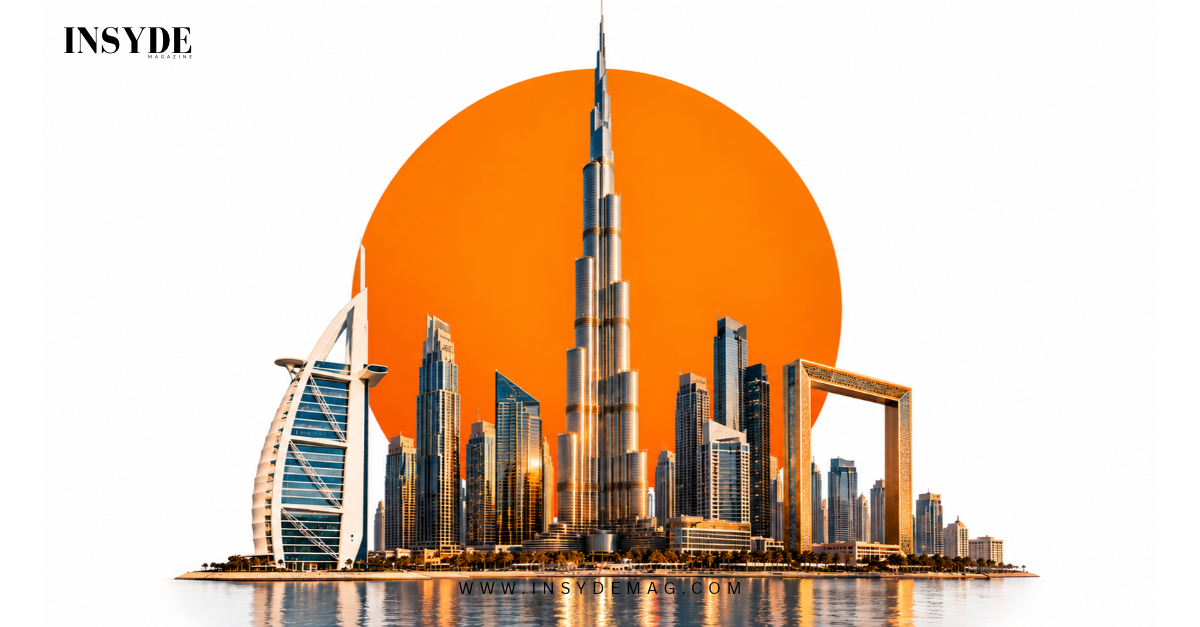
Five extraordinary hotels redefining exclusivity, design and the art of being hosted.
Dubai has mastered the art of making an impression. Its skyline projects ambition, its culinary scene attracts internationally recognised names, and its hospitality industry continues to redefine what a luxury stay can look like. From extraordinary architecture and private-pool villas to destination dining and highly personalised service, the city has transformed the hotel experience into a statement of its own.
But luxury hospitality is about more than spectacular buildings and lavish interiors. At its highest level, it is an exercise in precision: the atmosphere of a room, the intuitiveness of the service, the quality of the dining and the feeling that every detail has been considered. The strongest hotels do not simply accommodate their guests. They create a world around them.
Dubai’s tourism performance provides a compelling backdrop to this evolution. According to the Dubai Department of Economy and Tourism, the emirate welcomed 19.59 million international overnight visitors in 2025, marking its third consecutive record-breaking year. Hotel occupancy reached 80.7 per cent, while the average daily room rate rose by 8 per cent to AED 579. Revenue per available room increased by 11 per cent to AED 467.
The momentum has continued alongside a more complicated operating environment. The latest official tourism report, covering January to August 2026, recorded 6.97 million international overnight visitors. Hotel occupancy had recovered to 66 per cent in August, up from 36 per cent in March, demonstrating a recovery in demand after a difficult period for the travel sector. These figures reflect Dubai’s wider hotel market, rather than luxury properties alone, but they reveal the scale and resilience of the hospitality ecosystem in which its premium hotels compete. (Dubai Tourism Performance Report, January–August 2026)
As the city’s hotel landscape becomes increasingly competitive, the distinction between luxury and genuine differentiation matters more than ever. A striking address may attract attention, but a memorable experience is what gives a property lasting appeal.
From a globally recognised resort on Palm Jumeirah to a secluded retreat in the Arabian desert, these five hotels illustrate different expressions of modern luxury in Dubai.
1. Atlantis The Royal: Where Luxury Becomes Spectacle
On Palm Jumeirah, Atlantis The Royal represents Dubai’s appetite for hospitality on an extraordinary scale. Its sculptural architecture, expansive terraces, elevated swimming pools and beachfront setting create a resort designed to command attention.
The property brings together accommodation, wellness, entertainment and an ambitious culinary programme. Its collection of restaurants includes internationally recognised names and chef-led concepts, while its elevated pools, including Cloud 22, make the resort experience part of the visual identity. Suites and signature penthouses extend the sense of exclusivity, with select accommodations offering private pools and sweeping views.
Dining is central to the proposition. Guests can explore different cuisines and atmospheres without leaving the property, turning the resort into a destination in its own right rather than simply a base from which to discover Dubai. Wellness facilities and extensive leisure experiences further strengthen that all-encompassing approach.
Its international standing is equally notable. The World’s 50 Best Hotels 2026 placed Atlantis The Royal at No. 4 globally, naming it both the Best Hotel in the Middle East and the Best Beach Hotel for 2026.
The ranking reinforces the resort’s international profile, but its larger significance lies in how it approaches the guest experience. Atlantis The Royal does not pursue understatement. It embraces scale, energy and spectacle, delivering a version of luxury in which the setting itself becomes part of the entertainment.
In a city where hotels increasingly compete to become destinations in their own right, Atlantis The Royal demonstrates the power of a fully realised hospitality concept.
The defining appeal: Architectural spectacle, destination dining, elevated pool experiences and large-scale resort luxury.
2. Burj Al Arab Jumeirah: The Enduring Power of an Icon
Few hotels are as closely associated with a destination as Burj Al Arab Jumeirah. Rising from its own island off the Dubai coastline, its sail-inspired silhouette has become one of the most recognisable images in international hospitality.
The hotel’s significance extends beyond its architecture. It helped establish Dubai’s luxury identity on the global stage, becoming a symbol of the city’s ambition and its willingness to challenge established ideas about what a hotel could represent.
Inside, the experience centres on suite-led accommodation, highly personalised service and an elaborate approach to hospitality. Dedicated butler service, tailored guest arrangements and carefully choreographed arrival rituals place individual attention at the heart of the stay. The hotel’s dining, wellness and private leisure offerings complete a proposition built around a distinctive sense of occasion.
Yet the real value of Burj Al Arab lies in its ability to remain relevant after becoming an icon. In an industry where new properties regularly arrive with dramatic architecture and ambitious promises, recognition alone is not enough. A lasting reputation must be supported by service, consistency and an experience that continues to meet contemporary expectations.
That is what makes the property an important part of Dubai’s luxury story. Its identity is instantly recognisable, but its enduring challenge is to ensure that the experience inside remains as compelling as the image outside.
Burj Al Arab represents a form of luxury built on legacy: the power of a hotel to become shorthand for an entire destination.
The defining appeal: Iconic architecture, personalised butler service and a legacy that helped shape Dubai’s global image.
3. The Lana, Dorchester Collection: A More Considered Expression of Luxury
Not every luxury experience needs to announce itself through sheer scale. At The Lana, Dorchester Collection, the emphasis shifts towards architecture, design, art and a more measured sense of refinement.
Located on Marasi Bay Marina in Business Bay, the hotel looks towards the Burj Khalifa and the surrounding cityscape. Its architecture was designed by Foster + Partners, while the interiors were created by the Parisian design studio Gilles & Boissier. The result is a contemporary property shaped by clean lines, carefully selected materials and a curated collection of artworks.
The Lana features 225 rooms and suites, a rooftop infinity pool, multiple dining concepts and Dior Spa The Lana, which introduced Dior’s spa concept to the UAE. Its restaurants and bars give the hotel a wider social presence, attracting guests who may arrive for dining, wellness or a special occasion as much as for an overnight stay.
This approach reflects a broader evolution in luxury hospitality. The experience is no longer defined exclusively by the room or the amenities available inside it. Architecture, atmosphere, gastronomy and wellness increasingly work together to shape the identity of a property.
For travellers who value design and thoughtful curation, the quality of these individual elements can be more meaningful than extravagance for its own sake. A considered interior, attentive service and a distinctive dining experience can create a lasting impression without overwhelming the guest.
The Lana’s proposition is therefore one of contemporary elegance: a hotel that positions itself as part of Dubai’s cultural and lifestyle landscape while retaining the service traditions associated with Dorchester Collection.
The defining appeal: Design-led hospitality, curated art, destination dining and contemporary wellness.
4. One&Only One Za’abeel: A New Perspective on Urban Luxury
Dubai’s architecture has long served as an expression of its ambition. One&Only One Za’abeel takes that idea into the world of hospitality, creating an urban resort within one of the city’s most striking contemporary developments.
The hotel occupies the twin-tower One Za’abeel complex, connected by The Link, a 230-metre sky concourse suspended approximately 100 metres above ground. According to the development’s official website, the structure holds the Guinness World Records title for the world’s longest cantilevered building. It also houses restaurants, bars and an elevated infinity pool, making the architecture an integral part of the guest experience. (Explore The Link)
The resort combines contemporary accommodation with high-profile dining and wellness experiences. Restaurants within The Link include concepts associated with internationally recognised chefs, while the elevated setting gives the dining experience a distinctive relationship with the city below.
This combination reflects the changing expectations of the luxury traveller. Guests increasingly seek the convenience of a central address without giving up the privacy, comfort and sense of escape associated with a resort. Dining, wellness, architecture and accommodation are brought together in a single destination.
One&Only One Za’abeel also illustrates how luxury hotels are becoming more integrated into the urban environment. The building is not merely a container for guest rooms; it is a destination with its own identity, drawing attention through engineering, design and experiences that extend beyond the traditional hotel stay.
Its approach is distinctly contemporary. Rather than relying on heritage or seclusion, the property positions urban energy and architectural ambition at the centre of its appeal.
The defining appeal: Contemporary architecture, elevated dining, skyline views and an integrated urban-resort experience.
5. Al Maha, a Luxury Collection Desert Resort & Spa: The Luxury of Disconnection
Dubai’s luxury identity is often associated with towers, beaches and high-energy city living. Al Maha, a Luxury Collection Desert Resort & Spa, offers a different perspective.
Set within the Dubai Desert Conservation Reserve, the resort places the Arabian landscape at the centre of the experience. Golden dunes, native wildlife and open desert views replace the density of the city, creating a stay defined by privacy, space and a slower pace.
The property comprises 42 private villas inspired by Arabian heritage, each featuring its own pool. Interiors incorporate traditional furnishings, handcrafted details and regional artefacts, while the wider experience includes dining, spa facilities and activities such as wildlife drives, camel trekking, falconry and nature walks. The resort’s official property information outlines its location, accommodation and desert experiences.
Here, luxury is measured differently. It is not about being surrounded by constant activity, but about having the freedom to step away from it. A private villa, an uninterrupted desert view and an experience shaped by the surrounding landscape can offer a form of exclusivity that a city hotel cannot replicate.
Al Maha also demonstrates why a strong sense of place remains valuable in a globalised hospitality market. International service standards and sophisticated amenities are available in destinations around the world. A meaningful connection to the local environment, however, gives a property a more distinctive identity.
For travellers seeking a retreat from Dubai’s urban intensity, Al Maha offers a different kind of indulgence — one rooted in nature, privacy and a closer relationship with the desert.
The defining appeal: Private-pool villas, desert immersion, wildlife experiences and secluded luxury.
What These Five Hotels Reveal About Dubai’s Luxury-Hospitality Market
Together, these properties illustrate why Dubai’s luxury-hospitality industry cannot be defined by a single aesthetic or experience.
Atlantis The Royal builds its identity around spectacle and destination experiences. Burj Al Arab draws on the enduring power of an icon. The Lana emphasises design and curation, while One&Only One Za’abeel brings architecture, dining and wellness into a contemporary urban setting. Al Maha offers a contrasting experience shaped by landscape and seclusion.
These differences matter because luxury travellers are not a single audience. Some seek recognition, energy and theatrical experiences. Others prioritise privacy, design, gastronomy or a stronger connection to place. The most compelling hotel brands understand the desires they serve and create a coherent experience around them.
The market data reinforces the importance of differentiation. Dubai welcomed 19.59 million international overnight visitors in 2025, while its hotel inventory reached 154,264 rooms across 827 establishments by the end of that year, according to the Dubai Department of Economy and Tourism. That scale creates opportunities, but it also intensifies competition for attention, bookings and repeat visits.
The latest available 2026 data adds another dimension. Although hotel occupancy fell sharply during March, it had recovered to 66 per cent by August, while Dubai welcomed 6.97 million international overnight visitors in the first eight months of the year. These figures suggest a recovering market, but they also underline the sensitivity of travel demand to regional and international conditions. (Official January–August 2026 tourism report)
For luxury properties, the challenge extends beyond attracting a first booking. Striking architecture can generate attention, but repeat business depends on the quality of the experience. A celebrated restaurant can introduce new audiences to a hotel, but service and consistency help sustain its reputation. A private pool or panoramic view may be memorable, but the details surrounding the stay determine whether the experience feels genuinely exceptional.
Dubai’s advantage is the breadth of its offer. Within one destination, travellers can choose between beachfront spectacle, an internationally recognised icon, contemporary design, an elevated urban resort and a secluded desert retreat.
The next chapter of the city’s luxury-hospitality story will depend not only on how extraordinary its hotels look, but on how effectively they translate their individual identities into experiences that guests value.
The Final Word: Luxury Beyond the Address
The future of luxury hospitality is not simply about building bigger hotels or adding increasingly extravagant amenities. It is about creating experiences with a clear identity — places that know what they stand for and deliver it with consistency.
Dubai’s standout hotels demonstrate that there is no single formula. Luxury can be theatrical, architectural, personal or profoundly quiet. It can unfold above the skyline, beside the sea or among the dunes.
The strongest properties do more than provide a room for the night. They create a distinct sense of place, turn service into an art and give travellers a reason to remember the experience long after checkout.
In a city built on ambition, that may be the most valuable luxury of all.
INSYDE — Building Bengaluru’s Number One Luxury Magazine
At INSYDE, we look beyond the obvious to explore the people, places, ideas and experiences shaping the world of luxury. From exceptional hospitality and international destinations to fashion, culture, influential personalities and emerging talent, our editorial lens is guided by curiosity, considered storytelling and a distinctly contemporary perspective.
Founded with Bengaluru as its starting point and a global outlook at its core, INSYDE is building towards an ambitious vision: to become Bengaluru’s number one luxury magazine, connecting discerning readers with the people, brands and experiences defining what comes next.
Discover more stories on luxury, culture, people and lifestyle at www.insydemag.com.
Leave a Reply