Category: Indian Luxury

The designers, brands, crafts and ideas defining a distinctly Indian approach to luxury.

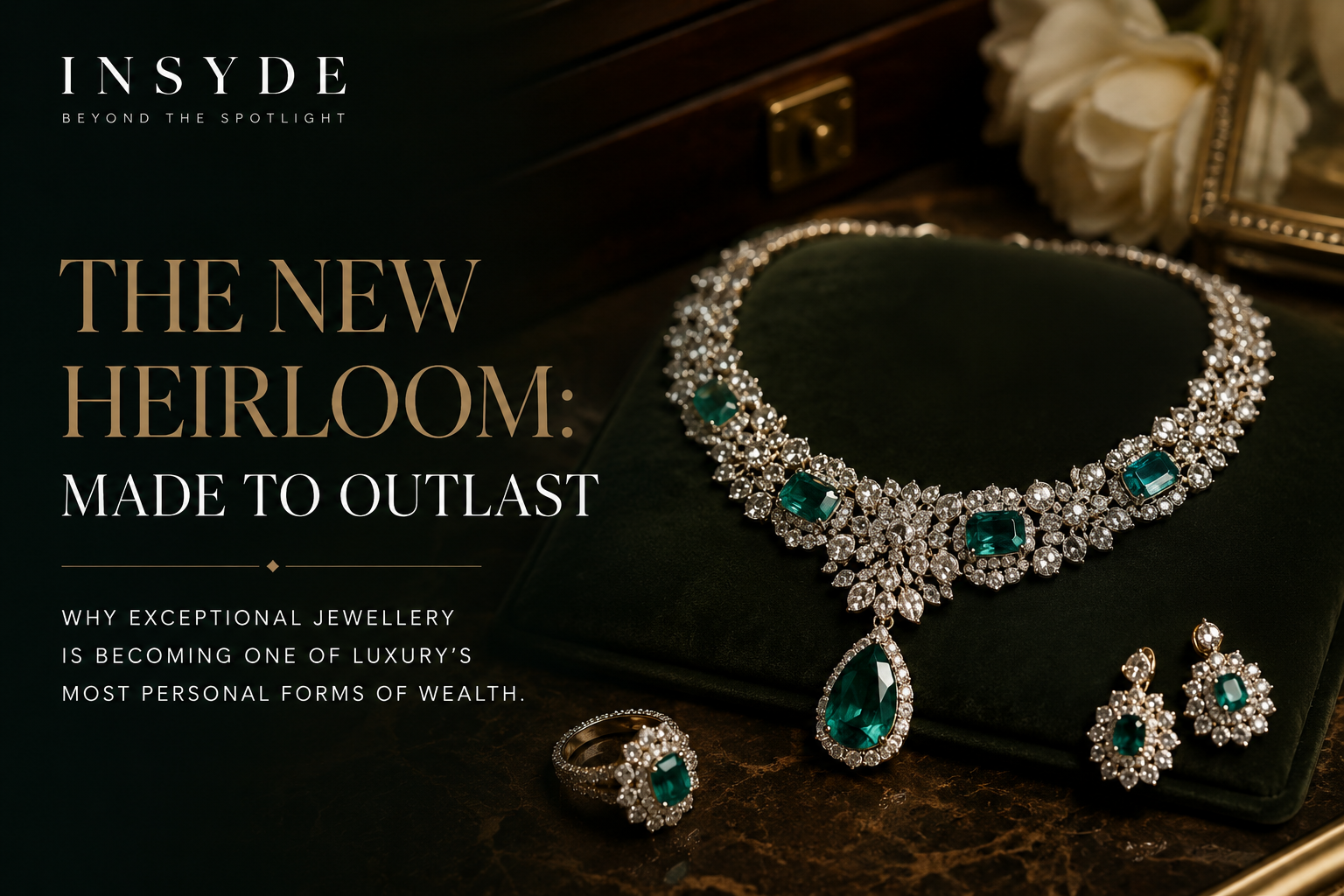
  • The New Heirloom: The Luxury of Legacy

    The New Heirloom: The Luxury of Legacy

    Why exceptional jewellery is becoming one of luxury’s most personal forms of wealth.

    There is a difference between owning something valuable and owning something that matters.

    The distinction becomes clearer at the highest levels of luxury.

    When access is no longer the challenge, another question begins to matter: what is actually worth keeping?

    A remarkable piece of jewellery can answer that question rather elegantly.

    It does not need to occupy a room.

    It does not need a chauffeur.

    It does not need a marina or a private hangar.

    It can sit quietly in a private collection, emerge for one evening, and carry more meaning than an object ten times its size.

    That is the peculiar power of exceptional jewellery.

    It is wealth made intimate.

    Not necessarily wealth designed to be seen by everyone, but wealth expressed through rarity, provenance, craftsmanship and personal significance.

    And increasingly, that is where luxury is heading.

    When Price Stops Being the Point

    For a certain kind of buyer, price is an important consideration.

    For the truly affluent, it is often a secondary one.

    The question is no longer whether something is expensive enough to justify its place in a collection.

    It is whether it is exceptional enough to deserve one.

    That distinction changes the entire conversation.

    A rare Colombian emerald.

    An extraordinary Burmese ruby with compelling provenance.

    A historic diamond.

    A one-of-one commission.

    A piece created by an exceptional atelier.

    A jewel whose craftsmanship reveals itself only when examined closely.

    These are not interchangeable luxury goods.

    They are objects with characteristics that cannot simply be reproduced by increasing a budget.

    That is where jewellery becomes particularly interesting.

    Money can secure access. It cannot manufacture rarity.

    The Value of Knowing What You Are Looking At

    There is a sophistication to jewellery that rewards knowledge.

    Two stones can appear similar to an untrained eye and possess radically different histories, qualities and desirability.

    Two pieces can carry similar materials and have completely different levels of craftsmanship.

    The difference may be in the cut.

    The setting.

    The proportions.

    The origin.

    The stone selection.

    The construction.

    The hand behind it.

    Or simply the judgement of the person who commissioned it.

    This is why the most sophisticated jewellery culture is not necessarily loud.

    It is informed.

    A collector does not need a room to recognise a remarkable stone.

    Sometimes a glance across a dinner table is enough.

    That is a very different kind of status.

    Recognition becomes selective.

    Jewellery Is Wealth You Can Wear

    A residence remains at its address.

    A yacht remains at sea.

    A private aircraft moves according to a flight plan.

    Jewellery has a different kind of freedom.

    It travels with its owner.

    A necklace can move between continents.

    A ring can pass from a boardroom to a private dinner.

    A pair of earrings can become part of an evening’s entire visual language.

    The object is not simply stored wealth.

    It becomes portable identity.

    And because it is worn directly against the body, jewellery occupies an unusually intimate position within a luxury collection.

    You don’t simply own it.

    You live with it.

    The Quiet Power of Exceptional Craftsmanship

    At the top end of jewellery, craftsmanship is rarely there for spectacle.

    It is there for perfection.

    The setting has to hold the stone without overpowering it.

    The proportions have to feel inevitable.

    The metal has to respond to light correctly.

    The construction has to survive years of wear without losing its character.

    The smallest detail can determine whether a piece feels merely expensive or genuinely exceptional.

    This is where the great ateliers distinguish themselves.

    The finished piece may appear effortless.

    That is precisely the point.

    Exceptional craftsmanship hides its own difficulty.

    The more refined the object, the less it needs to explain itself.

    The Stone Is Only the Beginning

    A remarkable gemstone carries its own identity.

    Its colour.

    Its character.

    Its origin.

    Its rarity.

    Its history.

    Its imperfections can sometimes become part of what makes it desirable.

    The sophisticated collector therefore isn’t necessarily searching for the largest stone.

    They may be searching for the stone that cannot easily be replaced.

    That distinction matters.

    Size can be measured.

    Rarity has to be understood.

    And in the highest echelons of collecting, uniqueness tends to outlast spectacle.

    India’s Jewellery Legacy Is an Extraordinary Advantage

    India enters this conversation with something many emerging luxury markets would struggle to create from scratch:

    centuries of jewellery culture.

    Kundan.

    Jadau.

    Polki.

    Meenakari.

    Temple jewellery.

    Goldsmithing traditions.

    Gem-setting techniques.

    Regional craftsmanship passed between generations.

    These aren’t simply decorative traditions.

    They are sophisticated systems of making.

    The opportunity for contemporary Indian luxury is therefore not to reproduce the European model of jewellery.

    It is to take India’s enormous craft heritage and give it a new vocabulary.

    The most compelling future Indian jewellery may not look traditionally Indian at first glance.

    It may be architectural.

    Minimal.

    Sculptural.

    Unexpected.

    But the intelligence of the craft can remain underneath.

    That is where heritage becomes contemporary.

    The Indian Jewel of Tomorrow

    Imagine a contemporary necklace constructed using a centuries-old technique.

    A sculptural ring inspired by Indian architecture.

    A modern interpretation of Jadau without ceremonial excess.

    A rare gemstone framed with the restraint of contemporary design.

    A private commission that combines an inherited stone with a completely new setting.

    That is far more interesting than simply placing an Indian motif on a luxury product.

    The real opportunity is reinvention without losing provenance.

    If Indian jewellery houses can achieve that balance, the result could become globally significant.

    Not because it is Indian.

    But because it is exceptional.

    When Jewellery Becomes a Private Language

    There is a particular pleasure in owning something that does not need to announce itself.

    A necklace without a visible logo.

    A ring whose significance is understood only by a handful of collectors.

    A stone selected because of its provenance rather than its recognisability.

    A private commission that exists nowhere else.

    This is where jewellery enters the territory of discreet luxury.

    The object does not ask for attention.

    It rewards attention.

    And that distinction is increasingly important.

    The old luxury language often said:

    Look at what I own.

    The newer language can say:

    Look closely.

    The Heirloom Is Changing

    Historically, an heirloom was something that survived long enough to be inherited.

    Today, the most thoughtful collectors can design for inheritance from the beginning.

    A piece commissioned for a milestone.

    A gemstone selected with a future daughter or son in mind.

    An existing family jewel redesigned without losing its original stone.

    A new piece created specifically to become part of a family’s visual history.

    The object becomes more than an acquisition.

    It becomes a decision about the future.

    And that may be one of the most sophisticated reasons to buy exceptional jewellery.

    You are not necessarily buying for yourself alone.

    You are deciding what deserves to survive you.

    From Jewellery to Family Archive

    This is where jewellery becomes almost impossible to price.

    A necklace can carry the memory of a wedding.

    A ring can carry the history of a marriage.

    A stone can be reset across generations.

    A brooch can return decades later at another family celebration.

    The financial value may remain measurable.

    The emotional value does not.

    And over time, the two can become inseparable.

    A remarkable jewel is therefore capable of becoming something unusual:

    a physical archive of a family.

    That is a form of wealth no balance sheet can properly capture.

    The Collector’s Eye

    Serious collecting is rarely about accumulation for its own sake.

    The most interesting private collections tend to have a point of view.

    They may focus on exceptional stones.

    A particular period.

    A house.

    A designer.

    A technique.

    A geographical tradition.

    Or simply pieces that tell compelling stories.

    The collector begins to develop an eye.

    They notice things.

    The quality of a setting.

    The way a stone is cut.

    The originality of a design.

    The difference between an important piece and merely an expensive one.

    At that point, buying becomes less about consumption and more about curation.

    And curation is one of the defining characteristics of sophisticated luxury.

    When a Jewel Becomes Art

    There is a moment when jewellery stops functioning as an accessory.

    It becomes an artwork.

    A one-of-one commission.

    An extraordinary stone.

    An experimental setting.

    A collaboration between an artist and a master jeweller.

    A piece whose proportions are so deliberate that it could belong in a gallery as naturally as it belongs on the body.

    At that level, the question is no longer whether the piece matches an outfit.

    It is whether the object itself deserves to exist.

    That is a much higher standard.

    And it is where jewellery enters the world of collecting.

    The Investment Question Is Almost the Wrong Question

    Luxury jewellery is frequently discussed as an investment.

    That conversation has its place.

    Certain exceptional pieces can command significant prices in the secondary market, particularly when rarity, provenance, craftsmanship and collector demand converge.

    But reducing exceptional jewellery to financial performance misses its more enduring value.

    The serious collector isn’t necessarily asking whether a jewel will outperform an investment portfolio.

    They are asking whether it possesses lasting desirability.

    Will the stone still be remarkable?

    Will the craftsmanship still be respected?

    Will the design still feel relevant?

    Will the provenance still matter?

    Will someone want it decades from now?

    That is a different definition of value.

    Financial value can fluctuate. Cultural value can compound.

    The New Luxury Is Personal

    The next generation of high jewellery is unlikely to be defined simply by larger stones or heavier pieces.

    It will be defined by individuality.

    Private commissions.

    Unusual gemstones.

    Exceptional provenance.

    Artist collaborations.

    Heritage techniques.

    Contemporary Indian craftsmanship.

    One-of-one designs.

    And pieces that could never have been created for anyone else.

    This is where luxury becomes most interesting.

    The object is no longer simply selected.

    It is authored.

    The collector becomes part of the creative process.

    The final piece carries something of both sides: the skill of the maker and the identity of the person who commissioned it.

    That is difficult to mass-produce.

    And therefore, increasingly valuable.

    Beyond the Logo

    The future of jewellery may belong to pieces that do not immediately reveal their price, their house or even their significance.

    A rare stone.

    An exceptional setting.

    A technique recognised by a specialist.

    A piece with a story known only to the owner and a small circle of people who understand its importance.

    This is not the disappearance of the luxury brand.

    It is the evolution of luxury beyond the brand.

    The logo tells you who made something.

    The craftsmanship tells you why it matters.

    The provenance tells you where it has been.

    But the story tells you why it should be kept.

    The Things We Choose to Keep

    Perhaps that is why jewellery has survived every change in fashion.

    Trends disappear.

    Designers change.

    Houses rise and fall.

    But a remarkable jewel can remain.

    It can cross generations.

    It can carry a story long after its original owner is gone.

    It can be worn again decades later and somehow feel completely right.

    Because the most valuable thing about jewellery has never been simply what it is made from.

    It is what it remembers.

    And perhaps that is the ultimate luxury.

    Not owning the largest stone.

    Not wearing the most recognisable name.

    Not proving how much something cost.

    But possessing something rare enough, beautiful enough and meaningful enough to become part of someone else’s future.

    The finest jewellery doesn’t simply belong to a person.

    For a while, a person becomes part of its story.

    INSYDE — Beyond the Spotlight.
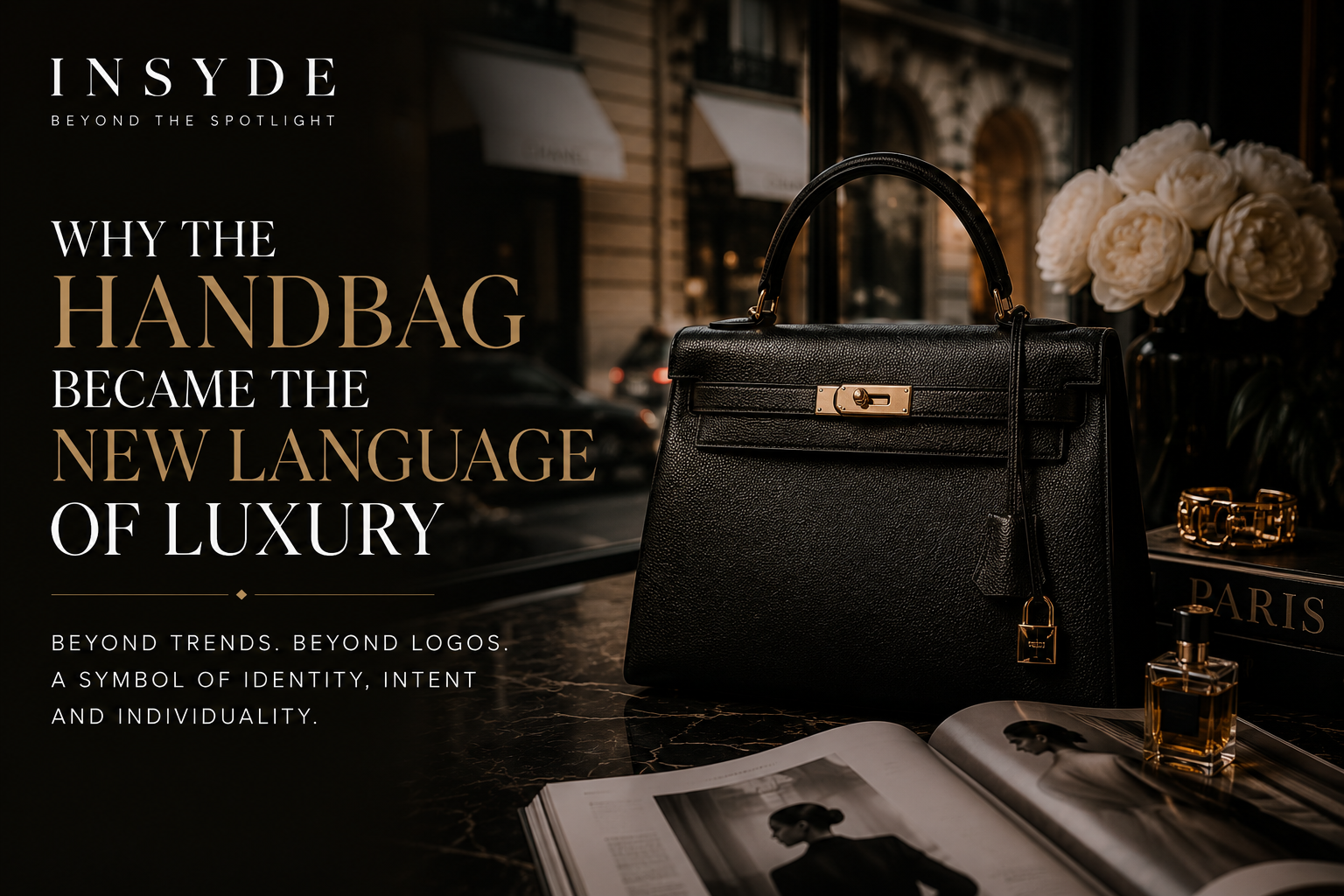
  • Why the Handbag Became the New Language of Luxury

    Why the Handbag Became the New Language of Luxury

    How craftsmanship, scarcity, status and personal taste transformed fashion’s smallest object into one of luxury’s most powerful statements.

    There is something fascinating about a luxury handbag.

    It is small enough to carry in one hand.

    Yet some can command prices that rival a car.

    They can have limited availability, dedicated collectors, highly developed resale markets and a level of cultural recognition that extends far beyond fashion.

    And despite their size, certain handbags have become some of the most powerful objects in luxury.

    Why?

    Because the handbag has evolved.

    It is no longer simply something you carry.

    It has become something you communicate with.

    A handbag can speak about taste without a word, signal status without a logo, reveal knowledge without explanation and, at its highest level, become an expression of identity.

    That transformation is what makes the luxury handbag one of fashion’s most fascinating objects.

    When a Handbag Became a Status Language

    Fashion has always been a form of communication.

    A suit can communicate authority.

    A watch can communicate precision.

    A car can communicate performance.

    Jewellery can communicate heritage.

    The handbag occupies an unusually powerful position because it sits directly between fashion and identity.

    It is visible.

    It moves with you.

    It becomes part of your silhouette.

    And when the object is recognisable, it can communicate something without requiring an explanation.

    For decades, luxury often relied on visibility.

    Large logos.

    Recognisable monograms.

    Distinctive patterns.

    The unmistakable symbols of a successful purchase.

    But the language of luxury is becoming more sophisticated.

    Craftsmanship can matter more than branding.

    Material can matter more than a monogram.

    Proportion can matter more than decoration.

    And recognition can increasingly belong to the people who understand the object rather than everyone who sees it.

    Luxury is becoming a language with fewer people fluent in it.

    Why Would Anyone Spend That Much?

    This is the question that makes luxury handbags so interesting.

    At a certain level of wealth, the basic function of a handbag becomes almost irrelevant.

    You do not need a handbag that costs tens of thousands of dollars to carry your phone, keys and wallet.

    The functional argument ends very quickly.

    Something else begins.

    The buyer is paying for the object as a whole.

    The design.

    The materials.

    The construction.

    The history.

    The reputation.

    The experience of acquiring it.

    The feeling of owning something difficult to replicate.

    And sometimes, simply the pleasure of knowing that an extraordinary amount of skill went into something that appears deceptively simple.

    This is the strange genius of luxury.

    It takes something ordinary and makes the extraordinary visible through detail.

    A handbag can be technically small while being culturally enormous.

    Craftsmanship Is the Beginning

    The strongest luxury handbags are not extraordinary simply because a famous name is printed on them.

    Behind the most respected houses is an enormous investment in technique.

    Leather selection.

    Cutting.

    Construction.

    Stitching.

    Edge finishing.

    Hardware.

    Lining.

    Proportion.

    Quality control.

    And years of accumulated knowledge.

    Hermès, for example, describes its leather goods as being made by hand according to demanding standards, with artisans requiring years to master the techniques involved. Its saddle-stitching tradition remains one of the defining elements of its leather craftsmanship.

    The result is something interesting.

    The craftsmanship becomes almost invisible.

    A beautifully constructed handbag doesn’t necessarily look complicated.

    It may look simple.

    That simplicity is the achievement.

    The more sophisticated the object becomes, the less it needs to show you how difficult it was to make.

    The Birkin Effect

    Few handbags demonstrate the power of luxury better than the Hermès Birkin.

    Its story sounds almost too perfectly designed for fashion mythology.

    According to Hermès, the bag originated from a conversation between Jane Birkin and Jean-Louis Dumas during a flight from Paris to London in 1984. Dumas sketched a spacious bag designed around Birkin’s needs, including room for baby bottles.

    What began as a practical problem became one of the most recognisable luxury objects in the world.

    That transformation is important.

    The Birkin isn’t powerful simply because it is expensive.

    Its cultural power comes from the combination of design, heritage, craftsmanship, scarcity and recognition.

    Hermès says its Birkin and Kelly handbags are sold through its stores, while availability can be limited because each piece is handmade and production requires significant time and specialised craftsmanship.

    The result is a peculiar form of luxury.

    Having the money does not automatically make the object available.

    And that changes the psychology completely.

    Scarcity Changes Desire

    Luxury has always relied on rarity.

    But modern luxury has become increasingly sophisticated about how rarity works.

    A product can be expensive because it uses exceptional materials.

    It can be expensive because it requires extraordinary craftsmanship.

    But it becomes culturally powerful when people want it and cannot simply obtain it whenever they choose.

    That is where scarcity becomes part of the experience.

    Limited editions.

    Rare materials.

    Special colours.

    Exceptional pieces.

    Private access.

    Boutique relationships.

    Vintage examples.

    Collector editions.

    Scarcity, however, is not magic.

    If nobody wants an object, making it rare does not automatically make it desirable.

    Scarcity amplifies desire; it does not create desire from nothing.

    The real luxury lies in the combination of rarity and desirability.

    The Wealthiest Buyer Isn’t Always Looking for the Loudest Bag

    There is a persistent stereotype about wealthy consumers.

    More diamonds.

    More logos.

    More recognisable names.

    More obvious signs of money.

    But luxury culture is becoming more complicated.

    Some sophisticated consumers are increasingly interested in objects whose value is visible primarily to people who understand them.

    A person deeply familiar with fashion may recognise leather, construction, silhouette, hardware, archive references or a particular designer without needing a logo to tell them what they are looking at.

    That creates another level of status.

    The object doesn’t have to announce itself to everyone.

    It only needs to be understood by the right people.

    The most sophisticated luxury can become almost conversational.

    A bag enters the room.

    Someone notices.

    Someone else understands.

    No explanation is necessary.

    From Logo to Knowledge

    This may be one of the most important changes in luxury.

    The old model of status depended heavily on visibility.

    The emerging model can depend on knowledge.

    That doesn’t mean logos are disappearing.

    They aren’t.

    But they increasingly share the stage with craftsmanship, provenance, design and cultural literacy.

    The question is shifting from:

    “Does everyone know this brand?”

    to:

    “Do the people whose opinions matter to me understand what this is?”

    That is a much more selective form of luxury.

    And it changes how brands have to create desire.

    They can’t simply become famous.

    They have to become meaningful.

    The Handbag as Fashion Architecture

    A great handbag is also a design object.

    Look at its proportions.

    The way it holds its shape.

    The relationship between its handle and body.

    The scale of its hardware.

    The texture of its leather.

    The way it sits against clothing.

    These aren’t random decisions.

    They are design.

    And when a handbag becomes iconic, its silhouette can become almost as recognisable as a logo.

    That is why the most important handbags often survive fashion cycles.

    Trends come and go.

    An iconic proportion can remain.

    The object becomes part of fashion history.

    This is where handbags become particularly fascinating.

    They exist somewhere between fashion, craftsmanship, industrial design and cultural memory.

    When the Handbag Becomes a Cultural Object

    Some handbags eventually stop being fashion products and become cultural objects.

    They appear in films.

    They become associated with celebrities.

    They are photographed repeatedly.

    They become part of a particular decade.

    They are referenced by designers.

    They appear in exhibitions.

    They become instantly associated with particular personalities and moments in popular culture.

    At that point, the handbag has escaped its original function.

    It is no longer simply something from a fashion collection.

    It has become part of the visual language of an era.

    And that is extraordinarily difficult for a luxury house to manufacture.

    A brand can design a handbag.

    It can produce it.

    It can market it.

    But it cannot guarantee that culture will decide to remember it.

    Why India Matters

    India is becoming an increasingly interesting part of this story.

    The country’s affluent population is expanding, global luxury houses are looking toward Indian consumers, and the appetite for international luxury is becoming more sophisticated.

    But India’s relationship with handbags isn’t simply about adopting European luxury.

    India already has a deep cultural relationship with objects that communicate craftsmanship.

    Textiles.

    Jewellery.

    Embroidery.

    Leatherwork.

    Couture.

    Artisan techniques.

    The handbag fits naturally into that ecosystem.

    It can be worn alongside couture.

    It can be paired with jewellery.

    It can become part of an occasion.

    And increasingly, Indian designers have an opportunity to build handbags with an identity of their own.

    That could become one of the most interesting developments in Indian luxury.

    Can India create the next globally recognised luxury handbag?

    Not simply an expensive bag.

    An icon.

    The Rise of the Indian Luxury Handbag

    India doesn’t need to imitate European luxury houses to create desirable handbags.

    It has something else:

    craft.

    Imagine contemporary handbags incorporating Indian embroidery without becoming costume.

    Traditional techniques translated into modern silhouettes.

    Regional materials interpreted through contemporary design.

    Jewellery craftsmanship influencing hardware.

    Artists collaborating with fashion houses.

    Indian stories becoming a global design language.

    That could create something much more valuable than another logo.

    It could create a new category of luxury identity.

    The opportunity is not to make an “Indian version” of an existing icon.

    It is to create something the world has not seen before.

    Can a Handbag Really Be an Investment?

    This is where the conversation needs some discipline.

    Certain luxury handbags have developed meaningful resale markets, and some iconic pieces have demonstrated strong value retention.

    But that does not mean every expensive handbag is an investment.

    Far from it.

    A handbag’s resale value can depend on brand, model, condition, material, rarity, colour, provenance, market sentiment and timing.

    The resale market itself changes constantly. Established houses can retain strong demand while newer or returning designs can experience sudden increases in interest.

    So the smarter question isn’t:

    “Will this make me money?”

    It is:

    “Will this remain desirable?”

    That is a much more interesting question.

    Financial value can disappear.

    Cultural value can last much longer.

    The Rise of the Collectible

    Once a handbag enters the world of collecting, the rules change.

    Collectors aren’t necessarily looking for something practical.

    They are looking for rarity.

    Story.

    Condition.

    Provenance.

    Historical importance.

    Exceptional craftsmanship.

    Sometimes even eccentricity.

    This is why the future of handbags may extend far beyond the traditional “classic versus trend” conversation.

    A collectible handbag can become closer to a piece of design history.

    And the most serious collectors don’t necessarily need to justify why they own it.

    They understand why it matters.

    The Next Luxury Handbag May Be Stranger

    Luxury has traditionally tried to make objects beautiful.

    But another movement is emerging.

    Objects can be strange.

    Playful.

    Unexpected.

    Conceptual.

    Even deliberately impractical.

    For the ultra-wealthy consumer who has access to almost every conventional luxury object, individuality itself can become the attraction.

    That could have enormous implications for handbags.

    The next iconic bag may not look like a traditional handbag at all.

    It could be sculptural.

    Artistic.

    Technological.

    Unexpectedly shaped.

    Produced in tiny quantities.

    Created with an artist.

    Or designed around a completely new way of carrying personal objects.

    Luxury doesn’t necessarily have to become quieter.

    It can become stranger.

    The important thing is that it becomes distinctive.

    The End of the “It-Bag”?

    Perhaps the most interesting possibility is that the age of the universal “it-bag” may be weakening.

    The idea of everyone wanting the same handbag is fundamentally different from the idea of luxury as individuality.

    If everyone has it, recognition increases.

    But exclusivity decreases.

    The next generation of luxury may therefore be more fragmented.

    One person wants a heritage icon.

    Another wants an obscure archive piece.

    Someone else wants a completely unbranded masterpiece.

    Another wants a limited collaboration that almost nobody has seen.

    Instead of one bag dominating culture, there may be hundreds of smaller worlds of desirability.

    That is not the death of luxury.

    It may be its evolution.

    What the Ultra-Wealthy Are Really Buying

    So, what is someone really buying when they spend an extraordinary amount on a handbag?

    Not leather alone.

    Not a logo.

    Not even craftsmanship alone.

    They are buying a combination of things that are difficult to reproduce:

    Time.

    Skill.

    History.

    Rarity.

    Recognition.

    Access.

    Identity.

    And sometimes, the feeling of possessing something that exists outside ordinary consumption.

    That’s the real power of luxury.

    The object doesn’t need to be rational.

    It needs to be meaningful.

    What Comes Next

    The next chapter of luxury handbags will probably not be defined simply by making bags more expensive.

    Price alone has limits.

    The future will be about desirability.

    Better craftsmanship.

    More distinctive design.

    Greater personalisation.

    Stronger stories.

    More interesting collaborations.

    Limited production.

    Heritage.

    New materials.

    New forms.

    And perhaps most importantly, a deeper understanding of the person carrying the object.

    The handbag may become less about showing everyone what you own and more about expressing something only you fully understand.

    A quiet piece of craftsmanship.

    An unusual colour.

    A vintage discovery.

    A personal commission.

    A bag created by an emerging designer.

    Something that doesn’t need an audience.

    The Smallest Object With the Biggest Meaning

    The power of the luxury handbag has never really been about its size.

    It is about how much meaning can be placed inside something so small.

    Wealth.

    Taste.

    Craftsmanship.

    History.

    Identity.

    Access.

    Ambition.

    And increasingly, discretion.

    In a world where almost everything can be reproduced, photographed, shared and made instantly visible, the rarest luxury may be something that still feels difficult to obtain — and even harder to imitate.

    That is why the handbag continues to matter.

    Not because people need another place to carry their belongings.

    But because fashion has transformed the object into something much more powerful.

    A handbag can be an accessory.

    It can be a status symbol.

    It can be a collectible.

    It can be a piece of design.

    It can be a cultural statement.

    And at its highest level, it can become something even more elusive:

    a signature of taste that doesn’t need to explain itself.

    The handbag isn’t disappearing.

    It is becoming more sophisticated.

    And the next chapter of luxury may not belong to the bag everyone recognises.

    It may belong to the one only a few people know how to recognise.

    INSYDE — Beyond the Spotlight.
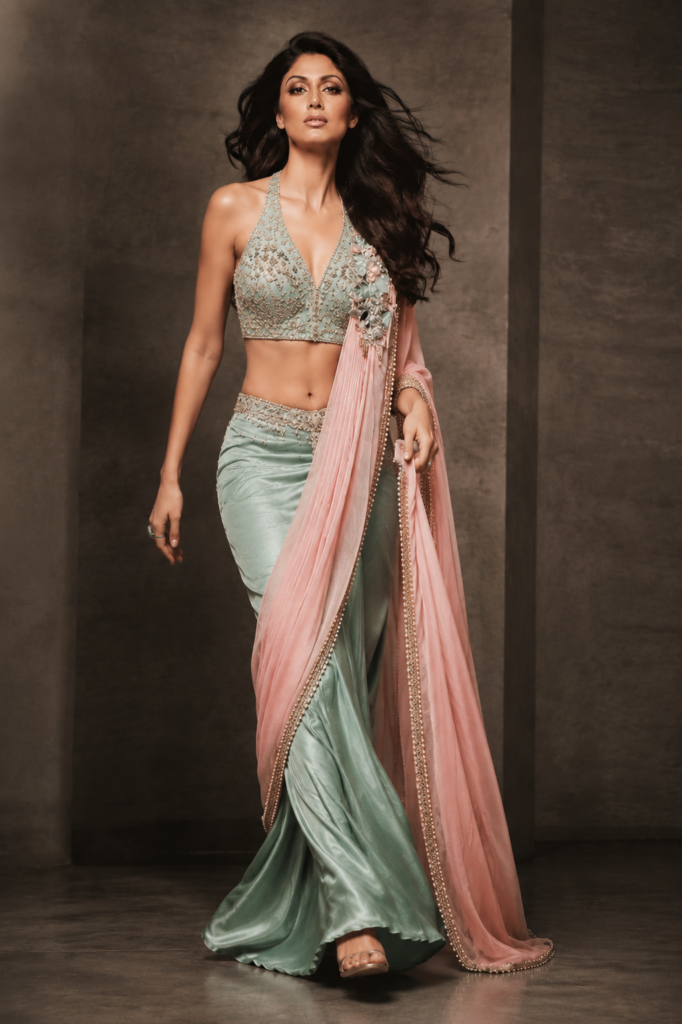
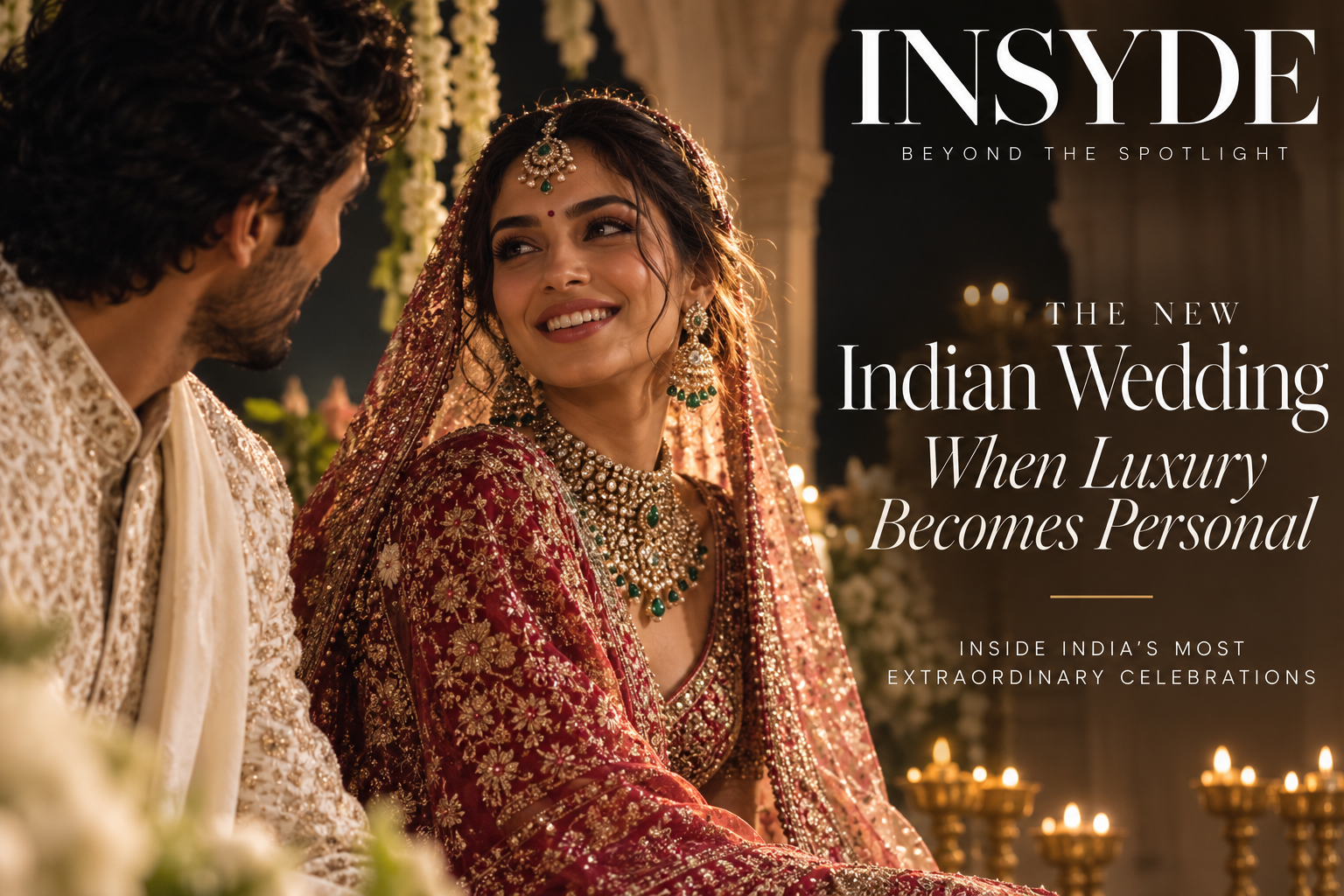
  • The New Indian Wedding: When Luxury Becomes Personal

    The New Indian Wedding: When Luxury Becomes Personal

    India has never been short of spectacular weddings. But a new generation is changing what makes a celebration truly luxurious — moving beyond scale and spectacle towards personalisation, experience, craftsmanship and the art of making people feel part of something extraordinary.

    A luxury Indian wedding is no longer simply a celebration.

    For a few days, it can become an entire world.

    A palace becomes a private residence. A garden becomes a dining room. A designer creates clothing that exists for one person. A chef builds a menu around a family’s memories. An artist transforms a space overnight. Guests arrive not simply for a ceremony, but for an experience designed to stay with them long after the final event.

    India has always known how to celebrate.

    What is changing is what the celebration is trying to say.

    For generations, wedding luxury was often measured through scale: larger venues, longer guest lists, bigger décor and increasingly elaborate entertainment.

    Those things still have their place.

    But the most interesting luxury weddings are beginning to ask a different question:

    Does this wedding feel like us?

    That question is changing the Indian wedding — and turning it into one of the country’s most fascinating expressions of modern luxury.

    From Grand to Personal

    The idea that luxury has to mean more is beginning to feel outdated.

    More flowers.

    More guests.

    More entertainment.

    More spectacle.

    More everything.

    But a wedding can be extraordinarily expensive and still feel strangely impersonal.

    The new luxury is increasingly found in the details that could not have been copied from another celebration.

    A menu built around a couple’s favourite dishes.

    A wedding wardrobe designed around a personal story.

    A handwritten note waiting in every guest’s room.

    A piece of jewellery incorporating a family heirloom.

    A song that means something to the couple rather than simply being popular.

    A ceremony designed around heritage without becoming theatrical.

    Recent industry reporting reflects this shift, with Indian wedding professionals describing personalisation, experience and emotional relevance as increasingly important to younger couples. (Eventfaqs)

    The difference is subtle, but important.

    Luxury is becoming less about how much is added and more about how much thought goes into what is chosen.

    The Destination Becomes Part of the Story

    The venue used to be the backdrop.

    Now, increasingly, it is part of the experience.

    A destination wedding can turn a single ceremony into several days of shared life.

    Guests arrive early.

    They stay together.

    They eat together.

    They explore the destination.

    They attend smaller celebrations.

    They have time to actually talk.

    That helps explain the continuing appeal of India’s palaces, heritage properties, resorts and quieter destinations. Recent reporting suggests that couples are increasingly looking beyond conventional wedding destinations for locations that offer privacy, atmosphere and a more distinctive experience. (The Economic Times)

    The venue is no longer simply where the wedding happens.

    The venue becomes part of the story.

    A palace communicates history.

    A coastal property creates a different rhythm.

    A private villa creates intimacy.

    A heritage estate creates a connection to place.

    A quieter destination can give a celebration something increasingly valuable: space.

    And the location can influence everything that follows — from the wardrobe and flowers to the food, photography and guest experience.

    The Wedding Becomes a Multi-Day World

    The modern luxury wedding is increasingly less like a single event and more like an editorial unfolding over several days.

    Welcome dinner.

    Mehendi.

    Haldi.

    Sangeet.

    Cocktail evening.

    Wedding ceremony.

    Reception.

    After-party.

    But the interesting change isn’t simply the number of events.

    It is how differently each event can feel.

    A daytime ceremony might be quiet and architectural.

    An evening celebration might become theatrical.

    A private dinner might feel intimate and almost residential.

    A final brunch might be deliberately relaxed.

    Each moment becomes its own chapter.

    The result is less of a wedding programme and more of a curated journey.

    That distinction matters.

    Luxury is increasingly being measured by the quality of the experience between the major moments, not simply by what happens on the main stage. Business Standard recently reported that Indian couples are increasingly trimming guest lists while investing more in destinations and multi-day experiences that allow families and friends to stay, explore and create memories together. (Business Standard)

    When Fashion Shapes the Entire Wedding

    Few things reveal the changing Indian wedding better than fashion.

    The wedding wardrobe has always been important.

    But today, couture can influence the entire visual language of the celebration.

    A bridal lehenga can inspire the colour palette.

    A groom’s sherwani can influence the décor.

    Jewellery can influence the lighting.

    Textiles can influence table settings.

    The invitation can become an extension of the couture.

    Fashion moves beyond the wardrobe.

    It becomes architecture.

    This is particularly interesting in India because the country already possesses an extraordinary vocabulary of textile and craft traditions.

    Embroidery.

    Weaving.

    Zardozi.

    Hand-painted textiles.

    Metalwork.

    Jewellery.

    Regional techniques passed between generations.

    The modern luxury wedding can give those traditions a new stage.

    The objective doesn’t have to be recreating the past.

    It can be reinterpretation.

    A traditional technique can become contemporary.

    A historic motif can become graphic.

    An old textile can be paired with modern tailoring.

    Heritage can become something that moves forward rather than something preserved behind glass.

    Craftsmanship Becomes Part of the Celebration

    The most memorable luxury is often the kind that takes time.

    A hand-embroidered garment.

    A custom piece of jewellery.

    A hand-painted invitation.

    A specially commissioned installation.

    A table setting created by craftspeople.

    A menu developed around regional ingredients.

    These things have something in common.

    They cannot be produced instantly.

    And that makes them valuable in a culture increasingly dominated by speed.

    The Indian wedding has always been a major platform for craftsmanship.

    But the opportunity now is to move beyond simply using craft as decoration.

    Craft can become the story itself.

    Imagine a wedding where guests are introduced to the artisans who created the textiles.

    Where the menu explains the origins of ingredients.

    Where the jewellery tells the story of a family.

    Where the architecture of the venue becomes part of the celebration.

    Suddenly, luxury becomes educational as well as beautiful.

    The Guest Is No Longer Just a Guest

    This may be one of the biggest changes in modern luxury weddings.

    The guest experience has become part of the design.

    A wedding can have the most beautiful stage in the country and still fail if the people attending it feel forgotten.

    Luxury hospitality works differently.

    Guests know where they are staying.

    They know what is happening.

    They have thoughtful welcome experiences.

    They receive things that feel selected rather than generic.

    They are given time to enjoy the destination.

    They are introduced to the culture of the place.

    They are not simply spectators.

    They become participants.

    That is why hospitality is becoming one of the most important dimensions of luxury weddings.

    The question isn’t only:

    How impressive can the wedding look?

    It is:

    How does everyone feel while they are there?

    That is a much harder question to answer.

    And perhaps a much more meaningful one.

    Food Becomes Storytelling

    Indian weddings have always taken food seriously.

    The modern luxury wedding is taking it further.

    Private dining.

    Regional menus.

    Chef collaborations.

    Curated tasting experiences.

    Family recipes.

    Local ingredients.

    Fine-dining techniques.

    Food can become another way of telling the couple’s story.

    A dish from the bride’s childhood.

    A recipe from the groom’s family.

    A regional ingredient from a place that matters to them.

    A menu inspired by their first trip together.

    The most luxurious meal may not be the one with the greatest number of dishes.

    It may be the one where every dish has a reason for being there.

    From Spectacle to Storytelling

    This doesn’t mean Indian weddings are becoming minimal.

    That would be too simple.

    Grand celebrations are not disappearing.

    Instead, grandeur is becoming more intentional.

    A spectacular performance can still be extraordinary.

    A dramatic floral installation can still be beautiful.

    Fireworks can still create a moment.

    A palace can still be magnificent.

    The difference is that spectacle increasingly works best when it belongs to a larger story.

    The question becomes:

    Why this?

    Why this location?

    Why this music?

    Why this designer?

    Why this colour?

    Why this performance?

    Why this particular piece of jewellery?

    When every element has an answer, extravagance begins to feel like curation rather than excess.

    India’s Heritage Meets a Global Outlook

    Indian weddings have always been deeply rooted in tradition.

    But today’s couples are also growing up in a global cultural environment.

    They travel.

    They study abroad.

    They consume international fashion.

    They follow global design.

    They discover restaurants, hotels and artists from around the world.

    That creates an interesting tension.

    The modern Indian wedding doesn’t necessarily have to choose between Indian and international.

    It can be both.

    A traditional ceremony can take place inside contemporary architecture.

    Indian textiles can be styled with modern silhouettes.

    A regional menu can be presented with contemporary fine-dining techniques.

    A palace wedding can have a distinctly modern visual identity.

    A destination wedding abroad can still remain deeply Indian.

    The future of Indian wedding luxury may therefore be less about choosing between heritage and modernity.

    It may be about making the two belong together.

    The Ultimate Luxury May Be Privacy

    There is another shift worth watching.

    For years, luxury weddings were designed to be seen.

    The bigger the spectacle, the more photographs.

    The more famous the guests, the more attention.

    The more elaborate the production, the more social media content.

    But for some of today’s most high-profile celebrations, the direction is changing.

    Privacy itself is becoming desirable.

    Smaller guest lists.

    Private properties.

    Controlled access.

    Discreet photography.

    Personalised hospitality.

    Carefully managed guest information.

    In July 2026, industry coverage of several high-profile Indian weddings highlighted privacy, intimate guest lists and personalised hospitality as increasingly important markers of luxury. (Eventfaqs)

    This doesn’t necessarily mean spending less.

    In fact, a smaller celebration can allow couples to spend considerably more on the people and details that matter.

    The wedding stops being a performance for everyone.

    It becomes an experience for the people who are actually there.

    And perhaps that is a more sophisticated form of luxury.

    The ability to decide who gets to see it.

    Technology Has a Place — But It Isn’t the Luxury

    Technology is now woven into almost every part of wedding planning and production.

    Digital invitations.

    Online RSVPs.

    Virtual venue tours.

    AI-assisted planning.

    Drone photography.

    Live streaming.

    Immersive installations.

    Technology can make a wedding more efficient and, sometimes, more spectacular.

    But technology itself isn’t necessarily what makes the experience luxurious.

    The best use of technology is often the use you barely notice.

    It removes friction.

    It makes the experience smoother.

    It helps personalise the celebration.

    The luxury remains human.

    A thoughtful welcome.

    A beautifully prepared room.

    A meal that arrives at exactly the right moment.

    A piece of clothing made specifically for you.

    A conversation that lasts longer than expected.

    Technology can support those moments.

    It cannot replace them.

    The Wedding as a Luxury Ecosystem

    Perhaps this is why weddings are becoming so important to the wider luxury industry.

    A single celebration can bring together fashion, jewellery, hospitality, travel, automobiles, beauty, food, art, architecture and entertainment.

    A wedding doesn’t exist inside one luxury category.

    It connects them all.

    A bride may work with a couture house, a jewellery designer, a beauty team and a photographer.

    The family may book a heritage property, private transport, a chef and a production company.

    Guests may travel internationally, stay at luxury hotels and shop for new wardrobes.

    The wedding becomes an ecosystem of luxury.

    But the commercial value is only one part of the story.

    The more interesting question is cultural:

    Why has the Indian wedding become such a powerful expression of aspiration?

    Because it combines almost everything India values about celebration — family, identity, tradition, craftsmanship, food, fashion, hospitality and storytelling — into one extraordinary moment.

    What Will the Next Indian Luxury Wedding Look Like?

    It may still be enormous.

    Or it may have 80 guests.

    It may take place in a palace.

    Or on a private beach.

    It may involve couture from Paris.

    Or a young Indian designer nobody outside the fashion world has discovered yet.

    It may feature a famous performer.

    Or simply a musician who means something to the family.

    There is no single formula.

    And that is precisely the point.

    The future of luxury weddings is not one aesthetic.

    It is personalisation at scale.

    The ability to create an experience that feels extraordinarily considered, even when the production itself is enormous.

    That requires more than money.

    It requires taste.

    It requires restraint.

    It requires storytelling.

    And above all, it requires knowing what matters.

    The Most Luxurious Wedding May Be the Most Personal One

    India doesn’t need to make its weddings less spectacular.

    It simply has the opportunity to make them more meaningful.

    The most memorable celebration may not be the one with the largest guest list or the tallest floral installation.

    It may be the one where every detail feels connected.

    The clothes.

    The jewellery.

    The food.

    The architecture.

    The music.

    The destination.

    The people.

    The memories.

    The things that could only have belonged to that particular couple.

    Because the ultimate luxury may not be having the wedding everyone remembers.

    It may be creating the wedding that could belong to no one else.

    And perhaps that is where the new Indian wedding begins.

    INSYDE — Inside modern luxury.

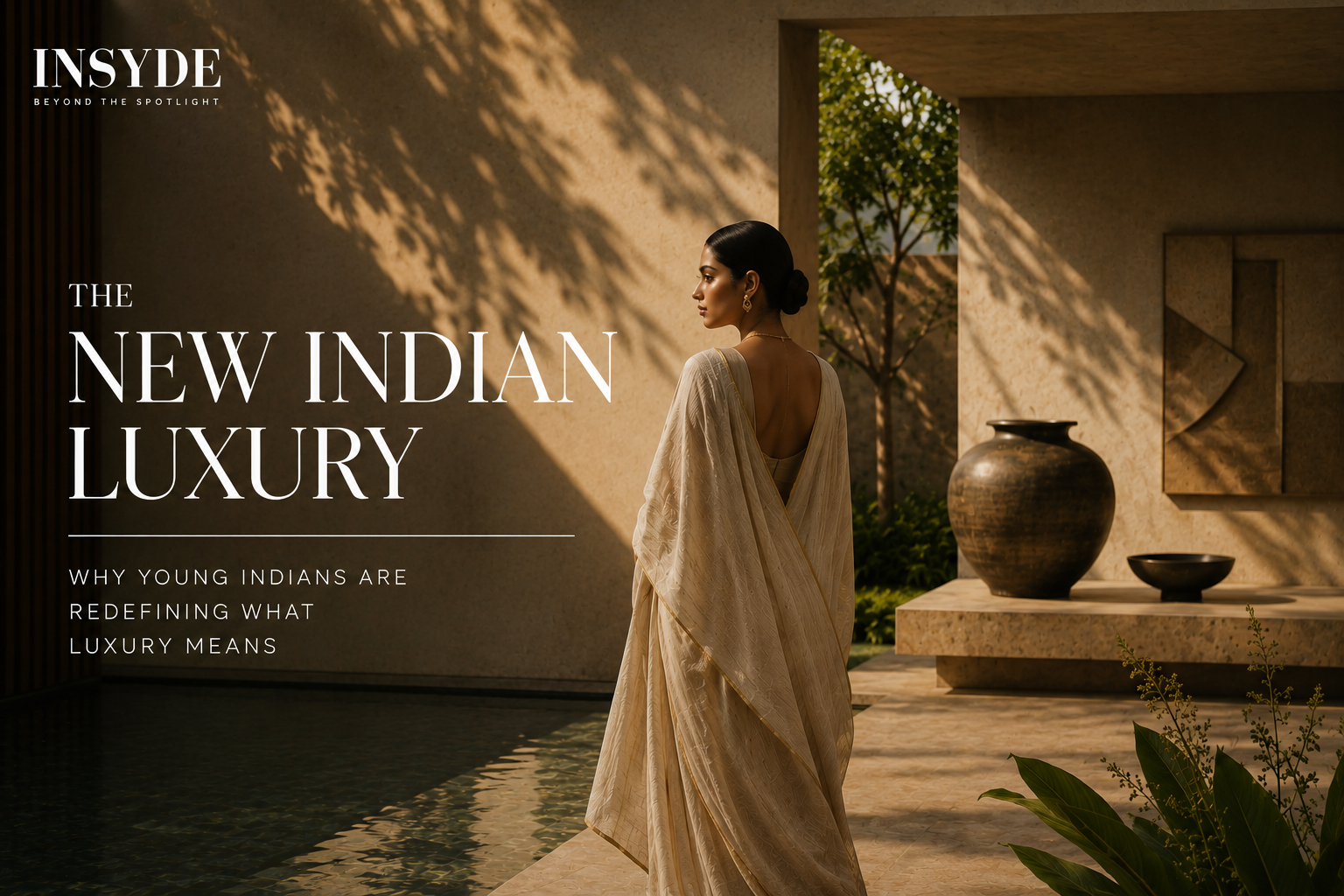
  • The New Indian Luxury: Why Young Indians Are Redefining What “Luxury” Means

    The New Indian Luxury: Why Young Indians Are Redefining What “Luxury” Means

    Luxury in India is entering a new chapter. For a generation raised on global access, digital discovery and changing ideas of success, the most desirable things are increasingly defined not by price alone, but by craftsmanship, identity, experience and meaning.

    For a long time, luxury in India had a recognisable vocabulary.

    Couture. Diamonds. Swiss watches. Imported automobiles. Grand homes. European fashion houses.

    Luxury was visible. It announced itself.

    But something is changing.

    Walk through the creative districts of Bengaluru. Spend an evening in Mumbai. Look at the new design spaces emerging across Delhi. Follow the independent designers, architects, artists, watch collectors, restaurateurs and entrepreneurs shaping India’s cultural landscape.

    The new luxury doesn’t always announce itself.

    Sometimes, it whispers.

    It might be a handwoven textile chosen for the story behind it. A vintage watch bought for its movement rather than its logo. A contemporary home where the architect, materials and light matter more than sheer size. A beautifully designed hotel. A dinner that takes three hours because nobody is in a hurry.

    For a new generation of Indian consumers, the question is becoming less:

    “How expensive is it?”

    and more:

    “Why does it matter?”

    That shift is beginning to reshape what luxury means in India — and potentially, what India itself contributes to the global luxury conversation.

    From Showing Wealth to Expressing Taste

    Luxury has always been connected to status.

    A recognisable name could communicate wealth without explanation. A particular handbag, watch, car or couture house carried a social language of its own.

    That language still exists.

    But younger consumers have grown up in a world where almost everything is visible.

    A runway collection can be watched from anywhere. A new watch can be discovered on Instagram before it reaches a local boutique. A young designer can build an audience without belonging to an established fashion house. A restaurant can become a destination because of a single photograph.

    When access to information becomes almost unlimited, simply knowing about something is no longer enough.

    Taste becomes the differentiator.

    Recent Deloitte research on India’s fashion market points to the same broader shift: consumers are becoming more deliberate about what they buy, with quality, craftsmanship, authenticity and experience playing a greater role alongside price. Deloitte found that close to 40% of surveyed consumers had tried new fashion brands in the previous year, while around 30% cited sensory and in-store experience as an influence on purchase decisions.

    That doesn’t mean young Indians have stopped caring about established luxury houses.

    They haven’t.

    It means they are increasingly comfortable building their own definition of what belongs in a luxury wardrobe, home or lifestyle.

    A global fashion house might sit beside an independent Indian label.

    A vintage watch might sit beside a new smartwatch.

    A handwoven textile might be paired with contemporary jewellery.

    The choices don’t always follow one brand universe.

    They follow a personal one.

    Luxury is becoming less about displaying wealth and more about expressing taste.

    India Is Starting to Write Its Own Luxury Language

    For decades, much of the global vocabulary of luxury came from Europe.

    Paris had couture.

    Milan had fashion and design.

    London had tailoring.

    Switzerland became synonymous with watchmaking.

    India possessed something different: extraordinary craft traditions that existed long before modern luxury marketing had a name for them.

    Embroidery. Weaving. Jewellery. Metalwork. Leather. Wood. Stone. Textiles.

    The question was never whether India had craftsmanship.

    The question was how the world would value it.

    That conversation is changing.

    Indian designers are increasingly placing traditional techniques inside contemporary visual languages. Architects are reinterpreting local materials. Jewellery designers are bringing regional references into modern forms. Independent studios are turning craft into objects that feel current rather than nostalgic.

    The important shift is not simply that Indian craft is becoming more expensive.

    It is that Indian craft is increasingly being treated as contemporary design.

    That distinction matters.

    A handwoven textile doesn’t have to look traditional.

    An ancient technique doesn’t have to remain frozen in time.

    A material associated with heritage can become architectural.

    And an Indian object doesn’t need to resemble something from Paris, Milan or London to communicate sophistication.

    Indian luxury is becoming more comfortable looking Indian.

    That is not a rejection of global luxury.

    It is a sign of confidence within it.

    The Independent Brand Becomes Desirable

    There is a particular pleasure in discovering something before everyone else does.

    That feeling has become increasingly valuable.

    Across fashion, jewellery, furniture, fragrance, food and hospitality, independent brands can offer something that scale often struggles to reproduce: a visible point of view.

    You can see the thinking behind the product.

    You can understand the material.

    You can discover the person who designed it.

    You can trace the inspiration.

    The product begins to feel less like a commodity and more like an object with authorship.

    That matters in a world of mass production and algorithmically recommended products.

    When millions of people can be shown the same thing, specificity becomes valuable.

    The independent brand can say:

    This is where we come from.

    This is why we make it.

    This is what we believe.

    And when a consumer connects with that story, the relationship becomes more powerful than a transaction.

    This is one reason premiumisation in India is becoming more nuanced. Consumers are not simply buying more; they are increasingly looking for reasons to justify paying more — whether through quality, durability, craftsmanship, authenticity or experience.

    The future of premium consumption may therefore belong not only to the biggest names, but also to the brands with something distinctive to say.

    The New Luxury Is Not the Same Everywhere

    India doesn’t have one luxury consumer.

    It has many.

    Mumbai, Delhi and Bengaluru already demonstrate how differently aspiration can look within the same country.

    Mumbai understands spectacle.

    Fashion, cinema, hospitality, nightlife and celebrity culture have created an ecosystem where glamour remains a powerful cultural currency.

    Delhi carries another kind of luxury language — one shaped by couture, jewellery, architecture, heritage and institutions with deep histories.

    Then there is Bengaluru.

    Its luxury language can feel quieter.

    Technology, entrepreneurship, design, food, art and architecture overlap in ways that create a different kind of aspiration.

    A beautifully designed home can matter more than a larger one.

    The architect can matter as much as the address.

    A restaurant can be valued for its atmosphere and design as much as its menu.

    A fashion label can be interesting because of its philosophy rather than its fame.

    This isn’t necessarily a rejection of traditional luxury.

    It is another interpretation of it.

    And that is important for INSYDE’s larger view of luxury: India is not one market with one taste. It is a collection of evolving cultures of aspiration.

    When the Experience Becomes the Luxury

    Perhaps the most significant shift is happening outside traditional luxury categories.

    Luxury is moving into experience.

    Travel.

    Hospitality.

    Food.

    Art.

    Architecture.

    Wellness.

    Sport.

    Music.

    Recent global luxury research reflects this broader movement. Deloitte’s 2026 Global Powers of Luxury report identifies customer experience and loyalty as major growth opportunities for luxury businesses, while travel and hospitality are among the categories executives see as having particularly strong potential.

    The reason is simple.

    A beautiful hotel isn’t simply a room.

    A restaurant isn’t simply a meal.

    A journey isn’t simply transportation.

    The architecture, service, atmosphere, food, landscape, people and story become part of the value.

    The luxury isn’t entirely contained within an object anymore.

    It exists in the experience surrounding it.

    For a generation that spends so much of its life online, physical experiences can feel particularly valuable because they cannot be fully reproduced on a screen.

    You can look at a photograph of a hotel.

    Being there is different.

    Time Might Be the Ultimate Luxury

    There is a contradiction at the centre of modern luxury.

    Technology has made almost everything faster.

    Shopping is instant.

    Entertainment is immediate.

    Communication is constant.

    Trends move across continents in hours.

    Yet many of the things we increasingly consider luxurious require the opposite.

    Time.

    A hand-embroidered garment takes time.

    A mechanical watch demands extraordinary precision.

    A piece of furniture made by a skilled craftsperson requires patience.

    A painting takes time.

    A carefully prepared meal takes time.

    A building designed to last decades takes time.

    Perhaps that is why craftsmanship feels so relevant in a digital age.

    In a culture obsessed with speed, time has become a luxury material.

    India has an extraordinary advantage here.

    Its craft traditions aren’t inventions created for today’s luxury market. They are living systems of knowledge developed across generations.

    The challenge is not simply to preserve them.

    It is to let them evolve.

    To give craft a future rather than turning it into a museum piece.

    The Instagram Problem

    Luxury has never been more visible.

    A designer can be discovered through a single photograph.

    A hotel can become desirable before someone has visited.

    A restaurant can become famous because of its interiors.

    A watch can become a collector’s obsession through a short video.

    Social media has democratised discovery.

    But it has also created a paradox.

    If everyone can see it, can it still feel exclusive?

    A hidden restaurant becomes a destination.

    A niche designer becomes a trend.

    A distinctive aesthetic becomes a template.

    The luxury industry therefore faces a different question from the one it faced a generation ago:

    How do you create desire in a world where almost nothing stays hidden?

    The answer may not be greater secrecy.

    It may be greater meaning.

    Consumers can now research brands, compare products, discover makers and learn about materials before making a purchase. Deloitte’s recent work on Indian consumers also points to the growing influence of digital discovery, peer recommendations and creator-led commerce.

    Visibility creates attention.

    Meaning creates attachment.

    The Luxury of Knowing

    There is another form of luxury that rarely appears in advertising.

    Knowledge.

    Knowing why one textile is different from another.

    Recognising the work of a particular watchmaker.

    Understanding the craft behind a piece of jewellery.

    Knowing why a chair is beautifully proportioned.

    Being able to identify an artist before their work becomes widely known.

    Luxury and culture begin to overlap here.

    Taste is no longer simply about consumption.

    It is about curiosity.

    And India’s creative industries are becoming increasingly interconnected because of it.

    Fashion speaks to art.

    Art speaks to architecture.

    Architecture speaks to hospitality.

    Hospitality speaks to food.

    Food speaks to design.

    Design speaks to technology.

    Sport speaks to fashion.

    The boundaries are becoming softer.

    The hotel becomes a gallery.

    The chef works with a ceramicist.

    The architect collaborates with a fashion designer.

    The watchmaker becomes part of a wider cultural conversation.

    Luxury becomes an ecosystem rather than a collection of products.

    The New Consumer Wants a Reason

    India’s premium and luxury opportunity is expanding, but that does not mean consumers are becoming careless about spending.

    Deloitte’s 2026 consumer research describes Indian consumers as increasingly selective: discretionary spending is concentrating on quality and experiences while larger purchases are being approached more cautiously.

    That distinction is important.

    The next Indian luxury consumer may not simply ask:

    “Can I afford it?”

    They may also ask:

    “Is it worth it?”

    Worth can mean craftsmanship.

    It can mean rarity.

    It can mean heritage.

    It can mean design.

    It can mean sustainability.

    It can mean emotional connection.

    It can mean longevity.

    It can even mean that the object becomes more interesting with age.

    Luxury, then, begins to move from excess towards discernment.

    And discernment is something that cannot be purchased instantly.

    It has to be developed.

    So, What Does Luxury Mean Now?

    There is no universal answer.

    For one person, it might still be couture.

    For another, a vintage watch.

    For someone else, a quiet home filled with objects they genuinely love.

    It might be a private dinner.

    A long journey.

    A piece of jewellery made by hand.

    A painting purchased directly from an artist.

    A beautifully designed hotel.

    A classic car driven on an empty road.

    A tennis match watched from the right seat.

    Or simply an afternoon without notifications.

    That is what makes India’s luxury landscape so compelling.

    It isn’t rejecting traditional luxury.

    It is expanding the definition.

    The logo still matters.

    Price still matters.

    Exclusivity still matters.

    But increasingly, so do craftsmanship, culture, experience, identity and meaning.

    India’s Luxury Story Is Only Beginning

    India is no longer simply a market waiting for global luxury brands to arrive.

    It is increasingly becoming one of the places where the future of luxury will be shaped.

    Deloitte’s 2026 global luxury research places India among the markets executives identify as important engines of luxury growth, alongside China, Japan and the Middle East. At the same time, Deloitte’s India research points to a consumer base becoming more selective, digitally connected and interested in quality and experience.

    But India’s opportunity is bigger than becoming another large market for international brands.

    It is the opportunity to contribute something of its own.

    A luxury object can carry Indian materials.

    A modern home can reinterpret Indian architecture.

    A fashion collection can use centuries-old craft without looking backwards.

    A hotel can combine contemporary design with a powerful sense of place.

    A watch collector can appreciate Swiss precision while developing an unmistakably Indian point of view.

    The future of Indian luxury may therefore not be louder.

    It may be more thoughtful.

    More personal.

    More rooted.

    More difficult to copy.

    Because the most valuable thing about luxury has never really been the price.

    It has always been the feeling that what you have chosen means something.

    And in the India emerging now, that meaning may become the ultimate luxury.

    INSYDE — Inside modern luxury.

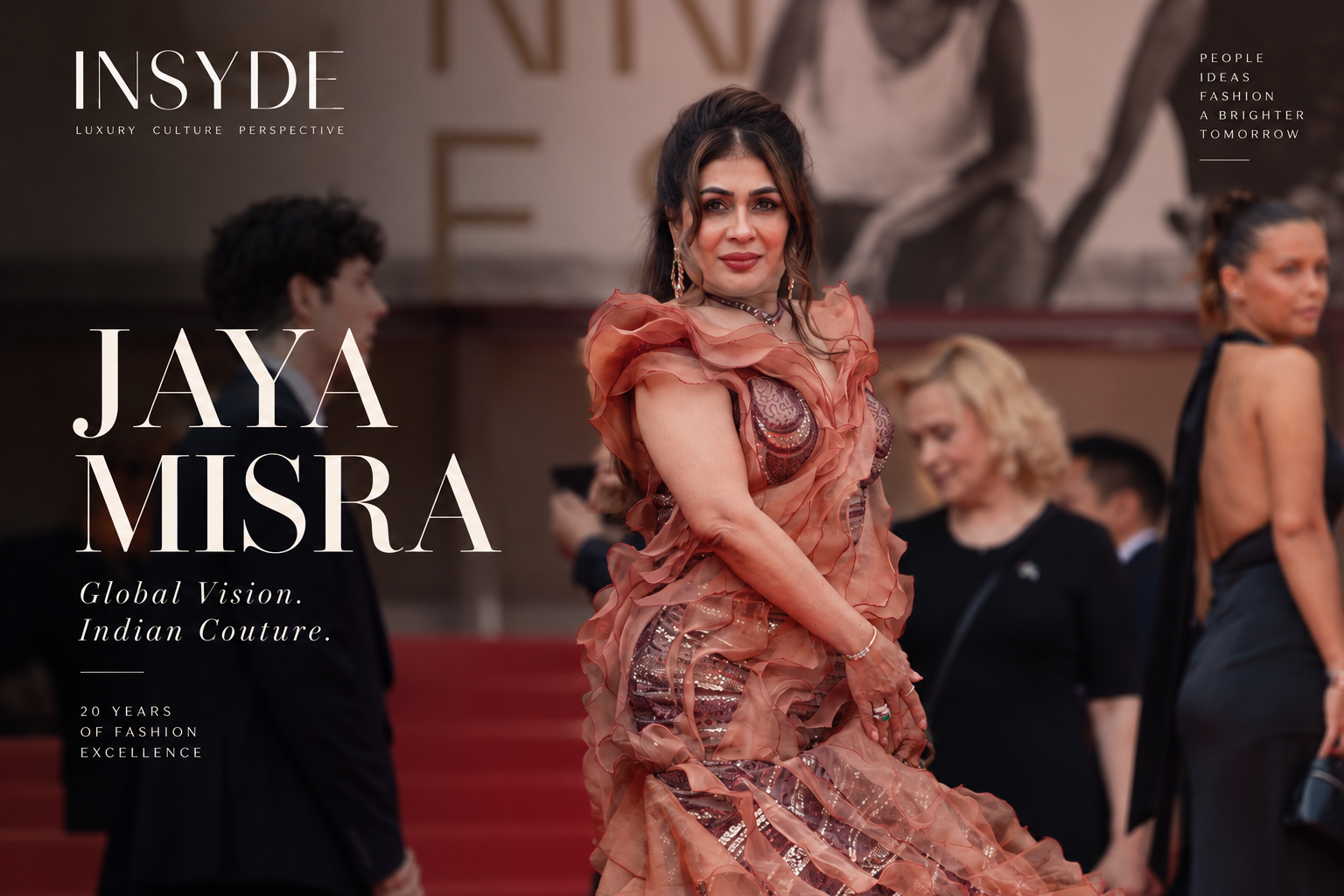
  • Jaya Misra: The Making of a  Modern Indian Fashion Language

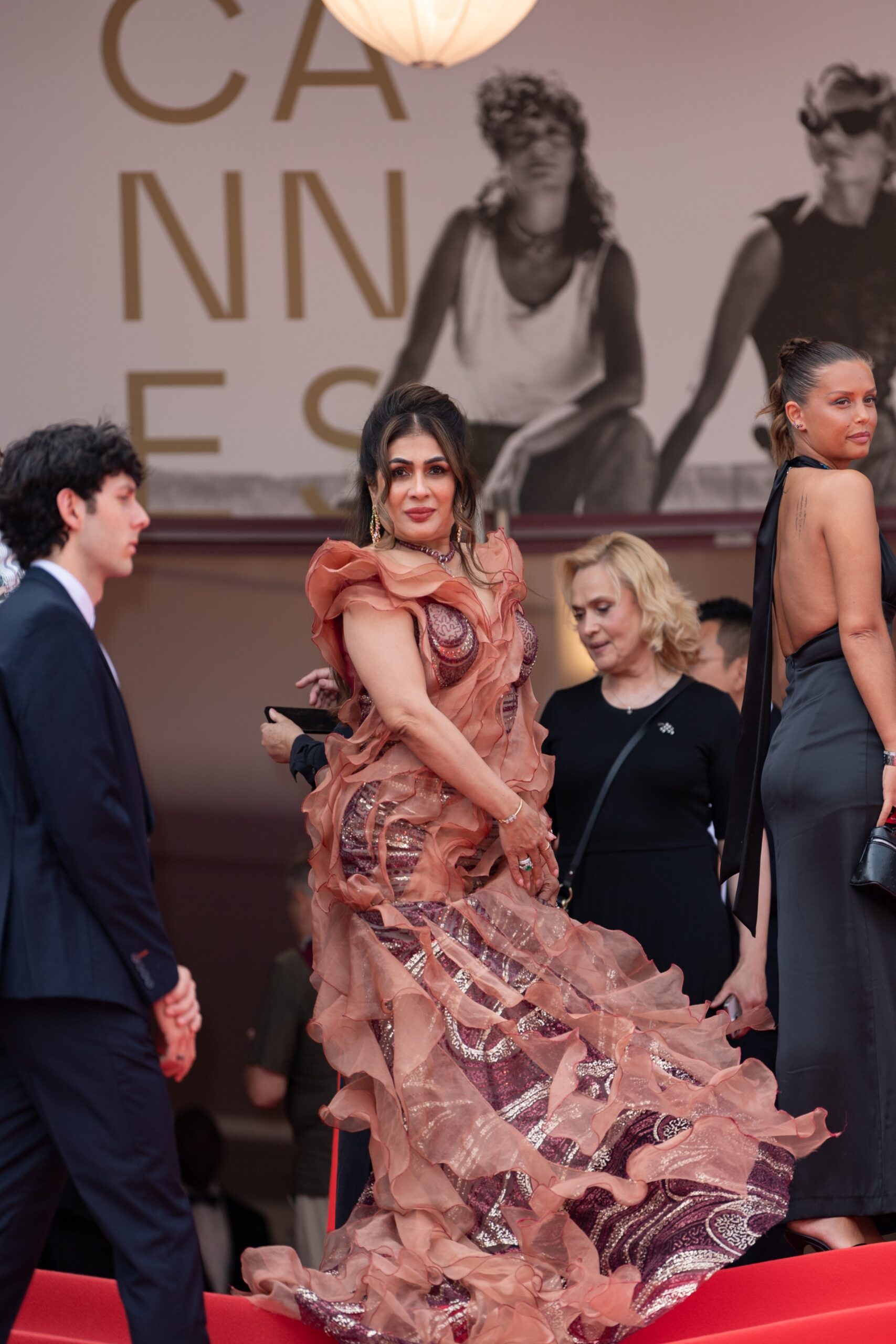
    Jaya Misra: The Making of a Modern Indian Fashion Language

    Jaya Misra at the Cannes Film Festival,

    As Jaya Misra marks 20 years in fashion, the designer reflects on Indian identity, global ambition, craftsmanship, personal style and why the future of fashion may depend on knowing when to say less.

    Indian fashion is having a global moment.

    But the conversation around it is changing.

    For decades, international perceptions of Indian fashion were often reduced to a familiar vocabulary: elaborate embroidery, vivid colour, weddings, traditional silhouettes and the extraordinary work of its artisans.

    Those elements remain important. But they were never the whole story.

    India possesses one of the world’s richest design languages — shaped by textiles, regional craftsmanship, architecture, jewellery, history and generations of accumulated knowledge. Increasingly, Indian designers are taking those foundations into contemporary territory, creating work that can speak to an international audience without surrendering its identity.

    For Jaya Misra, that distinction is fundamental.

    “I have always believed that we do not need to become Western to be international. We can take something deeply Indian and give it a modern expression.”

    It is an idea that has accompanied her through two decades in fashion.

    In 2026, Jaya Misra India marks 20 years since its establishment. A graduate of NIFT, Jaya founded the house in 2006 and has since presented her work across national and international fashion platforms, with showcases spanning cities including Milan, New York, London, Dubai, Tokyo, Toronto and Vancouver. Her career has also included serving as an official designer for Femina Miss India and working across multiple international couture and fashion showcases.

    But after twenty years, the more interesting question is not simply where Indian fashion has travelled.

    It is what Indian fashion is becoming.

    Indian, Without Explanation

    For a long time, Indian fashion was introduced to the world through its most recognisable elements.

    Colour. Embroidery. Weddings. Ornamentation.

    Jaya believes that perception is becoming more nuanced.

    “Indian fashion is so much more than that,” she says, pointing to the country’s textiles, craftsmanship and techniques passed down through generations.

    The shift, she believes, is happening as designers begin presenting those traditions through a contemporary language that feels relevant around the world.

    There is still a tendency, she acknowledges, to measure luxury against Western standards. But that is gradually changing as Indian fashion becomes more confident in defining its own value.

    That distinction matters.

    Global relevance does not have to mean cultural translation.

    Indian fashion does not need to become Western in order to become international.

    Its challenge may instead be to become more confident about what is already uniquely its own — and to find new ways of expressing it.

    The goal is not simply to make Indian fashion visible.

    It is to make it understood on its own terms.

    When Heritage Is Allowed to Move

    Fashion has always had a complicated relationship with tradition.

    Preserve it too rigidly and it can become something admired rather than lived. Change it too completely and the knowledge behind it can disappear.

    For Jaya, evolution is part of preservation.

    “For me, preservation does not mean freezing something in time.”

    A traditional craft, she believes, needs room to move.

    A historic weave can become a contemporary jacket, corset or gown. An established technique can enter an unexpected silhouette without losing the heritage from which it came.

    The form can change.

    The essence should remain.

    But there is one boundary she considers essential: respect for the maker.

    “Evolution should never erase the artisan or the story behind the craft.”

    That places craftsmanship somewhere beyond decoration. The artisan is not simply part of a production process; the knowledge, patience and human skill behind the technique are part of the value of the final piece.

    For Indian fashion, keeping craft alive may therefore depend not on protecting it from change, but on giving it enough relevance to continue being worn, interpreted and desired.

    Tradition survives not only when it is preserved.

    Sometimes, it survives because it is allowed to evolve.

    The Luxury of Time

    Luxury has accumulated plenty of definitions.

    Price. Exclusivity. Rarity. Status.

    Jaya’s understanding is quieter.

    “For me, luxury is not defined by a price tag.”

    Instead, she associates it with time, craftsmanship, individuality and intention.

    That perspective feels particularly relevant in an industry increasingly shaped by immediacy.

    Fashion moves quickly. Trends appear and disappear almost overnight. Digital platforms encourage constant consumption, constant visibility and constant newness.

    Against that speed, something made slowly begins to feel almost radical.

    “Something handmade, created especially for you or marked by the subtle imperfections of the human hand has a unique soul.”

    But there is another form of luxury that cannot be measured through material value.

    Memory.

    “If a garment makes you feel powerful, beautiful or connected to a memory, its value goes far beyond its price,” she says.

    A couture garment can therefore become more than an object of consumption. It can become part of an experience, a milestone or a personal history.

    Perhaps that is why craftsmanship continues to matter.

    It gives an object something mass production struggles to replicate:

    a sense of having been made for a person rather than simply made for a market.

    The Problem With Seeing Everything

    Social media has changed fashion more radically than almost any runway could.

    A designer can now be discovered by someone thousands of kilometres away without passing through the traditional gatekeepers of the industry. Emerging talent can build an audience independently, while consumers have access to more fashion than ever before.

    Jaya sees that democratisation as a positive development.

    But accessibility has created its own contradiction.

    When everyone is looking at the same images, references can begin to converge.

    “The same silhouette, styling and trend can appear everywhere almost overnight.”

    The result is an industry with more access but, sometimes, less distinction.

    In that environment, personal style becomes less about knowing what is trending and more about knowing what feels authentic.

    “Personal style begins when you stop asking, ‘What is everyone wearing?’ and start asking, ‘What feels authentic to me?’”

    It is a question that extends beyond clothing.

    When algorithms can constantly tell us what to see, buy and desire, individuality requires a degree of resistance.

    Fashion can inspire you.

    It should not have to define you.

    Indian by Instinct

    Should an Indian designer have a responsibility to represent Indian culture?

    Jaya does not believe creativity should come with a compulsory assignment.

    An Indian designer should be free to create something minimal, futuristic, Western, traditional or experimental.

    “Creativity needs freedom.”

    Yet freedom from obligation does not mean freedom from influence.

    India’s textiles, embroideries, colours, architecture, jewellery, history and crafts inevitably form part of the visual memory of someone who grows up within that environment.

    “So even when I create something highly international, my Indian sensibility often comes through,” she says.

    “I do not have to force it; it is already an intrinsic part of who I am.”

    There is something significant in that idea.

    Identity does not always need to be announced to be present.

    For a designer working between Indian heritage and contemporary global silhouettes, being Indian does not necessarily mean reproducing recognisable symbols of India.

    Sometimes it is simply part of the way one sees.

    The Case for Editing

    Indian fashion has never struggled to make an entrance.

    Drama, colour, surface, craftsmanship and occasion are among its natural strengths. On a red carpet or international platform, that visual confidence can be extraordinarily powerful.

    But Jaya believes the next stage of India’s global fashion story may require a different skill.

    Editing.

    “Sometimes, we assume that showcasing craftsmanship means showing everything at once.”

    Her counterargument is particularly relevant to contemporary luxury: restraint can communicate just as much as abundance.

    “A single extraordinary detail can sometimes say more than twenty.”

    It is a deceptively simple observation in an industry where more is often mistaken for more luxurious.

    India already possesses extraordinary craftsmanship. The challenge now is not proving that it exists.

    The challenge is how it is presented.

    Jaya argues that Indian fashion needs stronger global business structures, presentation, communication and consistency.

    “Talent is not our challenge; we have an abundance of it.”

    That may be one of the most important questions facing Indian fashion today.

    The next chapter may be less about proving what India can create and more about deciding how that creativity is edited, positioned and communicated to the world.

    Jaya Misra at the House of Lords, London

    Dream First. Then Find the Woman.

    Every designer eventually confronts the tension between creativity and commercial reality.

    Focus too heavily on commerce and creative identity can disappear. Create only for yourself and the relationship with the person wearing the garment can become distant.

    Jaya sees the two as a dialogue.

    “I like to create a dream first. Then I ask myself: how can a real woman enter that dream?”

    The runway can remain dramatic and imaginative while its essence is translated into something that can exist beyond the show — a jacket, saree, dress or another silhouette.

    The idea begins as fantasy.

    The wearer gives it a life.

    That balance is particularly important in couture, where the distance between spectacle and reality can be enormous.

    The most successful design does not necessarily force the customer into the designer’s imagination.

    It gives the customer a way into it.

    A Generation in a Hurry

    Looking toward the future, Jaya is optimistic about the fearlessness of younger designers.

    Today’s generation has access to global references almost instantly. They experiment with gender, technology, sustainability, textiles, silhouettes and storytelling, while rediscovering Indian crafts through increasingly unconventional approaches.

    But that access also comes with pressure.

    Everything is expected to happen faster.

    Collections. Trends. Content. Recognition.

    “There can be enormous pressure to succeed before you have had the chance to discover who you are as a designer.”

    For Jaya, identity cannot be rushed.

    “A strong identity takes time.”

    After two decades in fashion, she says she is still learning, evolving and discovering new possibilities.

    That process, she believes, never really ends.

    Perhaps that is the most revealing lesson in her twenty years of fashion.

    Longevity is not simply about remaining relevant.

    It is about continuing to evolve without losing the thread that makes the work recognisably yours.

    Her advice to the next generation is therefore less about visibility than substance:

    “Do not be so eager to be seen that you forget to develop something worth remembering.”

    It is a thought that feels particularly relevant in an industry where visibility can arrive instantly and disappear just as quickly.

    Because ultimately, Jaya’s understanding of fashion is not about creating a moment.

    It is about creating a language.

    An identity.

    A body of work.

    Something that can travel across borders without losing its origin, evolve without abandoning its memory, and remain unmistakably its own.

    For Jaya Misra, Global Vision and Indian Couture are not opposing ideas.

    They are part of the same conversation.

    And after twenty years, that conversation is still evolving.


    JAYA MISRA INDIA

    Jaya Misra — Founder & Creative Director

    20 Years of Fashion Excellence · 2006–2026

    Design Signature: Modern Indian Couture · Heritage Textiles & Indian Craftsmanship · Contemporary Draping & Global Silhouettes · Luxury with Individuality · Tradition Reimagined for the Modern Woman

    Brand Philosophy: Global Vision. Indian Couture.

    INSYDE Exclusive

  • Insyde the Manish Malhotra Empire: How Bollywood Glamour Became Indian Luxury

    Insyde the Manish Malhotra Empire: How Bollywood Glamour Became Indian Luxury

    What began with costumes for Bollywood became something much larger: a luxury house built around celebrity, craftsmanship, aspiration and the idea that Indian fashion can belong on the world’s biggest stages.

    Luxury has always been about more than what you wear.

    It is about what a name makes you feel.

    For some houses, that feeling has been built through centuries of European heritage. For others, it comes from a particular designer, a particular silhouette or a particular way of seeing the world.

    In India, few names have created that feeling as consistently as Manish Malhotra.

    For decades, his name has been attached to Bollywood glamour: sequins under studio lights, elaborate wedding lehengas, celebrities on red carpets and couture that seems designed for moments larger than everyday life.

    But there is another Manish Malhotra story hiding underneath the glamour.

    It is a business story.

    The story of how a costume designer became a fashion label, how a label became a luxury house, and how that house is now trying to move from being India’s most recognisable designer name to becoming a global Indian luxury brand.

    That distinction matters.

    Because designing beautiful clothes is one thing.

    Building a luxury house is something else entirely.

    The House Behind the Name

    The House of Manish Malhotra was founded in 2005, after the designer had already spent more than a decade transforming costume design in Indian cinema. Today, the House spans couture, bridal, menswear, ready-to-wear, high jewellery, beauty and film production.

    That expansion didn’t happen because fashion suddenly became a business opportunity.

    It happened because Malhotra had already built something extraordinarily valuable before the fashion house fully existed:

    recognition.

    People knew the name.

    They knew the aesthetic.

    They knew the celebrities.

    They knew the glamour.

    And they knew what it meant when a star stepped out in Manish Malhotra.

    That kind of cultural recognition cannot simply be bought.

    It has to be accumulated.

    Year after year.

    Film after film.

    Collection after collection.

    Wedding after wedding.

    The House was therefore not starting from zero.

    It was turning cultural influence into commercial architecture.

    Bollywood Was the Original Luxury Engine

    Before social media, before influencer marketing, before celebrity collaborations became standard fashion strategy, Bollywood was already doing something remarkably powerful.

    It was selling aspiration.

    Millions of people watched actors on screen and wanted pieces of that world: the clothes, the jewellery, the homes, the parties, the romance, the glamour.

    Malhotra understood this unusually well because he was working inside the machine creating those images.

    His costume designs didn’t simply dress characters.

    They helped define them.

    That gave him an advantage that a conventional fashion label could never easily replicate.

    He understood how clothes behave on camera.

    How colour works under lighting.

    How a silhouette changes the perception of a character.

    How one outfit can become associated with an entire film.

    And eventually, how a designer’s name can become part of the fantasy.

    That is one reason his move into fashion was so powerful.

    He wasn’t introducing a new name to Bollywood.

    He was taking a name Bollywood had already helped make famous and turning it into a brand.

    When Visibility Became Value

    Luxury traditionally depends on scarcity.

    But Malhotra built his brand through something that might appear contradictory:

    visibility.

    His clothes were everywhere.

    On movie stars.

    At weddings.

    At award ceremonies.

    In magazines.

    On runways.

    On social media.

    That visibility did not necessarily make the brand less luxurious.

    Instead, it created desire.

    The public could see the world.

    But only a small number of people could actually enter it.

    That is the basic psychology of aspiration.

    And Malhotra understood it long before the language of personal branding and influencer culture became part of fashion strategy.

    The celebrity was not simply wearing the product.

    The celebrity was helping create the product’s meaning.

    A Manish Malhotra lehenga became more than fabric and embroidery.

    It became a piece of the world associated with the people wearing it.

    The Power of the Indian Wedding

    There may be no better environment for luxury than an Indian wedding.

    Weddings are emotional.

    They are highly visual.

    They involve multiple generations.

    They bring together fashion, jewellery, beauty, photography, music and ceremony.

    And they often represent one of the largest discretionary fashion purchases a family will make.

    Malhotra’s aesthetic fits naturally into this world.

    His couture is dramatic enough for the occasion, detailed enough to reward close attention and recognisable enough to photograph beautifully.

    But there is something deeper happening here.

    A wedding outfit is not simply a fashion purchase.

    It becomes part of memory.

    The lehenga becomes the photograph.

    The photograph becomes the family archive.

    The garment becomes part of the story.

    For a luxury house, that emotional connection is enormously valuable.

    It means the brand isn’t simply selling clothing.

    It is participating in people’s most important moments.

    Craftsmanship as the Luxury Proposition

    There is another foundation underneath the glamour:

    craft.

    The House describes Indian craftsmanship as central to its identity, with embroidery, weaving and handcraft traditions continuously reinterpreted through a contemporary luxury vocabulary.

    This is important because Indian craftsmanship has historically occupied an unusual position in global fashion.

    The world has wanted the embroidery.

    It has wanted the textiles.

    It has wanted the handwork.

    But the names of the designers and houses presenting that craft have often mattered more than the names of the artisans producing it.

    The luxury conversation is beginning to change.

    Indian designers are increasingly presenting craftsmanship as part of an authored luxury proposition rather than simply as a source of decorative technique.

    Malhotra’s model is built around that idea.

    The embroidery isn’t background.

    It is part of the identity.

    The handwork isn’t simply an embellishment.

    It is part of the value.

    The Indian-ness isn’t something to hide.

    It is part of the luxury proposition.

    From Couture to an Ecosystem

    A fashion label can survive on clothing.

    A luxury house needs more.

    The Manish Malhotra universe has steadily expanded into categories that allow the customer to interact with the brand in different ways.

    Beauty arrived in 2018.

    High jewellery expanded from 2019 and formally launched as Manish Malhotra High Jewellery in 2023.

    Ready-to-wear launched in 2025.

    The House has also moved into film production through Stage5 Productions.

    This is not random diversification.

    It follows a familiar luxury-house logic.

    If the customer loves the aesthetic, give them more ways to live inside it.

    Couture creates the fantasy.

    Ready-to-wear makes it more accessible.

    Jewellery adds permanence.

    Beauty extends the identity to everyday life.

    Film creates another storytelling platform.

    The products change.

    The world remains recognisable.

    That is how a designer becomes a brand ecosystem.

    The Reliance Chapter

    Then came a significant change in the business story.

    In 2021, Reliance Brands acquired a 40% stake in Manish Malhotra’s brand company, MM Styles. The partnership was positioned around expanding the brand in India and internationally, including retail and digital growth.

    This matters because scale is one of the hardest problems facing Indian luxury.

    A designer can have extraordinary creative talent and enormous cultural influence.

    But global luxury requires infrastructure.

    Retail.

    Capital.

    Technology.

    Supply chains.

    International distribution.

    Marketing.

    And the ability to build a consistent customer experience across markets.

    Strategic corporate backing can provide some of that infrastructure.

    Malhotra himself has been open about the ambition.

    In a 2025 interview with The Week, he said he wanted the business to reach ₹1,000 crore, adding that he did not believe the company was very far from that goal. He also said the business had grown by 35% over the previous two years.

    That changes the way we should look at the House.

    This isn’t simply a designer protecting a creative legacy.

    It is a company trying to scale.

    The Global Customer

    The international opportunity is not theoretical.

    Malhotra opened his first international flagship in Dubai in 2004 — before opening his first Indian flagship in Mumbai in 2006. His relationship with Dubai has continued to deepen, including the opening of a large Dubai Mall boutique in 2023.

    And the potential customer isn’t necessarily Indian.

    In his 2025 interview with The Week, Malhotra described his Dubai clientele as including NRIs alongside Arab, Russian and Chinese customers.

    That is an important distinction.

    An Indian luxury brand becomes genuinely global when people who do not need to buy Indian fashion begin wanting it.

    The diaspora can be the bridge.

    But it cannot be the entire destination.

    The bigger ambition is to make Indian luxury desirable because it is Indian, not merely because Indians abroad want a connection to home.

    That is a much harder challenge.

    And a much bigger opportunity.

    Why Paris Matters

    In July 2026, the House reached one of the most important stages in its history.

    Manish Malhotra presented his Fall/Winter 2026 couture collection in Paris as a guest house on the official Haute Couture Week schedule, becoming the fourth Indian designer to appear on the official calendar.

    It would be easy to treat that as a glamorous milestone.

    But Paris means more than a runway.

    It is a signal.

    For years, Indian craftsmanship has quietly supported global luxury. Vogue noted in 2026 that Indian artisans have long produced embroidery, embellishment and handwoven textiles used by major international fashion houses. The growing presence of Indian designers on the Paris couture calendar represents a shift in who gets to tell that story.

    Malhotra’s arrival therefore carries a larger question:

    Can an Indian house move from supplying craftsmanship and inspiration to owning the global luxury narrative?

    That is the real significance of Paris.

    The House Has Something Europe Cannot Manufacture

    There is an interesting advantage to the Manish Malhotra proposition.

    European luxury houses have heritage.

    Malhotra has something different.

    He has cultural immediacy.

    He has Bollywood.

    He has Indian weddings.

    He has celebrity relationships.

    He has contemporary Indian glamour.

    He has access to an enormous cultural ecosystem that already understands the emotional language of his clothes.

    That is difficult for a new luxury brand to manufacture.

    You cannot launch a campaign and suddenly create thirty years of cultural memory.

    Malhotra already has it.

    The challenge is translating that memory for someone who didn’t grow up watching Bollywood.

    That is where the next stage of the brand becomes interesting.

    Can the glamour travel without losing its meaning?

    Can the craftsmanship feel contemporary rather than simply traditional?

    Can the name become aspirational in Paris, Dubai, London or New York for someone who has no personal connection to Hindi cinema?

    Those are the questions that will define the next chapter.

    The Risk of Being Too Much Manish Malhotra

    Every powerful designer brand eventually faces the same problem.

    The designer becomes the brand.

    That creates enormous recognition.

    But it can also create dependence.

    When people hear Manish Malhotra, they immediately know what kind of world they are entering.

    That is an asset.

    But a global luxury house has to become bigger than the person who created it.

    It needs institutional identity.

    It needs younger customers.

    It needs new categories.

    It needs designers, artisans and creative teams who can evolve the language without destroying it.

    The House’s expansion into ready-to-wear, beauty, jewellery and film suggests that this process is already underway.

    The question is whether the brand can evolve while remaining unmistakably Manish Malhotra.

    That is the difficult part of building a maison.

    You have to change without looking like you changed.

    The Indian Luxury Moment

    There is a broader story here too.

    India’s luxury market is entering a different phase.

    For a long time, Indian consumers who wanted global luxury looked outward.

    European fashion houses represented prestige.

    International logos represented status.

    Indian designers were often associated with weddings, occasionwear and celebrity culture.

    That hierarchy is becoming less simple.

    Indian designers are building stronger businesses.

    Indian craftsmanship is receiving greater attention.

    Indian consumers are becoming more confident in local luxury.

    And global audiences are increasingly interested in the culture and aesthetics emerging from India.

    Malhotra sits directly inside that transition.

    He represents an older India that discovered glamour through cinema.

    But he is also building for a newer India that wants to participate in global luxury on its own terms.

    That tension is part of what makes the House interesting.

    Beyond the Logo

    The most valuable thing Manish Malhotra has built may not be a logo.

    It is recognition.

    You can often identify the world before you identify the garment.

    The shimmer.

    The embroidery.

    The colour.

    The drama.

    The collision of contemporary silhouettes with Indian craft.

    That consistency is one of the foundations of luxury.

    A great house creates a visual language that customers recognise almost instinctively.

    Malhotra has been refining that language for decades.

    The business is simply giving it more places to exist.

    So, Can Manish Malhotra Become a Global Luxury House?

    The answer is more complicated than yes or no.

    The ingredients are already there.

    A recognisable creative identity.

    Decades of cultural relevance.

    A strong celebrity network.

    Deep relationships with Indian craftsmanship.

    A growing multi-category business.

    International retail.

    Corporate backing.

    And now, an official Paris couture presence.

    The harder part is what comes next.

    Global luxury cannot be built entirely on celebrity.

    It cannot depend only on Indian weddings.

    It cannot survive on nostalgia.

    And it cannot simply export the same product to every market.

    It has to evolve.

    It has to create desire beyond its original audience.

    It has to become culturally relevant without losing its origin.

    That is the real test.

    From Bollywood Glamour to Indian Luxury

    Manish Malhotra’s greatest achievement may not be that he became India’s most famous fashion designer.

    It may be that he understood how to turn attention into aspiration, aspiration into desire, and desire into a business.

    The movies gave him visibility.

    Celebrity gave him cultural power.

    Couture gave him authority.

    Craftsmanship gave him depth.

    Business partnerships gave him scale.

    And Paris has given the House a new stage.

    But the story isn’t finished.

    If the next decade goes the way Malhotra hopes, the question may eventually stop being:

    “Can an Indian designer build a global luxury house?”

    It may become:

    “Why did we ever assume Indian luxury had to look anywhere else for permission?”

    That is the opportunity sitting in front of Manish Malhotra.

    Not simply to take Indian glamour to the world.

    But to convince the world that Indian glamour was already luxury.

    The next chapter isn’t about becoming global.

    It is about deciding what Indian luxury looks like when the world is watching.

  • The Bhansali Aesthetic

    The Bhansali Aesthetic

    How Sanjay Leela Bhansali turned Indian cinema into a language of beauty, craftsmanship and desire.

    Some filmmakers tell stories.

    Sanjay Leela Bhansali builds worlds.

    Before a character speaks, there may already be a chandelier glowing above her, silk moving through the frame, jewellery catching the light, music rising somewhere beyond the room.

    In his cinema, beauty is rarely background.

    Beauty is part of the narrative.

    That is what makes Bhansali particularly interesting to INSYDE.

    His work sits at an intersection of cinema, fashion, architecture, music, craftsmanship and desire — a place where visual richness becomes storytelling and detail becomes identity.

    Over more than three decades, he has developed an aesthetic so recognisable that a frame can sometimes feel like a Bhansali frame before the audience consciously understands why.

    And perhaps that is the real achievement.

    He didn’t simply create films with a distinctive look. He created a visual language.

    When Cinema Becomes a World

    There is a difference between designing a beautiful frame and constructing an entire universe.

    Bhansali has consistently pursued the latter.

    His films are populated by elaborate interiors, dramatic architecture, intricate costumes, jewellery, carefully choreographed movement and compositions in which even the smallest visual element can feel deliberate.

    Those details do not exist independently.

    They speak to one another.

    Architecture establishes scale.

    Costume establishes character.

    Lighting establishes mood.

    Music establishes emotion.

    Movement establishes rhythm.

    Together, they create something closer to an immersive environment than a conventional film set.

    That precision has become part of the Bhansali method. On Heeramandi, Architectural Digest India documented his insistence on repeatedly adjusting elements of the set — from furniture and wall textures to seemingly minor decorative details — and quoted Bhansali explaining that architecture plays an important role in how he constructs a frame. (Architectural Digest)

    The point is not simply to make a set look expensive.

    The environment has to belong to the story.

    The Luxury of Detail

    Luxury has always depended on detail.

    The difference between something expensive and something exceptional is often invisible from a distance.

    A stitch.

    A setting.

    A finish.

    A proportion.

    A material chosen because of how it responds to light.

    Bhansali approaches cinema with a similar sensitivity.

    A costume isn’t simply clothing.

    A room isn’t simply a set.

    A chandelier isn’t simply decoration.

    A colour isn’t simply a colour.

    Everything contributes to the emotional architecture of the scene.

    The result is a cinema that can feel almost tactile.

    You sense the weight of the fabric.

    The warmth of the light.

    The scale of the room.

    The movement of jewellery.

    The silence before the music begins.

    The effect is extravagant, but the underlying principle is surprisingly disciplined:

    nothing is there without intention.

    Where the Obsession With Beauty Began

    The grandeur of Bhansali’s cinema has a deeply personal origin.

    He has spoken about growing up in a chawl in Mumbai and about the lack of space and visual beauty around him during his childhood. His mother, a dancer, performed in a small space, while Bhansali imagined larger, more ordered environments. He has connected those experiences directly to the expansive sets, central framing and visual symmetry that later became signatures of his filmmaking. (Indian Express)

    It is an important detail because it changes the way his aesthetic can be understood.

    The grandeur is not simply extravagance for its own sake.

    It is a response to limitation.

    Small spaces became expansive ones.

    Plain walls became elaborate environments.

    Disorder became symmetry.

    Limited movement became choreography.

    The absence of beauty became an obsession with creating it.

    And perhaps that is why his sets rarely feel merely expensive.

    They feel imagined.

    The Architecture of Desire

    Bhansali understands something that luxury brands have understood for generations:

    objects become more powerful when placed inside a world.

    A necklace is one thing.

    A necklace worn with a particular fabric, under a particular light, inside a particular room, accompanied by music and movement, becomes something else.

    The object acquires context.

    That is one of the reasons his cinema has such a strong relationship with fashion and jewellery.

    The visual elements do not sit around the characters.

    They help construct them.

    Jewellery as Storytelling

    There may be no better example than jewellery.

    In Bhansali’s worlds, jewellery rarely feels incidental.

    It can establish hierarchy.

    It can indicate wealth.

    It can communicate tradition.

    It can transform the silhouette of a character.

    And, importantly, it interacts with light.

    A necklace catching the light during a close-up is doing more than displaying craftsmanship.

    It is participating in the image.

    This is where Bhansali’s cinema naturally intersects with the language of luxury.

    The finest luxury objects are designed to reward attention.

    So are his frames.

    The closer you look, the more there is to discover.

    Fashion Without the Fashion Show

    Bhansali’s relationship with fashion is more sophisticated than simply dressing actors beautifully.

    His costumes establish an entire visual vocabulary.

    Silhouette, fabric, colour, ornamentation and movement work together.

    The clothes have to survive choreography.

    They have to respond to lighting.

    They have to communicate period and cultural context.

    And they have to remain emotionally connected to the character.

    That requires something closer to design than conventional styling.

    The result is fashion that belongs to the world of the film rather than being placed on top of it.

    The costume doesn’t interrupt the story. It becomes part of the story.

    The Women at the Centre

    Bhansali’s cinema has repeatedly placed women at the centre of its visual and emotional worlds.

    From Devdas and Black to Ram-Leela, Bajirao Mastani, Padmaavat, Gangubai Kathiawadi and Heeramandi, his women are rarely treated as background figures.

    Their clothes, jewellery, movement and environments often become extensions of their emotional and social position.

    The scale of the world around them can communicate power.

    A crowded room can become a stage.

    A palace can become a prison.

    A costume can become armour.

    A jewel can become status.

    A dance can become defiance.

    That visual treatment has become one of the recognisable elements of his cinema. Actors from Heeramandi have also described his approach to presenting women as central to his filmmaking language. (Indian Express)

    The important point is not simply that Bhansali makes beautiful images of women.

    It is that he uses beauty as part of the language through which their stories are told.

    Music Is Architecture

    There is another defining element of the Bhansali aesthetic: music.

    For Bhansali, music has long been central to the construction of his films rather than something added after the visual world is complete.

    A song can become a room.

    A room can become choreography.

    Choreography can become emotion.

    Emotion becomes narrative.

    This is why some of his most memorable sequences can communicate enormous amounts without conventional dialogue.

    The music carries the architecture of the scene.

    The performers move through it.

    The camera becomes part of the choreography.

    The result is closer to a fully composed theatrical experience than a conventional musical interlude.

    The Discipline Beneath the Spectacle

    The word “grand” is often used to describe Bhansali.

    It is accurate, but incomplete.

    What is more interesting is the discipline underneath it.

    He has spoken about his fascination with central framing and the desire to create order from the disorder he experienced growing up. (Indian Express)

    Architectural Digest India has similarly documented his attention to the smallest details of his sets, including furniture placement, textures, colours and architectural elements. (Architectural Digest)

    That reveals the secret beneath the spectacle.

    The image may be extravagant.

    The composition is controlled.

    That is why his frames can feel so immediately recognisable.

    Grandeur With a Purpose

    Bhansali’s films are often described using words such as lavish, opulent and larger-than-life.

    But spectacle alone would not explain their longevity.

    The real fascination lies in what the grandeur communicates.

    A palace can represent power.

    A crowded courtyard can represent society.

    A vast stage can make an individual appear small.

    An empty room can make an emotion feel enormous.

    A chandelier can suggest wealth, desire or decay.

    A costume can tell you where a character belongs before the dialogue does.

    The visual scale is therefore not simply decoration.

    It is emotional scale.

    India Through a More Cinematic Lens

    There is also something distinctly Indian about Bhansali’s understanding of grandeur.

    India has never treated beauty as purely architectural.

    It exists in textiles.

    Jewellery.

    Music.

    Dance.

    Wedding traditions.

    Craftsmanship.

    Palaces.

    Festivals.

    Theatre.

    Ceremony.

    Bhansali understands that instinctively.

    His cinema draws from a cultural memory in which colour, ornamentation, music and movement can coexist without apology.

    The result is not simply an expensive-looking version of Indian cinema.

    It is an attempt to transform elements of Indian visual culture into a cinematic language of their own.

    And that distinction matters.

    He doesn’t simply decorate Indian stories. He builds worlds around them.

    From Cinema to a Wider Cultural Language

    With Heeramandi: The Diamond Bazaar, Bhansali extended this visual vocabulary into streaming.

    The series brought together his familiar concerns — music, performance, elaborate environments, costumes, historical atmosphere and female characters — for a global streaming audience. Netflix describes the series as a story of love, power, betrayal and freedom centred on the courtesans of pre-independence Lahore. (Indian Express)

    The significance goes beyond the move from cinema to television.

    It demonstrated that the Bhansali aesthetic could exist as a broader cultural world.

    The sets became part of the conversation.

    The costumes became part of the conversation.

    The jewellery became part of the conversation.

    The music became part of the conversation.

    The visual identity became almost as recognisable as the title itself.

    That is a powerful position for any filmmaker to reach.

    The Influence of the Past

    Bhansali’s visual references are not limited to cinema.

    Architectural Digest India has documented how his reference library has drawn from places and objects he encountered growing up, as well as artists, photographers and musicians including S. H. Raza, V. S. Gaitonde, Raghu Rai and Kishori Amonkar. (Architectural Digest)

    That is revealing.

    His aesthetic isn’t built from one source.

    It is accumulated.

    Painting.

    Photography.

    Music.

    Architecture.

    Theatre.

    Textiles.

    Indian history.

    Street life.

    Memory.

    The resulting world may look fantastical, but its ingredients are deeply rooted in observation.

    When Excess Becomes Restraint

    There is an irony in Bhansali’s work.

    The images can be enormous.

    The sets can be enormous.

    The costumes can be elaborate.

    The music can be overwhelming.

    Yet the composition is often highly controlled.

    Symmetry.

    Central framing.

    Colour relationships.

    Movement.

    Light.

    Negative space.

    Everything is competing for attention, yet everything is carefully placed.

    That tension is part of what makes the aesthetic work.

    The spectacle is large. The intention is precise.

    A Filmmaker With a Signature

    The ultimate achievement for an auteur is recognisability.

    Not fame.

    Not scale.

    Not even box-office success.

    A signature.

    Something that makes an audience recognise the creator before seeing the name.

    Bhansali has achieved that.

    The grand interiors.

    The controlled colour.

    The elaborate costumes.

    The music.

    The choreography.

    The central compositions.

    The emotional intensity.

    The women framed against enormous spaces.

    The sense that every object has been placed with intention.

    Together, they form a vocabulary.

    And once a filmmaker develops a vocabulary of that strength, individual films become chapters inside a much larger artistic language.

    What Comes Next

    Bhansali’s next chapter is already taking shape.

    His much-anticipated Love & War, starring Ranbir Kapoor, Alia Bhatt and Vicky Kaushal, is nearing completion, with reports now pointing toward his next major project, a Madhubala biopic. (The Times of India)

    For a filmmaker whose aesthetic is already so established, the interesting question is not whether the next project will be visually ambitious.

    We know the answer.

    The more compelling question is:

    What will he do with that language next?

    Can grandeur evolve without becoming repetition?

    Can spectacle remain emotionally intimate?

    Can a recognisable aesthetic continue to surprise?

    Those are the questions that matter when an artist has spent decades refining a signature.

    The Bhansali Aesthetic

    Perhaps the easiest way to misunderstand Sanjay Leela Bhansali is to think his cinema is simply about luxury.

    It isn’t.

    Luxury is the surface.

    The deeper obsession is craft.

    The craft of composition.

    The craft of music.

    The craft of costume.

    The craft of movement.

    The craft of light.

    The craft of architecture.

    The craft of creating an environment that feels larger than reality.

    That is why his images remain so persistent.

    Long after a film’s plot has been discussed, individual frames remain.

    A room.

    A colour.

    A piece of jewellery.

    A costume.

    A song.

    A gesture beneath a chandelier.

    A character standing alone in an enormous space.

    These are not simply beautiful moments.

    They are fragments of a language.

    And perhaps that is Bhansali’s most enduring contribution to Indian cinema.

    He has shown that grandeur, when treated with enough discipline and imagination, can become more than spectacle.

    It can become storytelling.

    In a culture increasingly consumed through fleeting images, there is something almost radical about a filmmaker who still believes a frame deserves to be constructed, considered and remembered.

    That may be the real Bhansali aesthetic.

    Not simply the luxury of seeing more — but the discipline of making every detail matter.

    INSYDE — Beyond the Spotlight.
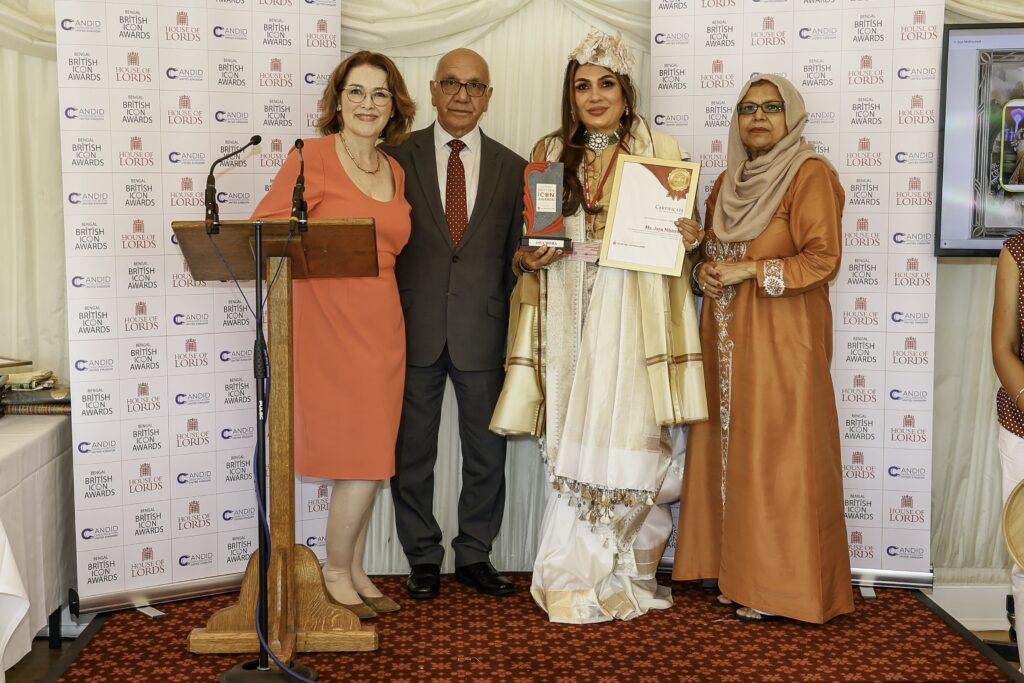
  • Your Next Escape

    Your Next Escape

    10 exceptional destinations to experience from September to December.

    There is a difference between having the freedom to travel and knowing when to go.

    The most discerning travellers understand it.

    A destination in the wrong season can feel crowded, overheated or strangely ordinary. The same place at precisely the right moment can become something else entirely — quieter, more intimate, more beautiful.

    That is the idea behind The Luxury Season.

    September through December is one of the most interesting periods on the global travel calendar. The Mediterranean begins to exhale after summer. East Africa enters one of its great safari periods. Japan moves into autumn. The Southern Hemisphere welcomes spring. And by December, the world divides between alpine winter and tropical escape.

    For the modern luxury traveller, the question is no longer simply where to go.

    It is when the destination becomes worth going to.

    Here are ten places where timing can transform the experience.


    01 — MALLORCA, SPAIN

    The Mediterranean, after the crowds.

    Mallorca is often associated with the height of summer.

    But September reveals a more refined version of the island.

    The sea remains warm, the days are still generous, and the intensity of peak-season travel begins to soften. Recent luxury-travel advisers have specifically highlighted September and October as an attractive period for Mallorca, when summer crowds ease while the island retains its Mediterranean appeal. (Forbes)

    This is the moment to explore the Serra de Tramuntana, disappear into the villages around Deià, take a long lunch overlooking the coast and spend an afternoon in a quiet cove rather than a crowded beach club.

    Mallorca’s luxury is not necessarily found in extravagance.

    It is found in knowing where the island becomes quiet.

    Best for: Mediterranean design, gastronomy, coastal escapes and slow travel.

    Ideal window: September to early October.


    02 — TANZANIA

    Luxury at the edge of civilisation.

    There are luxury hotels where the experience begins at the door.

    Then there are places where luxury means being somewhere that feels completely removed from ordinary life.

    Tanzania belongs to the second category.

    The country’s official tourism authority places the Great Migration among its defining experiences and highlights its national parks and wildlife safaris as central to the destination. (Tanzania Tourism)

    September sits within the dry season and remains a particularly compelling period for northern Tanzania, when wildlife viewing can be excellent and the migration continues to shape the landscape.

    But the real attraction is not simply the animals.

    It is the silence.

    The enormous horizon.

    The early-morning light.

    The feeling that civilisation is temporarily very far away.

    A private safari vehicle. A remote lodge. Dinner beneath an open sky.

    This is luxury without excess.

    Nature becomes the architecture.

    Best for: Safari, wildlife, wilderness and complete disconnection.

    Ideal window: September.


    OCTOBER

    03 — KYOTO, JAPAN

    Where luxury is found in detail.

    Kyoto doesn’t need to announce itself.

    Its appeal lies in restraint: gardens composed over centuries, traditional architecture, craftsmanship, cuisine, temples and the quiet precision of Japanese hospitality.

    Autumn makes that character even more pronounced.

    Kyoto’s official tourism guide identifies September through November as its autumn season, with October remaining relatively warm before temperatures fall in November. The city’s autumn colours generally begin appearing toward the end of October and often reach their peak around mid-November, although timing varies by year and location. (Kyoto Travel)

    For the luxury traveller, Kyoto offers something increasingly rare:

    refinement without excess.

    A private cultural experience.

    A traditional ryokan.

    An intimate kaiseki dinner.

    A garden before the crowds arrive.

    The luxury is not necessarily in what you can purchase.

    It is in how closely you are allowed to experience a place.

    Best for: Art, architecture, craftsmanship, cuisine and cultural immersion.

    Ideal window: Late October through November.


    04 — PATAGONIA, CHILE

    The luxury of having nowhere else to be.

    Patagonia doesn’t compete for attention.

    It simply occupies an extraordinary amount of space.

    October marks the beginning of spring in the Southern Hemisphere, making it an appealing period for travellers drawn to dramatic landscapes, wilderness and outdoor exploration. Luxury travel specialists also identify Patagonia as a key October destination in the Southern Hemisphere. (Lightfoot Travel)

    Here, luxury is not about having more.

    It is about needing less.

    Less noise.

    Less traffic.

    Less obligation.

    A remote lodge overlooking the mountains. A long walk through wilderness. Dinner beside enormous windows as the landscape disappears into evening.

    Patagonia offers a rare commodity:

    space without interruption.

    Best for: Wilderness, adventure, photography and remote luxury.

    Ideal window: October to November.


    05 — AMALFI COAST, ITALY

    Italy, after the spotlight fades.

    The Amalfi Coast is one of the world’s most recognisable luxury destinations.

    That recognition, however, comes with a seasonal price.

    In the height of summer, Positano, Amalfi and Ravello can become intensely busy. By October, the rhythm begins to change.

    The coast becomes slower.

    The light becomes softer.

    The experience becomes less about seeing everything and more about staying somewhere long enough to appreciate it.

    This is the moment for coastal drives, long lunches, Ravello gardens, quiet evenings and — when conditions allow — seeing the cliffs from the water rather than from the crowded roads.

    The Amalfi Coast does not need more glamour.

    It needs space to reveal it.

    Best for: Gastronomy, architecture, coastal drives and Mediterranean living.

    Ideal window: October.


    NOVEMBER

    06 — BHUTAN

    When less becomes the ultimate luxury.

    Bhutan offers a completely different definition of luxury.

    It is not a destination built around excess.

    It is built around perspective.

    The Himalayas provide the setting, but the deeper attraction is the relationship between landscape, culture, spirituality and architecture.

    A monastery at first light.

    A mountain trail without a crowd.

    A traditional meal.

    A lodge where the landscape remains the most important feature in the room.

    Bhutan represents an idea that is becoming increasingly important in modern luxury:

    the value of restraint.

    The greatest experience may not be something you purchase.

    It may be the feeling of having temporarily stepped outside the pace of contemporary life.

    Best for: Culture, mountains, spirituality and meaningful slow travel.

    Ideal window: November.


    07 — THE SEYCHELLES

    Privacy, perfected by nature.

    Some destinations are built around entertainment.

    The Seychelles is built around escape.

    Granite formations rise from clear water. Forest meets coastline. Islands disappear into the horizon.

    And the most luxurious experience can be remarkably simple.

    A private villa.

    A boat heading toward an empty stretch of coast.

    An afternoon in the water.

    Dinner outside.

    No schedule.

    No obligation.

    The Seychelles represents a version of luxury that is becoming increasingly valuable: the freedom to remove everything unnecessary.

    It is not about collecting experiences.

    It is about having enough time to experience one properly.

    Best for: Privacy, sailing, beaches, wellness and complete escape.

    Ideal window: November into the drier-season transition.


    08 — BUENOS AIRES, ARGENTINA

    For the traveller who prefers a city to a resort.

    Luxury travel does not always require a private island.

    Sometimes it requires a great city.

    November brings spring to Buenos Aires, filling parks and avenues with new colour and giving the city an energetic atmosphere.

    The city rewards curiosity.

    Recoleta.

    Palermo.

    Grand architecture.

    Contemporary design.

    Art.

    Wine.

    Late dinners.

    And the unmistakable energy of a city that refuses to go quietly into the night.

    Buenos Aires is luxury without isolation.

    It is about being close to culture rather than protected from it.

    Because sometimes the most sophisticated way to travel is not to escape the world.

    It is to understand it better.

    Best for: Architecture, art, gastronomy, design and urban culture.

    Ideal window: November.


    DECEMBER

    09 — ST. MORITZ, SWITZERLAND

    Where winter becomes an art form.

    By December, the mood changes completely.

    The Mediterranean fades into the background.

    The Alps take over.

    St. Moritz represents one of Europe’s enduring versions of winter luxury: snow-covered landscapes, private chalets, exceptional hospitality, fine dining and a culture built around the season.

    But the attraction isn’t simply skiing.

    It is the ritual.

    Morning light across the mountains.

    A long lunch after the slopes.

    Tailored winter layers.

    A fireplace at the end of the day.

    Dinner long after the sun has disappeared.

    Alpine luxury has survived because it never needed to chase every new trend.

    It simply refined the experience.

    Best for: Skiing, alpine architecture, gastronomy and winter glamour.

    Ideal window: December through the winter season.


    10 — THE MALDIVES

    The art of disappearing.

    After months of movement, there is something deeply appealing about going nowhere.

    The Maldives offers the ultimate luxury-travel contradiction:

    the destination is extraordinary because there is almost nothing else around you.

    An overwater villa.

    A private stretch of ocean.

    A horizon without a skyline.

    Morning swims.

    Long lunches.

    Sunset without city lights.

    And the rare opportunity to spend several days without needing to know what is happening elsewhere.

    December is already a major travel period for the Maldives; official tourism data recorded a record 224,455 arrivals in December 2025, underscoring the strength of year-end demand. (Visit Maldives Corporation)

    For the traveller who has spent the year moving between cities, meetings and obligations, the Maldives offers something more valuable than entertainment.

    Silence.

    Best for: Privacy, ocean escapes, wellness and complete disconnection.

    Ideal window: December onward.


    THE LUXURY OF TIMING

    The most interesting thing about these destinations isn’t that they are luxurious.

    We already know that.

    The real question is when they become most themselves.

    Mallorca becomes quieter.

    Tanzania becomes wild.

    Kyoto turns into a study in colour.

    Patagonia opens into spring.

    Amalfi slows down.

    Bhutan becomes contemplative.

    The Seychelles becomes an exercise in privacy.

    Buenos Aires comes alive.

    St. Moritz becomes winter theatre.

    The Maldives becomes an escape from everything.

    This is why seasonal travel matters.

    The destination isn’t the entire experience.

    Timing is part of the luxury.


    THE NEW LUXURY OF TRAVEL

    Luxury travel was once largely measured by distance, price and exclusivity.

    How far could you go?

    How much could you spend?

    How exclusive was the resort?

    The modern definition is becoming more personal.

    Luxury can mean having a private guide who understands exactly what interests you.

    It can mean staying somewhere with ten rooms instead of two hundred.

    It can mean arriving before everyone else.

    Or staying after everyone has left.

    It can mean choosing a destination because of its architecture, food, landscape or silence.

    And increasingly, it means having enough time to experience it.

    Time may be the rarest travel luxury of all.


    THE SEASON AHEAD

    The smartest luxury traveller doesn’t simply ask:

    “Where should I go?”

    They ask:

    “When should I go?”

    That distinction changes the entire journey.

    Because the world’s most desirable destinations do not have one identity.

    They change with the light.

    The weather.

    The landscape.

    The crowds.

    The season.

    And the people who arrive — and leave.

    September through December offers some of the year’s most compelling transitions.

    And perhaps that is the real luxury:

    Not simply having the means to go anywhere.

    But having the freedom to choose the right place, at the right time, for the right reason.

    INSYDE — Beyond the Spotlight.
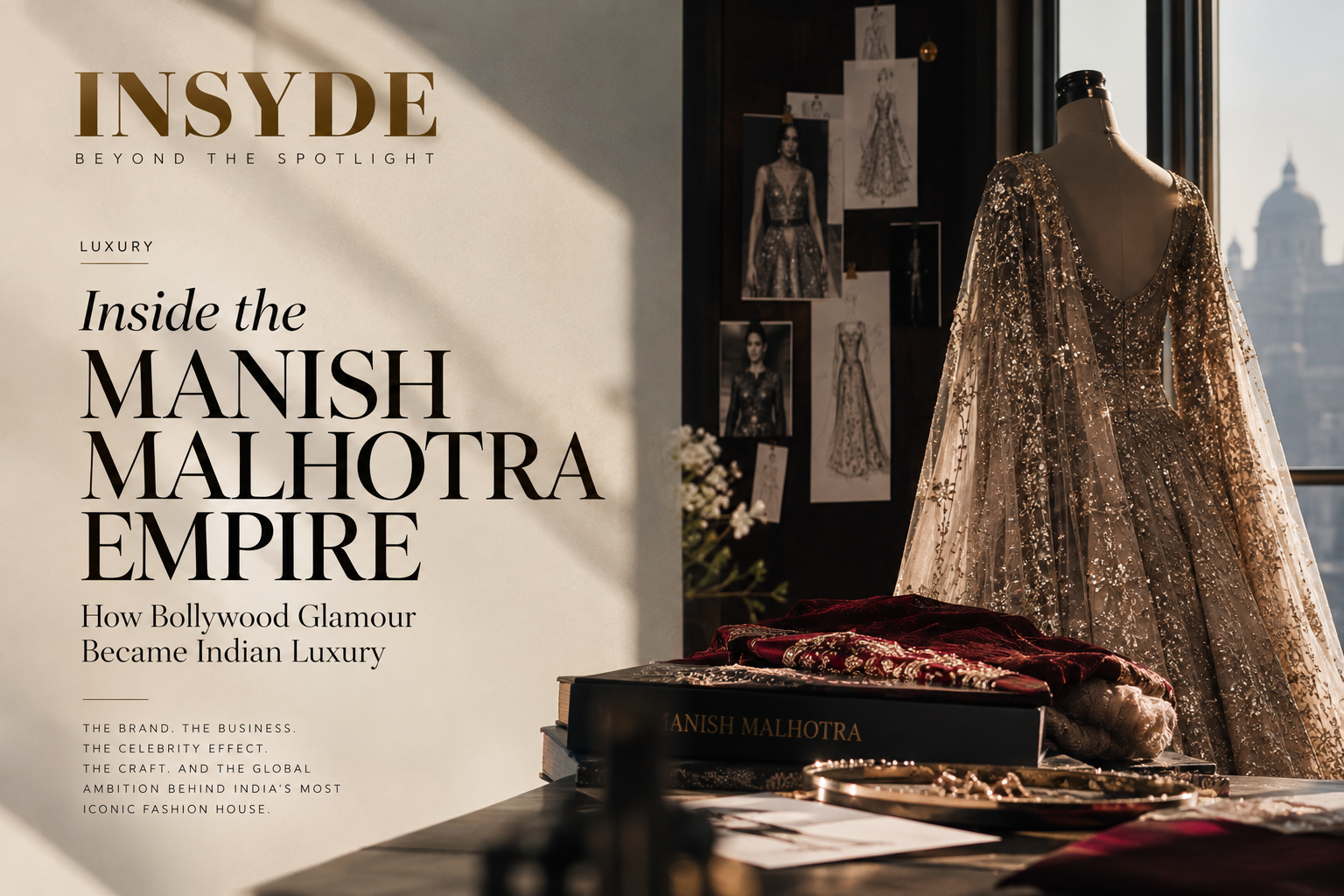
  • Inside Bengaluru’s New Luxury Real Estate

    Inside Bengaluru’s New Luxury Real Estate

    Technology wealth, changing consumer expectations and a new appetite for design are reshaping Bengaluru’s high-end housing market. At the top end, a home is no longer simply a property—it is becoming an expression of how the city wants to live.

    Bengaluru has always understood the language of growth.

    For decades, the city built its reputation on technology, entrepreneurship and the companies that transformed India’s relationship with the global economy. But as that wealth has matured, another transformation is becoming increasingly visible.

    The city is beginning to spend its wealth differently.

    Nowhere is that more apparent than in luxury real estate.

    Bengaluru’s most expensive homes are no longer being defined simply by their size or their address. Increasingly, buyers are paying for privacy, architecture, wellness, technology, service and the experience of living well.

    The numbers suggest that this is no longer a niche phenomenon.

    It is becoming a market of its own.

    When ₹10 Crore Became a Market

    In FY2025, Bengaluru’s residential market for homes priced at ₹10 crore and above crossed ₹1,000 crore in annual sales for the first time. Seventy-eight homes in the segment were sold that year, compared with 51 in the previous financial year.

    The momentum continued into FY2026.

    Data from CRE Matrix and India Sotheby’s International Realty recorded 128 Bengaluru homes priced at ₹10 crore and above sold during FY2026, representing ₹1,957 crore in transaction value. Unit sales increased 52% year on year, making Bengaluru the fastest-growing southern market covered in their report.

    The significance of those numbers is not simply that more expensive homes are being sold.

    It is that Bengaluru now has a sufficiently deep pool of affluent buyers for ultra-premium residential property to behave like a distinct consumer market.

    The ₹10 crore threshold is no longer merely a marker of exceptional wealth.

    It is becoming part of the city’s expanding luxury economy.

    The New Bengaluru Buyer

    Bengaluru’s luxury consumer is different from the traditional image of the Indian high-net-worth buyer.

    The city’s wealth has been shaped heavily by technology, entrepreneurship, global businesses and the startup ecosystem. Its affluent population includes founders, CXOs, senior technology executives, entrepreneurs, HNIs and globally mobile Indians.

    That background influences what they expect from a home.

    The FY2025 luxury housing data identified startup founders, CXOs, HNIs and global Indians among the key buyers in the ₹10 crore-plus segment.

    For this consumer, luxury is increasingly about what the price enables.

    More privacy.

    More space.

    Better design.

    Better security.

    Better amenities.

    Better access.

    And, perhaps most importantly, a home that feels aligned with the life they have built.

    That distinction matters.

    Because when buyers begin choosing residences based on experience rather than square footage alone, real estate starts behaving like luxury.

    When a Home Becomes an Experience

    The traditional luxury residence was often defined by scale.

    The larger the home, the greater the sense of status.

    That equation is changing.

    Today’s premium developments increasingly compete through what surrounds the residence: architecture, landscape, wellness facilities, private amenities, smart-home technology, hospitality-style services and carefully designed communal spaces.

    The home is becoming an ecosystem.

    This reflects a broader transformation in luxury consumption. Across India, affluent consumers are increasingly placing value on experiences, personalisation, hospitality and environments rather than visible symbols of wealth.

    Bengaluru is particularly suited to this evolution.

    A city accustomed to paying a premium for technology, convenience and efficiency is beginning to apply the same logic to where it lives.

    The Rise of the Design-Led Residence

    At the upper end of the market, architecture is no longer background.

    It is part of the product.

    Natural materials. Generous proportions. Landscape design. Light. Privacy. Technology. Wellness.

    These details are increasingly becoming part of the value proposition.

    Knight Frank’s H1 2026 research recorded a 9% year-on-year increase in Bengaluru’s average weighted residential price, reaching ₹9,354 per square foot. The research also found continued momentum in premium housing, with the ₹2–5 crore segment recording a 50% year-on-year increase in new launches.

    The figures point to a broader premiumisation of the market.

    But at the very top end, the competition is less about simply adding square footage.

    It is about creating differentiation.

    A luxury residence needs to feel considered.

    Bengaluru’s Luxury Map Is Moving

    Luxury has traditionally been associated with Bengaluru’s established central neighbourhoods.

    But the geography of premium living is expanding.

    Hebbal has emerged as one of the city’s strongest luxury markets. In FY2025, it accounted for 22% of Bengaluru’s ₹10 crore-plus luxury apartment sales value, while markets including Domlur, Sudhamnagar and Bommanahalli also featured among emerging high-end locations.

    North Bengaluru is particularly significant.

    Knight Frank identified North Bengaluru as the city’s fastest-growing residential corridor in H1 2026, with launches increasing 10% and sales rising 11% year on year. Infrastructure development, expanding commercial activity, employment growth and airport connectivity are helping reshape the area’s residential appeal.

    This matters beyond property.

    When the geography of wealth changes, the geography of the city changes with it.

    Restaurants follow affluent neighbourhoods.

    Retail follows.

    Hospitality follows.

    Wellness, design and premium services follow.

    Real estate is therefore not simply responding to Bengaluru’s growth.

    It is helping create the next version of the city.

    The Space Equation

    One of the clearest indicators of changing expectations is the demand for larger residences.

    In FY2025, luxury apartments in the 5,000–7,000 square-foot range attracted particularly strong buyer interest.

    But space itself is becoming more nuanced.

    The value of a large residence increasingly lies in what that space allows.

    A private office.

    A library.

    A home gym.

    A guest suite.

    A larger kitchen designed for entertaining.

    A terrace that functions as an outdoor room.

    A private garden.

    A space for art.

    The modern luxury residence is beginning to resemble a private hospitality environment—one designed around the rituals of its occupants.

    That is a very different proposition from simply buying a bigger apartment.

    The Business of Premiumisation

    For developers and luxury brands, this shift has significant implications.

    A growing affluent consumer base creates opportunities well beyond residential property. Architecture, interiors, furniture, fashion, jewellery, automobiles, hospitality, wellness and premium entertainment increasingly occupy the same ecosystem.

    India’s luxury retail market is expanding alongside this affluent consumer base, while brands are increasing their presence in major metropolitan markets and experimenting with more experience-led physical spaces.

    Bengaluru is becoming an important part of that story.

    The city’s luxury real estate market can therefore be understood as more than a property segment.

    It is a gateway into a broader premium economy.

    A high-value residence can create demand for interior design.

    A new luxury neighbourhood can create demand for restaurants and hospitality.

    A concentration of affluent households can attract international brands.

    And a sophisticated consumer base can raise expectations across the entire market.

    The luxury home becomes the starting point rather than the end product.

    The Limits of Luxury

    There is another side to Bengaluru’s premiumisation.

    Prices are rising, but buyers are also becoming more selective.

    Knight Frank reported that Bengaluru’s residential sales moderated sequentially in H1 2026, even as year-on-year demand remained positive. The report also identified affordability pressures and elevated property prices as factors influencing buyer and developer behaviour.

    For the luxury segment, that selectivity may ultimately be healthy.

    When buyers have more choices and higher expectations, developers cannot rely solely on a prestigious address or a large floor plan.

    They have to create a reason for the premium.

    That means better architecture.

    Better service.

    Better design.

    Better experiences.

    Luxury, after all, only works when the buyer believes there is something genuinely rare about what is being offered.

    What Bengaluru Is Building

    The most interesting part of Bengaluru’s luxury real estate story is not the price of its homes.

    It is what those homes represent.

    For a technology entrepreneur, a residence can be a private retreat from an intensely connected professional life.

    For a global Indian, it can be a return to Bengaluru with expectations shaped by international cities.

    For a young founder or CXO, it can be both an asset and an expression of identity.

    For developers, it represents an opportunity to move beyond conventional residential construction and create complete lifestyle environments.

    And for Bengaluru itself, it signals something larger:

    A city that once built its identity around creating wealth is becoming increasingly comfortable with living it.

    The Next Address

    Bengaluru’s luxury real estate market is entering a more sophisticated phase.

    The first chapter was about accumulation.

    The next is about curation.

    As affluent buyers become more discerning, the winning residences will not necessarily be the largest or the most conspicuous.

    They will be the ones that understand what luxury increasingly means:

    Privacy without isolation. Technology without intrusion. Architecture without excess. Comfort without compromise.

    Bengaluru’s luxury real estate story is ultimately not about houses.

    It is about what the city’s wealth wants its future to look like.

    And increasingly, that future has an address.

    — INSYDE Editorial

    Sources: CRE Matrix & India Sotheby’s International Realty; Knight Frank India; Fortune India; Business Standard.

  • How Sabyasachi Built a Global Indian Luxury House | INSYDE

    How Sabyasachi Built a Global Indian Luxury House | INSYDE

    The Sabyasachi label began with three people and ₹20,000. Today, it spans couture, jewellery, retail, beauty, art and international markets. The real story is how a designer turned an aesthetic into an entire luxury ecosystem.

    A fashion label sells clothes.

    A luxury house sells something much harder to manufacture:

    a world.

    Sabyasachi has spent more than two decades building one.

    The clothes came first.

    Then came bridalwear.

    Then jewellery.

    Then accessories.

    Then stores that looked more like museums.

    Then international expansion.

    Then beauty.

    Then art.

    Then collaborations with global companies.

    At some point, calling Sabyasachi simply a fashion label stopped being enough.

    The more interesting question became:

    How did one designer turn a very specific idea of India into a global luxury business?

    The original ambition was never small

    The Sabyasachi story starts with an unusually clear ambition.

    After graduating from NIFT Kolkata in 1999, Sabyasachi rejected job offers from established designers and started his own label. His official history says he borrowed ₹20,000 from his family and began with a workforce of three.

    The ambition, according to the brand, was to create India’s biggest luxury house.

    That is important because it changes how we read everything that followed.

    The jewellery wasn’t a random extension.

    The stores weren’t simply retail expansion.

    The beauty collaboration wasn’t just another licensing opportunity.

    They were pieces of a larger plan.

    The goal was never only to design clothes.

    It was to build a house.

    The luxury proposition was craft

    The foundation of the business is not celebrity.

    It is craftsmanship.

    Sabyasachi’s official history describes work with weavers, block printers, embroiderers, dyers, goldsmiths, furniture artisans and other craftspeople across India. It currently says the house employs around 1,000 craftspeople and works regularly with more than 3,000 craftspeople and master weavers.

    That network gives the brand something modern luxury increasingly values:

    provenance.

    Where was it made?

    Who made it?

    How long did it take?

    What technique was used?

    What region does it come from?

    These questions turn an object into a story.

    And luxury has always been very good at selling stories.

    Sabyasachi’s innovation was to argue that India’s enormous craft tradition could be the foundation of a luxury proposition rather than simply a source of inspiration.

    The house explicitly describes the future of artisanal crafts and handwoven textiles as lying in luxury.

    That is not just a design philosophy.

    It is a business philosophy.

    The bridal business created the ecosystem

    Couture created prestige.

    Bridalwear created demand.

    Jewellery expanded the relationship.

    The wedding became the perfect environment for a luxury house because the customer often needs multiple categories at once.

    Clothing.

    Jewellery.

    Accessories.

    Beauty.

    Sometimes even décor and hospitality.

    Sabyasachi’s first bridal collection, Chand Bibi, marked a major turning point in the brand’s growth and helped establish what became known as the “Sabyasachi bride.”

    But the important business insight was broader.

    A bride doesn’t necessarily want a single product.

    She wants a world around the occasion.

    Sabyasachi was well positioned to provide it.

    Then jewellery became its own business

    The launch of Sabyasachi Jewellery was a significant step because jewellery is not simply another category of fashion.

    It changes the economics and lifespan of the relationship with the customer.

    A couture garment may be purchased for an occasion.

    Jewellery can become an heirloom.

    The house developed its jewellery language around Indian heritage, North Calcutta references and Byzantine influences. It also introduced a branded mangalsutra, presenting the traditional wedding necklace through a contemporary luxury lens.

    The jewellery business expanded internationally, including retail at Bergdorf Goodman and dedicated spaces in the brand’s New York and Mumbai stores.

    This was an important evolution.

    The customer no longer had to leave the Sabyasachi universe to complete the look.

    The house could increasingly provide the look itself.

    The store became the advertisement

    Then came retail.

    But Sabyasachi did not treat the store as somewhere to put clothes.

    The brand describes its retail spaces as “living museums.”

    The Mumbai flagship, opened in the city’s heritage district in 2023, expanded the idea dramatically. The brand describes the 25,862-square-foot space as its largest flagship, bringing together bridal and couture, ready-to-wear, jewellery, archival pieces and other elements of the Sabyasachi world.

    The New York flagship had already opened in 2022.

    The current official store network includes Kolkata, Mumbai, Delhi, Hyderabad, Bengaluru and New York.

    This is more than expansion.

    It is brand theatre.

    A luxury customer isn’t simply entering a shop.

    They are entering the story.

    And once the physical environment becomes distinctive enough, the store itself becomes marketing.

    People photograph it.

    Publications cover it.

    Visitors remember it.

    The building becomes part of the brand.

    New York wasn’t just another store

    The New York expansion carried a specific ambition.

    The brand described the goal as changing perceptions of Indian luxury—from “made in India” to “designed and made in India.”

    That distinction goes to the heart of Sabyasachi’s global strategy.

    The brand did not want India to be viewed simply as a production location.

    It wanted India to be understood as a source of design authority.

    That is a much bigger proposition.

    It changes the relationship between Indian luxury and the rest of the world.

    India is no longer merely where the artisan sits.

    India is where the luxury story begins.

    Collaboration without losing the identity

    Sabyasachi has also used collaborations as a way of extending the brand without abandoning its visual language.

    The house has worked with names including Christian Louboutin, H&M, Pottery Barn, Starbucks and Estée Lauder.

    The H&M collaboration is particularly interesting.

    It brought Sabyasachi into a mass global retail environment and included the retailer’s first sari. The collection was made available across approximately 50 countries, and the brand’s own history says the Indian online launch saw Myntra crash shortly after release, with the collection selling out rapidly.

    That kind of collaboration can easily dilute a luxury brand.

    Instead, it demonstrated something useful:

    recognition can travel across price points.

    People who could not access couture could still encounter the Sabyasachi universe.

    The brand remained aspirational.

    Then came beauty

    Beauty was a more significant move than it might initially appear.

    In its 25th year, Sabyasachi became the first Indian brand to collaborate with Estée Lauder on a global collection, launched across more than 20 countries.

    Why beauty?

    Because luxury houses don’t only sell what people wear.

    They sell codes.

    Colours.

    Textures.

    Packaging.

    Objects.

    Rituals.

    Beauty allowed Sabyasachi to take its visual identity into a category with a different price structure and a much wider global audience.

    The product changed.

    The world did not.

    That’s the real power of a luxury house.

    The corporate engine

    Behind the romance is another reality.

    Scaling a luxury business requires capital and infrastructure.

    In 2021, Aditya Birla Fashion and Retail acquired a 51% stake in Sabyasachi Calcutta LLP. ABFRL continues to include Sabyasachi within its designer-led ethnic portfolio.

    This relationship matters because it gives the house access to a larger corporate platform while the Sabyasachi identity remains the creative centre.

    And there is a larger lesson here.

    A designer can create desire.

    But a business has to deliver it.

    Supply chains.

    Retail.

    Inventory.

    International distribution.

    People.

    Technology.

    Capital.

    A global luxury house needs all of them.

    The glamour is the visible part.

    The infrastructure is the reason the glamour can exist at scale.

    The art foundation changes the definition again

    Another recent development pushes Sabyasachi beyond conventional fashion.

    The Sabyasachi Art Foundation opened its first gallery at Nilaya Anthology, with an inaugural exhibition by artist Atish Mukherjee. The brand describes the initiative as part of its commitment to cultural stewardship and to creating a permanent home where art can be nurtured and exhibited.

    This is strategically interesting.

    Because once a fashion brand begins collecting, exhibiting and supporting art, its cultural authority starts to change.

    It is no longer only making products.

    It is participating in cultural preservation.

    That is a much more ambitious position.

    Twenty-five years later, the house looks back

    The 25th-anniversary show in Mumbai in 2025 made the evolution visible.

    More than 150 looks revisited the Sabyasachi vocabulary while mixing traditional Indian craft with international references. Vogue described the show as a return to Calcutta and to the designer’s foundational aesthetic.

    The timing was significant.

    The house had spent years expanding outward.

    Now it was looking backward.

    But not nostalgically for nostalgia’s sake.

    The past had become an asset.

    The archive had become a resource.

    The signature had become a business advantage.

    And now the house is going back to New York

    The next chapter is already taking shape.

    The CFDA’s official preliminary September 2026 schedule lists Sabyasachi by Sabyasachi Mukherjee for New York Fashion Week on September 15, 2026.

    The return matters because the house is no longer arriving in New York as an ambitious young Indian label.

    It arrives with:

    A mature couture business.

    A global jewellery operation.

    International retail.

    A recognised visual identity.

    A craft ecosystem.

    Corporate backing.

    And a much larger understanding of what an Indian luxury house can be.

    The runway is almost the least interesting part.

    The interesting part is everything that had to be built before the runway could matter.

    So, what actually makes Sabyasachi a luxury house?

    It isn’t the price.

    It isn’t the celebrity list.

    It isn’t even the craftsmanship on its own.

    It is consistency.

    The same world appears across clothing.

    Jewellery.

    Stores.

    Beauty.

    Art.

    Packaging.

    Photography.

    Collaborations.

    The customer knows what Sabyasachi means before seeing the product.

    That is one of the hardest things to build in luxury.

    A recognisable world.

    The real Sabyasachi business

    There is a reason Sabyasachi has become such an interesting case study for Indian luxury.

    He didn’t build the business by abandoning India.

    He built it by making India itself part of the brand proposition.

    The craft is Indian.

    The references are Indian.

    The nostalgia is Indian.

    The jewellery is Indian.

    The wedding is Indian.

    But the ambition is global.

    That combination is what makes the house interesting.

    Because the real product isn’t a lehenga.

    It isn’t a necklace.

    It isn’t a store in New York.

    The product is the belief that all of these things belong together.

    That they can form one coherent world.

    And perhaps that is what separates a successful designer from a luxury house.

    A designer creates beautiful things.

    A luxury house creates meaning around those things.

    Sabyasachi has spent twenty-five years building that meaning.

    Now the question is no longer whether Indian luxury can travel.

    It already has.

    The question is how far the Sabyasachi idea of India can travel with it.

    — INSYDE