Category: yacht

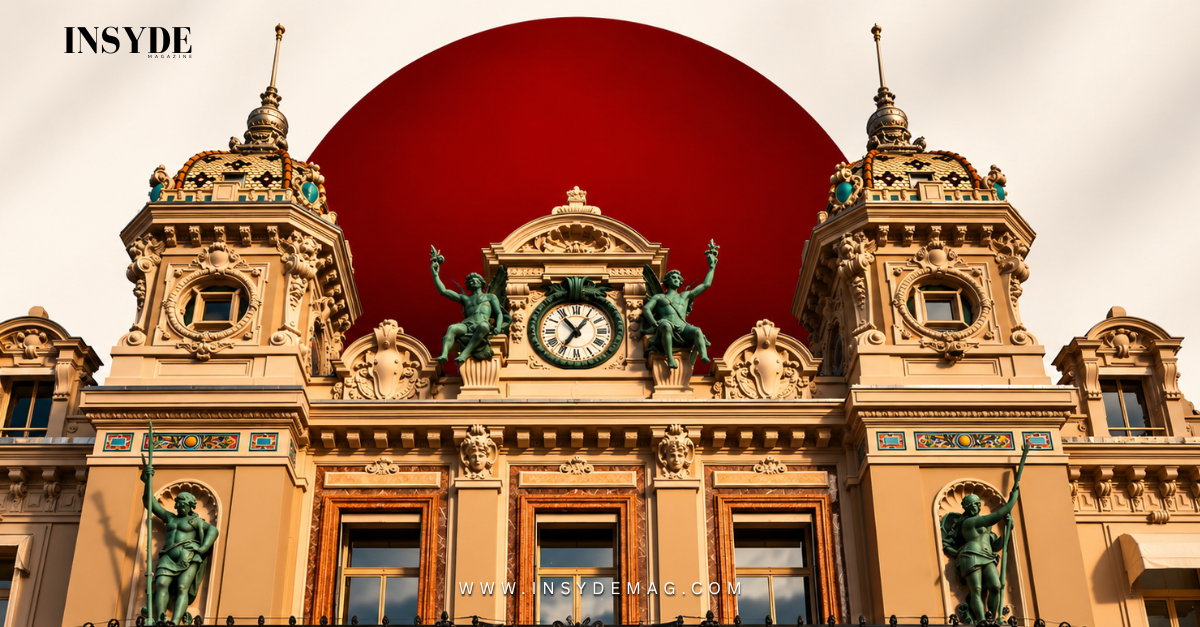
  • THE MONACO EFFECT: WHY THE WORLD’S WEALTHIEST YACHT OWNERS COME HERE

    THE MONACO EFFECT: WHY THE WORLD’S WEALTHIEST YACHT OWNERS COME HERE

    Beyond the glamour of Port Hercule, Monaco has built an extraordinary position at the intersection of superyacht ownership, international capital, luxury hospitality and the global maritime economy. What makes the Principality such an enduring point of attraction for the world’s wealthiest yacht owners?

    By INSYDE Magazine | Luxury


    There are destinations that offer a beautiful coastline. There are ports that offer sophisticated maritime infrastructure. And then there is Monaco: a place where the world’s most extraordinary yachts arrive within sight of some of the most valuable real estate on the planet.

    At Port Hercule, the arrival of a 60-metre superyacht is rarely an isolated spectacle. It is part of a much larger environment in which private wealth, international business, luxury hospitality and the global yachting industry intersect. The harbour is both a working maritime facility and a highly visible expression of Monaco’s position in the international luxury economy.

    For the individuals who own these vessels, the attraction is not necessarily a question of finding the most beautiful place to drop anchor. It is about finding a destination that delivers several forms of value simultaneously: access, infrastructure, discretion, connectivity, reputation and proximity to an established network of influential people.

    Monaco has spent decades cultivating precisely that combination.

    Its appeal cannot be reduced to a favourable tax environment or a prestigious address. It is the result of a carefully developed ecosystem in which a relatively small territory occupies an unusually influential position in the world of superyachting.

    This is the Monaco effect.
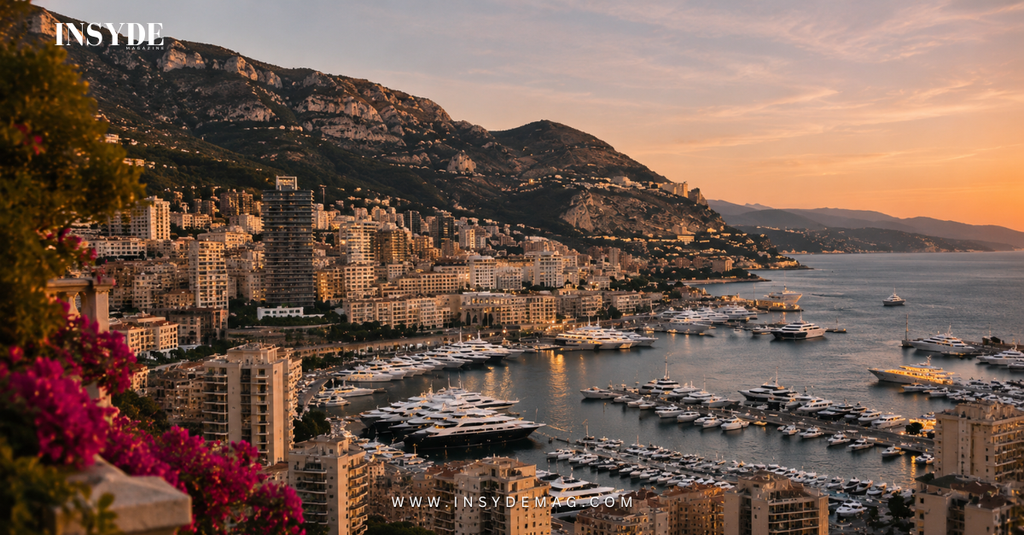
    A PRINCIPALITY WITH AN OUTSIZED MARITIME PRESENCE

    Monaco’s relationship with the sea is fundamental to its identity. Positioned along the French Riviera, between France and Italy, the Principality occupies one of the Mediterranean’s most recognisable stretches of coastline.

    Its principal harbour, Port Hercule, is more than an attractive setting for some of the world’s largest private vessels. It is a functioning maritime facility designed to accommodate an international yachting clientele.

    According to the Société d’Exploitation des Ports de Monaco, Port Hercule has 760 berths, with depths ranging from 2.5 metres to 55 metres within its basins. The port also provides round-the-clock monitoring, freshwater, electricity, fuel facilities and access to specialist maritime services. Two shipyards and private careening areas operate within the port environment.

    For a superyacht owner, these details matter.

    A vessel of considerable length and displacement cannot be accommodated by every marina. Draft, manoeuvring space, berthing configuration, shore-side utilities, technical support and security all influence where a yacht can operate comfortably.

    The operational requirements become more demanding as vessels grow in size and complexity. A yacht is not simply a floating residence; it is a sophisticated asset requiring continuous technical oversight, crew management, maintenance, provisioning and regulatory compliance.

    Port Hercule’s facilities give Monaco a practical foundation for its reputation. The Principality is not relying on visual prestige alone. It has an established maritime infrastructure within one of the Mediterranean’s most recognised luxury destinations.

    Yet infrastructure explains only part of the attraction. Monaco’s real distinction lies in what surrounds the harbour.

    THE BUSINESS OF BEING IN MONACO

    Every September, Port Hercule becomes the centre of the international superyacht industry.

    The Monaco Yacht Show has evolved into one of the industry’s defining annual gatherings, bringing together shipyards, designers, naval architects, brokers, equipment manufacturers, yacht managers and prospective buyers.

    The 35th edition, held from 23 to 26 September 2026, welcomed 30,678 visitors and 560 exhibitors, according to the show’s official 2026 results. Across the harbour, 118 superyachts were presented, with an estimated combined value of €4.5 billion. Fifty of those vessels had been delivered during 2026, and the average length of the displayed fleet was 47.5 metres.

    These figures are significant not simply because of the value of the yachts on display, but because of the concentration of the industry they represent.

    A prospective owner considering a new commission may need to engage with a shipyard, naval architect, interior designer, technical consultant, broker, legal adviser and management company. The process can involve years of planning, substantial capital commitments and a network of international specialists.

    The Monaco Yacht Show brings many of these participants into one environment. It allows prospective buyers to compare vessels, meet the people behind their construction and explore the services required to operate them.

    For established owners, it offers an opportunity to reconnect with an industry network. For shipyards and brokers, it provides direct access to a highly qualified international audience. For Monaco, it reinforces the Principality’s position as a meeting point for the business of extreme luxury.

    The importance of this ecosystem is reflected in the wider economics of the sector. A 2026 study commissioned by the Superyacht Builders Association and the Superyacht Life Foundation estimates that the global superyacht industry generated €54 billion in total economic output. The research is based on 2022 economic data and covers yachts exceeding 30 metres, including construction, refit, operations, brokerage, charter and associated tourism.

    The study estimates €22 billion in direct expenditure and a further €32 billion in indirect economic activity. Fleet operations and tourism accounted for the largest share of the total impact, at approximately €27.1 billion.

    The figures are global, not Monaco-specific. But they illustrate why a destination that attracts owners, vessels and industry professionals can be commercially important well beyond the marina itself.
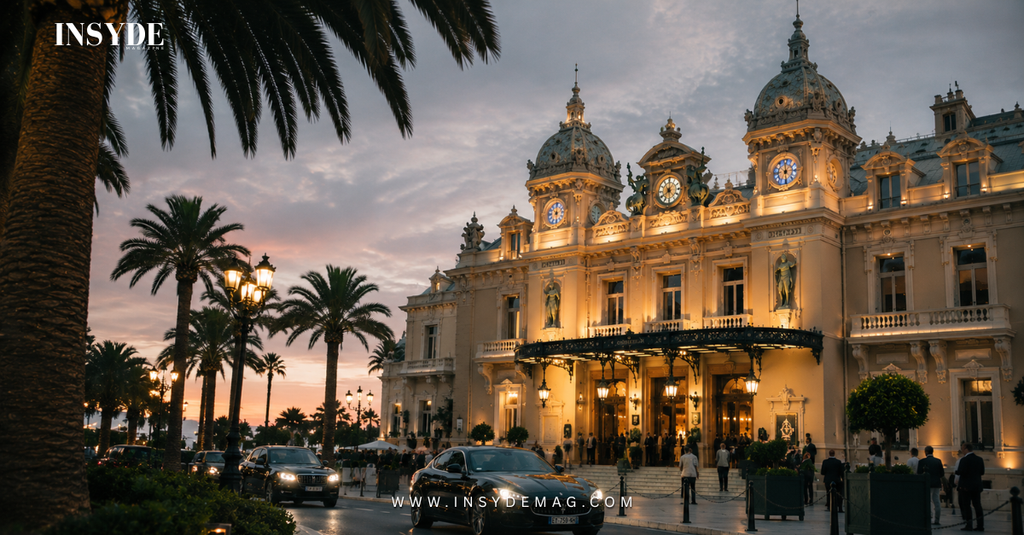
    THE NEW ECONOMICS OF EXTREME YACHT OWNERSHIP

    The superyacht market is often described through extraordinary purchase prices. But the economics of ownership extend much further.

    A yacht represents a substantial capital commitment, followed by recurring expenditure on crew, insurance, fuel, maintenance, technical upgrades, refits, management and berthing. The financial profile changes considerably with vessel size, age, usage, specification and operational arrangements.

    The market itself is also more nuanced than the popular image of an uninterrupted luxury boom.

    According to BOAT International’s Global Order Book 2026, 1,093 yachts of 24 metres and above were on order or under construction worldwide at the beginning of the year, representing approximately 44,637 metres of combined yacht length. Italy remained the leading construction country by project volume, with 568 yachts in the order book.

    The number of projects was lower than the previous year’s total, suggesting a market that has moved away from the extraordinary post-pandemic ordering surge. At the same time, the average size of yachts in the order book continued to increase.

    This distinction matters. A smaller number of projects does not necessarily mean that the industry is becoming less ambitious. The market is increasingly characterised by a focus on larger vessels, sophisticated specifications and more selective purchasing decisions.

    The latest brokerage figures offer another perspective.

    In its third-quarter 2026 market review, International Yacht Company reported that 675 yachts were sold between January and September, with a combined value of $7.3 billion. The report described a market in which buyers remained active but increasingly selective, with pre-owned vessels supporting transaction activity as the new-build segment softened.

    Separately, Northrop & Johnson’s Q3 2026 market report recorded 472 pre-owned yacht sales of 24 metres and above during the first nine months of 2026, with a combined transaction value of approximately $5.2 billion. That represented a 1 per cent decrease in transaction volume and a 4.7 per cent decline in total sales value compared with the same period in 2025.

    These reports use different market coverage and methodologies, so their figures should not be combined. Together, however, they point towards a more considered purchasing environment.

    For ultra-high-net-worth buyers, the question is increasingly about the right vessel, the right specification, the right ownership structure and the long-term cost of operation—not simply acquiring the largest yacht available.

    Monaco’s relevance is strengthened by this complexity. Its international network of brokers, designers, advisers, service providers and industry events places owners within reach of the expertise required to navigate an increasingly sophisticated market.

    ACCESS, NETWORKS AND THE VALUE OF PROXIMITY

    For the wealthiest individuals, access can be as valuable as ownership.

    A superyacht offers a degree of independence that conventional luxury hospitality cannot always replicate. It can function as a private residence, a setting for entertaining, a platform for travel and an environment in which business and personal life can coexist.

    But the yacht is only one part of the experience.

    The people who operate at the highest levels of international business, finance, fashion, entertainment and private investment often move through a relatively concentrated calendar of global destinations and events. Monaco occupies a prominent position within that circuit.

    The Principality’s international profile is reinforced by the Monaco Grand Prix, the Monaco Yacht Show, high-profile sporting events and a luxury hospitality sector that attracts an international clientele.

    The Automobile Club de Monaco and the Yacht Club de Monaco are part of this wider identity. The latter, in particular, reflects the Principality’s commitment to positioning yachting as more than a recreational pursuit: it is also a professional, cultural and international community.

    For yacht owners, the advantage is proximity to a network that extends beyond the vessel itself.

    A visit to Monaco can combine time aboard a yacht with meetings, private hospitality, industry events and access to the wider Riviera. The destination offers a setting in which professional relationships and leisure can occupy the same geographical space.

    This is not a benefit exclusive to Monaco. Other international centres offer their own networks and advantages. But few destinations combine this level of global recognition with such a concentrated luxury environment.

    THE TAX ADVANTAGE — AND THE REALITY BEHIND IT

    Monaco’s fiscal reputation is one of the most frequently cited reasons for its appeal among internationally mobile wealthy individuals.

    As a general rule, Monaco does not levy personal income tax on individuals who are genuinely resident in the Principality. This position is subject to important exceptions, most notably the provisions governing certain French nationals under the France–Monaco tax convention.

    The French government’s official tax guidance explains the treatment of individuals residing in Monaco under the 1963 France–Monaco tax convention. Certain French nationals who establish residence in Monaco remain liable to French income tax under the convention’s provisions.

    For internationally mobile individuals, however, the wider question is more complicated than the headline tax rate.

    Tax residence depends on the facts of an individual’s circumstances, including the location of their principal home, personal and economic interests, time spent in different jurisdictions and applicable bilateral agreements. Nationality, corporate structures, the source of income and existing tax obligations may also be relevant.

    Yacht ownership introduces another layer of complexity. The vessel’s flag, place of registration, ownership structure, operational arrangements, VAT position, customs status and cruising activity can all have implications.

    Owning a yacht in Monaco or keeping one at Port Hercule does not automatically establish personal tax residence in the Principality.

    For this reason, Monaco’s fiscal environment should be understood as one element of a broader international residency and wealth-planning decision, rather than a universal advantage available simply through yacht ownership.

    The more enduring appeal is the combination of a recognised international jurisdiction, a sophisticated private-services environment and a lifestyle that has attracted wealthy residents and visitors for generations.
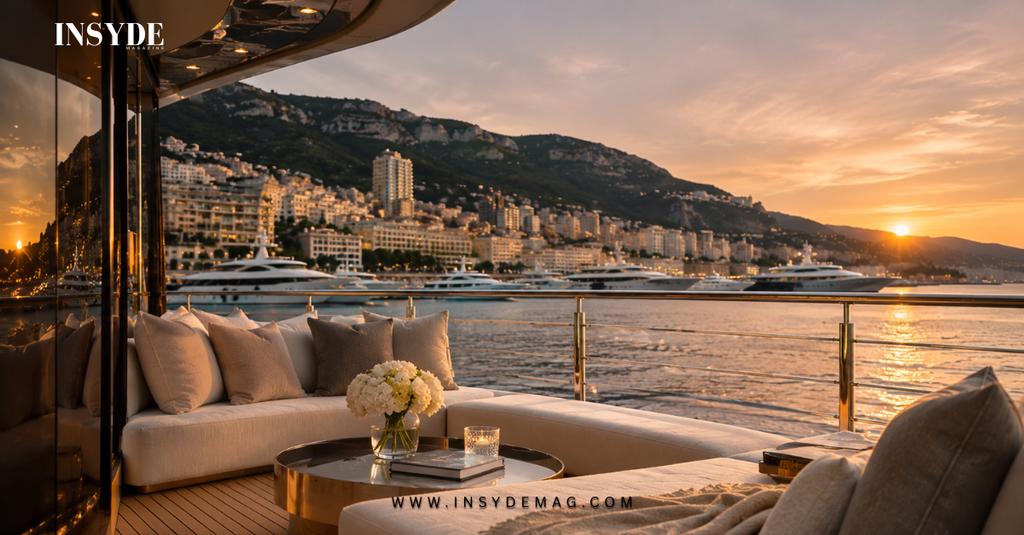
    THE MEDITERRANEAN, WITH MONACO AT ITS CENTRE

    Geography remains one of the Principality’s most persuasive advantages.

    Monaco sits within reach of some of the Mediterranean’s most established cruising destinations. The French Riviera offers Nice, Antibes, Cannes and Saint-Tropez. Further east, the Italian coastline leads towards Sanremo and Portofino, with longer itineraries extending towards Corsica and Sardinia.

    For an owner, this creates flexibility. Monaco can be a seasonal base, a stop within a wider itinerary or a destination for a few days between coastal passages.

    The Principality is not, however, the only serious maritime centre in the region.

    Antibes has a long-established role in yacht services, maintenance and refit. Palma de Mallorca is an important Mediterranean sailing, service and refit destination. Ports along the Italian Riviera offer access to their own cruising grounds and hospitality networks.

    The choice between these locations depends on the owner’s priorities. Technical support, berth availability, vessel dimensions, seasonal requirements, operating costs and preferred cruising routes can all influence the decision.

    Monaco’s advantage is the combination of its Riviera location with its international identity and social infrastructure. It is not necessarily the most practical base for every vessel or every itinerary. It is, however, one of the most recognisable places in which to participate in the Mediterranean’s luxury and yachting culture.

    THE COST OF A COVETED ADDRESS

    Prestige has a price, and Monaco is no exception.

    The Principality’s limited geographical footprint places natural constraints on both its real-estate market and its maritime infrastructure. Berths at a recognised harbour are finite, while demand can vary considerably according to vessel size, season and location within the port.

    The official Ports of Monaco tariff information publishes separate rates for Port Hercule, Port de Fontvieille and Cala del Forte. The applicable charges depend on the port, vessel dimensions, period of stay and berth arrangements. Larger vessels may require individual arrangements rather than a simple standard berth calculation.

    For a superyacht owner, the berth is only one part of the annual financial commitment.

    Crew salaries, insurance, fuel, maintenance, repairs, provisioning, technical upgrades and refit work all contribute to the cost of keeping a vessel operational. The larger and more complex the yacht, the more substantial its support requirements can become.

    The global economic study commissioned by SYBAss and the Superyacht Life Foundation provides a useful indication of the scale involved. It estimates average daily operational expenditure of approximately €14,000 for yachts measuring 30–40 metres, rising to approximately €77,000 for vessels exceeding 60 metres. These are modelled industry averages based on the study’s 2022 data, not quotations or guaranteed current costs for individual vessels.

    This is a crucial distinction. The financial reality of ownership depends on how a yacht is used, where it operates, its technical specification and the level of service expected by its owner.

    For some, Monaco’s premium is justified by its location, reputation and access to the international luxury network. For others, a different port may offer better operational or financial value.

    The most sophisticated owners understand that prestige and practicality are not always the same thing.

    THE NEXT CHAPTER: SUSTAINABILITY, TECHNOLOGY AND LONG-TERM VALUE

    The future of superyachting will be shaped by more than size and design.

    Environmental performance, fuel efficiency, alternative propulsion systems, emissions management and the availability of sustainable operating solutions are becoming increasingly important considerations for the industry.

    The Monaco Yacht Show has begun to reflect this shift through its Blue Wake programme, which highlights sustainable solutions and technologies relevant to the yachting sector.

    The significance of this development extends beyond environmental positioning. Technology and efficiency can influence operating expenditure, regulatory compliance, maintenance requirements and the long-term attractiveness of a vessel in the resale market.

    The Water Revolution Foundation is among the organisations working with the superyacht industry on environmental performance and more sustainable practices. Its work reflects a broader recognition that the future value of a yacht may increasingly depend on how responsibly and efficiently it is designed and operated.

    For owners commissioning a vessel expected to remain relevant for decades, these questions are becoming part of the design and investment conversation from the beginning.

    Monaco’s ability to bring together shipyards, designers, technology providers and owners places it in a position to remain part of that conversation.

    WHY MONACO STILL MATTERS

    There are larger marinas. There are quieter anchorages. There are destinations that may be better suited to a particular vessel’s maintenance requirements or cruising itinerary.

    But Monaco offers something that is more difficult to reproduce: a concentrated relationship between maritime infrastructure, international wealth, luxury hospitality, global events and an established community of influential people.

    Its harbour is the physical expression of that relationship. The Monaco Yacht Show gives it an annual commercial stage. Its location connects owners to the Mediterranean. Its hospitality and private-services ecosystem reinforces its position as a destination for an international luxury clientele.

    The Principality’s influence is therefore not measured simply by the number of yachts in its waters or the value of the vessels displayed during a single week in September.

    It is measured by the network that gathers around them.

    For the world’s wealthiest yacht owners, Monaco is rarely just a place to moor a vessel. It can be a place to meet, to do business, to entertain, to access the Riviera and to participate in a global culture built around the pursuit of exceptional experiences.

    The yacht may be the most visible symbol of that world. But the real attraction is everything that exists around it.

    In Monaco, the harbour is only the beginning.


    INSYDE examines the people, businesses, culture and experiences shaping the world of luxury. This article is intended as editorial analysis, not personal investment, legal, tax or yacht-ownership advice.


    INSYDE MAGAZINE – No.1 Luxury Magazine in Bangalore
  • MESSI’S $10 MILLION YACHT: THE ART OF EXTREME LUXURY

    MESSI’S $10 MILLION YACHT: THE ART OF EXTREME LUXURY

    Beyond football’s greatest stages, Lionel Messi is entering another world of performance, privacy and privilege. His new Sunreef ULTIMA 88 reveals how the business of luxury is evolving — from owning extraordinary objects to creating extraordinary experiences.

    INSYDE | Luxury | People | The Business of Luxury

    There is a particular kind of luxury that does not need an audience.

    It exists in the quiet of an open sea, in the freedom to change destinations without changing rooms, and in the knowledge that the world can continue moving while, for a moment, you are somewhere beyond its reach. No reservations to coordinate. No public spaces to navigate. No fixed view beyond the windows. Just the horizon, the water and the freedom to decide what comes next.

    For Lionel Messi, that world is taking a new shape.

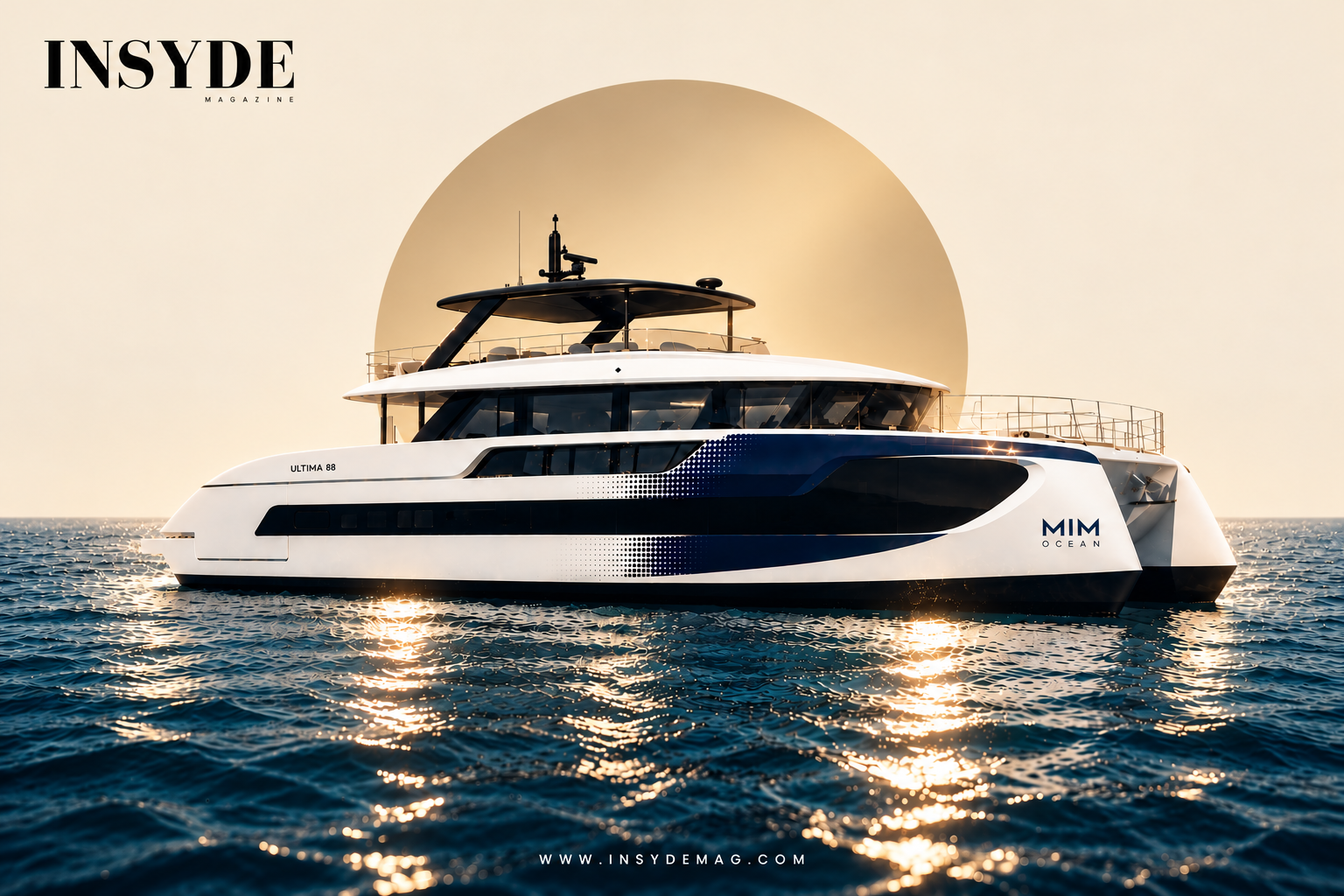
    On 13 October 2026, Polish yacht builder Sunreef Yachts announced that the Argentine football icon had ordered a Sunreef ULTIMA 88, a 28.4-metre luxury power catamaran being built at the company’s shipyard in Ras Al Khaimah, United Arab Emirates. The yacht is intended to join MIM Ocean, the charter venture Messi operates in partnership with Med Cat Yachts.

    The headline figure circulating around the order is approximately €8–9 million, or roughly US$9–10 million depending on exchange rates. The actual contract price has not been publicly disclosed by the builder or Messi, so the valuation remains an estimate rather than a confirmed purchase figure.

    But the money is only the opening chapter.

    The more revealing story is about the architecture of modern luxury: how performance engineering meets private hospitality, how a sporting icon’s commercial interests extend beyond the pitch, and why the most desirable possessions are increasingly judged by the experiences they make possible.

    Messi’s new yacht is not simply another expensive addition to a celebrity’s lifestyle. It offers a compelling case study in the business, psychology and evolving design of extreme luxury.

    THE PRICE OF A PRIVATE HORIZON

    In the public imagination, wealth is often measured through objects. The supercar in the driveway. The watch beneath a tailored cuff. The residence overlooking a coastline that most people experience only on holiday.

    A yacht occupies a different category.

    It is a residence that moves, a transport system that doubles as a social environment, and a private setting that can travel between destinations. Its value is not restricted to the materials from which it is built. It also lies in the control it offers over time, space and access.

    That distinction helps explain why the superyacht remains one of the most powerful symbols of extreme wealth.

    A luxury hotel can provide exceptional service, but its spaces are shared with other guests. A private villa offers seclusion, but it remains tied to one location. A yacht combines elements of both while adding mobility. The owner can move between coastlines, anchor away from crowded marinas and create a highly personalised environment for family, friends or guests.

    For a person whose professional life involves global attention, that degree of control has an obvious appeal. Nevertheless, Messi’s personal motivations for ordering this particular yacht have not been fully disclosed, and the significance of the purchase should not be reduced to speculation about his private life.

    What is clear is the scale of the asset and the wider business context in which it sits.

    At an estimated price approaching US$10 million, the ULTIMA 88 belongs to a world where the initial transaction is only one component of the commitment. Crew, maintenance, insurance, fuel, berthing, technical servicing and eventual refits can all contribute substantially to the cost of ownership.

    Extreme luxury is not simply the ability to acquire an extraordinary object. It is the ability to operate, maintain and personalise it over time.

    That is where the real economics of the superyacht begin.

    INSIDE THE SUNREEF ULTIMA 88

    The Sunreef ULTIMA 88 occupies an interesting position within contemporary yacht design. It seeks to combine the dynamic character of a performance-oriented power yacht with the width, stability and living space associated with a multihull.

    According to Sunreef’s published specifications, the model measures approximately 28.4 metres in length and 9.3 metres across the beam. The shipyard lists approximately 387 square metres of living space, an unusually expansive figure that illustrates the design priorities of the platform.

    The distinction matters because yacht design is not only about how a vessel looks from the water. It is also about how people inhabit it.

    The ULTIMA 88’s defining feature is its relationship with the sea. Opening side platforms and an aft garage create what Sunreef calls an Ocean Lounge, extending the usable space towards the water when the yacht is at anchor. The layout is intended to make the transition between interior living areas and the surrounding marine environment feel more immediate.

    A full-beam owner’s suite, guest accommodation and open social areas complete the experience.

    Instead of treating the sea as a view beyond the deck, the design brings it into the living environment. The aft area can become a place to relax beside the water, while the interior provides a more sheltered setting for dining, resting and socialising.

    This is an important distinction in the contemporary luxury market. Increasingly, the product is not just the object itself; it is the quality of the interaction between the object, its surroundings and the person using it.

    In a yacht, that interaction is shaped by everything from the arrangement of the decks to the ease with which guests can move between spaces. A spectacular exterior may attract attention, but a successful vessel must work just as well during the ordinary hours spent aboard.

    Sunreef’s published model specifications also include different propulsion configurations. The exact technical specification selected for Messi’s commissioned yacht has not been publicly confirmed, so the model’s advertised features should not automatically be treated as the final specification of his individual vessel.

    That distinction is important. A bespoke yacht is not always identical to a standard model description. Its final configuration can depend on the owner’s requirements and the contract agreed with the shipyard.

    The ULTIMA 88’s appeal lies in its attempt to reconcile performance, generous space and contemporary onboard living within a single design.

    For the modern luxury buyer, that balance may be more persuasive than sheer size alone.

    WHY THE CATAMARAN MATTERS

    For much of the superyacht market’s history, the conventional monohull has defined the familiar image of luxury at sea: a long hull, a prominent profile and a sequence of decks rising above the water.

    A catamaran takes a different approach.

    Its two-hull configuration creates a broad platform that can accommodate substantial interior and exterior space. Depending on the design, it can also offer stability and access to certain shallower anchorages compared with some monohull alternatives.

    The trade-offs matter. A wider vessel can face different marina constraints, and performance, fuel consumption, handling and range depend on the engineering, propulsion system and operating conditions. No single hull configuration is automatically superior in every situation.

    What the catamaran format offers is a different way of organising life aboard.

    On the ULTIMA 88, that additional width supports the emphasis on open living spaces and the Ocean Lounge. The vessel is conceived not merely as a machine for travelling between destinations, but as a place in which people can spend meaningful time once they arrive.

    This becomes especially relevant when considering the yacht’s intended role within a charter operation. Guests are not paying only for the journey from one port to another. They are paying for the environment, the accommodation, the service and the activities that take place during their time aboard.

    The design therefore has implications beyond aesthetics. It influences how the yacht can be used, the type of experience it can deliver and the way it can be positioned within the luxury-hospitality market.

    The ULTIMA 88 is an example of how yacht builders are attempting to compete through the intelligent use of space and the integration of leisure into the vessel’s architecture.

    In this segment, engineering and experience are increasingly inseparable.

    FROM FOOTBALL ICON TO LUXURY HOSPITALITY

    The most commercially interesting aspect of Messi’s new yacht may not be its estimated price. It may be the business it is intended to join.

    MIM Ocean’s official website describes a venture combining Messi’s MIM Hotels experience with the charter expertise of Med Cat Yachts. Its existing offering centres on professionally crewed Bali catamarans, with summer operations in the Balearic Islands and winter-season availability in the Caribbean and Bahamas.

    The proposition is built around private sailing holidays, with accommodation, crew, food and water-based activities forming part of the guest experience.

    The Sunreef order is intended to expand that wider offering.

    This places the yacht within a business model that connects celebrity recognition with hospitality and premium leisure. The association with Messi can attract attention, but the long-term success of a charter operation depends on more practical considerations: service quality, operating costs, pricing, availability, customer satisfaction and the ability to deliver a consistent experience.

    That distinction is essential when discussing celebrity wealth.

    A high-value asset can be used for personal enjoyment, commercial activity or a combination of both. Its financial performance cannot be established simply by knowing who owns it or how much it may cost.

    In Messi’s case, the yacht’s announced destination within MIM Ocean creates a clear connection to an existing commercial venture. It does not, however, establish the vessel’s future revenue, profitability or investment return.

    Those outcomes would depend on information that has not been made public, including the final acquisition price, annual operating expenditure, charter rates, utilisation and the division of costs between private and commercial use.

    The commercially relevant question is therefore not whether the yacht will make money. It is how the vessel will be integrated into a broader hospitality offering and what kind of experience it will enable the business to sell.

    That is a more revealing way to understand the order than treating it solely as a display of celebrity spending.

    Messi’s global profile and the yacht’s design may help differentiate the offering. But the business must ultimately be judged by its operations.

    THE BUSINESS OF EXTREME LUXURY: WHAT THE 2026 MARKET REVEALS

    The timing of the order is particularly interesting because the wider yacht market presents a more complicated picture than the familiar narrative of ever-rising luxury spending.

    According to Northrop & Johnson’s Q3 2026 Superyacht Market Report, 472 pre-owned yachts measuring at least 24 metres were sold globally during the first nine months of 2026, compared with 477 over the same period in 2025.

    That represents a year-on-year decline of approximately 1%.

    The combined value of those transactions fell from US$5.46 billion to US$5.20 billion, a reduction of approximately 4.7%.

    At first glance, those figures suggest a market that remains active but is not expanding uniformly in value. The number of transactions has remained relatively stable, while the aggregate value of completed sales has declined.

    The supply side tells a complementary story. The report records 1,400 new central-agency listings during the first nine months of 2026, up 5.5% from 1,327 in the corresponding period of 2025. Price reductions also increased, rising 7.2% to 1,949.

    For buyers in the brokerage market, that combination can mean greater choice and more scope to negotiate. For sellers, it reinforces the importance of pricing a vessel realistically in relation to competing inventory.

    However, these numbers require careful interpretation. They concern the pre-owned brokerage market for yachts of at least 24 metres, not every segment of marine leisure, and they do not measure demand for Messi’s specific new-build order.

    The report also shows why the market should not be reduced to a single growth or decline narrative.

    During the first nine months of 2026, sales in the 40–50-metre pre-owned segment rose from 49 to 63, an increase of approximately 29%. Elsewhere, demand was more uneven.

    New-build activity was more subdued overall. The same report recorded 216 reported new-build sales of yachts measuring at least 24 metres during the first nine months of 2026, compared with 266 in the corresponding period of 2025. The figures remain provisional because transactions can be reported retrospectively.

    Charter activity, meanwhile, presented a more positive picture. Northrop & Johnson reported an 18.5% increase in charter bookings during the first nine months of 2026, alongside a 17.4% increase in booked days. The number of individual yachts receiving bookings rose by 1.8%, from 1,641 to 1,670.

    These figures suggest that charter activity increased across a broadly similar number of vessels. They do not prove that every yacht or destination performed equally well, but they offer evidence of stronger activity in the reported charter market.

    Taken together, the data illustrates a market with different dynamics across brokerage, new construction and charter operations.

    That distinction is crucial to understanding Messi’s order.

    The new yacht belongs to the new-build market, while its intended place in MIM Ocean connects it to the charter sector. The pre-owned sales figures offer useful context about the broader industry, but they cannot be used as a direct valuation benchmark for the ULTIMA 88.

    The lesson is that extreme luxury is not one unified market. It is a collection of connected businesses, each with its own economics.

    WHY EXPERIENCE HAS BECOME THE REAL LUXURY

    A yacht can be evaluated through its dimensions, propulsion, finish and price. Yet these specifications explain only part of its appeal.

    The rest lies in what ownership makes possible.

    A yacht can turn a holiday into a private itinerary. It can bring accommodation, dining, transport and leisure together in one environment. It can provide a setting in which time is organised around the people aboard rather than around the operating hours of a hotel, resort or public attraction.

    This is where the economics of extreme luxury intersect with its psychology.

    For many affluent consumers, luxury is not simply a question of buying a more expensive version of an ordinary product. It is about reducing friction, increasing choice and gaining control over how time is spent.

    That does not mean privacy and experience have replaced visible status. Both remain important, and their relative significance varies from one buyer to another.

    But the ULTIMA 88 illustrates how a single asset can serve several dimensions of luxury at once. It can be a design object, a private retreat, a means of travel and a platform for hospitality.

    The value lies in the combination.

    For someone whose professional identity is constantly visible, a private environment may offer a different kind of appeal from another highly visible possession. Yet this remains an interpretation of the wider luxury market, not a claim about Messi’s undisclosed personal motivations.

    What can be observed is the design and business proposition itself: a vessel built around performance and living space, intended for a venture that sells private sailing experiences.

    The modern luxury proposition is increasingly about the complete experience rather than the isolated product.

    THE COST OF OWNING A DREAM

    An estimated US$10 million acquisition price may dominate the headlines, but it is not a complete measure of the yacht’s financial commitment.

    Large yachts require ongoing expenditure on crew, servicing, insurance, fuel, berthing, technical support and provisions. The scale of these costs varies with the vessel’s systems, operating schedule, cruising distances and intended use.

    A yacht that spends much of the year in private use may have a different financial profile from one operated commercially. A charter vessel also faces the challenge of balancing customer demand against maintenance periods, seasonal availability and the cost of delivering a premium service.

    There is no reliable basis for assigning Messi’s yacht a specific annual running cost or projected charter income without its final specification and operating arrangements.

    The same caution applies to resale value. A yacht’s future market price will depend on its condition, build quality, specification, maintenance history, market conditions and the availability of comparable vessels.

    Nor should a commissioned yacht automatically be described as an investment. It may be a lifestyle asset, a business asset or a combination of the two. Whether it generates a financial return is a separate question that requires evidence.

    These distinctions are important because luxury reporting often concentrates on the acquisition while overlooking the economics of ownership.

    The price of entry is only one part of the story. Sustaining the experience is another.

    For MIM Ocean, the commercial calculation will ultimately depend on how the vessel is operated and how effectively its offering matches customer demand. For Messi personally, the full balance between private use and commercial use has not been disclosed.

    The responsible conclusion is not to assume profitability or extravagance beyond the evidence. It is to recognise the complexity behind an asset of this scale.

    PERFORMANCE, DESIGN AND THE QUESTION OF SUSTAINABILITY

    Luxury yachting also faces a question that extends beyond comfort and prestige: how can high-performance marine engineering become more efficient?

    Sunreef’s wider ULTIMA and Eco product portfolio highlights areas such as hybrid propulsion, battery systems and solar technology. These are relevant developments in an industry exploring different ways to reduce energy consumption and improve the onboard experience.

    However, a distinction must be made between technology available within a manufacturer’s wider range and the equipment installed on a particular vessel.

    The exact propulsion and energy systems commissioned for Messi’s ULTIMA 88 have not been fully disclosed. It would therefore be inaccurate to describe his yacht as a specific hybrid or solar-powered configuration without confirmation.

    More broadly, hybrid systems and solar generation do not automatically make a yacht emissions-free. Environmental performance depends on factors such as propulsion, energy demand, cruising speed, operating profile and the source of the energy used.

    For the industry, the opportunity is to make efficiency part of the engineering brief rather than treating it as an afterthought. Improvements in energy management, hull design and onboard systems can matter, although their actual benefits must be assessed against the vessel’s full operating requirements.

    For a luxury buyer, sustainability is increasingly a question of engineering and evidence, not merely a marketing label.

    The future of premium yachting will depend partly on how successfully builders combine the expectations of performance and comfort with more responsible use of energy and resources.

    MESSI’S NEW YACHT AND THE FUTURE OF CELEBRITY LUXURY

    The relationship between celebrity and luxury has always been commercially powerful. A recognisable name can bring attention to a product, create cultural relevance and give a business a distinctive public identity.

    But attention alone does not create a successful enterprise.

    Messi’s yacht order brings these elements together. His global sporting profile gives the announcement immediate visibility. Sunreef contributes specialist design and engineering. MIM Ocean provides an existing hospitality context in which the vessel is intended to operate.

    The combination is more interesting than any one element in isolation.

    It shows how a global sporting identity can connect with a premium leisure business, while also demonstrating the importance of execution. The vessel must be built, delivered, operated and maintained. A charter business must attract customers and provide a consistently high-quality experience. The public profile can open the door, but the product and service must justify the proposition.

    This is a useful lesson for the broader luxury sector.

    The strongest luxury businesses do not sell only an object or a name. They build a coherent experience around design, service, access and trust.

    In that sense, the ULTIMA 88 is more than a headline about an expensive yacht. It sits at the intersection of marine engineering, celebrity culture and experience-led hospitality.

    Its commercial significance will become clearer as more information emerges about the final vessel and its operation.

    For now, the order provides a tangible example of how luxury assets can connect private enjoyment with wider commercial ambitions.

    THE ART OF EXTREME LUXURY

    Extreme luxury is often presented through numbers: metres of hull, horsepower, cabin counts and estimated prices.

    Those details are part of the story. They communicate the engineering involved, the space available and the scale of the financial commitment.

    But they do not fully explain the attraction.

    The deeper appeal is the freedom to shape an experience around personal preferences. It is the ability to travel without relying on a fixed location, to spend time in a carefully designed environment and to make decisions about how a day unfolds.

    Messi’s Sunreef ULTIMA 88 captures that idea in a distinctly contemporary form. Its multihull architecture emphasises space and the relationship between the interior and the water. Its intended place in MIM Ocean links the yacht to a commercial hospitality venture. And its arrival comes at a time when the wider yacht industry is navigating uneven brokerage demand alongside stronger reported charter activity.

    The estimated price may be the detail that attracts immediate attention, but it is not the most revealing one.

    The more meaningful story is the convergence of design, privacy, engineering and experience — and the way those elements are being packaged into a modern expression of wealth.

    The yacht is still under construction, its final contract price remains undisclosed, and its eventual commercial performance is yet to be established.

    What is already clear is that luxury at this level is about more than possession.

    It is about the ability to create a world of your own, even if only for a few days at a time.

    At sea, the ultimate symbol of privilege may not be the vessel itself.

    It may be the freedom to decide where the horizon leads next.


    Price note: The approximately US$9–10 million valuation is an estimate reported by media outlets, not a confirmed contract price. The vessel’s final specification, delivery date and operating economics have not been fully disclosed.

    INSYDE MAGAZINE

    Luxury. Culture. People. What comes next.

    BENGALURU’S NO. 1 LUXURY MAGAZINE

  • The Luxury of Disappearing

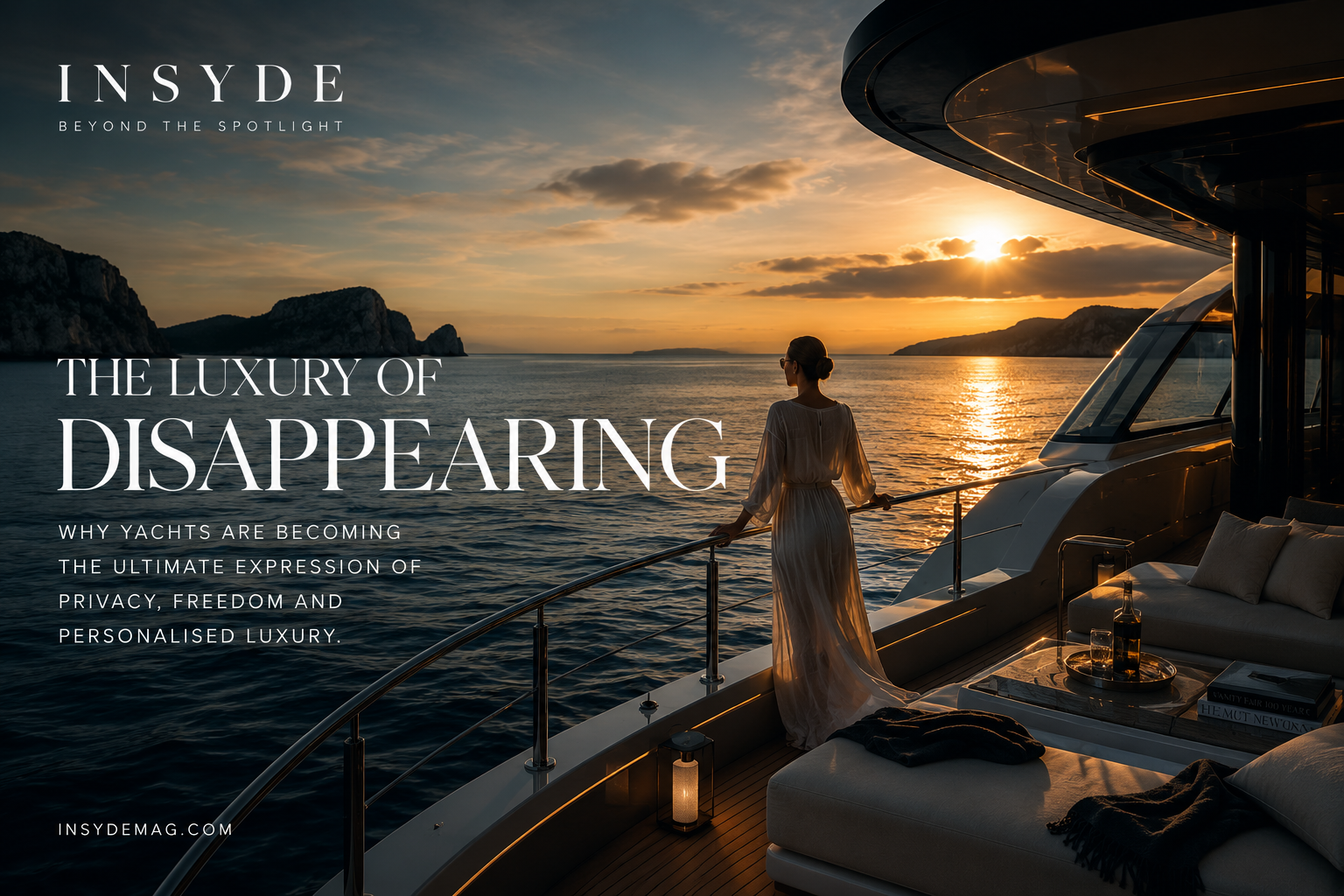
    The Luxury of Disappearing

    Why the world’s most private escapes are moving further offshore.

    There is a particular moment when a yacht leaves the harbour.

    The shoreline begins to disappear.

    The marina becomes smaller.

    The noise fades.

    And eventually, there is almost nothing left but open water.

    No lobby.

    No check-in desk.

    No crowded beach.

    No neighbouring suite.

    No one asking where you are going next.

    Just the horizon.

    For most people, that sounds like an extraordinary holiday.

    For someone who has access to almost everything, it represents something considerably rarer:

    privacy.

    That may be the most interesting thing happening in modern yachting.

    The superyacht has long been associated with excess — spectacular interiors, enormous decks, swimming pools, tenders, toys and seemingly limitless space.

    But the meaning of the yacht is changing.

    At the highest end of luxury, the conversation is becoming less about having more and more about having control over time, space and access.

    The yacht is no longer simply a symbol of wealth.

    It is becoming something more personal.

    A private world.

    One that happens to move.

    When Everything Is Available

    Luxury has traditionally been about access.

    A better hotel.

    A better table.

    A better seat.

    A better destination.

    A private car waiting outside.

    A flight that leaves when you want it to.

    But wealth changes the meaning of access.

    When almost everything is available, access itself becomes less rare.

    The more valuable commodities become time, privacy and control.

    That shift is increasingly visible across the luxury world. Knight Frank’s 2026 Wealth Report describes a broader movement toward more intentional, experience-led luxury, while its reporting on superyachts highlights continued demand among wealthy individuals for mobility and multi-location lifestyles.

    The yacht fits naturally into that world.

    It doesn’t simply take you somewhere.

    It allows you to decide where your world exists.

    The Yacht Isn’t the Luxury

    This is the distinction that matters.

    The yacht itself is not necessarily the luxury.

    The luxury is what it makes possible.

    You decide where to wake up.

    You decide who joins you.

    You decide when you leave.

    You decide where dinner happens.

    You decide how long you stay.

    You decide when the world disappears.

    A hotel can give you an extraordinary room.

    A private villa can give you privacy.

    A private jet can give you speed.

    But a yacht can combine all three while giving you something neither a hotel nor a jet can completely provide:

    the ability to take your private world with you.

    That is a fundamentally different proposition.

    The vessel becomes the architecture of freedom.

    The New Currency Is Privacy

    There was a time when luxury was most powerful when it was visible.

    The car needed to be recognisable.

    The watch needed to be distinctive.

    The hotel needed to be famous.

    The destination needed to be photographed.

    But the more visible the world becomes, the more valuable invisibility can become.

    For people whose lives are already highly exposed — through business, wealth, public profile or simply constant digital connectivity — privacy can become more valuable than spectacle.

    That is helping reshape luxury travel.

    Burgess reported in July 2026 that yacht-charter demand had risen sharply, with privacy, flexibility, personalised itineraries and experiential travel among the factors driving demand.

    The implication is subtle but important.

    The ultimate luxury may no longer be being seen in the right place.

    It may be being somewhere nobody else can reach.

    From Status Symbol to Private World

    A yacht has always carried symbolism.

    It says something about its owner.

    But symbolism is only the beginning.

    At the highest level, the yacht becomes something closer to a private residence.

    A dining room becomes a restaurant without another table in sight.

    A bedroom becomes a hotel suite with the horizon as its view.

    A pool becomes a private beach.

    A cinema becomes a room for a handful of people rather than hundreds.

    A deck becomes an office, a dining room, a gym, a lounge or simply somewhere to sit in silence.

    Modern yacht design is increasingly moving in this direction. Recent 2026 launches and deliveries show owners placing greater emphasis on natural materials, residential interiors, outdoor living, integrated wellness and spaces designed around individual lifestyles.

    The yacht is becoming less like a trophy.

    It is becoming a private ecosystem.

    A Home Without an Address

    There is something deeply appealing about a home that refuses to stay in one place.

    A traditional luxury residence is defined by its location.

    A yacht is defined by its ability to leave.

    One week, it can be anchored off the Mediterranean.

    Another, it can be crossing an ocean.

    And for owners interested in exploration, the destination doesn’t have to be the familiar circuit of luxury marinas.

    Explorer yachts are increasingly being designed around longer-range cruising, autonomy and access to remote destinations. Current yacht projects show owners prioritising expedition capability alongside comfort, wellness and highly personalised interiors.

    This represents a subtle change in the meaning of luxury.

    Luxury once meant reaching the world’s best-known places.

    Increasingly, it can mean reaching somewhere almost nobody else has.

    The Yacht Built Around You

    There is no single definition of the perfect yacht.

    That is precisely the point.

    One owner might want a floating family residence.

    Another might want an extraordinary platform for entertaining.

    Another may want a wellness retreat.

    Another may want a serious expedition vessel.

    Another may care about art.

    Another may care about diving, sailing, fishing or exploration.

    The yacht can be designed around the owner’s life rather than forcing the owner to adapt to the vessel.

    That is perhaps the purest expression of modern luxury.

    The product changes around you.

    Recent custom-yacht projects demonstrate just how far this philosophy can go, with owners influencing layouts, accommodation, beach clubs, technical spaces and operational capabilities throughout the construction process.

    The best luxury no longer asks:

    Which option do you want?

    It asks:

    What do you want to create?

    The Invisible Luxury of Service

    There is another reason exceptional yachts feel different.

    The people behind them.

    The captain.

    The chef.

    The engineers.

    The hospitality team.

    The specialists.

    The people who understand how the owner likes to live.

    The yacht appears effortless because an enormous amount of expertise exists behind the scenes.

    The guest sees the sunset.

    Someone else has already handled everything else.

    That is one of the great paradoxes of luxury.

    The more sophisticated the service, the less visible the machinery behind it.

    The experience should never feel like an operation.

    It should feel natural.

    Almost inevitable.

    When the Yacht Becomes Architecture

    The most compelling yachts increasingly deserve to be discussed alongside contemporary homes.

    Materials matter.

    Light matters.

    Proportion matters.

    Silence matters.

    The relationship between indoor and outdoor space matters.

    Natural materials, restrained palettes and residential interiors are becoming increasingly prominent across contemporary yacht design, replacing some of the decorative excess historically associated with superyachts.

    That doesn’t mean luxury has become less impressive.

    It has simply become more considered.

    A marble staircase can be beautiful.

    But so can a quiet room lined in natural wood with nothing competing for attention.

    The new question is not:

    How much can you put inside the yacht?

    It is:

    How does the space make you feel?

    Wellness at Sea

    Luxury is increasingly being measured by how you feel rather than simply what you possess.

    That idea is now moving deeper into yacht design.

    Wellness is no longer an afterthought.

    Recent 2026 yacht deliveries show dedicated spas, hydrotherapy, fitness areas, outdoor exercise spaces and wellness facilities being integrated into the architecture from the beginning rather than added as secondary amenities.

    The possibilities are becoming more sophisticated:

    A spa at sea level.

    A gym opening directly onto the water.

    A cold plunge after a morning swim.

    A private treatment room.

    A quiet space for meditation.

    A kitchen designed around a particular nutritional philosophy.

    Or simply enough room to slow down.

    The direction is revealing.

    Luxury is moving from stimulation to restoration.

    From entertainment to wellbeing.

    From having more to feeling better.

    The Quiet Yacht

    Perhaps the most interesting luxury trend of all is one that is almost invisible.

    Silence.

    Modern propulsion systems and engineering are giving designers more opportunities to reduce noise and vibration, while hybrid technologies are being incorporated into increasingly sophisticated vessels.

    But the goal isn’t simply to add more technology.

    It is to make technology disappear.

    The climate should be comfortable without demanding attention.

    The connectivity should work without dominating the interior.

    The lighting should feel natural.

    The propulsion should feel effortless.

    Automation should remove friction rather than announce itself.

    The ideal experience is one where you stop thinking about the machinery entirely.

    You simply experience the calm.

    And that may be one of the defining characteristics of modern luxury:

    the sophistication of what you don’t notice.

    Bigger Is Not Always Better

    The traditional yacht arms race is easy to understand.

    More length.

    More decks.

    More rooms.

    More toys.

    More spectacle.

    And there will always be owners who want exactly that.

    But another idea is emerging.

    The most desirable yacht may not necessarily be the largest one in the harbour.

    It may be the one that travels further.

    The one that feels more private.

    The one designed around a particular family.

    The one capable of reaching places others cannot.

    The one whose interior feels like a home rather than a showroom.

    The one that reflects its owner’s interests so precisely that another person’s version would make no sense.

    The next generation of yacht luxury may be measured less by scale and more by specificity.

    The Explorer Mentality

    This is why explorer yachts are so fascinating.

    They represent a different philosophy of wealth.

    Not:

    How impressive is the object?

    But:

    What can the object allow me to experience?

    Remote islands.

    Longer voyages.

    Less familiar coastlines.

    Polar waters.

    Places beyond the conventional luxury circuit.

    Explorer yachts are gaining attention because they offer something that established luxury destinations increasingly struggle to provide:

    discovery.

    And discovery is difficult to commoditise.

    A five-star hotel can be replicated.

    A private beach can be booked.

    A famous restaurant can become crowded.

    But reaching somewhere almost nobody else has experienced is a different kind of privilege.

    The Yacht as Freedom

    This may ultimately be why people choose yachts.

    Not because they need another luxury asset.

    Not because the world needs another floating palace.

    But because ownership — or even the most private forms of charter — creates a type of freedom that is difficult to reproduce elsewhere.

    Freedom from schedules.

    Freedom from crowded spaces.

    Freedom from other people’s itineraries.

    Freedom to stay longer.

    Freedom to leave earlier.

    Freedom to change your mind.

    And for someone who has spent years building a life around decisions, that last one may be particularly valuable.

    The ability to decide differently.

    What Comes Next

    The future of yachting will not simply be about making vessels larger.

    It will be about making them more personal, more capable and more intelligently designed.

    The direction is already visible:

    exploration

    wellness

    privacy

    personalisation

    quiet technology

    alternative propulsion

    natural materials

    long-range capability

    and deeper connections with the sea itself.

    Recent 2026 yacht developments point toward exactly this combination, with owner-led design, wellness, explorer capability and lower-impact propulsion becoming increasingly important parts of the conversation.

    The yacht of the future may therefore be less interested in proving how much its owner can afford.

    It may be more interested in proving how completely it can serve the owner’s way of living.

    That is a very different kind of luxury.

    The Luxury of Disappearing

    Perhaps the greatest misconception about the yacht is that it is a symbol of wealth.

    At the highest level, wealth doesn’t need another symbol.

    It needs somewhere to go.

    Somewhere private.

    Somewhere quiet.

    Somewhere the calendar can disappear and the horizon can take over.

    Because when almost everything in the world is available, the rarest luxury is no longer simply access.

    It is escape.

    The yacht offers something a hotel cannot.

    Something a private jet cannot.

    Something even the most extraordinary residence cannot completely provide.

    The ability to take your world with you — and leave the rest behind.

    Perhaps that is what the modern yacht has really become.

    Not a vessel for showing the world what you own.

    But a private world of your own.

    And perhaps, in an age where almost everything can be seen, shared and documented, the greatest luxury is not being seen at all.

    It is disappearing — on your own terms.

    INSYDE — Beyond the Spotlight.

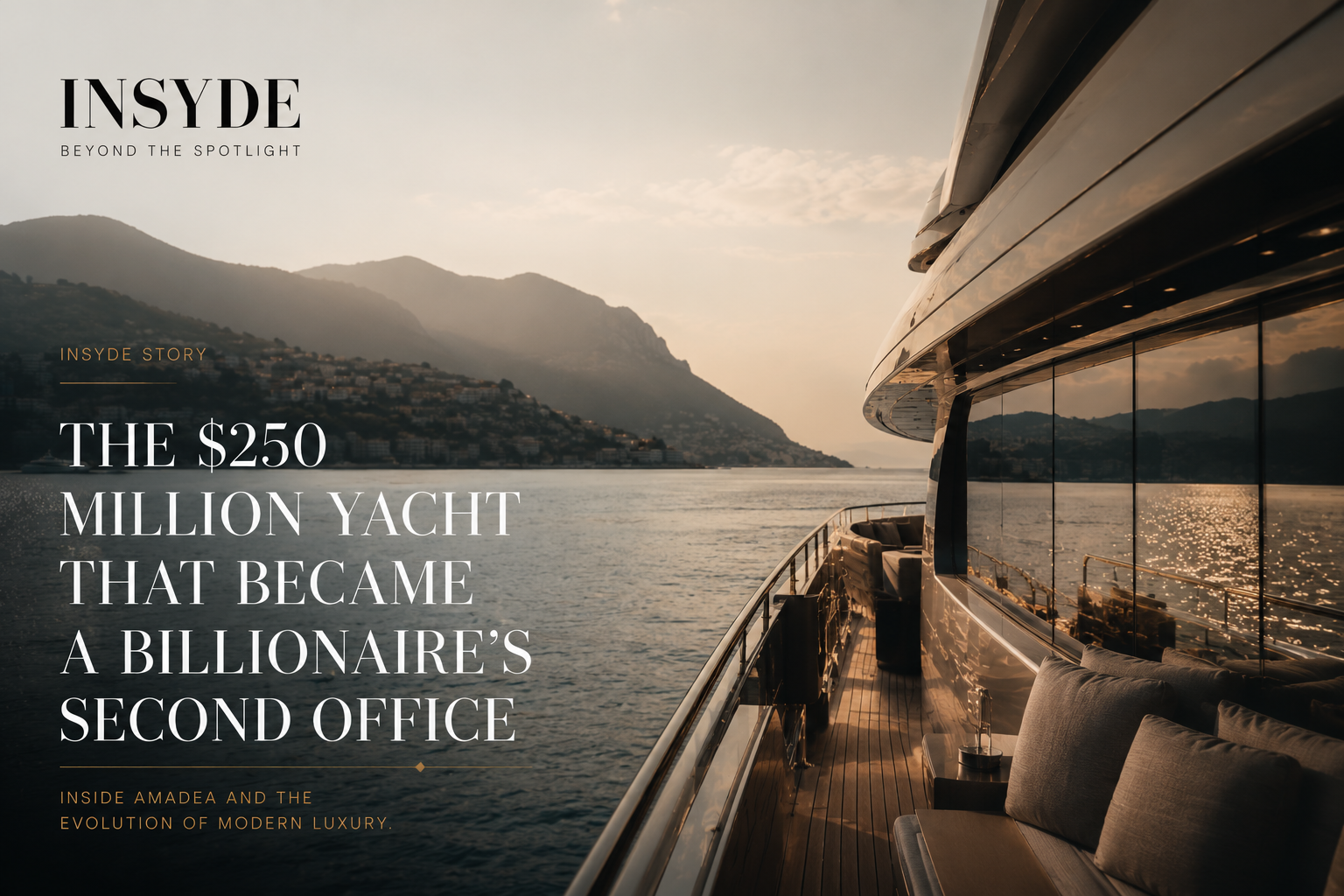
  • The $250 Million Yacht That Became a Billionaire’s Second Office

    The $250 Million Yacht That Became a Billionaire’s Second Office

    At 27, Dubai real-estate billionaire Abbas Sajwani isn’t using his 348-foot superyacht simply as an escape. He works from it, entertains from it and moves between continents aboard it. Inside Amadea — and the changing meaning of ultra-luxury.

    There was a time when a yacht meant escape.

    You left the city behind. You disappeared from the calendar. The sea became the destination.

    For Abbas Sajwani, the idea is different.

    His 348-foot superyacht, Amadea, is a floating residence, an entertainment space and, increasingly, a workplace from which he continues to run his Dubai real-estate business.

    At 27, Sajwani has built his fortune in Dubai’s luxury property market. Forbes currently lists him as a billionaire with an estimated net worth of $1.9 billion.

    But the most interesting thing about Amadea isn’t simply its scale.

    It is what the yacht says about the new language of luxury.

    Because when a yacht becomes a home, an office, a private retreat and a way of moving through the world, ownership starts to mean something very different.

    A Yacht With a History

    Built by the German shipyard Lürssen and delivered in 2017, Amadea stretches 348 feet across six decks.

    It is less conventional yacht than private floating estate.

    There is a 10-metre infinity pool with a swim-up bar, a cinema lounge with an adjoining firepit, a spa, beauty salon, gym and helipad. During Forbes’ visit, the helipad had even been converted into a pickleball court. A glass-enclosed winter garden evokes an orangerie, complete with an outdoor hot tub.

    But some of the most striking details are smaller.

    Intricately inlaid teak.

    Marble from the Greek island of Thassos.

    A hand-painted Pleyel baby grand piano.

    A gold elevator connecting the decks.

    The interior carries an Art Deco influence without feeling like a replica of another era.

    It is extravagant.

    But it is also considered.

    And that distinction matters.

    Because modern luxury is increasingly being defined not simply by how much is spent, but by how deliberately something is made.

    The Billionaire Who Didn’t Want to Start Over

    Sajwani had actually seen Amadea before he owned it.

    He toured the yacht when it was briefly on the market in 2020 and remembered it years later. When the opportunity to acquire it eventually appeared, the attraction was not simply its size.

    It was the design.

    The layout.

    The quality of the build.

    The condition.

    The details.

    Sajwani has said that around 90% of the interior was already to his liking when he bought it, and he has no plans for a major refit.

    That may sound like a small detail.

    It isn’t.

    In a world where extreme wealth can make almost anything customisable, knowing when not to change something can itself be a form of taste.

    Instead of stripping the yacht back and rebuilding it around his identity, Sajwani chose to preserve much of what made Amadea distinctive.

    The result is less like a blank canvas and more like acquiring a finished piece of floating architecture.

    From Trophy to Territory

    The yacht’s history is unusual.

    Amadea was seized by U.S. and Fijian authorities in 2022 after American authorities identified it as belonging to sanctioned Russian billionaire Suleiman Kerimov. The U.S. Department of Justice subsequently pursued civil forfeiture proceedings, and the vessel was eventually sold at a U.S. government auction in 2025. Sajwani emerged as the winning bidder.

    The winning bid was not publicly disclosed.

    That distinction matters because Amadea is now estimated to be worth around $250 million — but that is not the amount Sajwani paid for it.

    His winning bid was reportedly only $1 million higher than the next-highest bid.

    For INSYDE, the more interesting part of the story isn’t the auction.

    It is what happened afterwards.

    Sajwani didn’t simply acquire a trophy.

    He began using it.

    The Office That Moves

    In summer, Amadea moves through the Mediterranean.

    In winter, it heads towards St. Barts.

    But Sajwani’s work doesn’t stop when the yacht leaves Dubai.

    He continues to run his real-estate business from the vessel.

    Meetings happen.

    Zoom calls happen.

    Business decisions happen.

    Then the working week ends.

    The pool opens.

    The spa becomes the destination.

    Guests arrive.

    The sea becomes the backdrop.

    That changes the traditional idea of the yacht.

    It isn’t necessarily an escape from work anymore.

    It is a way of changing the environment in which work happens.

    Sajwani has described life aboard Amadea as being closer to living in a home than taking a holiday, with weekdays structured around meetings and calls and weekends devoted more to enjoying the yacht.

    The distinction is revealing.

    For the ultra-wealthy, luxury is increasingly about controlling where life happens.

    When a Yacht Becomes Real Estate

    Sajwani’s background makes Amadea even more interesting.

    His business is built around luxury real estate.

    AHS Properties has developed and acquired high-end properties across Dubai, with a focus on luxury residential projects and major hospitality and real-estate assets.

    The connection between his business and his yacht is almost philosophical.

    Real estate is about location.

    A yacht is about taking location with you.

    A luxury residence gives you privacy, design and control over your environment.

    A superyacht does the same thing — except the environment can change.

    The address moves.

    The architecture doesn’t.

    That may be one of the most fascinating ideas in modern luxury.

    A yacht is private real estate that refuses to stay in one place.

    The Architecture of Privacy

    Luxury has always had a relationship with privacy.

    The gated estate.

    The private dining room.

    The members’ club.

    The secluded resort.

    But a superyacht takes the idea further.

    It creates a private environment that can physically leave the places where everyone else is.

    There is no hotel lobby.

    No neighbouring apartment.

    No shared pool.

    No public restaurant.

    The world remains outside.

    That makes privacy itself part of the experience.

    And perhaps this is one reason yachts continue to occupy such a unique position within the luxury world.

    The yacht doesn’t merely give you somewhere beautiful to stay.

    It gives you control over access to you.

    The New Luxury Is About Time

    This brings us back to a theme running through the modern luxury conversation.

    Time.

    Not the time displayed on a watch.

    Time itself.

    The ability to decide where you wake up.

    Where you work.

    Who you see.

    When you leave.

    How long you stay.

    For someone with sufficient resources, the ultimate luxury may no longer be owning more things.

    It may be having fewer constraints.

    A yacht like Amadea turns geography into something almost flexible.

    The South of France in summer.

    The Caribbean in winter.

    The office travels with you.

    The home travels with you.

    The view changes without the address changing.

    That is an extraordinary expression of wealth.

    But it is also an expression of something increasingly important in luxury:

    freedom.

    Why the Details Matter

    It would be easy to reduce Amadea to its headline numbers.

    348 feet.

    Six decks.

    A 10-metre infinity pool.

    Spa.

    Cinema.

    Helipad.

    Gold elevator.

    Estimated value of $250 million.

    But that isn’t where the yacht becomes interesting.

    The real story is in the details.

    The hand-painted piano.

    The Greek marble.

    The intricate teak.

    The Art Deco-inspired design.

    The glass winter garden.

    The fact that Sajwani has chosen not to radically alter an interior he already considers highly successful.

    This is where luxury becomes craftsmanship.

    Anyone can understand expensive.

    Not everyone understands why something is beautifully made.

    And that difference is becoming increasingly important.

    Dubai’s New Luxury Generation

    There is also something distinctly Dubai about this story.

    The city has built its modern identity around ambition, architecture, hospitality, real estate and an almost obsessive relationship with scale.

    But the next generation of Dubai luxury is becoming more sophisticated.

    The conversation is moving from:

    How big can it be?

    towards:

    How precisely can it be designed?

    Sajwani’s own world of luxury real estate reflects that shift — waterfront locations, architecture, premium materials and highly controlled residential experiences.

    The yacht therefore feels less like an isolated indulgence and more like an extension of the same worldview.

    Architecture.

    Scarcity.

    Privacy.

    Experience.

    Location.

    All compressed into one moving object.

    The Yacht as a World of Its Own

    Perhaps this is what separates a superyacht from almost every other luxury purchase.

    A watch travels with you.

    A car moves with you.

    A private jet takes you somewhere.

    A yacht can become somewhere.

    It can contain bedrooms, dining spaces, entertainment areas, wellness facilities, offices and outdoor spaces.

    It can host a dinner.

    A meeting.

    A weekend.

    A holiday.

    A celebration.

    Or simply a quiet morning looking at the sea.

    It isn’t merely transportation.

    It is an environment.

    And Amadea is an extreme expression of that idea.

    What Happens When Luxury Stops Being About Possession?

    There is a temptation to look at a $250 million yacht and see only excess.

    That reaction is understandable.

    But luxury becomes more interesting when we look beyond the price.

    What does someone actually buy when they acquire something like Amadea?

    Not just a yacht.

    They buy space.

    Privacy.

    Mobility.

    Time.

    Control.

    Experience.

    And perhaps, most importantly, the ability to decide what their surroundings look like.

    That is a very different definition of luxury from simply owning the most expensive object in the room.

    It is closer to designing your own world.

    The New Floating Luxury

    The superyacht has always been a symbol of wealth.

    But Amadea suggests that its role is changing.

    For a new generation of ultra-high-net-worth owners, the yacht can be a residence, a workplace, a social space and a private retreat at once.

    The object becomes an ecosystem.

    And that may be where luxury is heading more broadly.

    Away from simply owning impressive things.

    Towards creating impressive ways of living.

    The watch tells time.

    The car moves you.

    The home gives you a place to live.

    The private jet moves you between cities.

    But the yacht combines many of those ideas into one floating environment.

    Perhaps that is why the most interesting luxury objects are no longer objects at all.

    They are worlds.

    And aboard Amadea, one billionaire has quite literally built one that moves.

    INSYDE — Inside modern luxury.

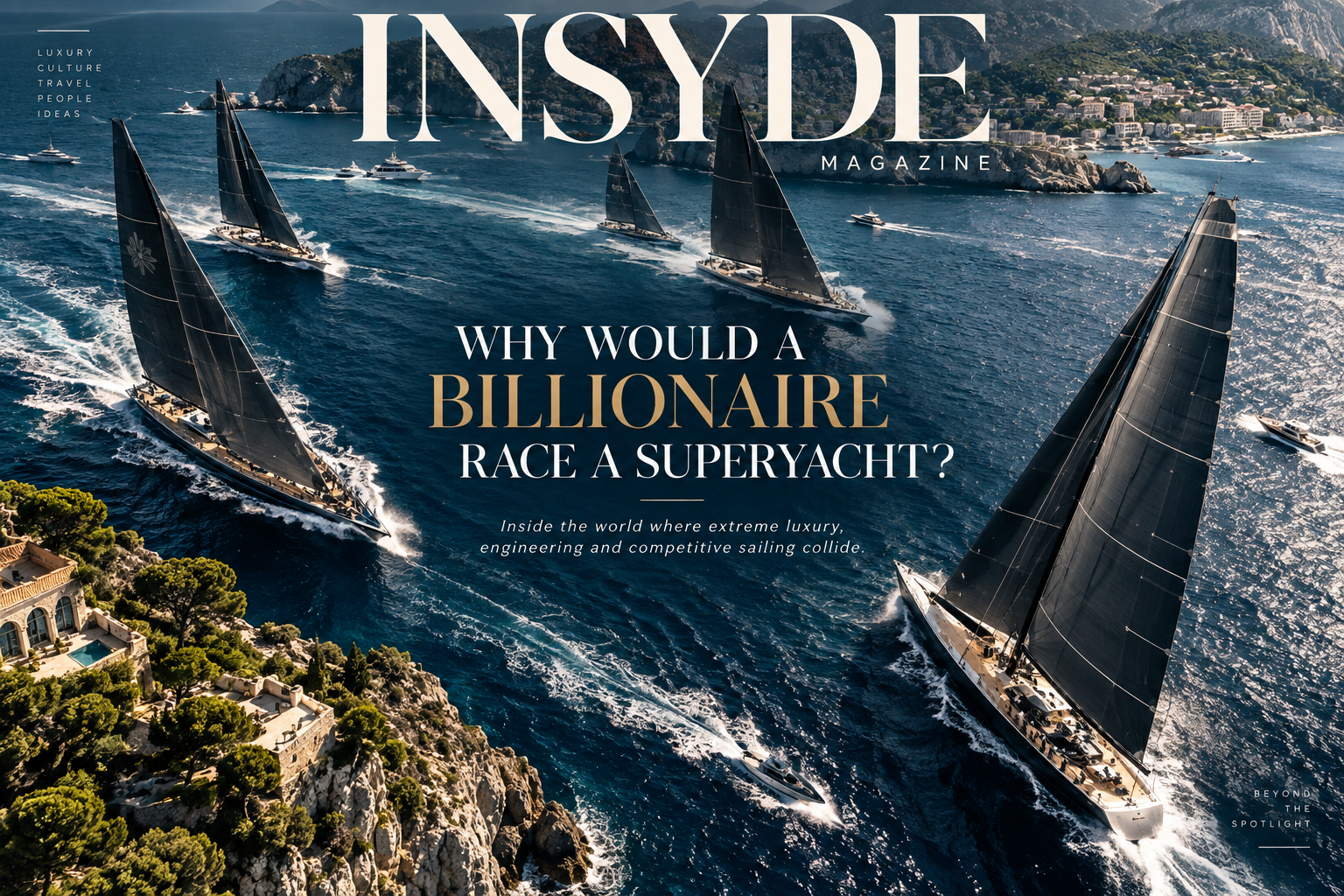
  • WHY WOULD A BILLIONAIRE RACE A SUPERYACHT?

    WHY WOULD A BILLIONAIRE RACE A SUPERYACHT?

    Why are the world’s most luxurious yachts being built to race?

    There is a particular contradiction at the heart of contemporary luxury.

    A superyacht can take years to design and build, contain craftsmanship more commonly associated with fine watchmaking or haute couture, and serve as a private world at sea. It can offer its owner almost complete control over time, space and movement.

    And then, sometimes, that same yacht is taken to the starting line and pushed against others at full speed.

    It is an unusual idea: spending millions on creating something extraordinary, only to test it in an environment where performance matters more than possession.

    Yet that is precisely what makes superyacht racing so compelling.

    In 2026, the world’s elite sailing calendar has once again demonstrated the scale of the phenomenon. The St. Barths Bucket brought together 33 superyacht teams across nine classes, with yachts ranging from 28 to 78 metres and spanning an extraordinary range of designs and performance characteristics. In Mallorca, the 30th anniversary edition of The Superyacht Cup Palma Richard Mille brought 20 yachts to the start line, after the event had sold out its racing places earlier in the year. (Bucket Regatta)

    These are not simply gatherings of expensive boats.

    They are where craftsmanship meets competition, engineering meets aesthetics, and luxury meets performance.

    And increasingly, they offer a glimpse into what luxury itself is becoming.


    WHEN LUXURY HAS TO PERFORM

    A yacht does not need to race to be impressive.

    Its architecture can be extraordinary. Its interiors can be entirely bespoke. Its materials can be selected with the same obsessive attention given to a complicated timepiece. Its itinerary can be dictated entirely by its owner.

    But the moment it enters a regatta, the rules change.

    Weight matters. Aerodynamics matter. Hull design matters. Sail configuration matters. Weather matters. The crew matters. A tactical decision made seconds too late can cost a race.

    At the 2026 St. Barths Bucket, the fleet included everything from 90-foot yachts to Maxi 100 racing boats, as well as large cruising yachts and three-masted schooners. The event’s classes are designed to create competitive racing between yachts with very different characteristics. (Bucket Regatta)

    The result is a fascinating reversal of the conventional luxury equation.

    At the marina, the yacht is an object of desire.

    On the racecourse, it becomes a machine.

    And machines have to perform.


    THE RISE OF THE LUXURY REGATTA

    Superyacht racing occupies a rare space between elite sport and private luxury.

    The competition is serious, but the world surrounding it is equally important.

    The 30th Superyacht Cup Palma Richard Mille is a perfect example. The event combines competitive racing with an owner-focused social programme, bringing together yacht owners, professional crews, designers, builders and an ecosystem of specialist marine companies. Its 2026 edition ultimately saw Win Win, a 33-metre Baltic yacht, claim the overall title for a third time. (The Superyacht Cup)

    That combination is part of the attraction.

    The race provides the adrenaline.

    The setting provides the lifestyle.

    And the community provides something increasingly valuable in the luxury economy: access.

    This is not luxury experienced from a distance. It is participation in a highly specialised world where the people designing, building, sailing and owning these yachts occupy the same physical environment.

    The yacht becomes the entry point.

    The culture around it becomes the experience.


    WHERE WATCHMAKING MEETS THE SEA

    The involvement of luxury brands makes the relationship even more revealing.

    In 2026, Richard Mille became title partner of The Superyacht Cup Palma in a three-year partnership. The relationship is built around a vocabulary familiar to both watchmaking and elite sailing: precision, engineering, performance and innovation. (The Superyacht Cup)

    It makes sense.

    A high-performance yacht and an advanced mechanical watch may belong to different industries, but they share a philosophy.

    Both hide extraordinary technical complexity beneath refined exteriors.

    Both depend on precision.

    Both demand specialised craftsmanship.

    And both appeal to a consumer who increasingly wants to understand how something works, rather than simply recognise what it costs.

    That distinction matters.

    Luxury is becoming less dependent on the obvious signal of price and more interested in the invisible details that justify it.

    The movement inside the watch.

    The engineering inside the yacht.

    The hours behind the finish.

    The expertise behind the performance.

    The story is no longer simply the object.

    It is everything that makes the object exceptional.


    THE SEA AS A TECHNOLOGY LABORATORY

    Perhaps the most fascinating part of modern sailing is what happens beneath the surface of the spectacle.

    Elite racing has become an extraordinary testing ground for materials, aerodynamics, hydrodynamics, data and control systems.

    The pursuit of speed has transformed sailing technology.

    SailGP offers perhaps the clearest demonstration. During the 2026 season, six teams had already crossed the 100 km/h threshold, with ROCKWOOL Racing reaching 103.73 km/h at the halfway point of the season. (ussailgp)

    At those speeds, the traditional image of sailing begins to disappear.

    This is no longer simply wind, sails and water.

    It is carbon fibre, foils, sensors, data, aerodynamic efficiency and human reaction working together at extraordinary speed.

    Superyacht racing does not necessarily replicate the technology of a SailGP F50, nor should it. The yachts have different objectives, designs and operating philosophies.

    But they belong to the same broader ecosystem.

    And that ecosystem is changing what a yacht can be.

    The yacht is no longer only a vessel for enjoying the sea.

    It can also be a laboratory for engineering, design and performance.


    THE FASHION OF THE SEA

    There is another reason the sailing world feels increasingly relevant to luxury brands: it possesses a visual language that does not need to be manufactured.

    A yacht cutting through Mediterranean water.

    A sculptural sail catching the wind.

    Carbon fibre against polished surfaces.

    Technical clothing alongside tailored silhouettes.

    Historic yacht designs sharing a harbour with radically modern forms.

    It is an environment where sport, fashion, architecture and luxury naturally overlap.

    The Giorgio Armani Superyacht Regatta in Porto Cervo is perhaps one of the clearest expressions of that relationship. Held from 26 to 30 May 2026, the event placed a major fashion house directly within the world of elite sailing. (Yacht Club Costa Smeralda)

    The significance goes beyond branding.

    For luxury houses, these environments provide something increasingly difficult to manufacture: context.

    A watch becomes part of a culture of precision.

    A fashion house becomes part of a culture of design.

    A yacht builder becomes part of a culture of craftsmanship.

    The setting does some of the storytelling itself.

    And perhaps that is why sailing remains so attractive to luxury.

    It communicates exclusivity without having to shout about it.


    THE QUESTION OF EXPERIENCE

    So why race something that could simply be enjoyed?

    Because the definition of luxury is changing.

    For decades, luxury was largely communicated through ownership.

    The car.

    The watch.

    The house.

    The yacht.

    But the contemporary luxury consumer increasingly values what sits behind ownership: access, time, privacy, expertise and experience.

    A yacht is valuable because it exists.

    But it becomes something else when it gives its owner the ability to cross an ocean, explore remote places, gather people together or compete at sea.

    Racing adds another dimension.

    Participation.

    You are no longer simply looking at an extraordinary object.

    You are testing it.

    Learning it.

    Working with it.

    Trying to make it perform better.

    That is a very different relationship with luxury.


    THE YACHT AS IDENTITY

    There is also something deeply personal about racing.

    Two yachts can sit beside each other in the same harbour and represent completely different ideas of luxury.

    One may be designed around speed.

    Another may celebrate traditional craftsmanship.

    Another may be built around cutting-edge technology.

    Another may be a modern interpretation of a classic sailing yacht.

    The yacht becomes an extension of its owner’s taste.

    Not merely through the colour of the interiors or the materials used, but through the philosophy behind the vessel and the way it is used.

    That is particularly relevant to the next generation of luxury consumers.

    Individuality is becoming more important than uniform status.

    The question is no longer simply:

    How much did it cost?

    It is:

    Why this one?

    Why this designer?

    Why this material?

    Why this technology?

    Why this experience?

    Racing gives those questions somewhere to go.


    BEYOND THE STATUS SYMBOL

    The superyacht has long been one of the world’s clearest symbols of extreme wealth.

    But reducing it to a status symbol misses what is actually happening around the category.

    The most compelling yachts increasingly represent an intersection of disciplines.

    Naval architecture.

    Industrial design.

    Engineering.

    Hospitality.

    Art.

    Technology.

    Craftsmanship.

    And now, increasingly, sport.

    The 2026 St. Barths Bucket illustrated the diversity of this world particularly well. Its fleet included large sailing yachts displacing hundreds of tonnes alongside smaller, faster racing designs, all competing within a carefully structured handicap system. The event’s final race was ultimately cancelled because of high winds, with the previous day’s scores becoming the final results. (Bucket Regatta)

    That detail is revealing.

    For all the technology and wealth involved, the sea still gets the final word.

    Weather cannot be bought.

    Wind cannot be commanded.

    And the most sophisticated yacht in the fleet still has to work with nature.

    That tension is part of the romance.


    THE NEW LUXURY IS PERFORMANCE

    Perhaps that is why superyacht racing feels so relevant now.

    Luxury is no longer only about accumulation.

    It is increasingly about meaningful experience.

    The most interesting objects are not necessarily the largest or most expensive. They are the ones with a reason to exist beyond their price.

    A watch that demonstrates extraordinary mechanical expertise.

    A car engineered around performance.

    A fashion piece built around exceptional craftsmanship.

    A yacht designed not only to entertain, but to sail.

    In that sense, racing gives the superyacht something money alone cannot provide:

    a test.

    When the sails rise and the starting sequence begins, ownership becomes secondary.

    The crew has to perform.

    The design has to work.

    The strategy has to hold.

    The machine has to respond.

    And eventually, someone has to cross the finish line first.

    That is where luxury becomes interesting.

    Not when it simply announces what someone can afford, but when it demonstrates what something has been made capable of doing.


    THE ART OF RACING

    The future of luxury may not be about going bigger.

    It may be about going deeper.

    Deeper into craftsmanship.

    Deeper into technology.

    Deeper into experience.

    Deeper into the story behind the object.

    Superyacht racing brings all of these ideas together on the same starting line.

    It is a world where a yacht can be a private sanctuary one day and a high-performance machine the next; where centuries-old sailing traditions meet advanced engineering; where fashion houses and watchmakers find natural cultural territory; and where extraordinary wealth still has to confront something it cannot control.

    The sea.

    Perhaps that is the real appeal.

    A superyacht can represent freedom.

    A regatta gives that freedom a purpose.

    And when the starting gun goes, the most important question is no longer how much the yacht is worth.

    It is what it can do.

    Beyond ownership.
    Beyond appearance.
    Beyond the obvious.

    This is the art of racing.

    Beyond the Spotlight.

  • THE ₹1 CRORE WEEKEND

    THE ₹1 CRORE WEEKEND

    What happens when luxury stops being about where you stay — and becomes about having the entire world arranged around you.

    Imagine arriving at an airport where there is no queue, no waiting lounge and no schedule to follow.

    A private aircraft is waiting.

    You land somewhere remote. A villa has been prepared exclusively for you. A chef is cooking exactly what you want. A yacht is waiting offshore. A therapist arrives for a treatment in your suite. Your itinerary changes whenever you feel like it.

    There are no crowds.

    No strangers.

    No compromises.

    And by the time the weekend is over, the bill could reach ₹1 crore.

    Not because the room costs ₹1 crore.

    Because the room is only the beginning.

    This is where luxury hospitality is heading.

    WHEN THE HOTEL ROOM STOPPED BEING THE PRODUCT

    For decades, luxury hospitality was relatively easy to understand.

    The better the suite, the better the hotel.

    More space. Better views. Better restaurants. Better service. Better design.

    But at the very top of the market, the definition of luxury is changing.

    The wealthiest traveller may already have access to beautiful homes, private cars, first-class cabins, personal staff and extraordinary restaurants.

    So what can a hotel actually offer that money hasn’t already made available?

    Privacy.

    And increasingly, control.

    The ability to arrive without being noticed. Eat without sharing a restaurant. Move without following a timetable. Spend an entire day without encountering another guest.

    Luxury is becoming less about adding things to an experience and more about removing everything that gets in the way of it.

    THE RISE OF THE PRIVATE WORLD

    Across the luxury-travel industry, private villas and exclusive-use properties are becoming increasingly important.

    The shift is simple.

    Instead of booking the best room in a resort, some ultra-high-net-worth travellers are booking the resort itself.

    In 2026, Mint reported growing interest among wealthy Indian travellers in buying out entire resorts, highlighting a Mumbai business family’s private booking of all 13 villas at Soneva Secret in the Maldives.

    The experience went far beyond accommodation, incorporating private aviation, butlers, chefs, yachts and spa services.

    At that level, you are no longer really buying a hotel stay.

    You are buying a temporary private world.

    And that distinction matters.

    Because the next generation of luxury hospitality isn’t necessarily competing to build the biggest hotel.

    It is competing to create the most personalised version of one.

    ₹1 CRORE ISN’T REALLY ABOUT THE ROOM

    A ₹1 crore weekend sounds outrageous.

    And it should.

    But the number is useful because it illustrates how quickly luxury can compound when every element of a journey becomes bespoke.

    Consider what can sit behind a single weekend:

    A private aircraft.

    A secluded villa.

    Dedicated staff.

    A personal chef.

    A yacht or private boat.

    Wellness treatments.

    Exclusive dining.

    Helicopter transfers.

    Rare experiences arranged around the guest.

    Security and privacy.

    A completely customised itinerary.

    None of these things individually has to cost ₹1 crore.

    Together, at the extreme end of the market, they can create an experience where the accommodation becomes almost incidental.

    The luxury isn’t the villa.

    It’s everything that happens around it.

    INDIA’S LUXURY TRAVELLER IS CHANGING TOO

    India’s luxury market is becoming increasingly sophisticated.

    The country’s wealth creation has produced a larger population of travellers who are not discovering luxury for the first time.

    They are choosing between versions of it.

    That changes the conversation.

    A traveller who has stayed at the world’s most recognisable hotels may no longer be impressed simply because a property has five stars.

    They want something harder to replicate.

    Privacy.

    Space.

    Personalisation.

    Access.

    And increasingly, experiences that don’t feel mass-produced.

    This helps explain the growing appeal of private villas, destination celebrations, exclusive resorts and highly customised itineraries among India’s affluent travellers.

    For someone flying out of Bengaluru, Mumbai or Delhi, the question is no longer simply:

    “Where should we stay?”

    It can become:

    “What do we want the entire trip to feel like?”

    That is a very different luxury proposition.

    THE HOTEL IS BECOMING A LIFESTYLE

    Luxury hospitality is also moving beyond the traditional hotel.

    Branded residences are becoming a major part of the premium property market, combining private ownership with services traditionally associated with five-star hotels.

    Housekeeping.

    Concierge.

    Private dining.

    Wellness.

    Hospitality management.

    Personalised services.

    The boundary between home and hotel is becoming increasingly blurred.

    The same thing is happening with resort design.

    The emphasis is shifting toward villas, private pools, secluded landscapes, wellness spaces and low-density environments.

    The message is clear:

    Luxury doesn’t always need to look bigger.

    Sometimes it needs to feel more personal.

    THE NEW STATUS SYMBOL IS PRIVACY

    There was a time when luxury was designed to be seen.

    The enormous logo.

    The front-row seat.

    The most recognisable suite.

    The car everyone noticed.

    But luxury culture is changing.

    The most valuable experience may now be the one nobody else knows you had.

    A private dining room instead of a crowded restaurant.

    A villa instead of a hotel floor.

    A secluded beach instead of a famous beach club.

    A private jet instead of an airport lounge.

    This is the paradox of modern luxury:

    The more exclusive it becomes, the less it needs to announce itself.

    Quiet luxury was never just about neutral colours and understated clothing.

    In travel, it can mean something much more literal.

    Quiet.

    EXPERIENCE HAS BECOME THE REAL PRODUCT

    The wealthiest traveller isn’t necessarily buying a bed.

    They are buying time.

    They are buying convenience.

    They are buying access.

    They are buying the ability to say, “I want this,” and have someone figure out how to make it happen.

    That might mean arranging a dinner that isn’t normally available.

    Finding a particular ingredient.

    Opening an experience outside normal hours.

    Organising a yacht around a sunset.

    Bringing a specialist wellness practitioner to a remote property.

    Or simply changing tomorrow’s plans because the guest woke up and decided they wanted to go somewhere else.

    That is the real evolution of luxury hospitality.

    The itinerary is no longer fixed.

    The service adapts to the person.

    AND THEN THERE IS THE PSYCHOLOGY OF IT

    Luxury has always been about scarcity.

    But the most powerful scarcity isn’t necessarily a rare object.

    It is access.

    You can buy another handbag.

    Another watch.

    Another car.

    But you cannot always buy a private moment in a place where almost nobody else can go.

    That makes privacy one of the most powerful luxury currencies of the next decade.

    And it explains why the world’s most sophisticated hospitality brands are investing heavily in secluded villas, private residences, bespoke experiences and exclusive-use offerings.

    They aren’t simply selling accommodation.

    They are selling distance from the ordinary.

    THE ₹1 CRORE WEEKEND IS A PREVIEW, NOT THE POINT

    Most luxury travellers will never spend ₹1 crore on a weekend.

    They don’t need to.

    The significance of the number is what it reveals about the upper edge of the market.

    At a certain level of wealth, the question changes from:

    “How much does this cost?”

    to:

    “How completely can this be customised?”

    That is a very different definition of luxury.

    And it is one that hospitality companies are beginning to understand.

    The future may belong to properties that can give guests not simply beautiful surroundings, but the feeling that those surroundings have temporarily been designed around them.

    THE FUTURE OF LUXURY MAY BE SMALLER

    For years, luxury was associated with excess.

    Bigger suites.

    Bigger resorts.

    Bigger lobbies.

    Bigger experiences.

    But the next era could move in the opposite direction.

    Fewer rooms.

    More space.

    Fewer guests.

    More privacy.

    Less spectacle.

    More personalisation.

    The luxury traveller doesn’t necessarily want more of everything.

    They want more of what matters to them.

    And that is a much harder product to create.

    Because it requires hospitality to understand the individual rather than simply impress the customer.

    SO, WHAT IS THE ₹1 CRORE WEEKEND REALLY BUYING?

    Not a hotel room.

    Not a villa.

    Not a yacht.

    Not even a destination.

    It is buying something much more difficult to put a price on:

    Control over your own time.

    The ability to disappear.

    To change the plan.

    To have the world move around you instead of moving around the world.

    That may be the ultimate evolution of luxury hospitality.

    Because when money stops being the measure of what you can buy, privacy, access and personalisation become the new currency.

    The ₹1 crore weekend isn’t really about spending ₹1 crore.

    It’s about what happens when luxury stops asking,

    “How much can we give you?”

    and starts asking,

    “How much of the world can we arrange around you?”

    INSYDE — Beyond the Spotlight.