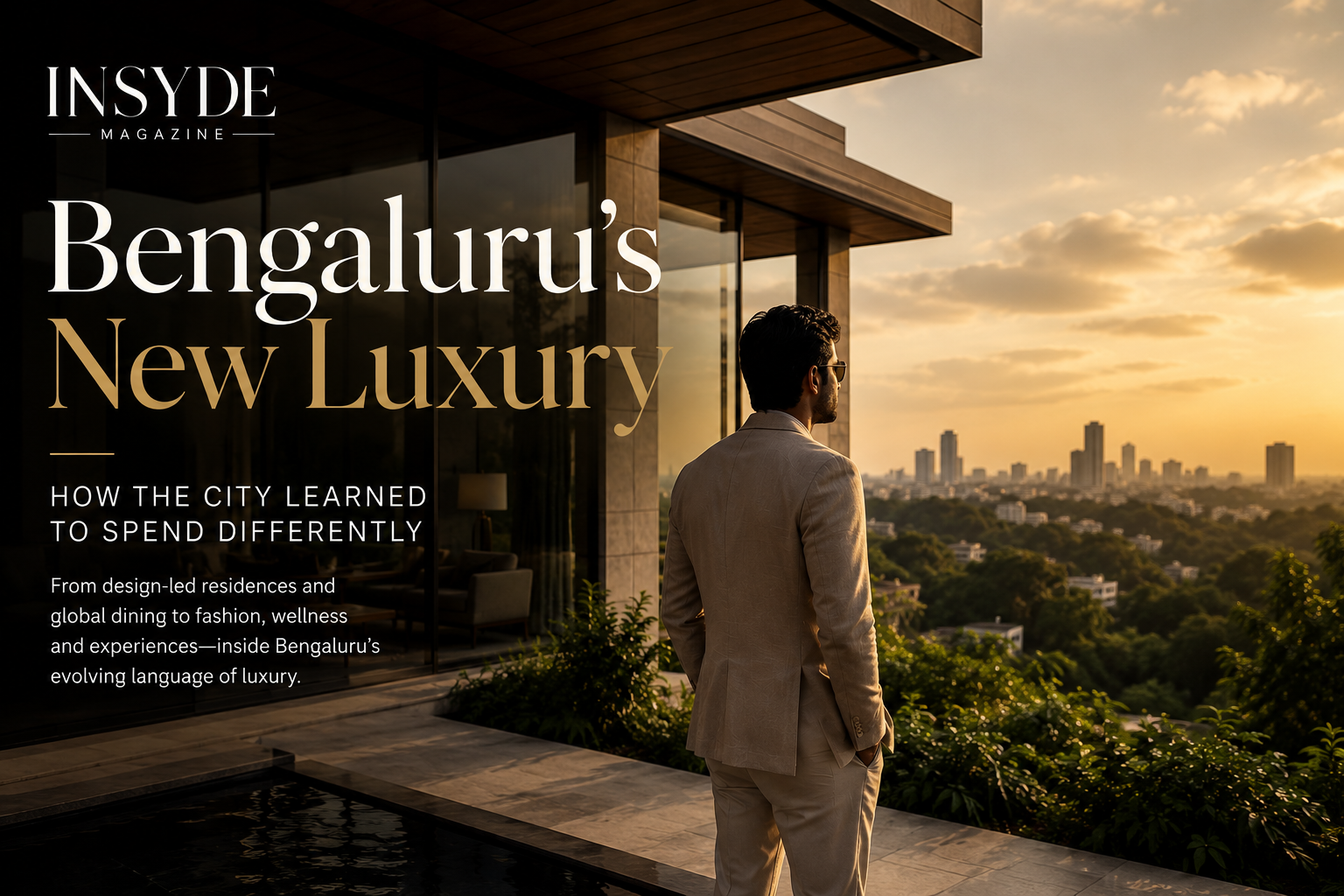
Five Families. Generational Wealth. The Empires Shaping a City.
From technology fortunes and real-estate empires to a jewellery house spanning six generations, INSYDE explores the family legacies behind Bengaluru’s changing relationship with wealth, ambition and influence.
Bengaluru has become a city of extraordinary contrasts. Glass towers rise beside century-old neighbourhoods. Technology entrepreneurs build global businesses while property developers reshape the skyline. Luxury residences, commercial districts and established family enterprises coexist with a new generation determined to create fortunes of its own.
Yet behind the city’s familiar corporate names lies another story: the families whose decisions, businesses and legacies have helped shape its economic identity.
Some built their fortunes by transforming traditional enterprises into global businesses. Others recognised the value of land, commercial infrastructure or the growing appetite for luxury. A few created something more enduring than a company: an institution that continued to evolve long after its founders established it.
But family wealth is rarely as straightforward as it appears. A founder’s fortune is not necessarily the same as a family’s collective wealth. A prominent surname does not automatically confer control over a publicly listed company. And a business that has survived for generations must continually prove its relevance to a changing market.
To understand Bengaluru’s business dynasties, then, we must look beyond net-worth lists. We must examine what these families built, how their businesses operate today and what their stories reveal about the future of wealth in one of India’s most ambitious cities.
This is not a ranking of Bengaluru’s richest families, nor a claim that five families own the city. It is a closer look at five distinct legacies: technology, real estate, commercial infrastructure, industrial enterprise and luxury craftsmanship.
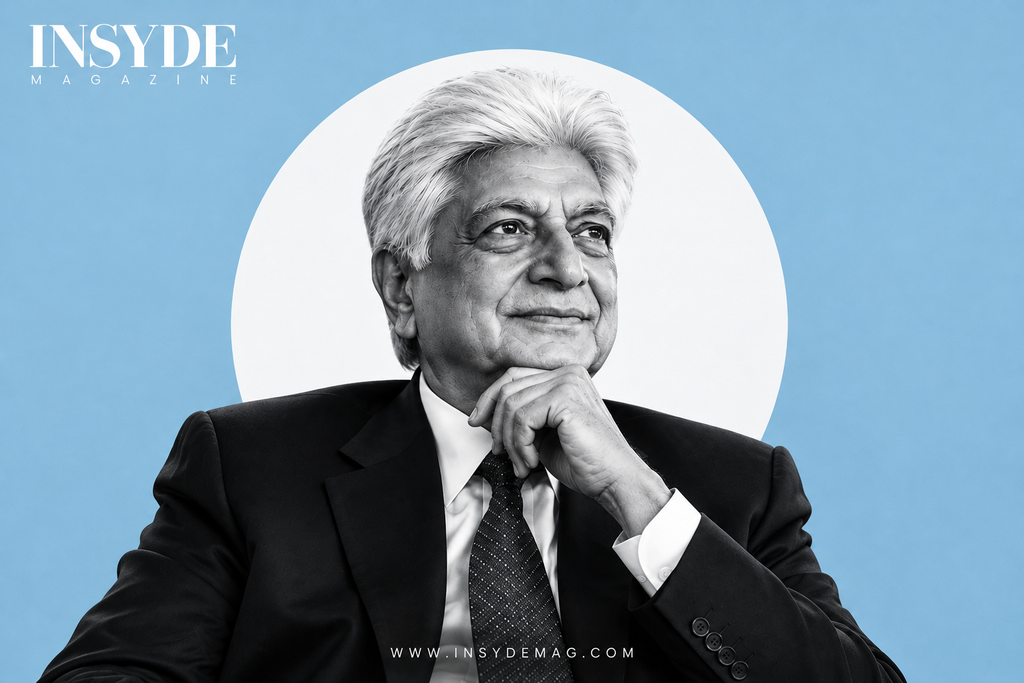
01. THE PREMJI FAMILY
From an established enterprise to a global technology fortune
Few business legacies illustrate the transformation of Indian industry as clearly as that of Azim Premji and Wipro.
The company began in 1945 as Western India Vegetable Products, operating in the vegetable-oil business. Under Premji’s leadership, it diversified and eventually developed into one of India’s most recognisable information technology services companies.
The transformation was significant. Wipro became part of a wider shift that positioned Indian technology professionals as essential participants in the global digital economy. Bengaluru, with its growing concentration of engineering talent and technology businesses, became central to that story.
But the Premji legacy is not simply a story of an entrepreneur recognising an opportunity. It is also a story of ownership, succession and the distinction between family influence and professional management.
Wipro’s FY2025–26 corporate disclosures identify Azim Premji as a non-executive director and Rishad Premji as executive chairman. The company’s annual reporting also documents the substantial shareholding associated with Azim Premji and the structures through which some of those shares are held.
The figures illustrate the scale of the family’s connection to the business. They should not, however, be confused with a complete estimate of the family’s net worth: company shares, private businesses, philanthropic trusts and other assets are different categories of wealth.
The next chapter is equally important. Rishad Premji joined Wipro in 2007, worked across several roles and became executive chairman in 2019. His progression reflects a model of succession in which a family member develops experience within a large organisation before assuming its most senior leadership responsibilities.
Beyond business, Azim Premji has become one of India’s most prominent philanthropists through his work in education and social development, including the Azim Premji Foundation.
That philanthropic dimension complicates the usual image of a business dynasty. Wealth can preserve influence, but it can also be directed towards institutions and causes that extend beyond the original enterprise.
The legacy: The Premji story is about transforming a traditional business into a global technology enterprise — and about the responsibilities that accompany wealth at that scale.
Sources: Wipro Integrated Annual Report 2025–26; Wipro’s FY2025–26 filing with the US Securities and Exchange Commission.
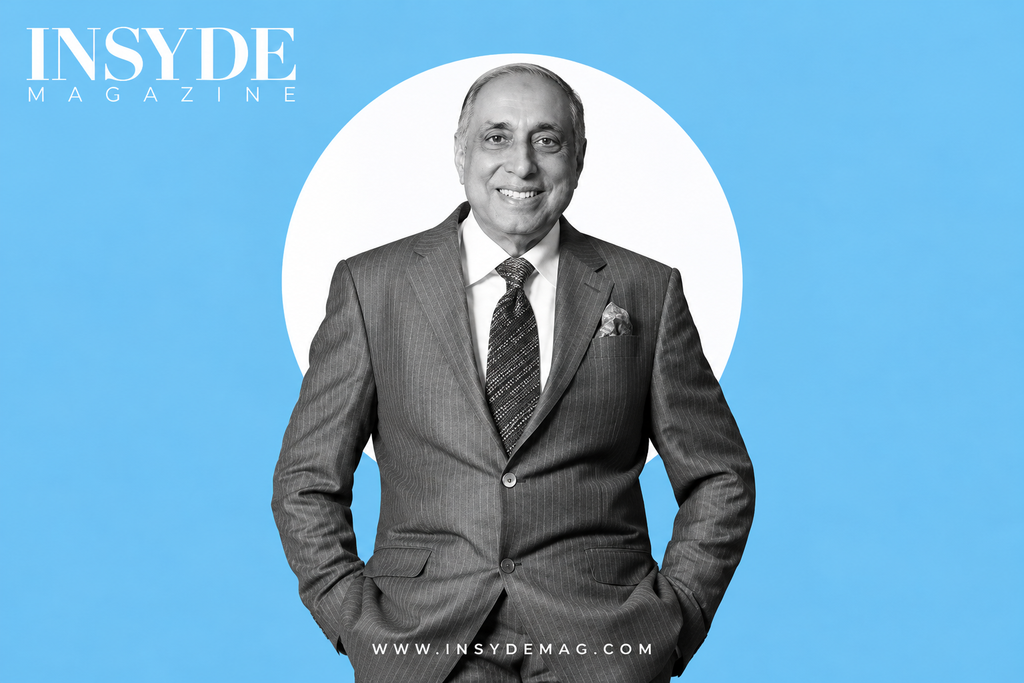
02. THE RAZACK FAMILY
The business of building aspiration
In Bengaluru, real estate is more than a market for apartments and office buildings. It is one of the most visible ways in which economic growth becomes physical: a new address, a commercial district, a residential community or a skyline that changes the character of an entire neighbourhood.
The Razack family, associated with Prestige Group, has played a prominent role in this transformation.
The company’s growth under Irfan Razack and his brothers, Noaman and Rezwan, reflects the expansion of Indian real estate from a largely residential business into a broader industry encompassing commercial offices, retail, hospitality and other property assets.
As Bengaluru attracted technology companies and a growing professional workforce, demand for housing and commercial space changed. Developers responded to new expectations around location, design, amenities and lifestyle. Prestige became one of the major businesses operating within that evolution.
Its continuing family connection is visible in its shareholding structure. The Razack Family Trust held 52.24% of Prestige Estates Projects in the June 2026 shareholding data reported by Value Research. The three brothers were also individually listed among the company’s promoter shareholders.
That is a more meaningful indicator of family influence than simply attaching a speculative fortune to the family name. It establishes a documented ownership relationship with a publicly listed business.
The group is also looking beyond the traditional economics of property sales.
In an interview published by Financial Express in October 2026, Irfan Razack said Prestige was targeting annual rental income of more than ₹4,000 crore by FY2030, compared with approximately ₹860 crore at the time of the interview. He also cited 35 million square feet of commercial space under development.
These are forward-looking company targets and pipeline figures, not achieved results. Nevertheless, they reveal an important strategic ambition: building a business in which recurring rental income becomes increasingly significant alongside residential sales.
The distinction matters. Selling an apartment generates revenue from a transaction. Owning and leasing commercial property can create recurring income over a much longer period. The two models involve different capital requirements, risks and measures of success.
For Bengaluru, this is part of the larger story of how property businesses evolve alongside the city itself.
The legacy: The Razack family represents the relationship between private enterprise and urban transformation — and the ambition to turn property development into a more enduring portfolio of assets.
Sources: Prestige Estates Projects shareholding data; Financial Express, October 2026.
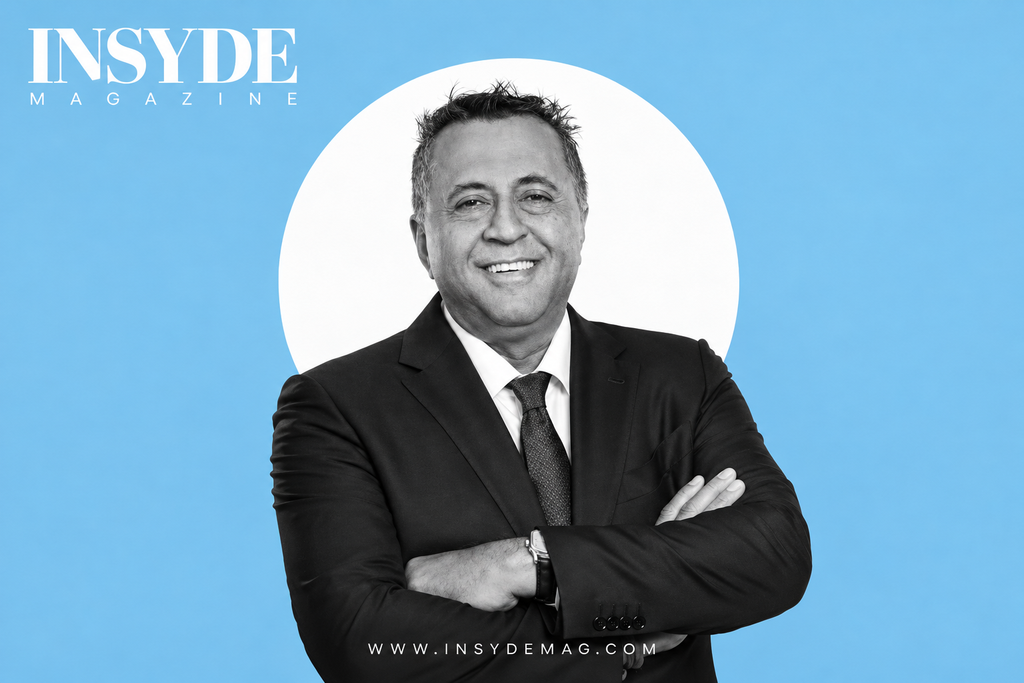
03. THE VIRWANI FAMILY
The infrastructure behind business power
The most visible part of Bengaluru’s business economy is often the company occupying a glass office tower. Less visible, but equally important, is the infrastructure that allows the company to operate.
Commercial real estate sits at that intersection. It connects businesses with physical space, creates long-term property assets and provides the workplaces around which employment districts develop.
The Virwani family, associated with Embassy Group, offers a perspective on this side of Bengaluru’s growth.
Under Jitu Virwani’s leadership, Embassy developed a substantial presence in commercial real estate and expanded into other property-related businesses. The group became closely associated with the development of large office campuses and business parks, reflecting the growing demand for organised commercial space as Bengaluru attracted domestic and international companies.
The family’s next-generation story is also relevant. Embassy’s published leadership information identifies Jitu Virwani as chairman and Aditya Virwani as managing director. Aditya’s executive role demonstrates how leadership responsibilities can pass to a new generation within an established business.
But the larger story is not simply one of inheritance.
Commercial property is a capital-intensive business. Its performance depends on factors such as location, construction costs, financing, occupancy, rental agreements, tenant demand and the wider economic cycle. A large office portfolio may generate recurring income, but it is also exposed to changes in how companies use workplaces and how investors value property.
The rise of real-estate investment trusts has added another dimension to the sector. These structures can allow investors to participate in income-producing property assets through a listed investment vehicle, bringing institutional capital and public-market scrutiny into a business that was historically associated with private ownership.
That evolution helps explain why commercial real estate has become more than a story about who builds the tallest tower. It is also about who owns the assets, how they are financed and how they generate returns over time.
For Bengaluru, a city whose growth has been closely linked to technology and professional services, commercial infrastructure remains a crucial part of the economic landscape.
The legacy: The Virwani family illustrates a less visible form of business influence — creating and managing the physical environments in which other businesses grow.
Source: Embassy Group — official website and leadership information.
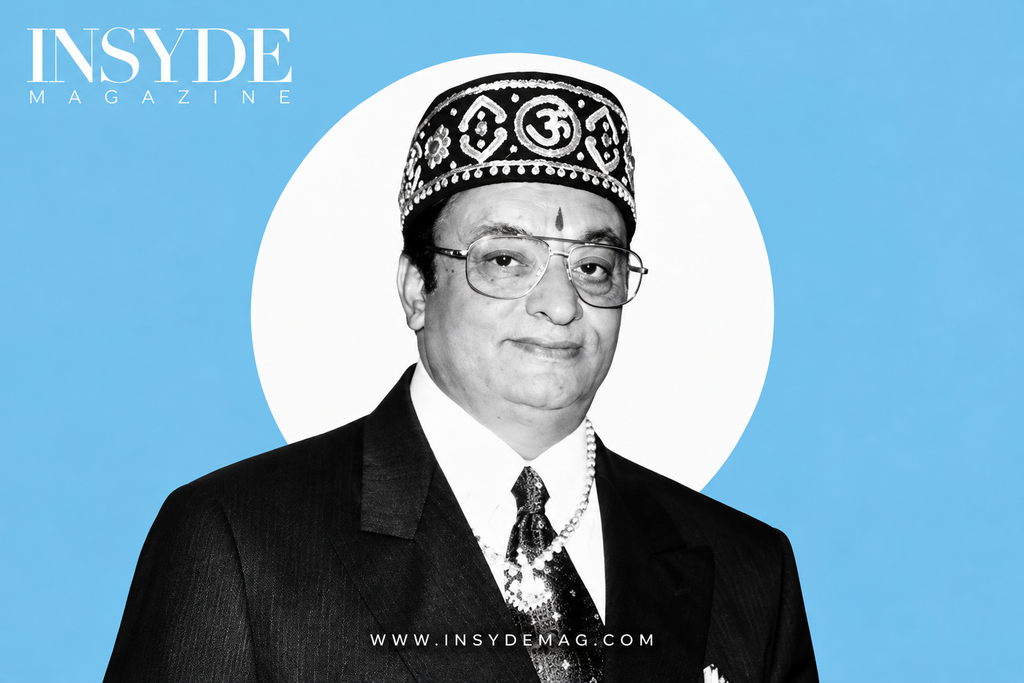
04. THE KHODAY FAMILY
An industrial legacy in a changing city
Bengaluru’s reputation as a technology capital can sometimes overshadow its older business history.
Long before software companies became central to the city’s identity, Bengaluru had established commercial and industrial enterprises in areas such as textiles, manufacturing and trade. These businesses contributed to the economic foundations on which later generations built.
The Khoday name is associated with that earlier industrial landscape.
The group’s history has been linked to silk and other traditional businesses, followed by expansion into distilling and related activities. Khoday India Limited’s own corporate documentation records its incorporation as Khoday Distilleries Private Limited in 1965, its conversion to a public limited company in 1986 and its subsequent renaming in 1992.
The distinction between the family’s broader history and the legal history of an individual company is important. A business group may contain multiple entities, and its ownership, operations and financial position can change over time. Historical prominence alone cannot establish the current value of a family’s holdings or the extent of its present-day influence.
That is why the Khoday story is most useful as an exploration of industrial continuity rather than a claim about current wealth.
Traditional enterprises face a particular challenge when the economy changes around them. They must preserve the strengths that made them successful while adapting to new competition, changing consumer preferences, regulation and evolving business models.
For a family business, those pressures are compounded by succession. The next generation may inherit a recognised name and established assets, but it must still decide what the enterprise should become.
In that sense, the Khoday history represents an essential part of Bengaluru’s economic story: the businesses that existed before the city’s technology boom and the continuing question of what it takes for an industrial legacy to survive.
The legacy: The Khoday story reminds us that a city’s economic identity is built in layers. The newest industries may dominate the headlines, but older enterprises remain part of the history that made the city what it is.
Source: Khoday India Limited — corporate documentation.
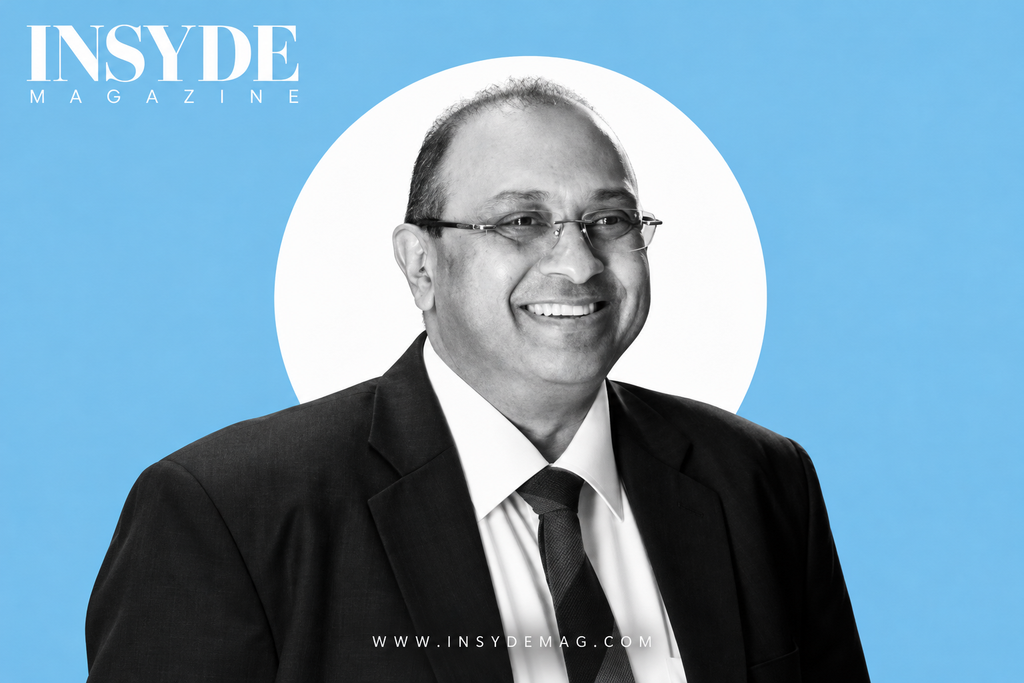
05. THE C. KRISHNIAH CHETTY FAMILY
Six generations of luxury craftsmanship
Not every business dynasty builds its legacy through technology, property or industrial scale. Some build it through something more intimate: trust, craftsmanship and a reputation carried from one generation to the next.
The C. Krishniah Chetty Group offers a distinctly Bengaluru example.
The jewellery business traces its origins to 1869, when Cotha Krishniah Chetty began selling coloured beads in Bengaluru. More than 150 years later, the business has passed through six generations, according to a Moneycontrol profile published on 4 October 2026.
Its longevity places it in a different category from the city’s technology and real-estate businesses. Jewellery is a product, but a luxury jewellery house sells more than materials and design. It also sells workmanship, service, trust and the accumulated reputation of its name.
Those qualities are especially significant in a category where purchases can carry emotional, cultural and financial importance. A piece of jewellery may mark a wedding, an anniversary, a family milestone or an inheritance. The relationship between the customer and the house can therefore extend well beyond a single transaction.
Yet heritage alone is not enough to guarantee survival.
A business that has operated across six generations has had to navigate changes in customers, purchasing behaviour, technology and retail. The challenge is to modernise the experience without losing the qualities that made the business worth returning to in the first place.
That tension is familiar across luxury. Established houses must remain relevant to younger consumers while preserving the craftsmanship, service and identity that distinguish them from mass-market competitors.
For INSYDE, the Chetty family adds an important dimension to the idea of wealth. Its story is not primarily about corporate scale or a published billionaire ranking. It is about the endurance of a local luxury business and the work required to keep a family name commercially relevant over generations.
The legacy: The C. Krishniah Chetty story demonstrates that generational wealth can be built not only by scaling an empire, but also by preserving a specialised craft and a relationship with customers over time.
WHAT THESE BLOODLINES REVEAL ABOUT BENGALURU
Look across these five stories and a broader pattern emerges.
The Premji family represents the transformation of a traditional enterprise into a global technology business. The Razacks illustrate how real estate can capture and respond to the ambitions of a growing city. The Virwanis show how commercial infrastructure supports the businesses that drive economic activity. The Khoday history connects Bengaluru’s present to its older industrial roots. And the C. Krishniah Chetty family demonstrates how a local luxury house can preserve its identity across generations.
These are different forms of legacy, built under different circumstances. They should not be treated as interchangeable fortunes or placed on a single scale of wealth.
A company’s market capitalisation is not the same as a family’s net worth. Promoter shareholding is not the same as complete ownership. A property pipeline is not the same as completed assets, and a revenue target is not an achieved financial result.
Those distinctions matter because the public image of family wealth often compresses complicated business realities into a single surname and a headline figure.
The more revealing question is how these enterprises continue to operate.
Family ownership can offer continuity, long-term thinking and a strong sense of identity. It can also introduce challenges around succession, governance and the separation of family interests from corporate responsibilities. Publicly listed companies must answer to shareholders and regulators; private businesses face their own pressures to professionalise and adapt.
Nor does inheritance guarantee success. A family may inherit capital, relationships and a recognised name, but maintaining a business requires decisions that respond to changing markets.
Bengaluru’s next generation of wealth may emerge from industries that look very different from those that built the fortunes of the past. Artificial intelligence, healthcare, advanced manufacturing, climate technology and consumer businesses could all produce new entrepreneurial legacies.
The city’s business story is therefore unfinished.
Its established families operate alongside first-generation founders, venture-backed companies, global corporations and independent entrepreneurs. The next influential business name may come from a family with a century of history — or from a founder who has only just begun.
INSYDE TAKE
The real luxury is legacy
Wealth attracts attention. Legacy demands something more.
A company valuation can rise and fall. A building can change hands. A founder can step away. What remains is the question of whether the enterprise created something that continues to matter: a global business, lasting infrastructure, a durable institution or a craft that survives the generation that established it.
That is the more compelling story behind Bengaluru’s business families.
Not a claim that five surnames own a city. Not a list of fortunes stripped of context. But an exploration of the businesses, decisions and relationships that have helped shape Bengaluru’s economic identity.
In a city that continues to reinvent itself, the meaning of wealth is changing too. The old measures of inheritance and ownership now sit alongside innovation, institutional strength, cultural relevance and the ability to adapt.
The most successful business families will not necessarily be those that preserve everything exactly as it was. They will be the ones that understand what must endure — and what must change.
Because the ultimate measure of a dynasty is not simply what one generation accumulates.
It is what the next generation can build from it.
And in Bengaluru, the next chapter of wealth is already being written.
INSYDE MAGAZINE
The definitive voice of modern luxury.
Bengaluru’s No. 1 Luxury Magazine.