Category: Fashion Trends

The movements, aesthetics and shifts influencing what fashion looks like now.

  • The New Heirloom: The Luxury of Legacy

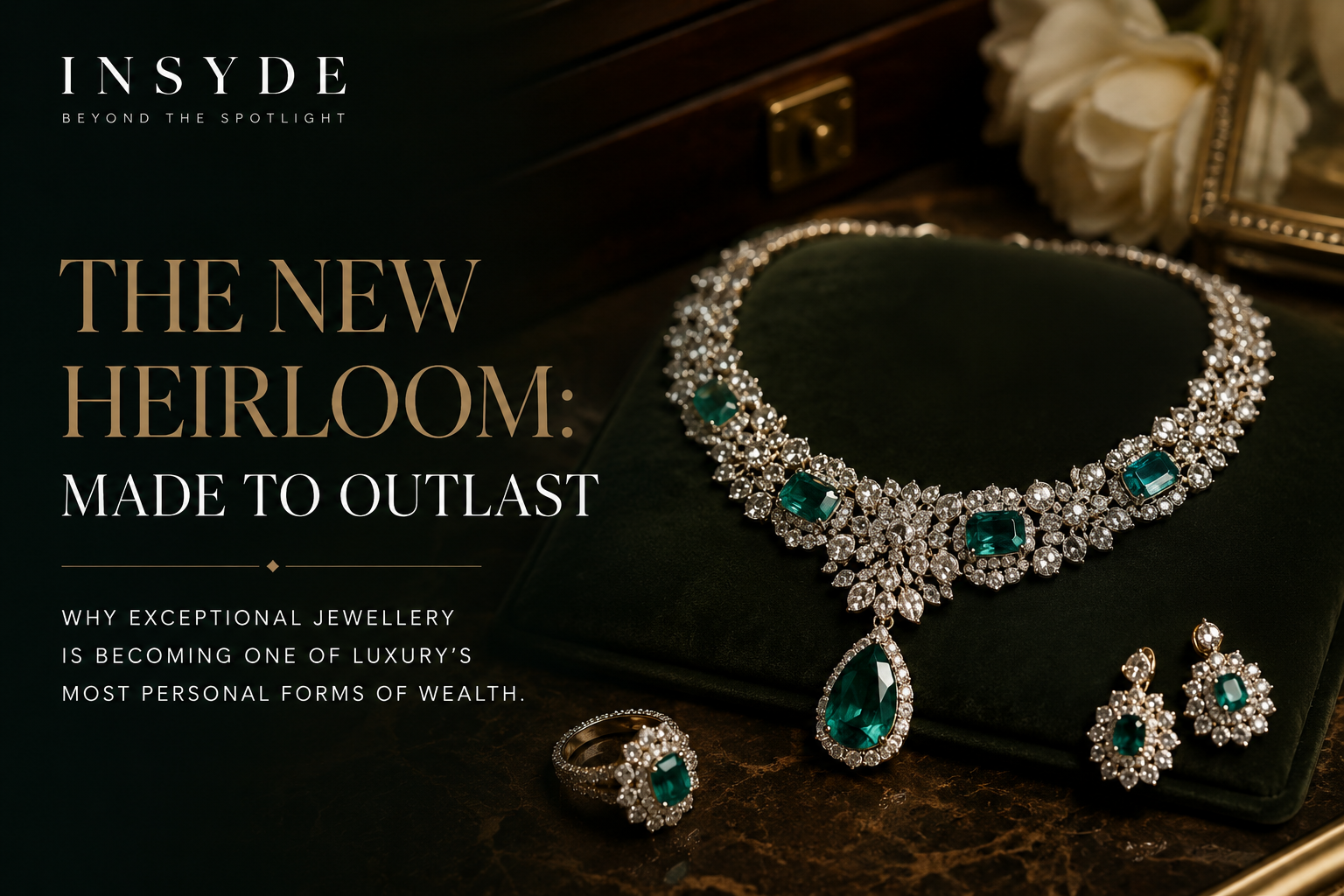
    The New Heirloom: The Luxury of Legacy

    Why exceptional jewellery is becoming one of luxury’s most personal forms of wealth.

    There is a difference between owning something valuable and owning something that matters.

    The distinction becomes clearer at the highest levels of luxury.

    When access is no longer the challenge, another question begins to matter: what is actually worth keeping?

    A remarkable piece of jewellery can answer that question rather elegantly.

    It does not need to occupy a room.

    It does not need a chauffeur.

    It does not need a marina or a private hangar.

    It can sit quietly in a private collection, emerge for one evening, and carry more meaning than an object ten times its size.

    That is the peculiar power of exceptional jewellery.

    It is wealth made intimate.

    Not necessarily wealth designed to be seen by everyone, but wealth expressed through rarity, provenance, craftsmanship and personal significance.

    And increasingly, that is where luxury is heading.

    When Price Stops Being the Point

    For a certain kind of buyer, price is an important consideration.

    For the truly affluent, it is often a secondary one.

    The question is no longer whether something is expensive enough to justify its place in a collection.

    It is whether it is exceptional enough to deserve one.

    That distinction changes the entire conversation.

    A rare Colombian emerald.

    An extraordinary Burmese ruby with compelling provenance.

    A historic diamond.

    A one-of-one commission.

    A piece created by an exceptional atelier.

    A jewel whose craftsmanship reveals itself only when examined closely.

    These are not interchangeable luxury goods.

    They are objects with characteristics that cannot simply be reproduced by increasing a budget.

    That is where jewellery becomes particularly interesting.

    Money can secure access. It cannot manufacture rarity.

    The Value of Knowing What You Are Looking At

    There is a sophistication to jewellery that rewards knowledge.

    Two stones can appear similar to an untrained eye and possess radically different histories, qualities and desirability.

    Two pieces can carry similar materials and have completely different levels of craftsmanship.

    The difference may be in the cut.

    The setting.

    The proportions.

    The origin.

    The stone selection.

    The construction.

    The hand behind it.

    Or simply the judgement of the person who commissioned it.

    This is why the most sophisticated jewellery culture is not necessarily loud.

    It is informed.

    A collector does not need a room to recognise a remarkable stone.

    Sometimes a glance across a dinner table is enough.

    That is a very different kind of status.

    Recognition becomes selective.

    Jewellery Is Wealth You Can Wear

    A residence remains at its address.

    A yacht remains at sea.

    A private aircraft moves according to a flight plan.

    Jewellery has a different kind of freedom.

    It travels with its owner.

    A necklace can move between continents.

    A ring can pass from a boardroom to a private dinner.

    A pair of earrings can become part of an evening’s entire visual language.

    The object is not simply stored wealth.

    It becomes portable identity.

    And because it is worn directly against the body, jewellery occupies an unusually intimate position within a luxury collection.

    You don’t simply own it.

    You live with it.

    The Quiet Power of Exceptional Craftsmanship

    At the top end of jewellery, craftsmanship is rarely there for spectacle.

    It is there for perfection.

    The setting has to hold the stone without overpowering it.

    The proportions have to feel inevitable.

    The metal has to respond to light correctly.

    The construction has to survive years of wear without losing its character.

    The smallest detail can determine whether a piece feels merely expensive or genuinely exceptional.

    This is where the great ateliers distinguish themselves.

    The finished piece may appear effortless.

    That is precisely the point.

    Exceptional craftsmanship hides its own difficulty.

    The more refined the object, the less it needs to explain itself.

    The Stone Is Only the Beginning

    A remarkable gemstone carries its own identity.

    Its colour.

    Its character.

    Its origin.

    Its rarity.

    Its history.

    Its imperfections can sometimes become part of what makes it desirable.

    The sophisticated collector therefore isn’t necessarily searching for the largest stone.

    They may be searching for the stone that cannot easily be replaced.

    That distinction matters.

    Size can be measured.

    Rarity has to be understood.

    And in the highest echelons of collecting, uniqueness tends to outlast spectacle.

    India’s Jewellery Legacy Is an Extraordinary Advantage

    India enters this conversation with something many emerging luxury markets would struggle to create from scratch:

    centuries of jewellery culture.

    Kundan.

    Jadau.

    Polki.

    Meenakari.

    Temple jewellery.

    Goldsmithing traditions.

    Gem-setting techniques.

    Regional craftsmanship passed between generations.

    These aren’t simply decorative traditions.

    They are sophisticated systems of making.

    The opportunity for contemporary Indian luxury is therefore not to reproduce the European model of jewellery.

    It is to take India’s enormous craft heritage and give it a new vocabulary.

    The most compelling future Indian jewellery may not look traditionally Indian at first glance.

    It may be architectural.

    Minimal.

    Sculptural.

    Unexpected.

    But the intelligence of the craft can remain underneath.

    That is where heritage becomes contemporary.

    The Indian Jewel of Tomorrow

    Imagine a contemporary necklace constructed using a centuries-old technique.

    A sculptural ring inspired by Indian architecture.

    A modern interpretation of Jadau without ceremonial excess.

    A rare gemstone framed with the restraint of contemporary design.

    A private commission that combines an inherited stone with a completely new setting.

    That is far more interesting than simply placing an Indian motif on a luxury product.

    The real opportunity is reinvention without losing provenance.

    If Indian jewellery houses can achieve that balance, the result could become globally significant.

    Not because it is Indian.

    But because it is exceptional.

    When Jewellery Becomes a Private Language

    There is a particular pleasure in owning something that does not need to announce itself.

    A necklace without a visible logo.

    A ring whose significance is understood only by a handful of collectors.

    A stone selected because of its provenance rather than its recognisability.

    A private commission that exists nowhere else.

    This is where jewellery enters the territory of discreet luxury.

    The object does not ask for attention.

    It rewards attention.

    And that distinction is increasingly important.

    The old luxury language often said:

    Look at what I own.

    The newer language can say:

    Look closely.

    The Heirloom Is Changing

    Historically, an heirloom was something that survived long enough to be inherited.

    Today, the most thoughtful collectors can design for inheritance from the beginning.

    A piece commissioned for a milestone.

    A gemstone selected with a future daughter or son in mind.

    An existing family jewel redesigned without losing its original stone.

    A new piece created specifically to become part of a family’s visual history.

    The object becomes more than an acquisition.

    It becomes a decision about the future.

    And that may be one of the most sophisticated reasons to buy exceptional jewellery.

    You are not necessarily buying for yourself alone.

    You are deciding what deserves to survive you.

    From Jewellery to Family Archive

    This is where jewellery becomes almost impossible to price.

    A necklace can carry the memory of a wedding.

    A ring can carry the history of a marriage.

    A stone can be reset across generations.

    A brooch can return decades later at another family celebration.

    The financial value may remain measurable.

    The emotional value does not.

    And over time, the two can become inseparable.

    A remarkable jewel is therefore capable of becoming something unusual:

    a physical archive of a family.

    That is a form of wealth no balance sheet can properly capture.

    The Collector’s Eye

    Serious collecting is rarely about accumulation for its own sake.

    The most interesting private collections tend to have a point of view.

    They may focus on exceptional stones.

    A particular period.

    A house.

    A designer.

    A technique.

    A geographical tradition.

    Or simply pieces that tell compelling stories.

    The collector begins to develop an eye.

    They notice things.

    The quality of a setting.

    The way a stone is cut.

    The originality of a design.

    The difference between an important piece and merely an expensive one.

    At that point, buying becomes less about consumption and more about curation.

    And curation is one of the defining characteristics of sophisticated luxury.

    When a Jewel Becomes Art

    There is a moment when jewellery stops functioning as an accessory.

    It becomes an artwork.

    A one-of-one commission.

    An extraordinary stone.

    An experimental setting.

    A collaboration between an artist and a master jeweller.

    A piece whose proportions are so deliberate that it could belong in a gallery as naturally as it belongs on the body.

    At that level, the question is no longer whether the piece matches an outfit.

    It is whether the object itself deserves to exist.

    That is a much higher standard.

    And it is where jewellery enters the world of collecting.

    The Investment Question Is Almost the Wrong Question

    Luxury jewellery is frequently discussed as an investment.

    That conversation has its place.

    Certain exceptional pieces can command significant prices in the secondary market, particularly when rarity, provenance, craftsmanship and collector demand converge.

    But reducing exceptional jewellery to financial performance misses its more enduring value.

    The serious collector isn’t necessarily asking whether a jewel will outperform an investment portfolio.

    They are asking whether it possesses lasting desirability.

    Will the stone still be remarkable?

    Will the craftsmanship still be respected?

    Will the design still feel relevant?

    Will the provenance still matter?

    Will someone want it decades from now?

    That is a different definition of value.

    Financial value can fluctuate. Cultural value can compound.

    The New Luxury Is Personal

    The next generation of high jewellery is unlikely to be defined simply by larger stones or heavier pieces.

    It will be defined by individuality.

    Private commissions.

    Unusual gemstones.

    Exceptional provenance.

    Artist collaborations.

    Heritage techniques.

    Contemporary Indian craftsmanship.

    One-of-one designs.

    And pieces that could never have been created for anyone else.

    This is where luxury becomes most interesting.

    The object is no longer simply selected.

    It is authored.

    The collector becomes part of the creative process.

    The final piece carries something of both sides: the skill of the maker and the identity of the person who commissioned it.

    That is difficult to mass-produce.

    And therefore, increasingly valuable.

    Beyond the Logo

    The future of jewellery may belong to pieces that do not immediately reveal their price, their house or even their significance.

    A rare stone.

    An exceptional setting.

    A technique recognised by a specialist.

    A piece with a story known only to the owner and a small circle of people who understand its importance.

    This is not the disappearance of the luxury brand.

    It is the evolution of luxury beyond the brand.

    The logo tells you who made something.

    The craftsmanship tells you why it matters.

    The provenance tells you where it has been.

    But the story tells you why it should be kept.

    The Things We Choose to Keep

    Perhaps that is why jewellery has survived every change in fashion.

    Trends disappear.

    Designers change.

    Houses rise and fall.

    But a remarkable jewel can remain.

    It can cross generations.

    It can carry a story long after its original owner is gone.

    It can be worn again decades later and somehow feel completely right.

    Because the most valuable thing about jewellery has never been simply what it is made from.

    It is what it remembers.

    And perhaps that is the ultimate luxury.

    Not owning the largest stone.

    Not wearing the most recognisable name.

    Not proving how much something cost.

    But possessing something rare enough, beautiful enough and meaningful enough to become part of someone else’s future.

    The finest jewellery doesn’t simply belong to a person.

    For a while, a person becomes part of its story.

    INSYDE — Beyond the Spotlight.
  • london fasion week 2026

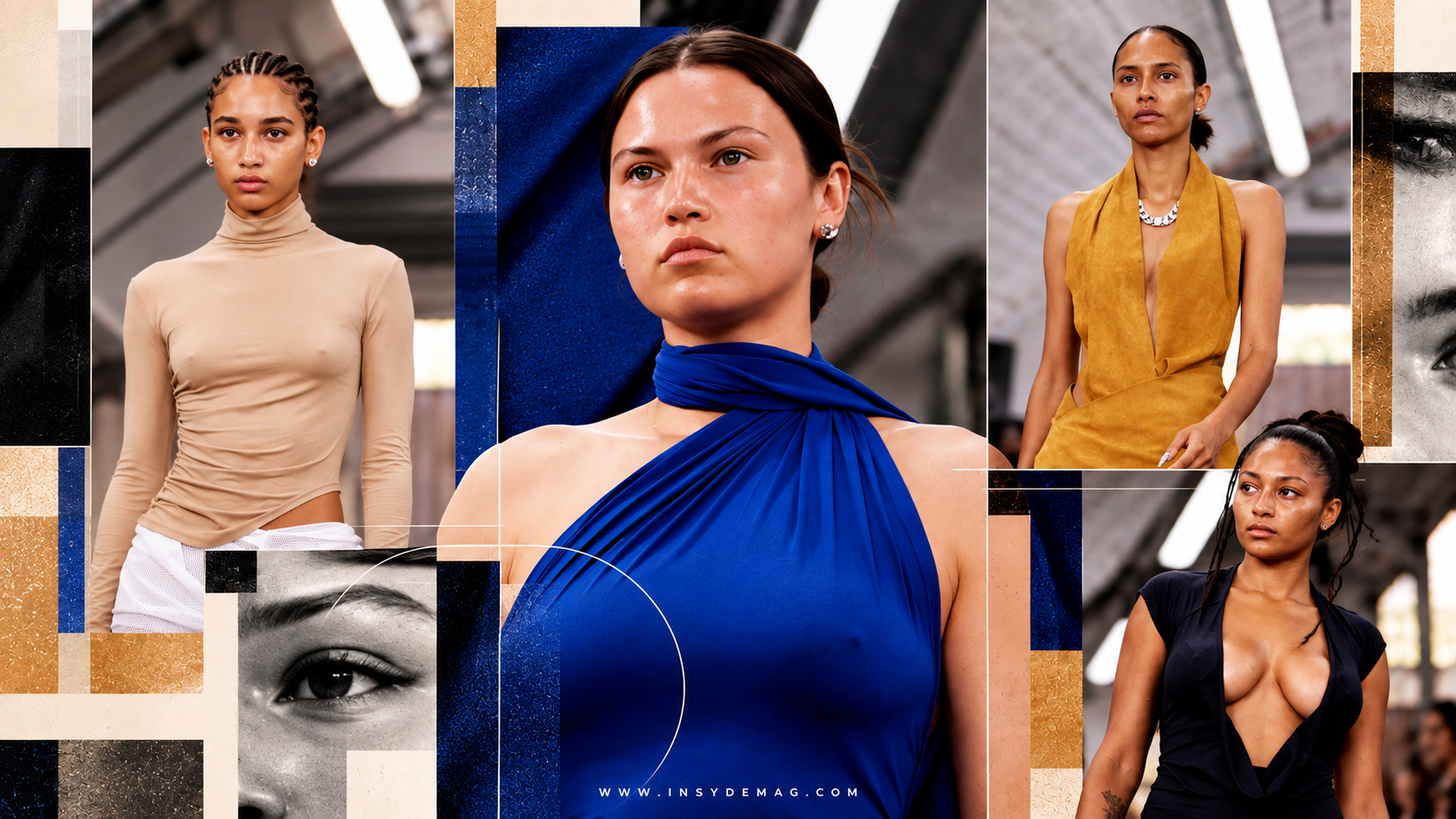
    london fasion week 2026

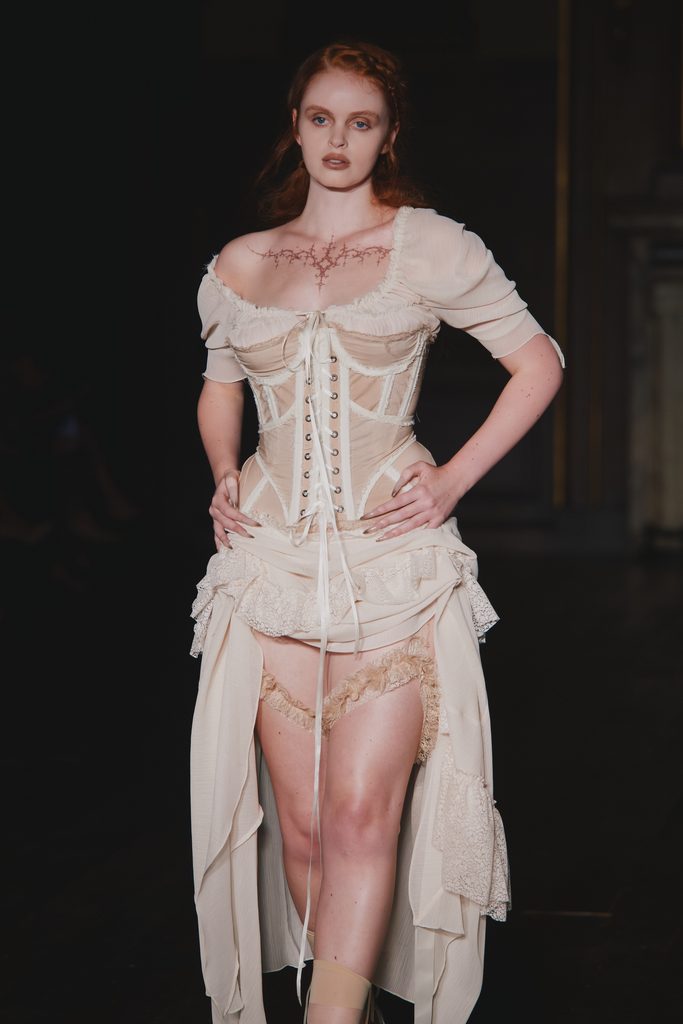
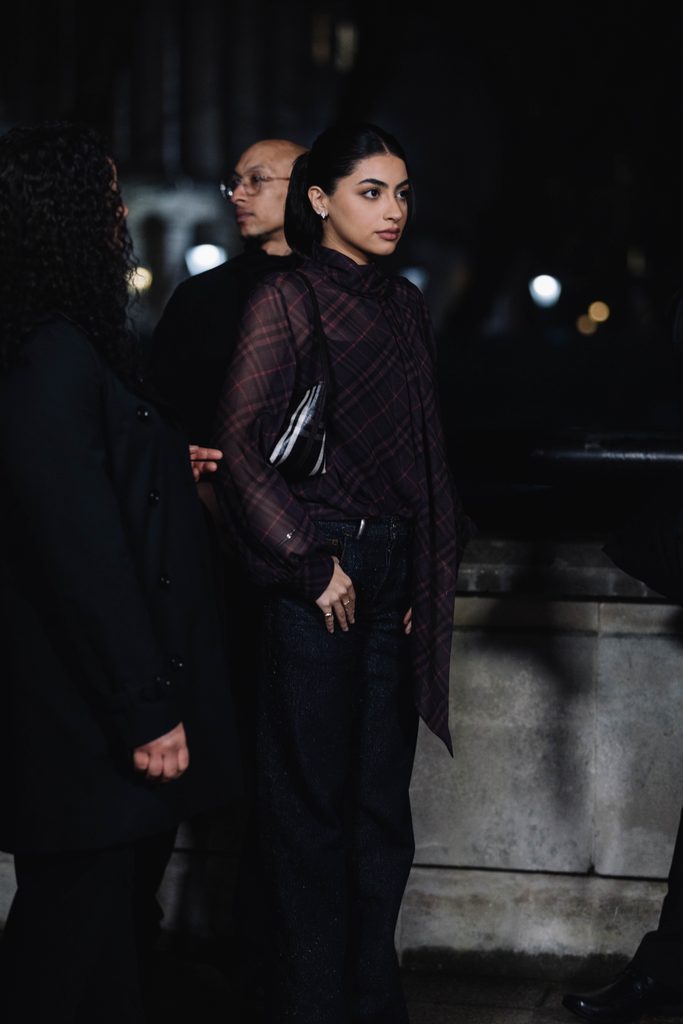
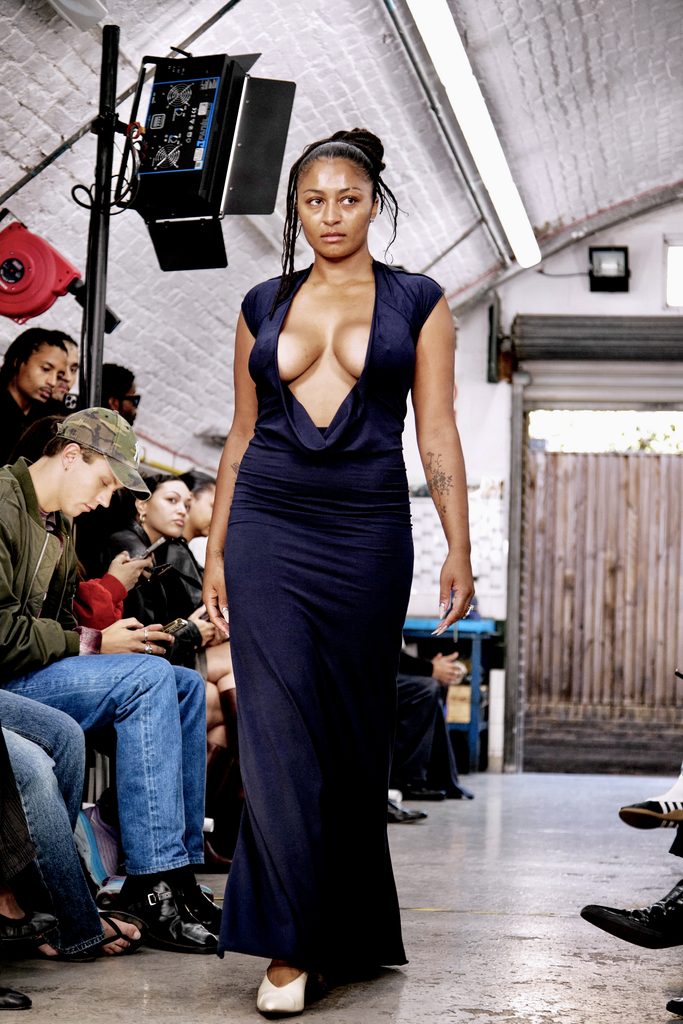
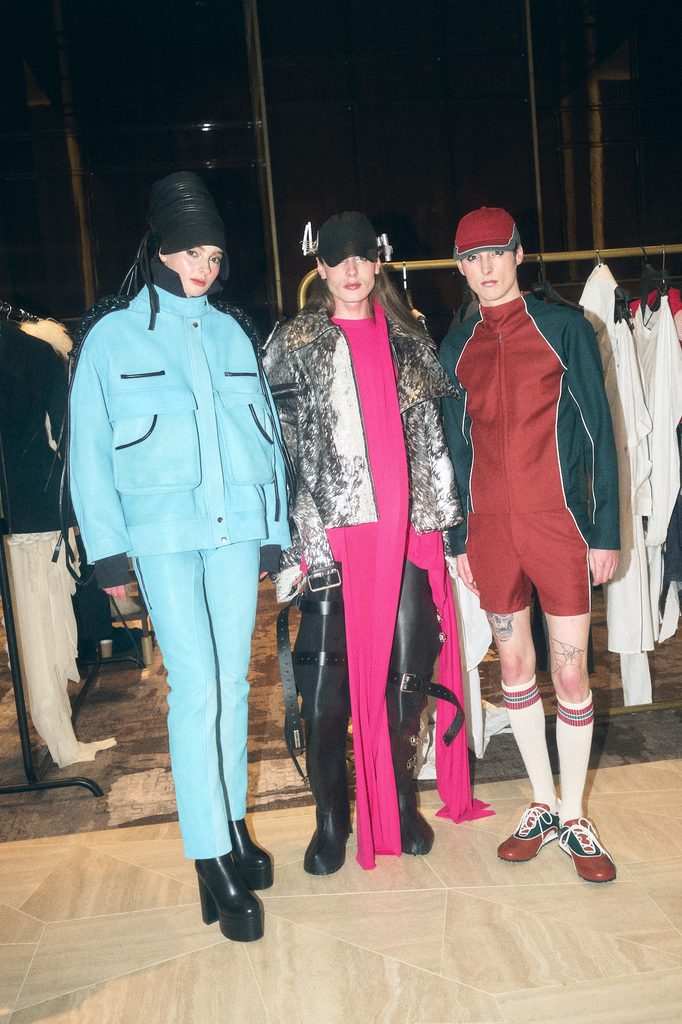
    How London Fashion Week rebuilt its creative energy — and why British fashion suddenly feels relevant again.

    By INSYDE Magazine
    Fashion | Culture | Luxury

    London has never needed to be the most polished fashion capital in the world.

    Its influence has always come from something harder to manufacture: the collision of fashion with music, art, youth culture, tailoring, subculture and the city’s appetite for reinvention.

    That has made London Fashion Week difficult to define — but also difficult to ignore.

    The September 2026 season offered a particularly convincing reminder of why.

    McQueen returned to the official London Fashion Week schedule for the first time since 2001. Christopher Kane presented his first collection for Mulberry. Burberry continued to occupy its place at the centre of British luxury. Marks & Spencer made its London Fashion Week debut. And a new generation of designers continued to push the boundaries of what a fashion week can be.

    The numbers suggested that the international fashion industry was paying attention again.

    According to the British Fashion Council, accredited buyer attendance increased 19% year-on-year, while accredited international buyer attendance rose 41%. Across five days, London hosted 47 catwalk shows, 23 presentations, 10 digital activations and 53 evening events. (British Fashion Council)

    But the more interesting story isn’t simply that London had a successful fashion week.

    It is why London suddenly feels important again.


    photo credit @britishfashioncoun

    THE CITY THAT REFUSED TO BECOME PARIS

    London’s fashion identity has never been built around perfection.

    It was built around contradiction.

    Punk beside tailoring.
    Aristocratic tradition beside underground culture.
    Luxury houses beside independent studios.
    Craftsmanship beside experimentation.

    That tension has always been part of the city’s creative power.

    The British Fashion Council describes London Fashion Week as a creative laboratory — a platform where ideas are developed, emerging talent is supported, collaborations are created and global influence is redefined. (British Fashion Council)

    That description feels particularly relevant now.

    Because London’s strength isn’t simply that it produces clothes.

    It produces possibilities.

    And at a moment when fashion is searching for new creative identities, new consumers and new ways to make people care, possibility is becoming increasingly valuable.


    THEN McQUEEN CAME HOME

    Some fashion moments carry more weight than a collection.

    McQueen’s return to London was one of them.

    The house returned to the official LFW schedule for the first time since 2001 under creative director Seán McGirr, bringing one of Britain’s most internationally recognised fashion names back to the city that remains central to its history and identity. (British Fashion Council)

    For McGirr, London isn’t simply a location.

    It is part of the creative vocabulary.

    His relationship with the city stretches back to his arrival from Ireland at 17 and his education at Central Saint Martins. Speaking ahead of the show, he described London as a place of freedom, energy and playful contradiction — a place where people mix things in ways that aren’t necessarily supposed to work. (Vogue)

    That idea is important to McQueen.

    The house was founded on the tension between beauty and discomfort, tailoring and rebellion, craftsmanship and provocation.

    Returning to London therefore raises a larger question:

    Can a global luxury house preserve the disruptive spirit that made it important in the first place?

    The answer cannot simply be found in archival references.

    History only remains valuable when someone finds a way to make it feel alive.


    THE NEW MULBERRY

    If McQueen represented a return to its roots, Mulberry represented something different:

    reinvention through a new creative voice.

    Christopher Kane presented his first collection for Mulberry during London Fashion Week, marking a new chapter for both the designer and the British leather house.

    The collection, titled “City Town Country,” established a deliberately modern visual language while drawing directly from Mulberry’s existing codes. Kane reworked elements of the iconic Bayswater bag’s flap and closure across clothing and accessories, turning a recognisable house detail into a broader design vocabulary. (Vogue)

    It was an intelligent approach to heritage.

    Because heritage doesn’t necessarily have to be protected behind glass.

    It can be reinterpreted.

    That distinction matters enormously in modern luxury.

    The danger of heritage is nostalgia.

    The opportunity is to treat heritage as raw material.

    Mulberry’s next chapter will therefore be judged not simply by how well it remembers its past, but by whether that past can create desire in the present.


    BURBERRY’S BRITISH QUESTION

    Burberry has a different problem.

    It doesn’t need to convince the world that it exists.

    It needs to convince the world that it still matters.

    That is a much harder challenge.

    As one of Britain’s most recognisable luxury houses, Burberry carries an enormous amount of cultural history: the trench coat, the check, British weather, British tailoring and a visual language that has travelled far beyond Britain itself.

    The question for a modern Burberry is therefore not whether it should be British.

    It is:

    What does Britishness look like now?

    That question continues to shape Daniel Lee’s work.

    For Spring/Summer 2027, the collection drew on the work of British textile designer Celia Birtwell, incorporating florals, stripes, gingham and other familiar British references. Rapper Central Cee’s appearance on the runway added another contemporary cultural layer. (Vogue)

    The result speaks to one of luxury’s biggest challenges.

    A global house cannot simply sell its heritage.

    It has to continually reinterpret it for the next generation.

    Britishness cannot remain a costume.

    It has to remain a living culture.


    WHEN FASHION WEEK BECAME MORE THAN A RUNWAY

    Perhaps the most important change in London wasn’t visible in a single collection.

    It was visible in the structure of the week itself.

    The September programme included catwalk shows, presentations, digital activations, immersive experiences, exhibitions, retail collaborations and cultural events. The BFC also expanded Fashion Britain into a nationwide programme of more than 1,000 events across the UK. (British Fashion Council)

    That tells us something about fashion’s changing business model.

    The runway is no longer the entire product.

    The experience around the runway is becoming part of the product.

    H&M worked with photographer and filmmaker Nick Knight and SHOWstudio to rethink the traditional fashion-show format. eBay returned with its Endless Runway, bringing resale and circular fashion into the official conversation. Selfridges created an in-store edit of London Fashion Week designers. (British Fashion Council)

    Fashion houses are increasingly asking consumers to do more than look.

    They want them to enter the world of the brand.

    Watch the show.

    Visit the store.

    Attend the event.

    Share the experience.

    Buy the product.

    Discover the designer.

    Become part of the culture.

    In an industry where traditional advertising is increasingly easy to ignore, experience has become one of luxury’s most powerful forms of communication.


    THE M&S QUESTION

    Then there was Marks & Spencer.

    The retailer made its London Fashion Week debut with its first dedicated catwalk show during its centenary year, using a see-now-buy-now model that connected the runway directly to customers. (British Fashion Council)

    On the surface, the pairing seems unusual.

    London Fashion Week is traditionally associated with designer houses, independent labels and luxury fashion.

    M&S operates at an entirely different scale.

    But that difference is precisely why its presence matters.

    Fashion week is becoming less like a closed industry meeting and more like a cultural platform.

    Luxury houses want attention.

    Retailers want credibility.

    Designers want customers.

    Consumers want immediacy.

    Social platforms want spectacle.

    The old fashion calendar was designed primarily around the needs of the industry.

    The new one increasingly has to work for the audience.


    LONDON’S NEXT GENERATION

    Yet London’s most valuable asset may still be the designers whose names haven’t become household names.

    The September schedule brought established houses together with BFC NEWGEN and Fashion East talent, reinforcing London’s role as an ecosystem rather than simply a collection of major brands. (British Fashion Council)

    Francesca Lake, Gui Rosa and Petra Fagerström made their LFW debuts through BFC NEWGEN, while Fashion East returned to the official schedule with GOYAGOMA, Jacek Gleba and Mé Mé. Indian label LOVE BIRDS also joined the official schedule for the first time. (British Fashion Council)

    This is where London’s fashion system becomes particularly interesting.

    A fashion capital doesn’t remain relevant by protecting the designers it already knows.

    It remains relevant by continually creating the designers the world hasn’t met yet.

    That is London’s real competitive advantage.

    Not one house.

    Not one creative director.

    Not one season.

    The possibility of the next one.


    THE INDIAN CONNECTION

    For INSYDE, the appearance of Indian label LOVE BIRDS on the official London Fashion Week schedule deserves particular attention.

    It is another indication of how increasingly interconnected fashion’s creative ecosystem has become.

    Indian designers no longer have to be discussed solely through the lens of traditional Indian fashion.

    The more interesting question is how Indian creative voices participate in the broader international fashion conversation.

    London provides a particularly relevant environment for that conversation because its fashion culture has historically absorbed influences from across the world.

    The presence of LOVE BIRDS within the official schedule places an Indian label inside that ecosystem — alongside established British houses, emerging designers and international creative talent. (British Fashion Council)

    For Indian fashion, the opportunity is larger than simply being seen abroad.

    It is about becoming part of the global fashion vocabulary without losing the identity that made the work worth noticing in the first place.

    That distinction will matter increasingly as Indian luxury becomes more internationally ambitious.


    THE BUSINESS OF BEING CREATIVE

    There is another reason this season matters.

    Creativity alone is no longer enough.

    Fashion businesses need to demonstrate that creative relevance can translate into commercial momentum.

    The British Fashion Council’s post-season figures provide one indication of that renewed engagement: international accredited buyer attendance increased 41% year-on-year, while overall accredited buyer attendance rose 19%. (British Fashion Council)

    That does not mean every British fashion business is suddenly thriving.

    It doesn’t.

    But it does demonstrate that London remains capable of attracting the international buyers and industry attention necessary to turn creative ideas into global opportunities.

    That distinction is crucial.

    For years, London could rely on being exciting.

    The next phase requires it to be exciting and commercially sustainable.

    Creative credibility without business infrastructure eventually becomes fragile.

    Commercial success without creative identity becomes forgettable.

    London needs both.


    THE NEW LONDON MODEL

    Perhaps that is what made September 2026 feel different.

    It wasn’t one comeback.

    It was several different parts of the ecosystem moving simultaneously.

    McQueen brought a major British house home.

    Christopher Kane opened a new chapter at Mulberry.

    Burberry continued translating British identity for a global audience.

    Marks & Spencer challenged the traditional boundaries of fashion week.

    Emerging designers supplied the experimentation that keeps London’s fashion culture moving forward.

    And around all of them, London Fashion Week itself continued to expand beyond the runway into retail, technology, entertainment, resale and cultural programming.

    That combination is difficult to manufacture.

    Because London’s fashion identity has always been built on the tension between heritage and experimentation.


    LONDON DOESN’T WANT TO BE PARIS

    And perhaps that is the point.

    London’s fashion future doesn’t depend on becoming more like another fashion capital.

    Its value lies in being unmistakably itself.

    A city where a heritage luxury house can stand beside an unknown designer.

    Where tailoring can exist alongside street culture.

    Where a global fashion brand can share a calendar with a mass retailer.

    Where a runway can become a film, an exhibition, a livestream, a party or a cultural event.

    Where the next important designer might still be working in a studio nobody knows about.

    That unpredictability isn’t a weakness.

    It is London’s competitive advantage.


    THE REAL COMEBACK

    Calling London Fashion Week “back” is tempting.

    The numbers certainly give the phrase substance. International buyer attendance increased 41%, major British houses returned to the official schedule, and emerging designers continued to receive a significant platform. (British Fashion Council)

    But a comeback isn’t really about one successful week.

    It is about what happens afterwards.

    Can the new creative energy translate into stronger businesses?

    Can emerging designers scale without losing what made them interesting?

    Can established houses continue to reinvent themselves without becoming trapped by their own histories?

    Can London maintain the cultural unpredictability that made it important in the first place?

    Those are the questions that matter now.

    Because fashion capitals aren’t defined simply by how many shows they host.

    They’re defined by what the world wants to see next.

    And after September 2026, London has given the industry a reason to look again.


    INSYDE TAKE

    London’s greatest luxury has never been perfection.

    It is possibility.

    The city remains at its most powerful when fashion, music, art, commerce and subculture collide — when established names return without becoming museums, and emerging designers are given enough space to challenge what already exists.

    Milan has its language of Italian craftsmanship.

    Paris has its institutional mythology.

    London has something harder to manufacture:

    the feeling that something could happen here that hasn’t happened anywhere else yet.

    And in an industry increasingly searching for its next idea, that may be London’s most valuable asset of all.

    INSYDE MAGAZINE
    Luxury, Through a Different Lens.
    Beyond the Spotlight.

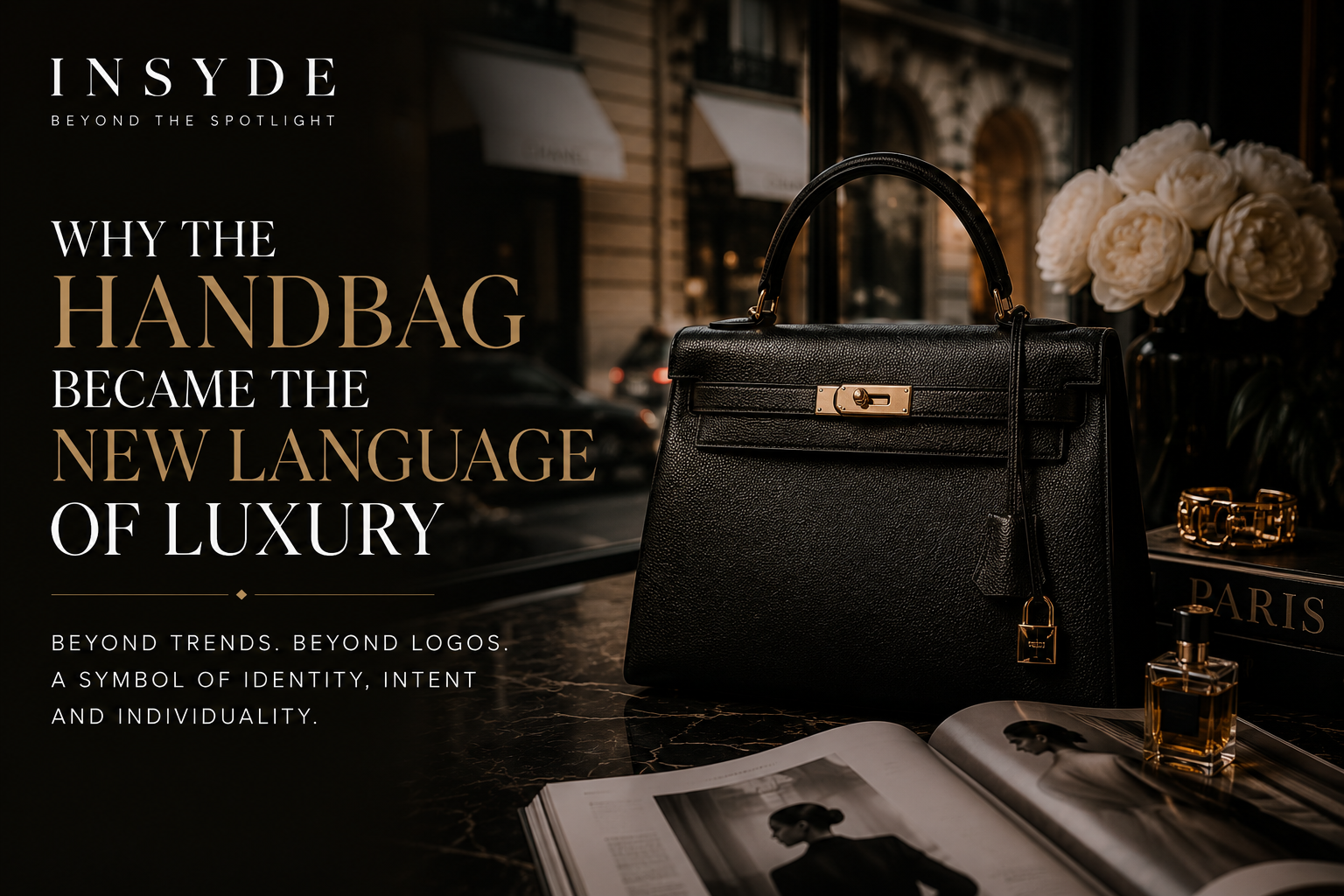
  • Why the Handbag Became the New Language of Luxury

    Why the Handbag Became the New Language of Luxury

    How craftsmanship, scarcity, status and personal taste transformed fashion’s smallest object into one of luxury’s most powerful statements.

    There is something fascinating about a luxury handbag.

    It is small enough to carry in one hand.

    Yet some can command prices that rival a car.

    They can have limited availability, dedicated collectors, highly developed resale markets and a level of cultural recognition that extends far beyond fashion.

    And despite their size, certain handbags have become some of the most powerful objects in luxury.

    Why?

    Because the handbag has evolved.

    It is no longer simply something you carry.

    It has become something you communicate with.

    A handbag can speak about taste without a word, signal status without a logo, reveal knowledge without explanation and, at its highest level, become an expression of identity.

    That transformation is what makes the luxury handbag one of fashion’s most fascinating objects.

    When a Handbag Became a Status Language

    Fashion has always been a form of communication.

    A suit can communicate authority.

    A watch can communicate precision.

    A car can communicate performance.

    Jewellery can communicate heritage.

    The handbag occupies an unusually powerful position because it sits directly between fashion and identity.

    It is visible.

    It moves with you.

    It becomes part of your silhouette.

    And when the object is recognisable, it can communicate something without requiring an explanation.

    For decades, luxury often relied on visibility.

    Large logos.

    Recognisable monograms.

    Distinctive patterns.

    The unmistakable symbols of a successful purchase.

    But the language of luxury is becoming more sophisticated.

    Craftsmanship can matter more than branding.

    Material can matter more than a monogram.

    Proportion can matter more than decoration.

    And recognition can increasingly belong to the people who understand the object rather than everyone who sees it.

    Luxury is becoming a language with fewer people fluent in it.

    Why Would Anyone Spend That Much?

    This is the question that makes luxury handbags so interesting.

    At a certain level of wealth, the basic function of a handbag becomes almost irrelevant.

    You do not need a handbag that costs tens of thousands of dollars to carry your phone, keys and wallet.

    The functional argument ends very quickly.

    Something else begins.

    The buyer is paying for the object as a whole.

    The design.

    The materials.

    The construction.

    The history.

    The reputation.

    The experience of acquiring it.

    The feeling of owning something difficult to replicate.

    And sometimes, simply the pleasure of knowing that an extraordinary amount of skill went into something that appears deceptively simple.

    This is the strange genius of luxury.

    It takes something ordinary and makes the extraordinary visible through detail.

    A handbag can be technically small while being culturally enormous.

    Craftsmanship Is the Beginning

    The strongest luxury handbags are not extraordinary simply because a famous name is printed on them.

    Behind the most respected houses is an enormous investment in technique.

    Leather selection.

    Cutting.

    Construction.

    Stitching.

    Edge finishing.

    Hardware.

    Lining.

    Proportion.

    Quality control.

    And years of accumulated knowledge.

    Hermès, for example, describes its leather goods as being made by hand according to demanding standards, with artisans requiring years to master the techniques involved. Its saddle-stitching tradition remains one of the defining elements of its leather craftsmanship.

    The result is something interesting.

    The craftsmanship becomes almost invisible.

    A beautifully constructed handbag doesn’t necessarily look complicated.

    It may look simple.

    That simplicity is the achievement.

    The more sophisticated the object becomes, the less it needs to show you how difficult it was to make.

    The Birkin Effect

    Few handbags demonstrate the power of luxury better than the Hermès Birkin.

    Its story sounds almost too perfectly designed for fashion mythology.

    According to Hermès, the bag originated from a conversation between Jane Birkin and Jean-Louis Dumas during a flight from Paris to London in 1984. Dumas sketched a spacious bag designed around Birkin’s needs, including room for baby bottles.

    What began as a practical problem became one of the most recognisable luxury objects in the world.

    That transformation is important.

    The Birkin isn’t powerful simply because it is expensive.

    Its cultural power comes from the combination of design, heritage, craftsmanship, scarcity and recognition.

    Hermès says its Birkin and Kelly handbags are sold through its stores, while availability can be limited because each piece is handmade and production requires significant time and specialised craftsmanship.

    The result is a peculiar form of luxury.

    Having the money does not automatically make the object available.

    And that changes the psychology completely.

    Scarcity Changes Desire

    Luxury has always relied on rarity.

    But modern luxury has become increasingly sophisticated about how rarity works.

    A product can be expensive because it uses exceptional materials.

    It can be expensive because it requires extraordinary craftsmanship.

    But it becomes culturally powerful when people want it and cannot simply obtain it whenever they choose.

    That is where scarcity becomes part of the experience.

    Limited editions.

    Rare materials.

    Special colours.

    Exceptional pieces.

    Private access.

    Boutique relationships.

    Vintage examples.

    Collector editions.

    Scarcity, however, is not magic.

    If nobody wants an object, making it rare does not automatically make it desirable.

    Scarcity amplifies desire; it does not create desire from nothing.

    The real luxury lies in the combination of rarity and desirability.

    The Wealthiest Buyer Isn’t Always Looking for the Loudest Bag

    There is a persistent stereotype about wealthy consumers.

    More diamonds.

    More logos.

    More recognisable names.

    More obvious signs of money.

    But luxury culture is becoming more complicated.

    Some sophisticated consumers are increasingly interested in objects whose value is visible primarily to people who understand them.

    A person deeply familiar with fashion may recognise leather, construction, silhouette, hardware, archive references or a particular designer without needing a logo to tell them what they are looking at.

    That creates another level of status.

    The object doesn’t have to announce itself to everyone.

    It only needs to be understood by the right people.

    The most sophisticated luxury can become almost conversational.

    A bag enters the room.

    Someone notices.

    Someone else understands.

    No explanation is necessary.

    From Logo to Knowledge

    This may be one of the most important changes in luxury.

    The old model of status depended heavily on visibility.

    The emerging model can depend on knowledge.

    That doesn’t mean logos are disappearing.

    They aren’t.

    But they increasingly share the stage with craftsmanship, provenance, design and cultural literacy.

    The question is shifting from:

    “Does everyone know this brand?”

    to:

    “Do the people whose opinions matter to me understand what this is?”

    That is a much more selective form of luxury.

    And it changes how brands have to create desire.

    They can’t simply become famous.

    They have to become meaningful.

    The Handbag as Fashion Architecture

    A great handbag is also a design object.

    Look at its proportions.

    The way it holds its shape.

    The relationship between its handle and body.

    The scale of its hardware.

    The texture of its leather.

    The way it sits against clothing.

    These aren’t random decisions.

    They are design.

    And when a handbag becomes iconic, its silhouette can become almost as recognisable as a logo.

    That is why the most important handbags often survive fashion cycles.

    Trends come and go.

    An iconic proportion can remain.

    The object becomes part of fashion history.

    This is where handbags become particularly fascinating.

    They exist somewhere between fashion, craftsmanship, industrial design and cultural memory.

    When the Handbag Becomes a Cultural Object

    Some handbags eventually stop being fashion products and become cultural objects.

    They appear in films.

    They become associated with celebrities.

    They are photographed repeatedly.

    They become part of a particular decade.

    They are referenced by designers.

    They appear in exhibitions.

    They become instantly associated with particular personalities and moments in popular culture.

    At that point, the handbag has escaped its original function.

    It is no longer simply something from a fashion collection.

    It has become part of the visual language of an era.

    And that is extraordinarily difficult for a luxury house to manufacture.

    A brand can design a handbag.

    It can produce it.

    It can market it.

    But it cannot guarantee that culture will decide to remember it.

    Why India Matters

    India is becoming an increasingly interesting part of this story.

    The country’s affluent population is expanding, global luxury houses are looking toward Indian consumers, and the appetite for international luxury is becoming more sophisticated.

    But India’s relationship with handbags isn’t simply about adopting European luxury.

    India already has a deep cultural relationship with objects that communicate craftsmanship.

    Textiles.

    Jewellery.

    Embroidery.

    Leatherwork.

    Couture.

    Artisan techniques.

    The handbag fits naturally into that ecosystem.

    It can be worn alongside couture.

    It can be paired with jewellery.

    It can become part of an occasion.

    And increasingly, Indian designers have an opportunity to build handbags with an identity of their own.

    That could become one of the most interesting developments in Indian luxury.

    Can India create the next globally recognised luxury handbag?

    Not simply an expensive bag.

    An icon.

    The Rise of the Indian Luxury Handbag

    India doesn’t need to imitate European luxury houses to create desirable handbags.

    It has something else:

    craft.

    Imagine contemporary handbags incorporating Indian embroidery without becoming costume.

    Traditional techniques translated into modern silhouettes.

    Regional materials interpreted through contemporary design.

    Jewellery craftsmanship influencing hardware.

    Artists collaborating with fashion houses.

    Indian stories becoming a global design language.

    That could create something much more valuable than another logo.

    It could create a new category of luxury identity.

    The opportunity is not to make an “Indian version” of an existing icon.

    It is to create something the world has not seen before.

    Can a Handbag Really Be an Investment?

    This is where the conversation needs some discipline.

    Certain luxury handbags have developed meaningful resale markets, and some iconic pieces have demonstrated strong value retention.

    But that does not mean every expensive handbag is an investment.

    Far from it.

    A handbag’s resale value can depend on brand, model, condition, material, rarity, colour, provenance, market sentiment and timing.

    The resale market itself changes constantly. Established houses can retain strong demand while newer or returning designs can experience sudden increases in interest.

    So the smarter question isn’t:

    “Will this make me money?”

    It is:

    “Will this remain desirable?”

    That is a much more interesting question.

    Financial value can disappear.

    Cultural value can last much longer.

    The Rise of the Collectible

    Once a handbag enters the world of collecting, the rules change.

    Collectors aren’t necessarily looking for something practical.

    They are looking for rarity.

    Story.

    Condition.

    Provenance.

    Historical importance.

    Exceptional craftsmanship.

    Sometimes even eccentricity.

    This is why the future of handbags may extend far beyond the traditional “classic versus trend” conversation.

    A collectible handbag can become closer to a piece of design history.

    And the most serious collectors don’t necessarily need to justify why they own it.

    They understand why it matters.

    The Next Luxury Handbag May Be Stranger

    Luxury has traditionally tried to make objects beautiful.

    But another movement is emerging.

    Objects can be strange.

    Playful.

    Unexpected.

    Conceptual.

    Even deliberately impractical.

    For the ultra-wealthy consumer who has access to almost every conventional luxury object, individuality itself can become the attraction.

    That could have enormous implications for handbags.

    The next iconic bag may not look like a traditional handbag at all.

    It could be sculptural.

    Artistic.

    Technological.

    Unexpectedly shaped.

    Produced in tiny quantities.

    Created with an artist.

    Or designed around a completely new way of carrying personal objects.

    Luxury doesn’t necessarily have to become quieter.

    It can become stranger.

    The important thing is that it becomes distinctive.

    The End of the “It-Bag”?

    Perhaps the most interesting possibility is that the age of the universal “it-bag” may be weakening.

    The idea of everyone wanting the same handbag is fundamentally different from the idea of luxury as individuality.

    If everyone has it, recognition increases.

    But exclusivity decreases.

    The next generation of luxury may therefore be more fragmented.

    One person wants a heritage icon.

    Another wants an obscure archive piece.

    Someone else wants a completely unbranded masterpiece.

    Another wants a limited collaboration that almost nobody has seen.

    Instead of one bag dominating culture, there may be hundreds of smaller worlds of desirability.

    That is not the death of luxury.

    It may be its evolution.

    What the Ultra-Wealthy Are Really Buying

    So, what is someone really buying when they spend an extraordinary amount on a handbag?

    Not leather alone.

    Not a logo.

    Not even craftsmanship alone.

    They are buying a combination of things that are difficult to reproduce:

    Time.

    Skill.

    History.

    Rarity.

    Recognition.

    Access.

    Identity.

    And sometimes, the feeling of possessing something that exists outside ordinary consumption.

    That’s the real power of luxury.

    The object doesn’t need to be rational.

    It needs to be meaningful.

    What Comes Next

    The next chapter of luxury handbags will probably not be defined simply by making bags more expensive.

    Price alone has limits.

    The future will be about desirability.

    Better craftsmanship.

    More distinctive design.

    Greater personalisation.

    Stronger stories.

    More interesting collaborations.

    Limited production.

    Heritage.

    New materials.

    New forms.

    And perhaps most importantly, a deeper understanding of the person carrying the object.

    The handbag may become less about showing everyone what you own and more about expressing something only you fully understand.

    A quiet piece of craftsmanship.

    An unusual colour.

    A vintage discovery.

    A personal commission.

    A bag created by an emerging designer.

    Something that doesn’t need an audience.

    The Smallest Object With the Biggest Meaning

    The power of the luxury handbag has never really been about its size.

    It is about how much meaning can be placed inside something so small.

    Wealth.

    Taste.

    Craftsmanship.

    History.

    Identity.

    Access.

    Ambition.

    And increasingly, discretion.

    In a world where almost everything can be reproduced, photographed, shared and made instantly visible, the rarest luxury may be something that still feels difficult to obtain — and even harder to imitate.

    That is why the handbag continues to matter.

    Not because people need another place to carry their belongings.

    But because fashion has transformed the object into something much more powerful.

    A handbag can be an accessory.

    It can be a status symbol.

    It can be a collectible.

    It can be a piece of design.

    It can be a cultural statement.

    And at its highest level, it can become something even more elusive:

    a signature of taste that doesn’t need to explain itself.

    The handbag isn’t disappearing.

    It is becoming more sophisticated.

    And the next chapter of luxury may not belong to the bag everyone recognises.

    It may belong to the one only a few people know how to recognise.

    INSYDE — Beyond the Spotlight.
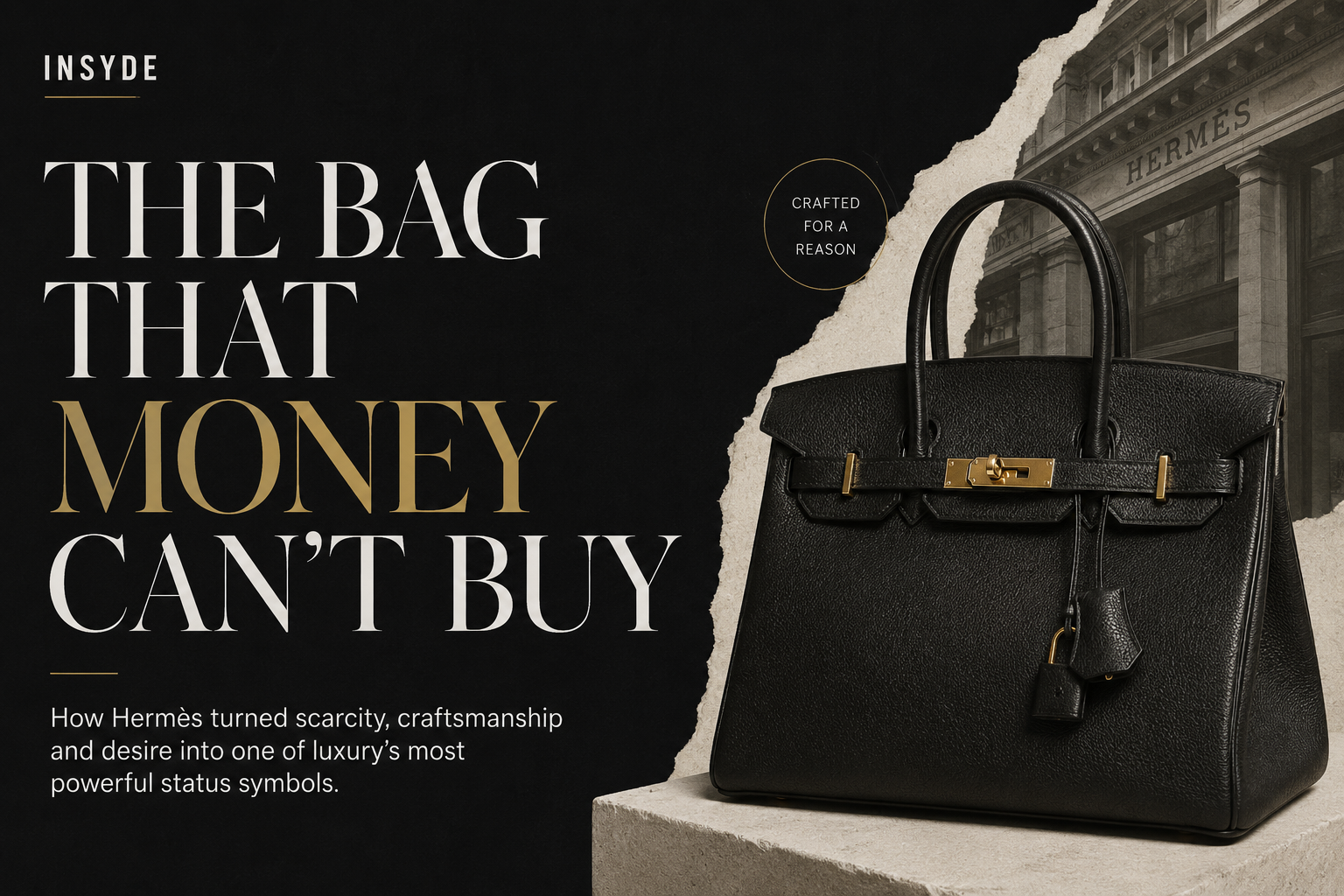
  • THE BAG THAT MONEY CAN’T BUY

    THE BAG THAT MONEY CAN’T BUY

    How Hermès turned scarcity, craftsmanship and desire into one of luxury’s most powerful status symbols.

    There are handbags that cost hundreds.

    There are handbags that cost thousands.

    And then there is the Hermès Birkin — a handbag so deeply embedded in the language of luxury that its price is no longer the most interesting thing about it.

    The real question is much simpler:

    What happens when having the money still doesn’t guarantee that you can have the thing you want?

    That is where Hermès becomes fascinating.

    Because luxury has traditionally followed a straightforward formula:

    More money. Better things.

    Hermès built something more complicated:

    More money gives you access to luxury. But it doesn’t necessarily give you access to everything.

    And that distinction transformed a handbag into something far bigger than a fashion accessory.

    The Birkin became a symbol of wealth, yes.

    But also of taste.

    Scarcity.

    Craftsmanship.

    Access.

    And, perhaps most importantly, desire.

    Because when something is difficult to obtain, the price is only the beginning of the story.


    THE BAG WAS NEVER DESIGNED TO BECOME A STATUS SYMBOL

    The origin of the Birkin is almost too ordinary for the mythology that eventually surrounded it.

    In 1984, British actress and singer Jane Birkin found herself seated next to Jean-Louis Dumas, then chairman and chief executive of Hermès, on a flight from Paris to London.

    Birkin explained that she couldn’t find a leather bag that worked for her as an everyday carryall.

    Dumas listened.

    The idea evolved into a new handbag.

    The Birkin was born.

    There was no grand plan to create one of the world’s most recognisable symbols of extreme wealth.

    It began with functionality.

    Make it practical.

    Make it beautiful.

    Make it exceptionally well.

    The mythology came later.

    And that may be one of the most important details in the entire story.

    Because Hermès didn’t begin by manufacturing status.

    It manufactured quality.

    Status followed.


    HERMÈS WAS BUILDING LUXURY LONG BEFORE THE BIRKIN

    To understand why the Birkin became so powerful, you have to go back much further.

    Hermès was founded in Paris in 1837 by Thierry Hermès, originally as a workshop producing harnesses and other equestrian equipment.

    Its early clientele included members of Europe’s wealthy and aristocratic society.

    As transportation changed, Hermès changed with it.

    The company moved into bags, luggage, silk, fashion, jewellery and other categories while maintaining a central commitment to craftsmanship.

    That history matters.

    Because the Birkin didn’t create Hermès’ luxury reputation.

    Hermès’ reputation created the environment in which the Birkin could become legendary.

    The bag arrived with decades of credibility already behind the name.


    THE REAL LUXURY IS IN THE MAKING

    A Birkin is not valuable simply because it carries the Hermès name.

    The construction itself is part of the story.

    Hermès leather goods are made by highly trained artisans, with the house emphasising manual craftsmanship and individual attention throughout the production process. The company says leather artisans undergo extensive training before becoming fully qualified.

    The leather is selected carefully.

    Pieces are cut and prepared.

    Edges are finished.

    Hardware is fitted.

    Stitching is performed by hand.

    And the artisan’s work becomes part of the character of the finished bag.

    This is important because modern luxury often creates the illusion of infinite choice.

    Hermès does something different.

    It reminds the customer that human time is finite.

    A skilled artisan can only make so many pieces.

    A particular material can only exist in a certain quantity.

    A particular finish requires a certain amount of attention.

    And suddenly, scarcity isn’t just a marketing strategy.

    It is built into the production process.


    THE DIFFERENCE BETWEEN EXPENSIVE AND EXCLUSIVE

    This is where the Birkin story becomes particularly interesting.

    An expensive product asks:

    Can you afford it?

    An exclusive product asks:

    Can you get it?

    Those are completely different questions.

    A wealthy customer can have the financial means to purchase a Birkin and still not be able to walk into a boutique and simply select any model, colour or leather they want.

    Availability varies.

    Relationships matter.

    Specific pieces are limited.

    And the exact bag someone wants may not be waiting behind the counter.

    That creates a psychological effect that money cannot completely eliminate:

    anticipation.

    You want it.

    You search for it.

    You wait.

    And the longer the desire survives, the more emotionally valuable the eventual acquisition can become.


    WHEN “NO” BECOMES PART OF THE LUXURY

    Modern commerce has been built around convenience.

    See it.

    Click it.

    Buy it.

    Tomorrow, it’s at your door.

    Luxury operates differently.

    At its highest level, friction can become part of the experience.

    The wait.

    The discovery.

    The relationship.

    The invitation.

    The moment when the right piece finally appears.

    That is a radical idea in a world obsessed with instant gratification.

    Hermès doesn’t need to make the Birkin feel like something everyone can have immediately.

    In fact, the opposite can make the product more desirable.

    The less ordinary the acquisition feels, the less ordinary the object can feel.

    The purchase becomes an event.


    THE BOUTIQUE ISN’T JUST A STORE

    This is another important distinction.

    For most consumer products, the store exists to facilitate the transaction.

    In luxury, the environment is part of the product.

    The boutique.

    The service.

    The packaging.

    The conversation.

    The anticipation.

    The feeling of discovering something rather than simply ordering it.

    These details matter because luxury is fundamentally emotional.

    A customer isn’t only purchasing leather and hardware.

    They’re purchasing an experience around the object.

    And Hermès has spent generations protecting that experience.


    THEN THE BIRKIN BECAME A CULTURAL SYMBOL

    The bag’s transformation accelerated as it became associated with celebrities, socialites, entrepreneurs and some of the world’s wealthiest consumers.

    Its shape became recognisable.

    Its hardware became recognisable.

    Its name became recognisable.

    The Birkin became something you could identify without seeing the logo.

    That is powerful branding.

    Hermès didn’t need to cover the bag in enormous symbols.

    The silhouette did much of the work.

    And this created an interesting form of status:

    the people who knew, knew.

    The bag could be visible without being loud.

    It could communicate wealth without announcing a price.

    It could sit quietly on an arm while carrying an enormous amount of cultural meaning.


    WHY THE BIRKIN DOESN’T NEED A GIANT LOGO

    Modern luxury has spent decades teaching consumers to recognise logos.

    Hermès took a different route.

    The Birkin’s identity comes from its proportions, construction, hardware, craftsmanship and association with the house.

    That makes the bag part of a more sophisticated form of luxury communication.

    A large logo says:

    Look at the brand.

    A recognisable object can say:

    If you know, you know.

    And that distinction has become increasingly relevant as luxury consumers become more interested in subtlety, provenance and craftsmanship.

    The most sophisticated status signal isn’t necessarily the loudest one.

    Sometimes it is the thing only a certain audience recognises.


    THEN THE SECONDARY MARKET CHANGED THE GAME

    The Birkin became even more fascinating when it entered the world of resale and collecting.

    Certain colours.

    Certain leathers.

    Certain sizes.

    Certain years.

    Exceptional condition.

    Rare examples.

    All can influence desirability in the secondary market.

    Some Birkins have sold for extraordinary sums at auction, particularly rare or historically significant examples.

    But there is an important distinction:

    A Birkin is not automatically an investment.

    The resale market is influenced by condition, provenance, rarity, demand and market conditions.

    The existence of a strong secondary market doesn’t guarantee appreciation.

    But it does demonstrate something important.

    The Birkin can exist simultaneously as:

    a handbag,

    a collectible,

    a status symbol,

    and a cultural asset.

    That is an extraordinary amount of meaning for an object originally designed to carry personal belongings.


    THE PSYCHOLOGY OF SCARCITY

    Why does scarcity work?

    Because humans don’t always value things according to their practical usefulness.

    When something is limited, difficult to obtain or perceived as disappearing, its psychological value can increase.

    Luxury brands have understood this for generations.

    But scarcity only works when the underlying product deserves desire.

    Make something rare without making it desirable and you have nothing.

    Hermès combined the two.

    Exceptional craftsmanship created the desire.

    Limited availability intensified it.

    And the result became a self-reinforcing cycle.

    Desire creates demand.

    Demand reinforces scarcity.

    Scarcity increases desirability.

    And the cycle continues.


    THE MOST POWERFUL WORD IN LUXURY

    No.

    No mass-market production.

    No constant discounting.

    No desperate promotions.

    No need to make every product available to everyone immediately.

    That ability to say no is one of the most powerful tools a luxury brand can possess.

    Because the moment a luxury product becomes permanently available at a discount, something changes.

    The consumer stops asking:

    “Can I get it?”

    and starts asking:

    “Should I buy it?”

    Hermès has spent decades making the first question more important.

    And that is incredibly powerful.


    WHEN THE BAG BECAME CULTURAL CURRENCY

    Eventually, owning a Birkin stopped being solely about owning an exceptional handbag.

    It became a form of cultural knowledge.

    You could recognise the bag.

    Understand the leather.

    Understand the construction.

    Understand why one version might attract more attention than another.

    Understand why rarity matters.

    That knowledge becomes part of the luxury experience.

    And suddenly, the Birkin communicates something beyond financial capability.

    It can communicate:

    I know this world.

    That’s cultural capital.

    And cultural capital is one of the most powerful currencies in luxury.


    HERMÈS DOESN’T NEED TO CHASE THE MOMENT

    Fashion is built around change.

    New season.

    New collection.

    New trend.

    New colour.

    New obsession.

    Luxury operates on a different clock.

    Hermès has the advantage of being able to build on heritage rather than constantly replacing it.

    The Birkin doesn’t need to become radically different every season.

    Its enduring appeal comes partly from consistency.

    The design can evolve.

    Materials can vary.

    Colours can change.

    But the underlying identity remains recognisable.

    That gives the brand something most fashion businesses desperately want:

    timelessness.


    THE BAG MONEY ALONE CAN’T GUARANTEE

    This is where the title becomes meaningful.

    The Bag That Money Can’t Buy.

    Of course money matters.

    A Birkin is a luxury purchase, and financial ability is an obvious part of accessing the category.

    But money isn’t the entire equation.

    There is availability.

    There is demand.

    There is craftsmanship.

    There is scarcity.

    There is knowledge.

    There is patience.

    There is the relationship with the house.

    And there is something even more important:

    desire.

    Because a luxury brand’s greatest achievement isn’t convincing you that you need its product.

    It’s convincing you that you want this particular product.

    Even when you could buy something else.


    WHEN THE WAIT BECOMES PART OF THE PRODUCT

    Think about the psychology.

    If something arrives tomorrow, you enjoy it tomorrow.

    If you’ve spent months wanting something, searching for it and imagining owning it, the moment you finally receive it carries something else:

    a story.

    The acquisition has emotional history.

    You remember the search.

    You remember the anticipation.

    You remember finally finding it.

    And that story becomes part of the object.

    This is one of luxury’s greatest tricks:

    the journey can become part of the value.


    THE BIRKIN ISN’T REALLY ABOUT THE BAG

    This is the point where the story becomes bigger than Hermès.

    The Birkin reveals something fundamental about modern luxury.

    People don’t simply buy objects.

    They buy:

    identity.

    belonging.

    recognition.

    craftsmanship.

    scarcity.

    emotion.

    And sometimes, they buy the feeling of possessing something that most people cannot simply obtain.

    That is why luxury cannot be measured purely by material cost.

    A handbag doesn’t become extraordinary because leather suddenly became priceless.

    It becomes extraordinary because people collectively decided that it means something.

    Hermès understood that better than most.


    WHAT HERMÈS REALLY SELLS

    It would be easy to say Hermès sells handbags.

    It doesn’t.

    Not entirely.

    Hermès sells craftsmanship.

    It sells heritage.

    It sells patience.

    It sells scarcity.

    It sells access.

    And, above everything else, it sells desire.

    The Birkin is simply one of the most successful containers for all of those ideas.

    And that’s why copying the shape isn’t enough.

    Another company can make a beautiful leather bag.

    Another company can use expensive hardware.

    Another company can create limited editions.

    But it cannot instantly manufacture decades of heritage.

    It cannot manufacture the artisans.

    It cannot manufacture the cultural mythology.

    And it cannot simply manufacture desire.

    That has to be earned.


    THE BAG THAT MONEY CAN’T BUY

    The Birkin became one of the world’s most powerful luxury symbols because Hermès understood a principle that many brands eventually forget:

    Luxury isn’t created by making something expensive.

    It’s created by making something desirable, distinctive and difficult to replace.

    The craftsmanship matters.

    The leather matters.

    The history matters.

    The scarcity matters.

    But the real magic happens when all of those things meet.

    Then a handbag becomes something else.

    A statement.

    A collectible.

    A cultural signal.

    A piece of personal identity.

    And perhaps that is the ultimate lesson of the Birkin.

    In a world where almost anything can be bought instantly, luxury has discovered a new form of power:

    making you wait for what you already have the money to buy.

    Because when money stops being the only barrier between you and the thing you want—

    desire becomes the real currency.

    And Hermès has spent generations becoming one of the world’s greatest masters of it.

    INSYDE — Beyond the Spotlight.
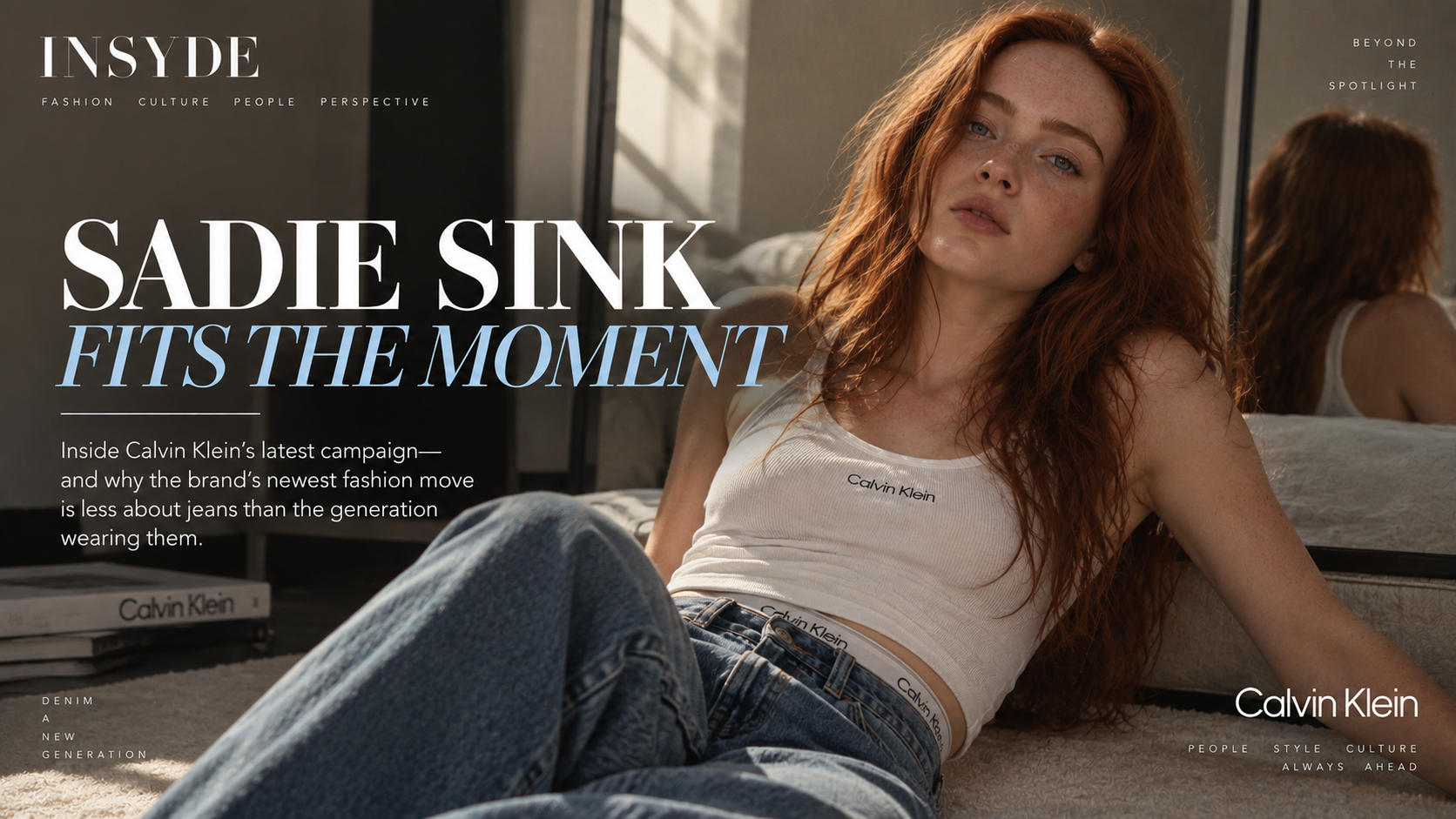
  • SADIE SINK FITS THE MOMENT

    SADIE SINK FITS THE MOMENT

    Inside Calvin Klein’s latest campaign—and why the brand’s newest fashion move is less about jeans than the generation wearing them.

    There is a particular kind of fashion moment that doesn’t announce itself as a revolution.

    No dramatic runway. No impossible silhouette. No attempt to reinvent the entire wardrobe.

    Sometimes, it is simply a pair of jeans.

    And the person wearing them.

    For Calvin Klein, that has always been enough.

    On September 1, Calvin Klein unveiled the second chapter of its Fall 2026 “Feel the Fit” campaign, this time with Sadie Sink at its centre. Directed and photographed by Aidan Zamiri, the campaign follows Sink through a series of everyday moments where changing into Calvin Klein denim changes the energy around her.

    At first glance, it is exactly what you would expect from Calvin Klein: denim, minimal styling, confidence and an unmistakable sense of attitude.

    Look closer, though, and there is something more interesting happening.

    Calvin Klein isn’t simply dressing Sadie Sink.

    It is using her to speak to a generation that already knows how to dress itself.

    THE FIT ISN’T REALLY THE POINT

    The premise behind “Feel the Fit” is almost deceptively simple.

    The right pair of jeans can change how you feel.

    Sink has described denim as a constant in her wardrobe and the right pair of jeans as something that can change the way you carry yourself.

    That sounds like advertising language.

    But it also explains why the campaign works.

    Fashion has spent decades promising transformation: wear this and become someone else.

    Calvin Klein’s proposition is quieter.

    You don’t need to become someone else.

    You just need to find the version of yourself that feels right.

    That distinction feels particularly relevant now, when personal style has become less about following one definitive trend and more about knowing what belongs to you.

    WHY SADIE?

    Sink arrives at Calvin Klein at an interesting point in her career.

    For audiences who discovered her through Stranger Things, she is already a familiar face. But her identity is no longer tied to one role or one screen.

    Her career has continued to move across theatre, film and increasingly fashion.

    That makes her particularly useful to a brand like Calvin Klein.

    She doesn’t arrive with the polished distance of a traditional fashion model. She arrives with an existing cultural identity.

    And Calvin Klein has historically understood the power of that.

    The brand’s identity has long been built around minimalism, individuality and the ability to turn familiar clothing into something culturally significant.

    Sink doesn’t have to disappear into the Calvin Klein aesthetic.

    The campaign works because she can bring her own energy into it.

    THE CALVIN KLEIN FORMULA

    There is a reason Calvin Klein can put so much attention on something as familiar as denim.

    The brand has spent decades making the ordinary feel culturally significant.

    A white T-shirt.

    Underwear.

    A pair of jeans.

    Nothing about these pieces is particularly complicated.

    The image surrounding them is.

    Calvin Klein’s strength has always been its ability to make simplicity feel desirable. Rather than overwhelming its clothes with unnecessary detail, the brand has repeatedly allowed attitude, image and personality to do the work.

    That philosophy remains visible in “Feel the Fit.”

    For Fall 2026, the campaign focuses on three key denim silhouettes: the returning ’90s Straight Jean, the relaxed Low Rise Baggy Jean and the High Rise Loose Jean.

    The clothes are recognisable.

    The attitude is what changes.

    THE RETURN OF THE EVERYDAY ICON

    There is something almost contradictory about the current denim conversation.

    Fashion is obsessed with novelty, yet some of its strongest moments come from clothes people already know.

    The ’90s are back.

    Low-rise silhouettes are back.

    Relaxed denim is back.

    But this isn’t simply a replay of an old decade.

    The current generation has taken those references and stripped them of their original context.

    A ’90s jean doesn’t necessarily mean dressing like the ’90s anymore.

    It means borrowing the proportions, the attitude and the freedom of the silhouette—and making them your own.

    Calvin Klein understands that distinction.

    Its Fall 2026 denim collection uses nostalgic shapes while presenting them through a distinctly contemporary campaign.

    And Sink becomes the bridge between the two.

    WHEN A CELEBRITY BECOMES A CULTURAL MIRROR

    This is where the campaign becomes more interesting than another celebrity fashion collaboration.

    The most valuable fashion faces today aren’t necessarily the ones who look the most like models.

    They’re the ones whose audiences already care about how they live, dress, move and present themselves.

    That changes the relationship between celebrity and fashion.

    A campaign no longer simply says:

    “This person wears our clothes.”

    It says:

    “This is the world our clothes belong in.”

    Sink brings an audience that exists at the intersection of entertainment, youth culture and fashion.

    Calvin Klein brings a visual language that has already survived multiple generations.

    Put the two together, and the campaign isn’t really selling a new identity.

    It is giving an existing one a new uniform.

    THE NEW COOL DOESN’T TRY SO HARD

    Perhaps that’s what makes the campaign feel so contemporary.

    There is no obvious attempt to make Sink look unreachable.

    The campaign moves through everyday settings and moments of spontaneous energy. The clothes remain central without overwhelming the person wearing them.

    That ease is important.

    Because contemporary cool has become suspicious of effort.

    The perfectly constructed outfit can feel less interesting than something that looks instinctive.

    The most desirable wardrobe isn’t necessarily the one filled with the most expensive pieces.

    It is the one where everything looks like it belongs.

    Calvin Klein has been speaking that language for decades.

    Sadie Sink happens to speak it fluently.

    SADIE SINK FITS THE MOMENT

    Perhaps the smartest thing about this campaign is that it doesn’t ask us to believe Sadie Sink has suddenly become a fashion icon.

    It doesn’t need to.

    She’s already becoming one.

    Calvin Klein simply gives that evolution a frame.

    And perhaps that’s where the real “Feel the Fit” idea exists—not in the jeans themselves, but in the feeling of finding something that makes sense.

    A performer finding her next chapter.

    A generation rediscovering denim.

    A fashion house returning to one of its most recognisable languages.

    None of it feels particularly forced.

    And maybe that’s the point.

    The best fashion moments don’t always announce that they’re happening.

    Sometimes, they just fit.

    INSYDE — Beyond the Spotlight

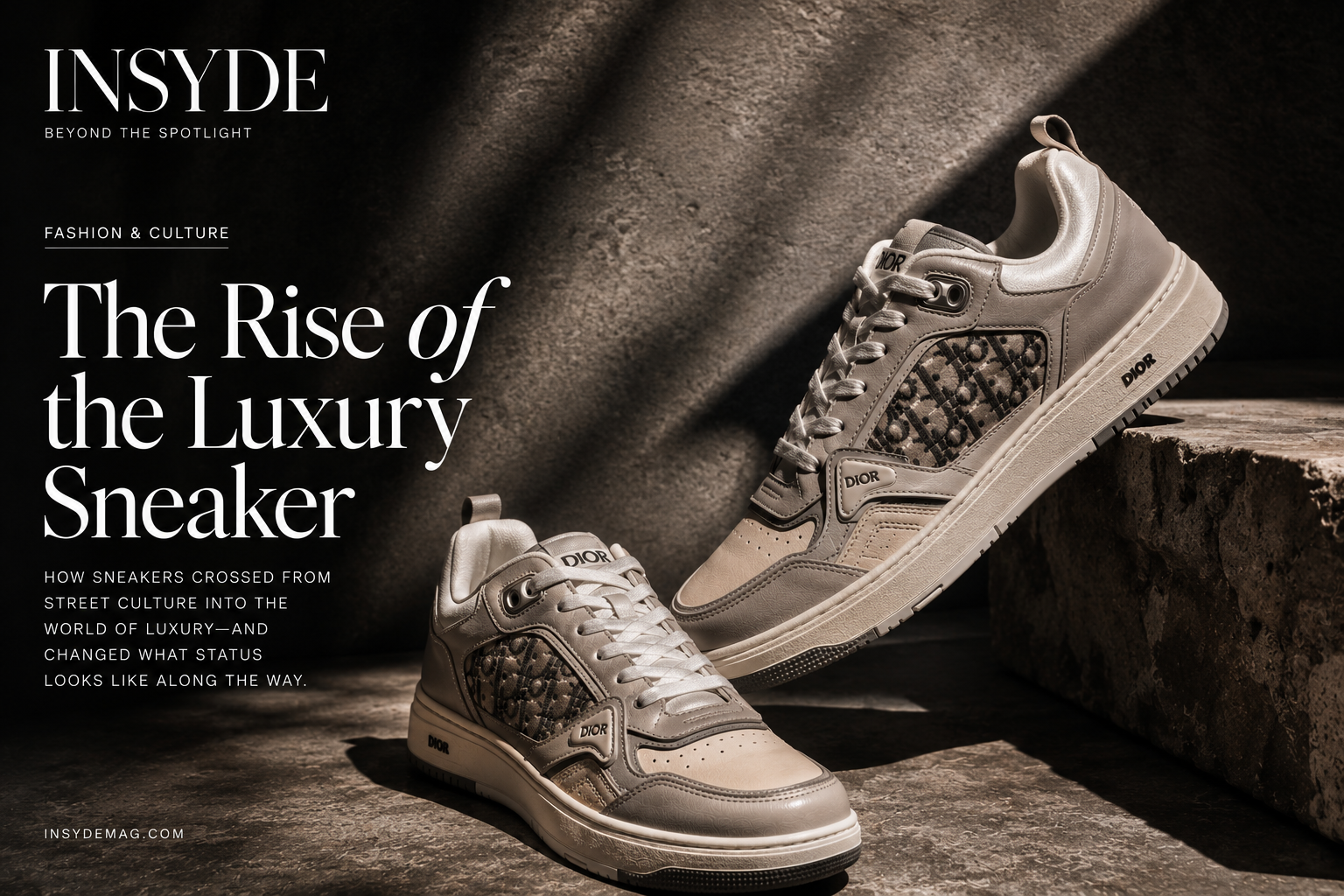
  • The Rise of the Luxury Sneaker

    The Rise of the Luxury Sneaker

    How sneakers crossed from street culture into the world of luxury — and changed what status looks like along the way.

    There was a time when luxury had a dress code.

    A tailored jacket. A fine watch. Polished leather. A recognisable handbag. Objects whose value was understood almost immediately.

    Then came the sneaker.

    Casual. Familiar. Democratic. Designed for movement rather than ceremony.

    And somehow, it became one of fashion’s most powerful expressions of status.

    That transformation is more interesting than the sneaker’s price tag.

    Because the luxury sneaker did not become important simply because fashion houses decided to make expensive shoes. It became important because culture changed what people wanted luxury to mean.

    The sneaker brought together sport, music, youth culture, fashion and design. Luxury gave it craftsmanship, scarcity and prestige.

    The result was something neither world could have created alone.

    A new language of luxury.


    The Object That Wasn’t Supposed to Be Luxury

    The sneaker was never designed to communicate wealth.

    Its original purpose was practical: movement, comfort and performance.

    But practicality gave it something luxury could not manufacture.

    Cultural credibility.

    Sneakers were worn on basketball courts, running tracks, city streets and stages. They became intertwined with music, particularly hip-hop, and with the rise of streetwear.

    The sneaker began appearing everywhere culture was being created.

    And that changed its meaning.

    It was no longer simply footwear.

    A particular pair could communicate what music you listened to, which athletes you admired, what subculture you belonged to or how closely you followed fashion.

    The sneaker became an identity marker.

    Luxury eventually noticed.


    When the Street Met the Maison

    For decades, high fashion and street culture occupied very different territories.

    One represented heritage, craftsmanship and exclusivity.

    The other represented youth, rebellion and cultural immediacy.

    Then the boundary began to disappear.

    Luxury houses started incorporating sneakers into their collections, while streetwear gained increasing influence over the wider fashion industry.

    The meeting was inevitable.

    But it wasn’t simply luxury moving downward.

    It was luxury learning from the street.

    The sneaker offered fashion something extremely valuable: relevance.

    It was already connected to communities, music, sport and youth culture.

    Luxury could provide materials and craftsmanship.

    The street provided cultural energy.

    Together, they created a new category.


    The Collaboration Changed the Rules

    Few developments accelerated the sneaker’s transformation more than the collaboration.

    When a sneaker became the meeting point between an athlete, musician, artist, designer or fashion house, it became more than a product.

    It became a cultural event.

    Suddenly, the story surrounding the shoe could matter as much as the shoe itself.

    Who designed it?

    Who wore it?

    Why was it created?

    How many were produced?

    When was it released?

    And, perhaps most importantly:

    Could everyone get one?

    Scarcity introduced a new kind of desire.

    The sneaker began behaving less like ordinary footwear and more like a collectible.

    That was a significant moment.

    Because luxury has always understood that desire grows when access becomes selective.


    Scarcity Became a Status Symbol

    Luxury has never been purely about price.

    It is about access.

    The rare watch.

    The difficult-to-book restaurant.

    The limited edition automobile.

    The handbag that isn’t simply waiting on a shelf.

    Sneakers adopted the same psychology.

    Limited releases created urgency.

    Exclusive collaborations created communities.

    Rare editions developed their own markets.

    But there is an important distinction.

    Scarcity alone does not create value.

    There must be a reason to care.

    The most desirable sneakers usually combine rarity with cultural significance.

    They represent an athlete.

    A designer.

    A collaboration.

    A particular era.

    A moment that mattered.

    The shoe becomes valuable because it carries a story.


    When the Sneaker Became Collectible

    This is where sneaker culture began moving closer to traditional luxury collecting.

    Collectors stopped looking only at whether a shoe looked good.

    They began considering provenance.

    Condition.

    Originality.

    Production history.

    Collaboration.

    Cultural relevance.

    A rare sneaker can become interesting in much the same way as a vintage watch or classic automobile.

    Not because it is necessary.

    Precisely because it isn’t.

    The object exists beyond function.

    It becomes something to preserve, study and appreciate.

    That is one of luxury’s oldest ideas.

    And sneakers have adopted it remarkably well.


    The Luxury of Craft

    There is another reason luxury sneakers command attention: craftsmanship.

    Once high fashion began taking the category seriously, the sneaker became a canvas for experimentation.

    Leather.

    Suede.

    Technical textiles.

    Metal hardware.

    Specialised construction.

    Unexpected proportions.

    Complex soles.

    Hand-finishing.

    Details that might once have been invisible became part of the conversation.

    The sneaker could now be examined rather than simply worn.

    And that changed the perception of the object.

    It didn’t have to stop being comfortable to become luxurious.

    It could be both.

    Function and craftsmanship could coexist.

    That combination is central to modern luxury.


    The End of the Formal Luxury Uniform

    Perhaps the sneaker’s greatest cultural victory is that it helped make luxury less formal.

    The modern luxury wardrobe doesn’t necessarily require a polished leather shoe.

    A tailored trouser can meet a minimalist sneaker.

    A fine watch can sit above a relaxed silhouette.

    A luxury jacket can be paired with something deliberately casual.

    The contrast isn’t accidental.

    It is part of the language.

    Today’s sophisticated consumer often has less interest in proving that something is expensive.

    They are more interested in demonstrating that they know what works.

    That is a profound change.

    Luxury becomes less about dressing according to a rulebook and more about knowing when to break one.


    The New Status Symbol Doesn’t Always Shout

    For decades, luxury was designed to be recognised.

    Logos were visible.

    Signatures were obvious.

    The product announced itself.

    The sneaker introduced another possibility.

    Recognition could become selective.

    Someone who doesn’t follow fashion might see an ordinary pair of shoes.

    Someone who does might immediately recognise the silhouette, collaboration or material.

    That creates a subtle form of status.

    Not:

    “Everyone should know what I’m wearing.”

    But:

    “The people who understand it will know.”

    That distinction has become increasingly important in contemporary luxury.

    The audience for the signal has become smaller.

    The meaning of the signal has become deeper.


    From Logo to Language

    The most interesting luxury sneakers aren’t necessarily the loudest.

    They can be minimal.

    Almost anonymous.

    Their luxury might exist in the leather, construction, proportion or silhouette rather than a giant logo.

    That reflects a broader evolution in fashion.

    The conversation is moving from visibility to discernment.

    The question isn’t simply whether something looks expensive.

    It is whether it looks considered.

    A sneaker can now communicate taste without demanding attention.

    And that may be one of the reasons the category has become so powerful.

    It fits the psychology of a consumer who already knows what luxury looks like.

    They don’t need to announce it.


    The New Luxury Consumer

    The rise of the luxury sneaker also reflects a generational change.

    Younger consumers have never experienced fashion as a series of isolated categories.

    Music influences fashion.

    Sport influences fashion.

    Streetwear influences luxury.

    Luxury influences streetwear.

    Film, gaming, art and social media all participate in the same cultural conversation.

    For this audience, a sneaker does not need permission to belong in a luxury wardrobe.

    It already belongs.

    The old hierarchy has weakened.

    A rare sneaker can sit beside a mechanical watch.

    A vintage piece can sit beside a new luxury garment.

    A streetwear collaboration can become as culturally significant as a traditional fashion collection.

    Luxury is no longer a closed room.

    It has become a conversation.


    What Makes a Sneaker Luxury?

    The obvious answer is price.

    But price is only one ingredient.

    True luxury requires something more difficult to manufacture.

    Desire.

    A sneaker becomes luxurious when people want it for reasons beyond its practical purpose.

    Craftsmanship can create desire.

    Scarcity can create desire.

    Design can create desire.

    History can create desire.

    Cultural relevance can create desire.

    And the strongest products combine several of them.

    That is why a very expensive sneaker can feel completely unremarkable, while a much simpler pair can become iconic.

    Luxury is not the number on the receipt.

    It is the meaning attached to the object.


    The Sneaker and the Collector’s Mind

    The luxury world has always been fascinated by objects that don’t need to exist.

    Collectors buy watches even when their phones tell time more accurately.

    They collect automobiles they cannot drive every day.

    They acquire art they may rarely display.

    The value lies somewhere beyond utility.

    Sneakers now occupy that same territory.

    A collector can own dozens of pairs without needing another pair of shoes.

    The purchase is no longer about necessity.

    It is about appreciation.

    Memory.

    Identity.

    Curation.

    The collection becomes a portrait of the collector.

    And perhaps that is the final transformation of the sneaker:

    from something you wear to something that represents what you value.


    The Luxury Sneaker Is Here to Stay

    The sneaker’s rise tells us something larger about luxury.

    The definition of status has changed.

    For one generation, luxury meant formality.

    For another, it meant recognisable logos.

    Today, luxury increasingly means choice.

    Knowing what to buy.

    Knowing what not to buy.

    Understanding craftsmanship.

    Recognising cultural significance.

    Being able to move between worlds without looking as though you’re trying too hard.

    The sneaker fits perfectly into that new definition.

    It can be casual without being careless.

    Expensive without being obvious.

    Rare without being theatrical.

    Cultural without losing craftsmanship.

    That is an extraordinary amount of territory for one object to occupy.


    The Rise of the Luxury Sneaker

    The sneaker didn’t become luxurious simply because luxury fashion decided to put its name on it.

    Its transformation happened much earlier.

    Culture made it desirable.

    Sport made it iconic.

    Music gave it attitude.

    Streetwear gave it identity.

    Fashion gave it craftsmanship.

    Scarcity gave it collectability.

    And consumers gave it something even more powerful:

    meaning.

    That is why the luxury sneaker represents more than another category for fashion houses.

    It represents the changing definition of status itself.

    The old luxury question was:

    “How much does it cost?”

    The newer question is:

    “Why does it matter?”

    And perhaps that is the most modern luxury of all.

    To own something not because everyone wants it—

    but because you understand why you do.

    INSYDE — Beyond the Spotlight.